DD
MM
YYYY

PAGES

DD
MM
YYYY

spot_img

PAGES

Home Blog Page 2852

Tekedia Capital Will Invest in a Quantum Computing Startup in October 2024 Cycle

0

On the invitation of the Royal Netherlands Academy of Arts and Sciences, I was to share a component of my PhD thesis at Johns Hopkins University. I got into Amsterdam and it was a red carpet, because I was going to share how humans could mimic biology and possibly invent immortality through computational systems, by replicating the event-driven asynchronous parallelism of the central nervous system.

I met a man in the program and he was working to stop aging and possibly usher in human immortality. Aubrey De Grey. I was the baby in the game, positing a future where in 300 years you could go to Amazon, Jumia, etc and buy new retina, cochlea, etc and replace the one you have. In short, you can “redownload” your brain and it could be pay-on-delivery! The speech went great. (There was a line: if the Lord sends the datasheets which man was made, everything could become possible, including curing death.)

On Oct 7 2024, as we begin the next investment cycle of Tekedia Capital syndicate, out of more than a dozen  startups coming, one has invented how to use AI to create qubits (quantum bits). If they succeed, their computational systems will help us understand the datasheets upon which humans are made – and that will be massive.

Rethink aging, and build the future machines to crack the code of longevity. Tekedia Capital is investing in the future. Learn more.

Diesel Price Rises to N1,406 Per Liter in Nigeria As Marketers Boycott Dangote Product

1

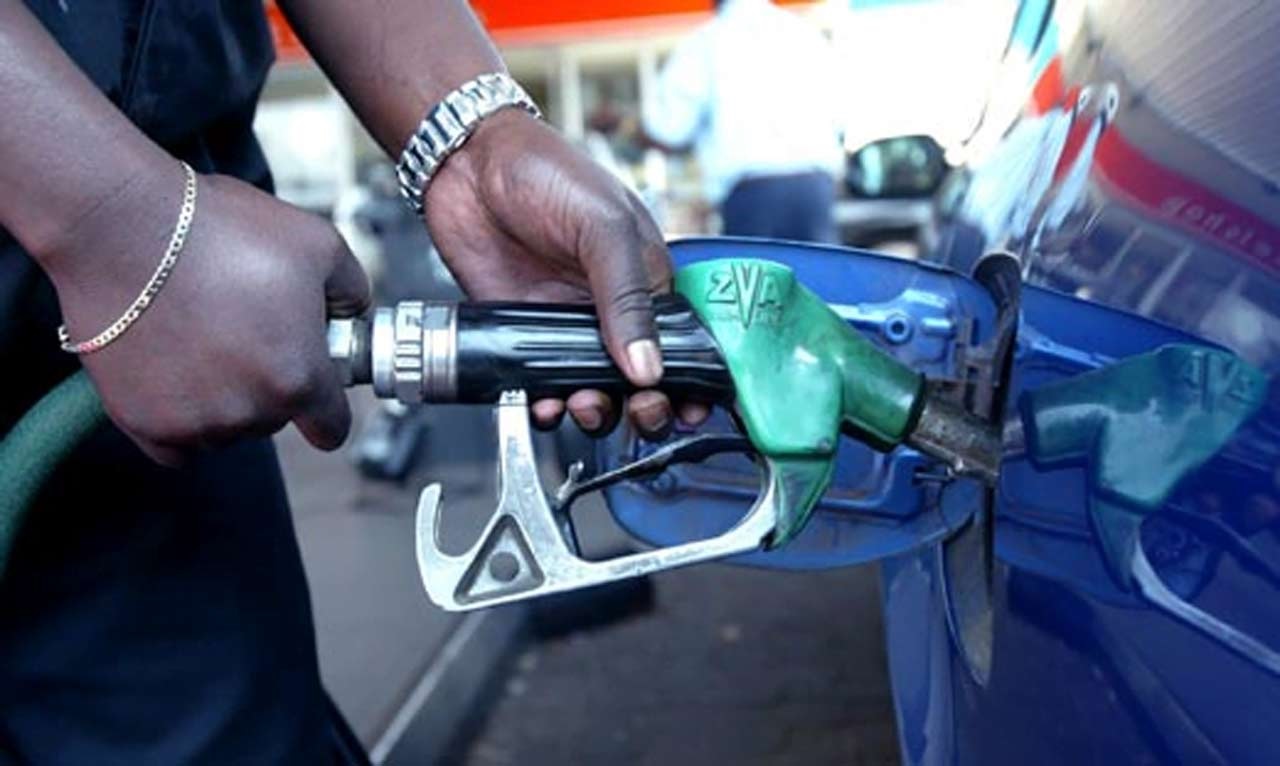
Nigeria’s diesel market is experiencing renewed turbulence as the average price per liter rose by 1.93% month-on-month in August 2024, reaching N1,406.05 per liter, according to data released by the National Bureau of Statistics (NBS).

This increase comes just weeks after a brief respite in July when prices had dropped by 5.71%. The latest hike adds a fresh challenge to a diesel market already grappling with challenges, including an ongoing standoff between local fuel marketers and the Dangote Refinery.

The volatility in diesel pricing has been a notable issue for Nigerian consumers. According to the NBS, in June 2024, the average price of Automotive Gas Oil (diesel) was N1,462.98 per liter, but this dropped to N1,379.48 in July, offering temporary relief to both businesses and households reliant on diesel.

The NBS report further detailed a significant 64.58% year-on-year increase in diesel prices, with consumers paying N854.32 per liter in August 2023 compared to the N1,406.05 recorded in August 2024. Diesel prices vary across regions, with northern states seeing the steepest prices. Kaduna tops the list at N1,930.79 per liter, closely followed by Bauchi at N1,927.34. Meanwhile, southern states like Lagos and Ogun enjoy the lowest prices, at N1,237.14 and N1,255.00, respectively.

The report read: “The average retail price of Automotive Gas Oil (Diesel) paid by consumers increased by 64.58% on a year-on-year basis from a lower cost of N854.32 per liter recorded in the corresponding month of last year (i.e., August 2023) to a higher cost of N1,406.05 per liter in August 2024.

“On a month-on-month basis, an increase of 1.93% was recorded from N1,379.48 in July 2024 to an average of N1,406.05 in August 2024.”

The Dangote Refinery Impact

Much of the current diesel pricing conundrum is linked to an ongoing boycott by local fuel marketers who are resisting purchasing diesel from the newly operational Dangote Refinery. Despite the refinery’s ability to produce diesel at lower costs, local marketers prefer to continue importing more expensive fuel from abroad, effectively bypassing the domestic supply.

Dangote Refinery, which began supplying diesel and aviation jet fuel in April 2024, initially spurred optimism with its promise of lower prices. Aliko Dangote, Africa’s richest individual and founder of the refinery, announced earlier this year that his operations had reduced the price of diesel from around N1,700 per liter to about N1,000, marking a significant price reduction.

However, local fuel marketers have largely avoided purchasing from the refinery. During a recent X (formerly Twitter) space hosted by Nairametrics, Devakumar V.G. Edwin, Vice President of Dangote Industries Limited, expressed frustration over this boycott.

“We have reduced prices significantly. Despite the exchange rate rising to about N1,500 per dollar, we have managed to keep the price of diesel below N1,200,” Edwin said.

Yet, the market remains resistant. “Only 3% of our diesel output is being purchased locally, while 97% is being exported because the local traders have refused to buy our products,” Edwin added.

This resistance has forced Dangote Refinery to look beyond Nigerian borders, exporting most of its diesel and jet fuel production instead of meeting local demand. Edwin lamented that despite their efforts to offer more affordable petroleum products, the local market’s reluctance to engage with the refinery is impeding the intended impact on diesel prices.

Marketers vs. Local Production

The underlying issue seems to stem from market dynamics deeply rooted in long-standing practices. Local fuel marketers, who are accustomed to importing refined diesel, appear hesitant to switch to domestic production, even when the Dangote Refinery offers a more cost-effective solution.

Edwin pointed out that, “many traders in Nigeria have refused to purchase from the refinery, preferring to continue importing refined products from abroad.”

This preference for imported diesel is believed to have wider implications, as it not only keeps prices elevated but also limits the effectiveness of local refineries in curbing inflation.

Consumers Caught in the Middle

For the average Nigerian consumer, this standoff means a continued struggle with high fuel prices. Consumers in regions like Kaduna and Bauchi are paying close to N2,000 per liter, while those in Lagos and Ogun pay around N1,200.

Analysts have noted that the current diesel pricing trend paints a troubling picture, and unless there’s a significant shift in the market dynamics, consumers will continue to bear the brunt of these price hikes.

Ethereum and PEPE Drama: Is Ethereum Losing Ground To The Meme Coin Craze?

0

Ethereum and Pepe are locked in a battle for supremacy as the meme coin craze catches on. While the launch of nine spot ETH ETFs sparked a bullish resurgence for Ethereum, the new wave of multi-chain meme coins has pushed all other events to the background.

Raboo’s new AI-backed meme coin called $RABT is one of the new kids on the block, giving Ethereum and PEPE a run for their money. Raboo’s $RABT has already surged 90% since the start of its presale. Analysts are predicting a further 100x rally for $RABT before its presale ends.

Ethereum loses momentum amid a wave of meme coin mania

Ethereum holders are losing faith in the world’s first decentralized smart contract blockchain network after a bearish sentiment swept through the community by about 78%. Whales holding Ethereum have also started to exit their positions, with examples including a recent transaction by a whale to sell 10,595 ETH, amounting to about $24.7 million.

Meanwhile, the meme coin craze is gaining momentum as meme coins such as Pepe (PEPE) rally over 14.64% over the last 7 days. Adding to Ethereum’s bearish pressure is the market-wide sale of ETH ETFs, where an outflow of 177K ETH was reported in the last 30 days. As Ethereum faces increasing bearish pressure and with the emergence of competitor networks such as Solana, analysts are predicting a prolonged sideways move for ETH.

Pepe (PEPE)’s price gains momentum as meme coin craze takes root

Compared to the waning interest in ETH ETFs, Pepe’s price has captivated investors after a year-to-date surge of over 1,100% amid bouts of market volatility. In the last 24 hours, PEPE has added to its bullish momentum with a price increase of 4.82% amid increasing hype around meme coins, not to mention the launch of PEPE perpetual futures on Coinbase.

With more capital flowing towards the meme coin market, PEPE’s market cap has also surged to highs of $3.57 billion.

Raboo’s $RABT surges 90%, raising over $2.5 million in presale

Raboo’s emerging AI-backed meme coin and social-fi ecosystem has captivated investors and meme coin enthusiasts after a price increase from its presale entry price of $0.003 to its current price of $0.0057. Raboo is on track to become a top-ranking meme coin thanks to its focus on fostering a strong community of meme enthusiasts.

Raboo’s SocialFi and artificial intelligence elements enable $RABT holders to interact with like-minded meme lords of the community in fun and exciting ways. One of Raboo’s most outstanding features is Rabooscan, which is a generative AI tool that searches social media to help Raboo users create funny and trendy memes. These memes can be posted on Raboo to earn $RABT.

With Raboo’s focus on the growing generative AI market as well as the booming meme coin space, $RABT could surge another 100x before the presale closes.

Conclusion

Ethereum’s sideways pattern is a clear signal that attention is shifting towards the meme coin market as the likes of PEPE rally over 100x in months. Raboo’s $RABT, however, is the new meme coin wave that could easily surpass ETH ETFs. Analysts are forecasting a 10,000% rally for $RABT when it launches on major exchanges.

You can participate in the Raboo presale here.

Telegram: https://t.me/RabootokenPortal

Twitter: https://twitter.com/Raboo_Official


Starlink Begins The Disintermediation of GSM Operators in Africa

0

It is here: “Safaricom, Kenya’s leading mobile operator, has reportedly upgraded the speed of its fiber internet packages in a competitive move to counter Starlink’s growing influence in the Kenyan broadband market.”

In a formal letter addressed to the Communications Authority of Kenya (CAK), Safaricom urged the regulator to consider requiring satellite providers to partner with local mobile network operators. Safaricom’s concerns are centered on the potential risks of satellite coverage extending across multiple borders, which could lead to unauthorized service provision within Kenya. The company warned that such practices could result in “harmful interference” with local telecommunications services.

Good People, Elon Musk’s Starlink has started a major disintermediation in the African telecom sector. CDMA took down wired telephony and the cobwebs, GSM annihilated CDMA, and now, satellite-based broadband is at the early phase of distorting GSM-based broadband services. Can you fight space from the land?

I posit that in ten years, most of the current GSM operators would be financially wounded as they do not have the operational framework to overcome the inherent competitive advantages which satellite operators like Starlink have. We are just at the infancy phase until affordable sat-phones arrive at scale.

When sat-phones arrive, and brands like Apple and Samsung provide support on iPhone and Galaxy, respectively, a new era will begin.

Proven Strategies for Running a Profitable and Sustainable Earring Business

1

The earring industry is a lively part of the larger jewelry market, combining artistry with business. Earrings have been popular for centuries and remain an important part of personal style in many cultures. This industry’s diverse nature requires a mix of creativity, smart business planning, and excellent customer service. Finding this balance is key for both new designers and established brands to thrive.

In this discussion, we’ll look into the often-overlooked aspects that set successful earring businesses apart. We’ll cover market research, innovative design, efficient operations, and effective marketing strategies, along with tips on engaging and retaining customers. This provides practical advice to help readers build a strong approach to their earring business.

The Importance of Market Research

Start by doing thorough market research to build a successful flatback earrings business. First, identify your target audience—knowing who your potential customers are is key. This involves looking at their demographics, shopping habits, and preferences. Next, analyze current trends in the earring market to keep your designs and products up-to-date. 

Lastly, understand your competition by learning who they are, what they offer, and how they market themselves. This helps you spot gaps in the market and create a unique niche for your business. Understanding these elements lays the groundwork for your market strategy and guides future business decisions.

The Craft of Design

When designing earrings, it’s important to balance creativity with careful planning. Originality is key; it makes your pieces stand out and leaves a lasting impression. The materials you select influence not only the look and feel but also the longevity and customer satisfaction. Opting for high-quality metals, gemstones, or eco-friendly options can elevate your brand. Staying ahead of fashion trends is vital; being a trendsetter can significantly boost your brand’s image. 

Combining these elements attracts and keeps customers engaged. Continuous innovation, alongside an eye for emerging styles, results in designs that are both timeless and modern. Every design choice—whether in shape, texture, or color—should create a cohesive collection that truly resonates with your audience.

Setting Up Operations

Setting up operations is important for running your earring business smoothly and efficiently. Start by sourcing top-quality materials, as the quality of your supplies directly affects both the final product and customer satisfaction. Research and choose suppliers known for their consistency and reliability. Next, create a well-organized workspace tailored to your production needs, including separate areas for design, assembly, and quality control. Invest in ergonomic tools and storage solutions to optimize workflow. 

Develop streamlined production processes to increase output while maintaining high standards, and consider using checklists to ensure consistency. Managing inventory is also key—track stock levels, forecast demand accurately, and implement strategies to minimize waste. By carefully managing these logistical aspects, you lay a solid foundation for a successful, efficient, and scalable operation.

Marketing and Branding

Marketing and branding your earring business involve a mix of strategies, from defining your brand to using digital tools effectively. Start by crafting a brand identity that not only reflects your values but also connects with your target audience. Build a strong online presence with a well-designed website, eye-catching visuals, and engaging content. 

Use social media platforms like Instagram and Pinterest to showcase your designs through high-quality images, videos, and stories. Regularly engage with your followers to create a sense of community around your brand. Influencer partnerships can further boost visibility; collaborating with fashion bloggers or jewelry enthusiasts can introduce your earrings to a broader market. Combining these efforts helps build a cohesive and memorable brand story.

Customer Engagement and Retention

Keeping customers engaged and loyal is vital for the success of your earring business. Outstanding customer service is at the heart of this effort. It’s more than just fixing problems; it’s about building lasting relationships and earning your customers’ trust. Personal touches like tailored communication, loyalty programs, and exclusive offers make customers feel valued and appreciated. 

Regularly gathering feedback through surveys or reviews is another key step in ensuring satisfaction and finding areas to improve. By actively making changes based on this feedback, you show customers that their opinions matter and that you are committed to enhancing their shopping experience. These efforts not only encourage repeat business but also attract new customers through positive word-of-mouth and recommendations.

Thriving in the earring industry requires a blend of creativity, strategic planning, and customer-centric practices. By understanding market trends and consumer preferences, you can craft designs that resonate with your audience while staying ahead of competitors. Streamlining operations, from sourcing quality materials to managing inventory, ensures efficiency and product excellence. Effective marketing and branding build a strong identity, while ongoing customer engagement fosters loyalty and trust. This approach helps establish a resilient, successful earring business capable of adapting to market shifts and consistently meeting the demands of a diverse customer base.