
DD
MM
YYYY

PAGES

DD
MM
YYYY

spot_img

PAGES

Home Blog Page 2869

#1 Cause of Fintech Collapse in Nigeria Right Now

1

More fintech startups in Nigeria fail due to “cyberattack & KYC/identity theft” related issues than any other problem. Our data shows that when those attacks happen, most times, the companies die over time, unable to recover from the paralysis. If you google and check recent closures, and ask questions, someone will tell you how some criminals have broken into a startup’s system, took money or distorted the company’s state of equilibrium.

Why this problem? Many people see embedded finance or finance-related APIs as marginal solutions without knowing that once you offer such solutions, you have provided vectors through which people could be hacked, if not protected. In other words, if you offer banking as a service where customers can get bank accounts via your portal, you have provided a path for them to be hacked, if you do not harden the access points. 

Indeed, in your fintech portal, your bank account is linked. A bad actor can initiate withdrawal from that account, and using the same fintech platform move the funds to another account.  Of course, many customers do not know that once they link a  bank account to the platforms, especially ones with “withdrawing” rights, they have extended withdrawing access to their bank accounts. But unfortunately, the portal where that is happening has no decent security protocol.

(Let me use PayPal to explain. Your PayPal account is linked to your bank account. From your PayPal account, you can initiate a deposit from your bank account into your Paypal wallet. If someone has access to your PayPal, that person also has access to your bank account!)

If you check some banks in Nigeria (one issue was reported today), their main bank websites and apps rarely have security failures, but their “fintech” subsidiaries do fail due to hacks. Why? While the Central Bank of Nigeria (CBN)’s security guidelines and regulations are adhered to on the core websites and apps, the fintech subsidiaries are not fully handled in the same way. So, some banks keep losing money due to such failures.

What can you do? One of Tekedia Capital startups wanted to build a fintech component as a marginal feature in its core business. We told the team to freeze the idea, encouraging them to continue to work with their banks’ partners, making it clear that a fintech-focused team should be in place before any voyage into that space.

Yes, that fintech marginal feature should be seen as a core product with every element of security thought-through before customers are allowed to use them.  Do not just get access, embed APIs and expose customers to be burnt without a team with responsibility to ensure that you (not in the finance space) have provided basic security features.

Indeed, embedding a protected and secure product in a porous portal creates vulnerabilities for your business and your customers. And that means you must ensure you are also protected, and secure, before you ask customers to use the solution.
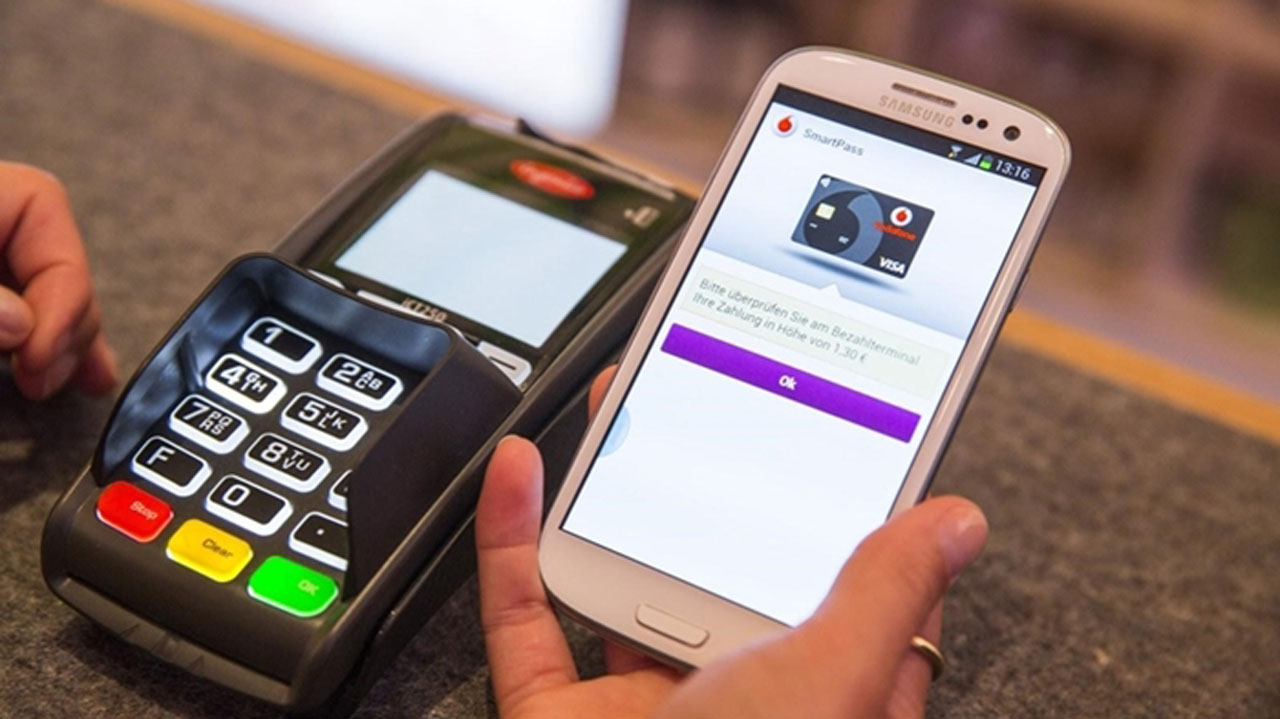
Latin American Fintech Company PayRetailers, Expands Operation Into Nigeria, 7 Other African Countries

0

PayRetailers, a Latin American Fintech company that makes online payments simple for specialized customers globally, has expanded its footprint into Nigeria, and seven other African countries.

The latest expansion includes Burkina Faso, Cameroon, Kenya, Ivory Coast, Ghana, Senegal, and South Africa, which comes after its recent launch in Rwanda, Zambia, Uganda and Tanzania three months ago. This latest expansion will see PayRetailers now covering twelve (12) countries across the African continent.

The Latin America payment processor expansion brings access to major local payment methods which include MPESA, Airtel, and MTN, providing a user-friendly, scalable solution for businesses looking to grow their regional presence.

Commenting on the company’s expansion of footprint across the African continent, Global Head of Sales at PayRetailers Jonathan Vintner said,

“Expanding into eight new markets marks a significant milestone for PayRetailers as we continue our mission to bring tailored payment solutions to diverse regions. Africa is a vibrant and varied continent, with payment preferences that differ from region to region. For example, our launch in Kenya enables merchants to access M-Pesa, the country’s leading mobile money provider, while in South Africa, we’re offering a blend of card and cash solutions to meet local demands. All of this is seamlessly integrated into our existing API, allowing merchants to access the top payment methods across Latin America and now Africa through a single connection with more countries on the horizon”.

PayRetailers expansion, further solidifies its ability to unlock new growth opportunities for customers, giving them easy access to additional emerging markets. For existing clients, this process requires zero integration efforts, as it is all handled via the same API.

With many populations across Africa being underbaked, the fintech accelerates financial inclusion across the region by supporting businesses with their growth journey. PayRetailers understands that each industry has unique demands, therefore, it tailors its payment solutions to meet the specific needs of businesses across various sectors. By partnering with some of the world’s leading brands, the company is helping them achieve their goals and expand their global reach.

Also, the fintech offers businesses a streamlined, efficient approach to cross-border payments. It helps to simplify the complexities of international transactions, helping companies reduce operational expenses while empowering them to thrive in emerging markets. Whether they are looking to expand into new regions or strengthen their local presence, PayRetailers provides the tools and support to ensure success.

Notably, its in-depth understanding of alternative payment methods and regional market trends enables it to offer customized payment solutions that align with the preferences of local consumers. This specialized knowledge allows online merchants to tap into the full potential of diverse markets, boosting sales and optimizing operational costs.

By delivering a seamless, scalable payment experience, PayRetailers empowers businesses to grow and succeed in some of the world’s fastest-growing economies. The company’s innovative approach allows firms to expand their operations while maintaining a strong local presence, ensuring long-term growth and sustainability in the global marketplace.

Alibaba Unveils Over 100 Open-Source AI Models, Including Groundbreaking Text-to-Video Generation Tool

0

Alibaba, a global leader in e-commerce, cloud computing, and Artificial Intelligence, has launched more than 100 new open-source AI models, in a bold move to strengthen its foothold in the AI space.

The Chinese tech giant latest release is part of its growing effort to democratize AI technologies, offering tools that span multiple industries and use cases, from natural language processing to computer vision.

The newly released models, known as Qwen 2.5, are designed for use in applications and sectors spanning sectors like automobiles to gaming and science research. These models also have more advanced capabilities in math and coding.

The Hangzhou-based firm is intensifying its Al efforts to stay competitive in the rapidly evolving field. Alibaba claims that its models can understand prompts and generate outputs across multiple formats, rivaling offerings from global Al leaders. The Open-source models allow researchers, academics, and companies to use these tools for building generative Al applications without needing to invest in expensive training processes.

The company’s decision to make its Qwen 2.5 models open-source is a key part of its strategy to attract users globally.  By providing free access to these models, Alibaba hopes to expand its user base and drive wider adoption of its Al technology. Recall that Alibaba first introduced its Tongyi Qianwen model last year and has since released enhanced versions. According to the company, its open-source models have been downloaded 40 million times, showcasing significant interest from the global Al community.

By offering these models to the global community, Alibaba is positioning itself as a key player in the Al landscape, enabling companies of all sizes to harness the power of Al for automation, decision-making, and innovative applications. This move places Alibaba alongside global leaders in the AI space like OpenAl and Google in the race to dominate the Al industry but with a unique emphasis on open-source accessibility.

It is understood that companies like Meta and Google have been investing heavily in similar technologies, particularly in generative Al. However, Alibaba’s decision to make its models open-source gives it a distinct advantage in terms of accessibility and flexibility.

According to Eddie Wu, CEO of Alibaba, the company is making unprecedented investments in Al research and infrastructure. While Alibaba is a leading cloud computing provider in China, it still lags behind global leaders like Amazon and Microsoft. The firm hopes that its latest Al advancements will not only attract domestic customers but also expand its global cloud service market share, helping to accelerate growth in a division that has shown promising signs of recovery.

By rolling out these powerful Al models and tools, Alibaba is aiming to solidify its standing in the global Al and cloud computing race, bringing innovative technologies to users both inside and outside China.

India’s Indodax Hacked for $22M as Worldcoin Undergoes Investigation in Singapore

0
Security lock concept

The Indonesian cryptocurrency exchange Indodax recently faced a significant security breach, resulting in a suspected loss of approximately $22 million in various cryptocurrencies. This incident has prompted the exchange to temporarily disable both its mobile and web applications as it investigates the breach’s full extent.

The attack, which occurred on September 11, specifically targeted Indodax’s hot wallets—online systems used for storing and transacting digital currencies. Blockchain investigation firms PeckShield, Cyvers, and SlowMist were the first to alert the public to the incident. The hackers managed to extract substantial amounts of major cryptocurrencies, including Bitcoin, Tronix, Ether, Polygon, and Shiba Inu.

According to findings by SlowMist, the breach originated from a vulnerability in Indodax’s withdrawal system that allowed unauthorized fund transfers from the hot wallet. Cyvers suggested that additional systems, including the signature machine, might have also been compromised, leading to the breakdown of stolen assets across various cryptocurrencies.

In response to the hack, Indodax took swift action by shutting down its trading operations to conduct thorough system maintenance. The exchange assured its users that measures were being taken to secure all systems and assets. Despite the operational halt, Indodax has reassured its customers that their crypto assets remain secure.

The pattern of the attack bears resemblances to those conducted by North Korea’s notorious Lazarus Group, known for their sophisticated cyberattacks primarily targeting financial institutions. The Lazarus Group was also linked to another major hack in July, where crypto exchange WazirX lost $235 million.

Singapore; Worldcoin Services Undergoing Investigation

In a recent development, Singapore has initiated an investigation involving seven individuals suspected of engaging in the unauthorized trade of Worldcoin accounts and tokens. This move underscores the nation’s commitment to enforcing its Payment Services Act and maintaining a regulated financial environment.

Worldcoin, a cryptocurrency project co-founded by OpenAI’s Sam Altman, has been under global regulatory scrutiny. The project’s unique approach involves the use of biometric data, specifically iris scans, to create digital IDs and distribute free tokens. This innovative method has raised questions about data privacy and the ethical use of biometric information.

The Singaporean authorities’ response to the alleged illegal trading activities associated with Worldcoin is a testament to their proactive stance on fintech regulation. The investigation follows reports of individuals, including migrant workers, being paid to transfer control of their Worldcoin accounts to third parties, a practice that could potentially breach the Payment Services Act.

The Personal Data Protection Commission (PDPC) of Singapore is also engaging with Worldcoin to ensure compliance with the Personal Data Protection Act (PDPA). This highlights the importance Singapore places on the protection of personal and biometric data within the fintech sector.

As the situation unfolds, it will be interesting to observe how Singapore navigates the challenges posed by innovative technologies like Worldcoin, balancing the potential benefits against the need for robust regulatory frameworks to protect consumers and maintain market integrity.

This incident highlights significant vulnerabilities within the cryptocurrency industry, especially concerning the security of hot wallets. It underscores the need for enhanced protective measures across exchanges to safeguard investor assets and maintain trust in the digital currency markets.

The global implications of such attacks are profound, as they not only affect the immediate victims but also shake the confidence of investors and users in the security of cryptocurrency exchanges. This breach serves as a reminder of the persistent and evolving threats in the digital asset space and the importance of robust security protocols.

Viral Cryptocurrency Shaping the Future Real Estate Investments Could Outshine Cardano and Enter Top 10 Cryptocurrencies by 2025

0

Investors trying to find the next big thing, a platform that once lets itself be called by an over-ambitious crypto moon shot. Unfortunately, in the last few years, Cardano has found difficulties in upholding its strategy having been effective in the initial years. The price of Cardano has been trailing and its volume has also witnessed a decline investors might be asking if it is over for Cardano. 

Cardano’s Struggles and Decline

If there was a term that best described the launch of Cardano, it would best be the term enthusiasm. It promised a unique approach to blockchain with peers trying out issues and claims bringing to the market a better and stronger platform than Ethereum. In the 2017 bull run, ADA, the primary utility token of the platform reached its apex price of $1.33. There was slow progress in their roadmap and now the cryptocurrency market is so saturated with competitors that Cardano is left behind its contenders which are Solana, Avalanche, and Polkadot. In addition, there has been a price slump for Cardano as other younger cryptocurrencies enlist more active investors. Many people are asking if Cardano will ever gain back the same performance that it had before, with ADA still being 85% below its peak.

Rexas Finance (RXS): The Future of Real Estate Investments

On the other hand, as Cardano finds it difficult to make its supporters’ dream a reality, Rexas Finance is stepping up as a serious competitor in emerging markets, particularly in the real estate markets. Rexas Finance is a unique distribution platform that gives each person the possibility to own or fractionalize assets in real estate anywhere in the world. This will be a great revolution in the world of cryptocurrencies and fingered its integration between the investment of property and technology. So far, the presale of the RXS token has indicated how great this project is. In its first presale stage, 15 million tokens were sold at the price of $0.03 each in less than three days, making $450,000. Stage 2, where the price increased to $0.04 with 20 million tokens available, raised over $800,000 in a shorter time than was expected. This was quite a fast up-take, showing that clever investors know the potential of Rexas Finance as well as the RXS token.

Why Rexas Finance Could Outshine Cardano

The reasons behind such success of Rexas Finance are multiple and differ from the old platforms like Cardano. To begin with, Rexas Finance has embraced the emerging phenomenon of real-world asset (RWA) tokenization, which is a trend likely to witness tremendous growth in the coming years. In attempting to solve the problem of how to tokenize real estate, Rexas Finance is providing a specific and attractive use case that has the potential to attract several people. Furthermore, it is understood that Rexas Finance should be able to react faster to market forces than, for example, Cardano. However, for most of its development, Cardano was rather slow.

These days, Rexas Finance is rushing to grab the opportunities and impress the investors’ demands. Such reader’s interest in the RXS presale indicates that it has a good chance of increasing its market share significantly and becoming one of the leaders in the industry. In addition, market professionals are claiming for RXS, that such an increase could be achieved as soon as in the year 2025 which will warrant RXS’s position as one of the top cryptocurrencies for a long time. 

Conclusion

Over the past couple of years, the concept of crypto has transformed and now and then, it has become apparent that firms that can provide genuine services will win the crypto race. Though Cardano was a competitive pioneer in the market of cryptocurrency for several years, the fact that its developmental processes are slow and do not respond to urgent issues has seen it lose its relevance. Instead, Rexas Finance focused on real estate tokenization and a growing number of investors, and aims to become a significant player in the crypto market. In 2025, Rexas Finance is on its way to completely outperform Cardano and break into the 10 largest cryptocurrencies, which will change the perception of both the blockchain and real estate investment markets.


For more information about Rexas Finance (RXS) visit the links below:

Website: https://rexas.com

Whitepaper: https://rexas.com/rexas-whitepaper.pdf

Twitter/X: https://x.com/rexasfinance

Telegram: https://t.me/rexasfinance