DD
MM
YYYY

PAGES

DD
MM
YYYY

spot_img

PAGES

Home Blog Page 2880

Enugu State Seals N40bn Deal With Jelfa Nigeria Limited to Revitalize Sunrise Flour Mills

0

The Enugu State Government has taken a significant step towards revitalizing its industrial sector by signing a landmark N40 billion agreement with Jelfah Nigeria Limited to restore the long-abandoned Sunrise Flour Mills in Emene, a suburb of the state.

This initiative, announced by Governor Peter Mbah on his official X (formerly Twitter) account, is part of broader efforts to reinvigorate the state’s economy through strategic partnerships with the private sector.

Jelfah Nigeria Limited, under the leadership of Chairman Moses Saromi, will invest N24 billion in the deal, acquiring a 60% equity stake in the mills. Out of this, N22 billion will be dedicated to revitalizing the facility, while N2 billion will directly benefit the state.

“Today, we took another decisive step towards revitalizing our moribund assets. We signed a landmark N40bn deal with Jelfah Nigeria Ltd, led by the chairman, Moses Saromi, to revitalize the long-abandoned Sunrise Flour Mills at Emene.

“This significant partnership will see Jelfah acquiring a 60% equity stake and investing N24bn in the mills – N22bn for the revitalization and N2bn benefiting the state directly,” the statement read in part.

A critical component of the deal involves the establishment of a Special Purpose Vehicle (SPV) to manage 10,000 hectares of farmland. This land will be dedicated to cultivating essential inputs for the flour mill, including cassava and grains, ensuring a steady supply of raw materials and strengthening the state’s agricultural-industrial integration.

This agreement follows earlier initiatives by the Enugu State Government to revive key economic sectors. Notably, the state secured an N100 billion partnership with Pragmatic Palms Limited in September to restore the Enugu United Palm Products Limited (EUPPL). This investment aims to create 3,500 jobs, restore 20,000 hectares of palm plantations, and establish oil mills with refining capacities—further evidence of the state’s drive toward agro-industrialization.

In addition to these developments, the state has also partnered with a Danish firm to establish a tractor assembly plant. This move is expected to end the reliance on imported agricultural machinery, with 300 tractors projected to be assembled by the end of 2024 and up to 1,000 tractors by the following year.

Governor Mbah’s administration has shown notable interest in industrialization and economic expansion. Earlier in August, the state launched an N4.6 billion agricultural and MSME grant program, providing 12,000 farmers with fertilizers, distributing 51 power tillers, and offering other essential agricultural inputs to over 1,200 beneficiaries across all local government areas.

However, while Enugu is forging ahead with these transformative projects, it stands out alongside Abia as one of the few southeastern states actively working to boost their industrial sectors. Abia, under the leadership of Governor Alex Otti, has also made strides in revitalizing its economic landscape, particularly through efforts to clear inherited salary and pension arrears and rejuvenate the state’s industrial output.

Both states appear to be setting an example for the rest of the region. Abia’s efforts to restore key industries, alongside its initiatives to enhance trade and economic growth, mirror the work being done in Enugu. In contrast, other states in the southeastern region have not demonstrated similar levels of commitment or investment in industrial development, leaving a gap in the region’s overall economic growth.

How to Install the 1Win App in 2024: Installation Guide for Android and iPhone

0

Gaming and betting on mobile devices is an easy and enjoyable way to get away from the worries of everyday life. In South Africa, many gamblers choose the 1Win app because it is a well-known global brand with a good reputation. If you too have settled on this software, our article will tell you in detail how to install the app from here https://1winsbet.co.za/app/, as well as what to do if installation is not possible for you at the moment.

How to Prepare to Install the Application

Before you start downloading and installing the 1Win app on your Android or iPhone, consider the following important points:


  • Make sure there is enough memory on your device to install the application (15 MB). Clear the memory if necessary.
  • The app works better on the latest versions of Android and iOS. Update your system if available.
  • You will need a reliable internet connection to download and install. It is best to use a secure Wi-Fi network.
  • To install the apk file on Android, go to security settings and allow installation of apps from unknown sources.
  • Make sure you have the login and password for your 1Win account handy. This will make it easier to log in after installation.
  • Make sure that the device is sufficiently charged (more than 30%) so as not to interrupt the installation.
  • To be safe, only download the app from the official 1Win website or the App Store for iOS.
  • Prepare your deposit details in advance if you plan to bet and play in the casino.

Installing the 1Win App for Android

The process of installing the 1Win app on Android devices may seem complicated at first glance, but by following these simple steps, you’ll be able to do everything quickly and easily:

  1. To get started, open the browser on your device and navigate to the official 1Win website. It is recommended to use the default browser installed on your device, such as Chrome, to avoid download problems.
  2. On the homepage of the site, find the menu located in the top right corner of the screen. When you open it, you will see the “Downloads” section. Select it and go to the page where you can download the Android application.
  3. Select the option to download the application to Android. This will start downloading the apk file that you will need to install. Note that you may need to allow downloading files from unknown sources in the security settings of your smartphone.
  4. Once the download is complete, open the apk file.
  5. When the installation is complete, open the app. If you already have an account, login. Otherwise, you can sign up directly through the app by following the simple instructions.

Installing the 1Win iPhone App

The 1Win app is also available for users of iOS devices. The installation is slightly different from Android, as Apple uses a different app distribution system.

  1. Open Safari browser (or any other available browser) on your iPhone and go to the official 1Win website. Find the “Downloads” section in the menu to proceed to install the app.
  2. Click on the iOS icon. This option will automatically redirect you to the App Store where you can download the app. It is important to note that you will need a valid Apple ID to install apps through the App Store.
  3. Click the “Install” button in the App Store and wait for the process to complete. The app will automatically install on your device.

Once installed, open the app on your iPhone. As with Android, you will be able to sign in to your account or register to create a new one.

Mobile Version of the 1Win Website

Not all users want to install apps on their devices. For such people there is a mobile version of the 1Win website. It provides the same game, features, bonus work and promotional code. Let’s take a look at its advantages and disadvantages:

  • The mobile version of the site does not take up any memory space on your device as it works through your browser.
  • Unlike the app, the mobile version does not need to be updated manually. All changes to the site are applied automatically.
  • The mobile version is accessible from any device with a browser, regardless of its operating system.
  • The mobile version is completely dependent on the speed of your internet connection, which can cause pages to load slowly if you have a weak signal.
  • Unlike the app, the mobile version does not provide notifications of events or bonuses.

Ultimately, of course, everyone will choose for themselves: download the app or use the mobile version. It is important to understand what your priorities are. But we can confidently say that the content in both cases will not disappoint you. Try your hand at mobile games and may you be lucky!

Nigerian Banks Earn N132.45 Billion From E-Business Operations in H1 2024, Highlighting Digital Banking Growth

0

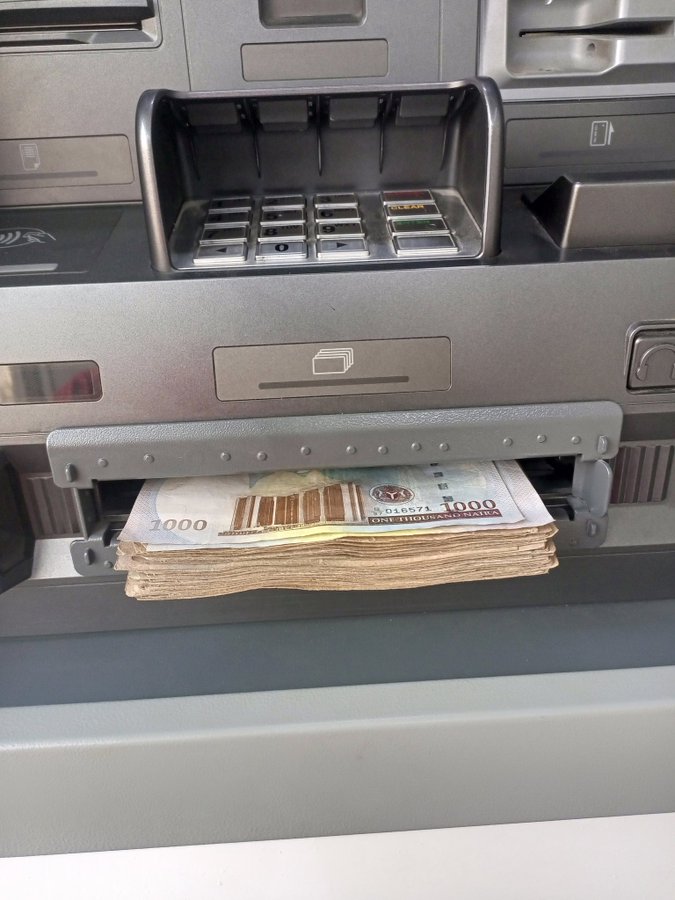
In the first half (H1) of 2024, seven leading Nigerian banks reportedly generated a combined revenue of N132.45 billion from e-business operations, reflecting the continued growth of digital banking adoption across the country.

The rapid growth recorded in digital banking operations, derived from activities such as online transactions, mobile banking and ATM usage, is indicative of the increasing shift toward digital financial services.

The seven banks include; Zenith Bank, FBN Holdings, GTCO Holdings, FCMB, Wema Bank, Sterling Financial Holdings and Stanbic IBTC.

Breakdown of E-Business Earnings Revenue:

Zenith Bank led the pack, recording N41.2 billion from e-business activities, an 85.6% increase compared to N22.2 billion in H1 2023. This significant rise is a testament to Zenith’s focus on digital transformation.

FBN Holdings followed closely, earning N35.1 billion, marking a modest 3.2% increase from N34 billion in the corresponding period of 2023, signaling steady growth in its digital services.

GTCO Holdings saw substantial growth, posting N32.5 billion in e-business revenue, a 53.3% jump from N21.2 billion in H1 2023.

FCMB registered N10.8 billion, a 45.9% increase from N7.4 billion last year, showing its growing presence in digital transactions.

Wema Bank, known for its ALAT platform, earned N6.1 billion, a remarkable 96.8% growth from N3.1 billion in H1 2023, positioning the bank as a key player in the digital banking space.

Sterling Financial Holdings reported N4.6 billion, a modest 4.5% growth compared to N4.4 billion in H1 2023.

Stanbic IBTC saw no change in its e-business revenue, maintaining N2.1 billion for both H1 2024 and H1 2023.

The substantial revenue growth reflects the increasing use of digital banking platforms, as Nigerian consumers continue to migrate from traditional banking methods to online banking. To keep up with the demand of digital services, recall that in June this year, a BusinessDay survey revealed that seven Nigerian banks increased their investments in IT from N28.19 billion recorded in the first quarter of 2023, to N73.09 billion in Q1, 2024, indicating an increase of about 159.22%.

The survey further linked the increased IT spending to the banks’ preference for electronic transactions as evident in the profits from electronic mode of payments which grew to N237 trillion in Q1, 2024 from N126 trillion in Q1, 2023.

The recent report of a surge in revenue by these banks in their e-business operations, shows that these investments in IT has yielded positive fruit. Notably, the first half of 2024 has demonstrated the significant strides Nigerian banks are making in embracing digital transformation.

As the financial industry evolves with the rise of fintech, blockchain and Artificial Intelligence, continued investment in IT infrastructure and cybersecurity will be critical for banks to stay competitive and secure in the digital era.

A Dive into the $700M MicroStrategy’s Convertible Notes Offering

0

MicroStrategy, a company that has positioned itself at the forefront of corporate Bitcoin investment, has recently announced another bold move in its Bitcoin acquisition strategy. The firm has proposed a private offering of $700 million in convertible senior notes.

Convertible notes are a type of debt instrument that holders can convert into a specified number of shares of the issuing company’s stock. This offering from MicroStrategy will bear interest payable semi-annually and will mature in September 2028, unless earlier repurchased, redeemed, or converted. It’s a strategic tool that provides investors with an option to participate in the company’s equity upside while offering downside protection through debt features.

This decision comes as part of a broader trend of companies integrating Bitcoin into their financial strategies, reflecting a growing corporate confidence in the digital asset as a store of value and an investment vehicle. This strategic financial move is not the company’s first foray into leveraging debt for investment purposes, particularly in Bitcoin, which has been a significant part of their investment strategy.

The offering, which is subject to market conditions, aims to raise capital to further increase MicroStrategy’s already substantial Bitcoin holdings. As of the latest reports, the company holds approximately 244,800 bitcoins, valued at over $14 billion. This makes MicroStrategy the largest corporate holder of Bitcoin, a testament to its commitment to the cryptocurrency as a key component of its treasury strategy.

The proposed notes are set to mature in 2028 and are convertible into cash, shares of MicroStrategy’s class A common stock, or a combination thereof, at the company’s discretion. The interest rate, initial conversion rate, and other terms of the notes will be determined at the time of pricing of the offering. This flexibility in conversion options provides potential investors with a degree of choice in how they wish to engage with the offering, aligning with the company’s innovative approach to finance.

MicroStrategy’s strategy is not without its risks, as the volatile nature of Bitcoin’s price can significantly impact the value of the company’s holdings. However, the firm’s leadership, particularly Executive Chairman Michael Saylor, has consistently expressed a long-term vision for Bitcoin’s role in MicroStrategy’s financial future. This vision has resonated with some investors who see the potential for high returns in a market that is increasingly receptive to cryptocurrency.

The move to issue convertible notes also serves a dual purpose for MicroStrategy. It allows the company to manage its debt by redeeming older debts while simultaneously increasing its Bitcoin reserves. This strategic financial maneuvering showcases MicroStrategy’s confidence in Bitcoin’s long-term value proposition and its commitment to integrating the digital asset into its corporate strategy.

As the landscape of corporate finance continues to evolve, MicroStrategy’s actions may well serve as a case study for other companies considering cryptocurrency as part of their investment portfolio. The company’s aggressive acquisition strategy underscores a belief in the enduring value of Bitcoin and its potential to redefine the concept of corporate treasury in the digital age.

MicroStrategy’s journey into Bitcoin investment has been a pioneering one, and the proposed $700 million convertible notes offering is the latest chapter in this ongoing saga. Whether this move will pave the way for more widespread corporate adoption of Bitcoin remains to be seen, but one thing is clear: MicroStrategy is not shying away from its bet on the future of finance.

Examining the Legal Battle Between US SEC Vs Kraken and Binance

0

In a significant development in the cryptocurrency legal landscape, Kraken, a prominent crypto exchange, has opted for a jury trial in response to the lawsuit filed by the U.S. Securities and Exchange Commission (SEC). This move underscores the escalating tension between regulatory bodies and crypto entities over the interpretation and application of securities laws in the digital asset space.

The U.S. Securities and Exchange Commission (SEC) has recently made headlines with its decision to retract previous statements that classified various cryptocurrencies as “securities” in a legal battle against the cryptocurrency exchange Binance. This move marks a significant shift in the SEC’s approach to crypto regulation and has sparked discussions across the financial and legal sectors.

The SEC’s initial stance was that certain cryptocurrencies fell under the category of securities, which would subject them to specific regulatory requirements. However, the SEC has now expressed regret over this classification, acknowledging that the term was misleading. This backtrack is a pivotal moment for the crypto industry, as it could signal a more nuanced understanding and approach to the regulation of digital assets.

Kraken’s decision to seek a jury trial is rooted in its defense strategy, which challenges the SEC’s allegations of securities violations. The exchange has been accused of offering and selling unregistered securities, a claim that Kraken vehemently denies. The list of digital assets in question includes ADA, ALGO, ATOM, FIL, FLOW, ICP, MANA, MATIC, NEAR, OMG, and SOL tokens.

The crux of Kraken’s argument lies in its interpretation of the Securities Act and the Exchange Act, asserting that neither statute encompasses digital assets within their regulatory purview. Kraken maintains that it has not engaged in any illegal conduct and that its operations do not transform its platform into a securities exchange, clearing agency, or broker-dealer as defined by the Exchange Act.

Furthermore, Kraken’s legal team has presented a multi-faceted defense, comprising 18 points that refute the SEC’s claims. Among these defenses, Kraken argues that the SEC has overstepped its regulatory authority and failed to provide clear guidance for compliance within the cryptocurrency industry. The exchange also accuses the SEC of acting without due process and fair notice, suggesting that the regulatory body has penalized Kraken for exercising its First Amendment rights.

By demanding a jury trial, Kraken is invoking the right to have its case heard and decided by a group of peers rather than a single judge. This approach could introduce a broader perspective into the proceedings, as jurors from various backgrounds will deliberate on the evidence and arguments presented by both parties.

The implications of the SEC’s retraction are far-reaching. For one, it may affect how other regulatory bodies across the globe perceive and regulate cryptocurrencies. It also has the potential to impact the operations of crypto exchanges and the broader market, as the classification of these digital assets can influence investor behavior and market dynamics.

The crypto community has reacted to this development with a mix of skepticism and optimism. Some view it as a positive step towards a more flexible and informed regulatory framework that recognizes the unique characteristics of cryptocurrencies. Others are cautious, interpreting the SEC’s move as a strategic repositioning that could precede more aggressive regulatory actions.

The SEC’s amended complaint against Binance places a greater emphasis on the exchange’s token listing and trading processes rather than the nature of the tokens themselves. This suggests that the SEC is shifting its focus from the classification of tokens to the practices of exchanges, which could lead to more stringent requirements for platforms operating within the U.S. market.

The outcome of this trial could have far-reaching implications for the cryptocurrency industry, potentially setting a precedent for how digital assets are classified and regulated. As the legal battle unfolds, stakeholders within the crypto space and regulatory agencies will be watching closely to see how the principles of securities law are applied in this new and evolving financial frontier.