DD
MM
YYYY

PAGES

DD
MM
YYYY

spot_img

PAGES

Home Blog Page 2934

US Elections: Impact of Endorsements and State Polls, Cryptos and S&P 500 Options Show Divergent Trends

0

The political arena is abuzz with the latest developments as former President Donald Trump takes the lead over Vice President Kamala Harris in Polymarket betting odds following an endorsement from Elon Musk. This shift in the betting market reflects the dynamic nature of political campaigns and the influence high-profile endorsements can have on public perception and sentiment.

Polymarket, a decentralized prediction market platform, has become a barometer for gauging election outcomes based on real-money betting. The recent endorsement by Elon Musk, a prominent figure in the tech industry, appears to have swayed the odds in Trump’s favor, with a 3-percentage point lead over Harris. This endorsement comes at a critical time as the nation gears up for the upcoming presidential election.

However, despite the national trend, Trump still trails in Nevada, a key battleground state with a history of predicting the overall election outcome. The significance of Nevada’s role in the election cannot be overstated, as it has been predictive of the national result in eight of the last nine contests. This divergence between national betting odds and state polls highlights the complexity of electoral dynamics and the importance of state-by-state strategies.

One of the most talked-about endorsements comes from former Vice President Dick Cheney, who crossed party lines to endorse Vice President Kamala Harris. This unexpected move has sparked discussions on bipartisan support and its impact on voters. Similarly, other Republicans such as State Rep. Dan Wolf from New Hampshire and former U.S. Senators Jeff Flake and William Cohen have also endorsed Harris, showcasing a shift in political alliances.

On the other side, President Donald Trump has garnered support from various individuals and groups, reinforcing his position in the race. The list of endorsements for Trump reflects a consolidation of his base, with many prominent figures and organizations backing his campaign.

Moreover, media endorsements are also shaping the narrative, with newspapers and magazines taking stances that could influence their readership’s voting decisions. The alignment of media outlets with specific candidates provides insight into the broader media landscape’s political leanings.

The influence of endorsements on election odds is a fascinating aspect of political science. High-profile endorsements can serve as a signal to voters, potentially validating a candidate’s platform and swaying undecided voters. In this case, Musk’s endorsement may have bolstered Trump’s standing among certain voter demographics, particularly those interested in the intersection of politics and technology.

On the other hand, state polls provide a more granular view of the electorate’s preferences, capturing local issues and sentiments that may not be reflected in national trends. For instance, while Trump leads in the national presidential election poll, he faces challenges in swing states, which are crucial for securing the electoral college votes needed for victory.

The contrast between Polymarket odds and state polling data underscores the multifaceted nature of political forecasting. While prediction markets offer real-time insights based on financial stakes, polls provide a snapshot of voter intentions, influenced by a myriad of factors including demographics, campaign strategies, and current events.

As the election approaches, it will be essential for both campaigns to navigate these indicators strategically. For Trump, maintaining momentum from national endorsements while addressing state-specific concerns will be key. For Harris, leveraging her lead in critical swing states could offset the national betting trends and secure a path to victory.

The interplay between endorsements, prediction markets, and state polls presents a complex picture of the electoral landscape. As observers and participants alike scrutinize these indicators, the coming weeks will be pivotal in shaping the narrative and outcome of what promises to be a highly contested presidential race.

U.S. Elections- Cryptos and S&P 500 Options Show Divergent Trends

As the U.S. election approaches, investors and traders are closely monitoring the financial markets for signs of how different asset classes might react to the outcome. A particularly interesting development has been observed in the options markets for Bitcoin and the S&P 500, where a divergence in trends suggests varying expectations among market participants.

Strangles and straddles are both options trading strategies that allow investors to profit from significant movements in a stock’s price, regardless of the direction of the move. A straddle involves buying a call and a put option with the same strike price and expiration date. This strategy is beneficial when an investor believes a stock’s price will move significantly but is uncertain about the direction of the movement. The profit is made if the stock moves enough in either direction to cover the cost of both options.

On the other hand, a strangle also involves buying a call and a put option, but with different strike prices. The call option has a higher strike price than the put option. This strategy is used when an investor expects a significant price movement but thinks that there is a greater likelihood of the movement in one direction over the other. It is generally less expensive than a straddle because the options are out of the money.

Both strategies are used in situations where high volatility is expected but the direction of the market movement is unclear. They are particularly popular around events that are expected to result in significant price movements, such as earnings announcements or economic data releases.

Bitcoin, the leading cryptocurrency, has seen a noticeable bias toward call options in the short term, as reported by CoinDesk. This indicates that traders are anticipating potential upside volatility or higher price movements around the election time. Call options provide buyers with the opportunity to profit from a price rally, suggesting optimism about Bitcoin’s price trajectory in the near term.

In contrast, the S&P 500 options market is showing a preference for put options, which typically offer protection against price declines. This trend could be interpreted as a sign of caution or pessimism regarding the equity market’s performance during the election period. The divergence between the two markets is striking and raises questions about the correlation between Bitcoin and traditional equities, which has been positive in recent times.

The divergent trends in the options markets are not just a matter of academic interest; they have practical implications for investors and traders. For Bitcoin, the stronger demand for calls might reflect a belief that the cryptocurrency could serve as a hedge against uncertainty or benefit from geopolitical tensions. On the other hand, the bias for puts in the S&P 500 options market could indicate that investors are bracing for potential volatility or a downturn in the equity markets.

This situation sets the stage for what could be a significant shift in market dynamics. If Bitcoin’s price indeed moves independently of the S&P 500 around the election, it could challenge the prevailing notion of Bitcoin’s correlation with traditional assets. Alternatively, if one market is mispriced, it could lead to unexpected outcomes for traders betting on these trends.

As the election date nears, the markets will likely continue to evolve, and the strategies of traders and investors will adapt accordingly. Whether Bitcoin will decouple from equities or whether traders in one market will be caught off-guard remains to be seen. What is clear, however, is that the U.S. election is a pivotal event that could have far-reaching effects on various asset classes, including cryptocurrencies and equities alike.


Luno Partners With Zapper to Enable Crypto Payments in South Africa, as Solana Projects Raised over $170M in Q3 2024

0

Luno, a global cryptocurrency company, operating across Africa, Oceania, the US & Europe, has announced a partnership with Zapper, increasing the number of Merchants facilitating crypto payments.

The partnership will enable customers in South Africa, to transact using crypto at over 31,000 merchants nationwide, using the Luno Pay app wherever Zapper QR codes are offered as a payment method at merchant points of sale or online.

This strategic partnership, marks a significant expansion of Luno Pay, bringing the ease and convenience of crypto transactions that were previously available at Pick n Pay to a wide range of businesses, including major retailers, like fuel stations, educational institutions, and parking facilities, amongst others.

Speaking on the partnership, Tarris Arnold, Luno’s Business Development Manager said,

We are thrilled to be the first crypto asset service provider in South Africa to collaborate with Zapper. This partnership enables our customers to use the Luno app to pay seamlessly wherever Zapper QR codes are accepted. Currently, the biggest use case for crypto in South Africa is investment, but the ability to pay at such a wide variety of merchants using crypto is a giant step closer to the original vision of using crypto to pay for goods and services.”

Also speaking, Zapper CEO Mike Bryer said that the partnership forms part of Zapper’s mission to help merchants grow their businesses, highlighting that the partnership will help it extend its payments ecosystem to add over five million more South African users.

With this integration, Luno users can now enjoy the simplicity of paying with crypto at a diverse array of businesses, further enhancing the accessibility and utility of digital currencies in everyday transactions across the country.

A chainalysis report published in October 2024, revealed that as Africa’s largest economy, South Africa has established itself as one of the continent’s largest cryptocurrency markets, receiving approximately $26 billion in value over the past year. Beginning in late 2023, stablecoins have experienced sustained growth in South Africa’s local exchanges, with over 50% month over month in October 2023.

Given the increased use of cryptocurrency in South Africa, the partnership between Luno and Zapper signals a broader shift toward digital financial solutions.

Here’s how this growing trend could impact the country:

1. Economic Growth and Innovation: The adoption of crypto can drive innovation in South Africa’s financial sector, encouraging the development of fintech startups and crypto-based solutions that could enhance the country’s position as a tech hub in Africa.

2. Empowerment of the Unbanked: With a significant portion of the population still unbanked or underbaked, crypto provides an alternative to traditional banking systems. This can empower individuals who don’t have access to banks but have mobile devices, offering them access to financial services and economic participation.

3. Increased Financial Literacy: As more South Africans use crypto for daily transactions, financial literacy is expected to rise, People will become more familiar with concepts like digital assets, blockchain technology, and decentralized finance, potentially fostering a more financially informed population.

While stablecoin use is expanding rapidly across Africa, the regulatory landscape is progressively evolving. Recall that in South Africa, the Financial Sector Conduct Authority (FSCA) has provided regulatory clarity by classifying crypto assets as financial products.

The FSCA’s decision to regulate crypto assets under existing financial laws has been a major catalyst for the market’s growth. This has provided much-needed clarity for both businesses and investors, enabling licensed companies to grow responsibly and encouraging FIs to explore crypto services.

Solana Projects Raised over $170M in Q3 2024

The blockchain industry continues to thrive, and Solana’s ecosystem is no exception. In the third quarter of 2024, projects built on Solana have raised over $170 million, showcasing the growing investor confidence in the platform’s capabilities and the broader crypto market’s potential.

Solana, known for its high throughput and low transaction costs, has become a hub for innovation, attracting a wide range of decentralized applications (dApps). This influx of capital is a testament to the platform’s robustness and the developers’ commitment to building scalable and user-friendly applications.

The fundraising success of Solana projects aligns with the broader market sentiment, which, despite bearish trends, anticipates a stronger performance in the last quarter of the year. Bitcoin’s dominance has risen to its highest since April 2021, and the stablecoin market cap has hit an all-time high, indicating a massive amount of liquid capital waiting to be deployed.

some notable Solana projects that are making waves in the industry:

Decentralized Exchanges (DEXs): Projects like Jupiter, Orca, and Drift are revolutionizing the way we think about trading in the decentralized space. Jupiter, for instance, is building a decentralized replacement for centralized exchanges, offering a DEX aggregator to ensure users get the best price offers.

Lending Protocols: Platforms such as Solend, Marginfi, and Kamino are at the forefront of decentralized finance, providing innovative lending solutions that leverage Solana’s high-speed and low-cost transactions.

Staking Protocols: Marinade Finance and Jito are redefining staking on the blockchain, offering users a way to earn rewards while contributing to the network’s security.

NFTs: The non-fungible token space on Solana is vibrant, with projects like Mad Lads and Tensorians creating unique digital collectibles and experiences.

Decentralized Physical Infrastructure Networks (DePIN): Helium and Render Network are utilizing Solana’s infrastructure to enhance their decentralized networks, with Helium focusing on IoT connectivity and Render Network on GPU rendering.

These projects are just the tip of the iceberg when it comes to the innovation happening on Solana. With over 125 protocols in its ecosystem, Solana is executing an average of 100 million transactions daily, indicating a robust and active network that’s ripe for both users and developers. The future looks promising for Solana, as it continues to attract new projects and investments, pushing the boundaries of what’s possible in the blockchain space.

Moreover, price predictions for Solana’s native token, SOL, are optimistic, with analysts projecting it could break the $300 mark before 2025. This is supported by the technical indicators and the platform’s significant growth in dApps, which has seen a 110% increase in SOL’s price within the last quarter of 2024.

The digital asset market is witnessing a shift, with Bitcoin and Solana leading the year-to-date performance. Solana’s growth trajectory, coupled with the substantial funds raised, positions it as a key player in the crypto space, potentially setting the stage for a new era of blockchain technology and its applications.

As we move forward, the focus on innovation, user experience, and scalability will likely continue to drive investment into blockchain projects. Solana’s recent achievements are just the beginning, and the future looks bright for those invested in the ecosystem’s development and success. The next few months will be crucial in determining whether this momentum can be sustained and what new opportunities will arise from these advancements in the blockchain domain.

Mobile Money Operators Executed N41.5tn Worth of Transactions Between Jan and July 2024 – NIBSS

0

Data released by the Nigeria Inter-Bank Settlement Systems (NIBSS) has revealed a significant surge in mobile money transactions in Nigeria, with licensed operators, including PalmPay, OPay, and 15 others, processing transactions valued at N41.5 trillion between January and July 2024.

This represents a remarkable 74% increase in transaction volume compared to the N23.9 trillion recorded in the same period last year.

The mobile money sector is on track to surpass its record-breaking performance of 2023 when transactions reached N46.6 trillion for the full year. With seven months of data already showing N41.5 trillion in processed transactions, operators are poised to set a new benchmark by the end of 2024.

The remarkable increase in transactions occurred despite a one-month suspension placed on leading mobile money operators such as OPay, PalmPay, and Paga by the Central Bank of Nigeria (CBN). In July 2024, the CBN temporarily halted the onboarding of new customers for some mobile operators over concerns that their platforms were being exploited for illicit foreign exchange transactions, including cryptocurrency trading.

The suspension, which affected both mobile money and other fintech companies like Moniepoint and Kuda Bank, was lifted after about a month. Despite this setback, the operators have resumed onboarding new customers and continue to see substantial growth in transactions.

As of now, 17 companies are licensed by the Central Bank of Nigeria as mobile money operators, including prominent fintech companies like PalmPay and OPay. While there are over 200 fintechs operating in Nigeria, only these 17 are authorized to provide mobile money services.

Shift in Consumer Behavior

This rapid growth indicates a shift in transaction behavior among Nigerians, who are increasingly turning to mobile money platforms over traditional banking systems.

Mobile money operators play a pivotal role in providing financial services via mobile phones, which includes initiating, authorizing, and confirming value transfers out of current/checking, savings, or stored value accounts. The sector has enabled Nigerians to conduct transactions with greater ease and efficiency, often bypassing the limitations of traditional banking infrastructure.

The sector’s growth is attributed to the convenience, speed, and accessibility of mobile money services, which are driving this transformation, as more people rely on fintech operators to manage their financial transactions. The shift is particularly evident in rural and semi-urban areas, where access to traditional banking services is often limited, and mobile phones provide an efficient alternative.

Besides these, industry experts point to some other factors contributing to this trend. Mobile money platforms offer a user-friendly experience, enabling customers to conduct financial transactions, including transfers, payments, and savings, with minimal barriers. This convenience has encouraged more users to adopt these services, especially those in underserved areas.

However, the surge in mobile money transactions is part of a broader upswing in e-payment activities across Nigeria. NIBSS data shows that electronic transactions across all payment channels in the country totaled N566.3 trillion between January and July 2024. This seven-month figure is already nearing the N600 trillion recorded in the full year 2023, indicating that Nigeria’s cashless economy is gaining significant momentum.

Analysts attribute the surge in e-payment transactions to the Central Bank of Nigeria’s cashless policy and recent experiences with cash shortages.

Under the revised policy, which was enacted in January 2023, individual cash withdrawals are capped at N500,000 per week, while corporate entities face a limit of N5 million within the same period. The policy, designed to promote digital transactions and reduce reliance on cash, has accelerated the adoption of e-payment platforms, including mobile money services.

What This Means for the Financial Industry

The growing dominance of mobile money operators is reshaping Nigeria’s financial industry. By providing millions of Nigerians with easier access to financial services, these platforms are becoming critical players in the country’s economy. Through their faster services, mobile money services are reducing the reliance on traditional banking systems, which are often less accessible to the unbanked population in rural and underserved regions.

This shift is creating a more inclusive financial ecosystem, with mobile operators bridging the gap between urban and rural financial services.

With mobile money transactions already accounting for a significant portion of the nation’s total e-payments, it is clear that the role of these operators will continue to expand. The convenience, affordability, and widespread accessibility of mobile money platforms are increasingly making them the preferred choice for millions of Nigerians, fundamentally altering how transactions are conducted in the country.

AI’s Impact on Modern Bitcoin Investment Applications Explored

0

Artificial intelligence (AI) is revolutionizing numerous industries, and the financial sector is no exception. One of the most enormous influences of AI in finance is visible in the development and enhancement of Bitcoin investment apps. As Bitcoin and different cryptocurrencies continue to gain recognition among investors, the integration of AI into investment apps offers sophisticated tools and functions that assist traders in making knowledgeable choices, manipulating risks, and optimizing their portfolios. Investment education is crucial for navigating the complexities of modern Bitcoin investment apps, and finance-phantom.org/ connects traders with educational experts to help them understand the impact of AI in this evolving landscape.

Enhancing decision-making with AI

Investment selections, particularly in the unstable cryptocurrency marketplace, require cautious analysis and timely movement. AI-powered Bitcoin funding apps can technique great quantities of data quickly and appropriately. They analyze market traits, ancient information, information articles, social media sentiments, and different relevant information to offer insights and guidelines.

For instance, devices gaining knowledge of algorithms can identify patterns and are expecting future price moves primarily based on historical data. These predictions help buyers make informed decisions about when to buy or promote Bitcoin. Natural Language Processing (NLP) allows the apps to apprehend and analyze information articles and social media posts, gauging marketplace sentiment and predicting its impact on Bitcoin prices.

Risk management and fraud detection

AI excels at identifying and managing risks, which is essential in the pretty volatile world of bitcoin investment. AI algorithms can display market conditions in real-time and alert buyers to capacity dangers, including sudden charge drops or marketplace manipulations. These apps can also diversify portfolios robotically to mitigate risks, distributing investments through extraordinary cryptocurrencies or financial instruments.

Moreover, AI plays a vital role in detecting fraudulent activities. By studying transaction patterns and consumer behaviors, AI can discover suspicious patterns and prevent fraud. This no longer only protects investors’ budgets but also complements the general security and reliability of Bitcoin funding platforms.

Personalized investment strategies

AI-powered Bitcoin investment apps provide personalized investment techniques tailor-made to traders’ desires, threat tolerance, and investment horizons. By reading an investor’s monetary scenario and possibilities, AI can endorse a customized portfolio that aligns with their objectives.

For instance, an investor with an excessive-danger tolerance and a protracted-term funding horizon can also receive tips to spend money on rising cryptocurrencies with high boom potential. Conversely, a conservative investor may be guided in the direction of more strong and hooked-up cryptocurrencies like Bitcoin and Ethereum.

Automating Trading and Portfolio Management

Automated trading is one of the most popular functions of AI-powered Bitcoin funding apps. These apps use AI algorithms to execute trades on behalf of buyers, taking advantage of market opportunities in real-time. Automated buying and selling gets rid of the need for constant tracking and permits traders to capitalize on marketplace moves 24/7.

Additionally, AI can manage investment portfolios robotically, rebalancing them as needed to maintain the preferred asset allocation. This guarantees that the portfolio stays aligned with the investor’s desires and threat tolerance while market conditions alternate.

Improving the user experience

AI complements what the user enjoys with the aid of making Bitcoin funding apps more intuitive and user-friendly. Chatbots powered by AI offer immediate customer support, answering queries and supporting transactions. These chatbots use NLP to apprehend and respond to user requests efficiently.

AI can also analyze consumer interactions and options to offer customized guidelines and insights. For instance, if an investor frequently checks the performance of certain cryptocurrencies, the app can offer updates and information related to those belongings, keeping the investor informed and engaged.

Case Studies of AI-Powered Bitcoin Investment Apps

Several Bitcoin funding apps have efficiently incorporated AI to provide advanced functions and improve consumer delight. For instance, apps like Coinbase, Binance, and eToro leverage AI for numerous purposes, which include market analysis, risk management, and automatic buying and selling.

Coinbase uses system-learning algorithms to provide protection and detect fraudulent activities. Binance employs AI for personalized funding strategies and market evaluation. EToro makes use of AI to offer social trading capabilities, allowing investors to observe and copy the trades of successful investors.

Future Prospects of AI in Bitcoin Investment

The destiny of AI in Bitcoin funding appears promising, with continuous advancements in the industry and increasing adoption among buyers. Future AI traits might also include greater state-of-the-art predictive models, enhanced protection capabilities, and more integration with other financial offerings.

AI can also facilitate the development of decentralized finance (DeFi) structures, providing investors with extra management and transparency. As AI technology evolves, it is in all likelihood to play a much larger role in shaping the future of Bitcoin funding and the broader economic enterprise.

Conclusion

The integration of AI in current Bitcoin investment apps is reworking the way buyers interact with the cryptocurrency market. By improving decision-making, managing risks, presenting personalized strategies, automating buying and selling, and improving the user experience, AI-powered apps offer treasured gear for both beginner and experienced investors. As the AI generation continues to strengthen, its role in Bitcoin funding is about to grow, imparting new possibilities and challenges for the economic industry.

How Zoning Regulations Shape Sustainable Growth in Canadian Communities

0

Land use planning is a key part of how cities and rural areas in Canada develop. As cities expand and rural areas change, it’s important to manage land in a way that supports sustainable growth. Zoning regulations, which determine how land is used, are central to this process. These rules help organize residential, commercial, and industrial areas to ensure efficiency, harmony, and environmental care. Understanding land use planning allows stakeholders to make informed decisions that shape the future of their communities.

This overview breaks down land use planning in Canada and its impact on development. We’ll cover zoning regulations, how land use plans work together, and their effects on cities and rural areas. You’ll also get tips on managing zoning laws and requesting changes or exceptions. Lastly, we’ll highlight the importance of public participation and how community involvement shapes land use decisions. For the smoothest experience, you may want to consult with a real estate lawyer professional.

The Fundamentals of Zoning Regulations

Zoning regulations are key to planning how land is used, dividing it into areas like residential, commercial, and industrial zones. This system helps guide development, avoids conflicts between different land uses, and supports balanced urban growth. Residential zones are for housing and related services, commercial zones are for businesses and offices, and industrial zones are for manufacturing and large-scale activities. 

Zoning rules also regulate building heights, how dense the area can be, and how much land can be built on, keeping development in line with community and environmental goals. These regulations create a clear structure for organized, sustainable urban development.

The Hierarchy of Land Use Plans

In Canada, land use planning occurs at different levels, each influencing how communities grow and develop. At the highest level, national frameworks establish broad policies focused on sustainable development and environmental stewardship. These frameworks provide overall direction for land use across the country. Provincial guidelines then adapt and interpret these national policies to fit regional characteristics and priorities, ensuring they address local economic, environmental, and cultural needs. 

Municipal bylaws come into play at the most detailed level, setting specific rules for land use within cities and towns, covering zoning for residential, commercial, or industrial areas. Public input is often incorporated into these bylaws to address community concerns and ensure responsiveness.

Managing Municipal Zoning Bylaws

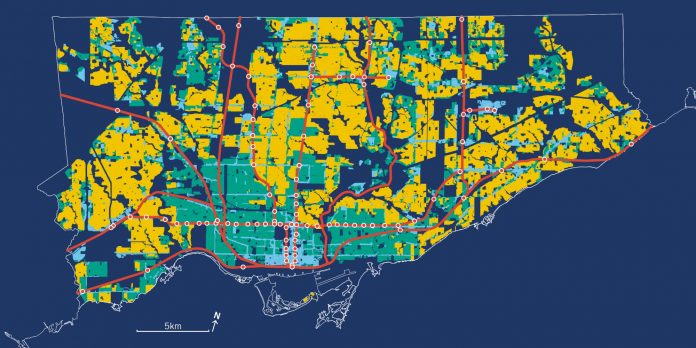
To sort through municipal zoning bylaws, start by checking your local municipality’s website, where zoning regulations and maps are usually available. If they’re not online, you can get physical copies from the municipal planning department or find out where they’re stored. Once you have the bylaws, review the zoning map, which shows different zones in the area. These maps usually include a key that explains zoning categories like residential, commercial, and industrial. 

Each zone has specific rules about what’s allowed, so be sure to read those sections carefully. If the language is hard to understand, consider asking a planning consultant for help or attending public meetings where planners can answer questions. Many municipalities also provide user guides or workshops to help explain zoning bylaws.

Zoning Variances and Amendments Explained

Getting a zoning variance or amendment involves several clear steps, important paperwork, and key factors to ensure success. First, applicants need to clearly explain why the variance or amendment is needed, usually showing how the changes fit with community goals and existing land use plans. Next, it’s important to gather all necessary documents, like site plans, impact reports, and environmental studies if needed. 

Getting letters of support from community members or stakeholders can also strengthen the case. Once the application is ready, it is submitted to the local zoning board or planning committee for review. Public hearings are usually part of the process, giving community members a chance to share their opinions. Applicants can present their case and address any concerns during these hearings.

Public Participation in Land Use Planning

Community involvement is key in land use planning, giving residents a direct role in shaping their neighborhoods. People can participate by attending public meetings organized by municipal planning departments, where they can voice opinions, ask questions, and offer feedback on proposed developments or zoning changes. 

This approach not only promotes more democratic planning but also leads to decisions that better reflect the community’s values. In addition to attending meetings, residents can submit written comments, join local planning committees, or engage in workshops aimed at improving local land use policies.

Effective land use planning is essential for fostering sustainable growth in both urban and rural areas. By understanding the role of zoning regulations, communities can develop in a balanced and environmentally conscious way. Coordinated planning at national, provincial, and municipal levels ensures that development aligns with broader sustainability goals while addressing local needs. Public participation in this process empowers residents to shape their surroundings, ensuring that land use decisions reflect community values. Through collaboration and informed decision-making, stakeholders can create well-organized, resilient communities that meet the demands of future growth.