
DD
MM
YYYY

PAGES

DD
MM
YYYY

spot_img

PAGES

Home Blog Page 2983

General Motors Slashes 1,000 Jobs to Accelerate AI Integration Across Its Operations

0

General Motors (GM), one of the world’s leading automakers, has announced plans to eliminate 1,000 software-related positions as part of a broader strategy to refocus on quality improvement and accelerate the integration of artificial intelligence (AI) across its operations.

This development comes after GM has struggled with recent software problems. Recall that the automaker in December 2023, paused the sale of its Chevy Blazer EV, following a limited number of customer complaints over software-related quality issues.

General Motors recent integration of AI into its operations, the decision reflects the company’s shift in priorities as it navigates the rapidly evolving landscape of the automotive industry, where technology and innovation are becoming increasingly critical. The recent layoffs at the company, represent about 1.3% of its global salaried workforce of 76,000 as of the end of last year.

By cutting 1,000 software jobs, GM aims to streamline its workforce and reallocate resources towards areas that promise the most significant returns, such as AI development.

A spokesperson at the company Stuart Fowle disclosed that the job cuts were not about cost-cutting performance or individual performance. Rather, they are meant to help the company move more quickly as it tries to compete in the world of “software-defined vehicles.”

The spokesman wrote in an e-mail statement,

“As we build GM’s future, we must simplify for speed and excellence, make bold choices, and prioritize the investments that will have the greatest impact. As a result, we’re reducing certain teams within the Software and Services organization. We are grateful to those who helped establish a strong foundation that positions GM to lead moving forward.”

Focus on AI Integration

In a significant shift within the global automotive industry, automakers are increasingly laying off workers as they integrate AI into their operations, driven by the need to stay competitive in the evolving market. AI is playing an increasingly central role in the automotive industry, from autonomous driving systems to advanced manufacturing processes.

For GM, integrating AI more deeply into its operations is crucial to staying ahead in a market where tech-driven innovations are rapidly transforming how vehicles are designed, produced, and used. The company plans to use AI to optimize its production lines, enhance the safety and functionality of its vehicles, and create more personalized customer experiences.

As more companies invest in AI and other advanced technologies, the demand for traditional software roles is poised to decrease, while the need for expertise in AI, machine learning, and data science continues to grow.
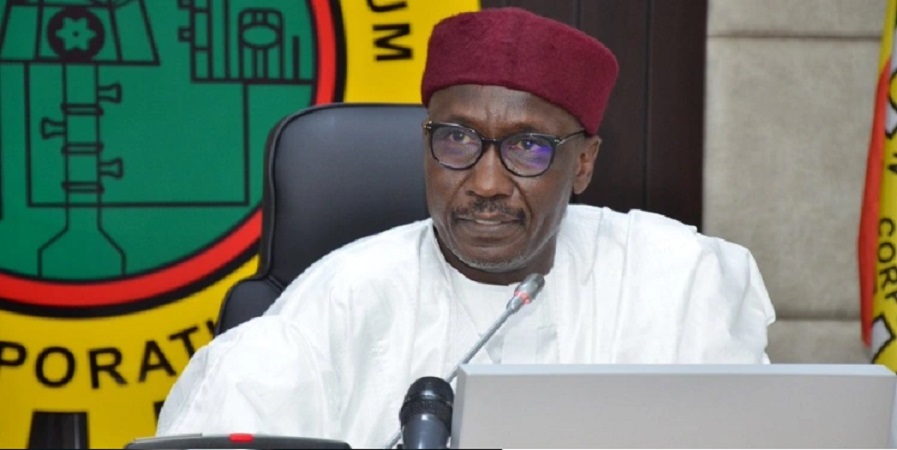

NNPC announces a record-breaking net profit of N3.297tn for December 2023 FY

0

The Nigerian National Petroleum Company Limited (NNPC) has announced a record-breaking net profit of N3.297 trillion for the financial year ending December 2023, marking a remarkable 28% increase from the N2.548 trillion profit reported in 2022.

This growth represents an impressive N749 billion rise in profitability, reinforcing the company’s financial strength amid a challenging economic and operational environment.

The NNPC has also declared a substantial final dividend of N2.1 trillion, demonstrating its robust financial health and commitment to shareholder returns. During a press conference at the NNPC Towers in Abuja, the company’s Chief Financial Officer, Mr. Umar Ajiya, attributed this success to strategic foresight and operational resilience.

He stated, “Our fiscal performance reflects both strategic foresight and operational resilience. Despite inherent challenges of our operational and economic environment, we have improved the productivity and the financial performance of this great company.”

The company’s financial performance has followed a continuous upward trend since it first recorded a profit in 2020. In 2018, NNPC reported a loss of N803 billion, which was reduced to N1.7 billion in 2019. The company turned the tide in 2020, reporting N287 billion in profit, followed by N674.1 billion in 2021, and an impressive N2.548 trillion in 2022.

This turnaround can be largely credited to the Petroleum Industry Act (PIA) 2021, which has driven significant changes in the governance and financial management of NNPC.

Chief Pius Akinyelure, Chairman of the NNPC Board, highlighted the role of the PIA and the dedication of the Board, Management, and staff. He said, “The excellent performance came as the fruit of the PIA 2021, the commitment of the Board, Management, and staff of the company.”

In addition to its financial success, NNPC has set an ambitious goal of reaching 2 million barrels per day (bpd) in crude oil production by the end of December 2024. The new oil production target comes against the backdrop of the NNPC’s inability to fulfill its crude oil supply obligation to Dangote Refinery.

Oritsemeyiwa Eyesan, Executive Vice President of Upstream, attributed this goal to the government’s renewed efforts to combat crude oil theft and pipeline vandalism, which have historically hampered production levels. She noted that improvements in these areas are pivotal in achieving this target.

Despite its financial success, NNPC is currently facing challenges with fuel distribution, leading to fuel queues in Lagos and the Federal Capital Territory (FCT). Dapo Segun, Executive Vice President, of Downstream, has appealed for patience as the company collaborates with stakeholders to resolve the distribution and logistics issues. He assured the public that NNPC is working diligently to address the bottlenecks affecting fuel supply.

Subsidy Payments and Debt Obligations

NNPC’s profit declaration also comes against the backdrop of its N6.8 billion debt to international traders and ongoing discussions to borrow $2 billion. Additionally, the company has reportedly not remitted funds to the federation account since January 2023, as outlined by Section 64(c) of the PIA. This section mandates that NNPC must remit 70% of its crude oil sales to the federation account, retain 20% as earnings, and allocate 10% to the Frontier Basin Exploration Fund.

NNPC has explained to the federal government that its inability to pay taxes and royalties stems from its subsidy payments and foreign exchange differential challenges, which it refers to as a “subsidy shortfall/FX differential.”

The Bola Tinubu-led government has indicated that it plans to spend N6.8 trillion on fuel subsidies between August 2023 and December 2024, 17 months. To manage this financial burden, the government has approved that NNPC utilize its dividends to offset subsidy bills. This approach is part of the administration’s strategy to manage the economic impact of rising oil prices and Nigeria’s subsidy framework, which has strained public finances.

However, energy experts have noted that NNPC’s debt obligations, coupled with the government’s subsidy plans, create significant challenges that will require careful management. The continued implementation of reforms under the Petroleum Industry Act and improvements in crude oil production capacity have been touted as crucial in sustaining the company’s financial performance in the coming years.

Unpacking Polymarket Potential ‘Ban’ in the US

0

The landscape of online prediction markets has been evolving rapidly, and Polymarket has been at the forefront of this innovative frontier. However, recent developments have brought to light the complexities of operating such platforms within the regulatory frameworks. The potential ‘ban’ or regulatory actions against Polymarket have sparked a significant discussion among stakeholders, from traders to legal experts.

Polymarket, a decentralized platform known for its event-based binary options markets, has seen a surge in volumes, especially with the 2024 presidential election markets. This has caught the attention of US lawmakers, who are pushing for a ban on election betting. The concerns stem from the unregulated nature of these markets and the implications they may have on the integrity of the electoral process.

The Commodity Futures Trading Commission (CFTC), which oversees futures and options markets in the United States, has been particularly active in this domain. A recent order required Polymarket to pay a $1.4 million penalty for offering off-exchange event-based binary options contracts and failing to obtain the necessary designations or registrations. This action by the CFTC is a clear indication of the regulatory challenges facing platforms like Polymarket.

In response to the CFTC’s actions, Polymarket has shut out U.S. traders to comply with the settlement, while remaining operational in other jurisdictions. This geo-blocking is a temporary measure as the company works on a regulated product for the U.S. market. The move highlights the delicate balance that must be struck between innovation in financial technologies and adherence to regulatory standards.

Advocates argue that prediction markets have historically been more accurate than traditional polling methods in forecasting election outcomes. They quickly assimilate new information and reflect the collective wisdom of a diverse group of participants, who are financially incentivized to make informed predictions.

Participants in prediction markets are often highly informed and have a vested interest in the outcome, leading to more deliberate and researched predictions. This can include professional bettors, companies looking to hedge risks, or individuals with keen interest in political events.

Supporters believe that prediction markets filter out the noise from pundit opinions and provide a more direct and quantifiable measure of public sentiment. They offer a dynamic and real-time reflection of changes in public opinion as events unfold. There is a risk of market manipulation, where wealthy individuals or groups could place large bets to sway public perception and create a false narrative about a candidate’s chances of winning.

The debate over the regulation of political prediction markets is not just limited to the United States. Crypto and fintech industry leaders worldwide are opposing proposals that could ban such markets, arguing that they provide valuable insights and serve as alternative sources of information. The Winklevoss twins, founders of the Gemini exchange, have joined forces with Coinbase to push back against the CFTC’s rule to ban event contracts, which would impact platforms like Polymarket.

The situation with Polymarket serves as a case study for the broader issues at play in the intersection of technology, finance, and regulation. As decentralized finance (DeFi) continues to grow, the need for clear regulatory frameworks becomes increasingly apparent. The outcome of this situation could set a precedent for how similar platforms operate in the future.

For now, the potential Polymarket ‘ban’ remains a topic of heated debate and speculation. It underscores the importance of proactive engagement with regulatory bodies by market participants to ensure that the markets remain robust, transparent, and protective of customers. As the situation unfolds, it will be crucial to monitor the responses from both the platforms involved and the regulatory agencies to understand the future trajectory of online prediction markets.

A New Era with Prime Minister Paetongtarn Shinawatra in Thailand

0

Thailand has entered a new chapter in its political history with the election of Paetongtarn Shinawatra as the country’s prime minister. At 37, she represents not only a generational shift in leadership but also the continuation of a political legacy that has shaped Thai politics for decades.

Paetongtarn Shinawatra, the youngest daughter of the former Prime Minister Thaksin Shinawatra, was elected by Thailand’s Parliament, marking a significant moment in the nation’s governance. Her election continues the influence of the Shinawatra family, a name synonymous with both popularity and controversy in Thai political circles.

The Pheu Thai Party, which has seen two previous Shinawatras at the helm, now looks to Paetongtarn to guide the country through its complex political landscape. Her appointment comes after a royal endorsement, a crucial step in the Thai political process, which solidifies her position as the head of government.

Paetongtarn’s rise to power is not without its challenges. The legacy of her father, Thaksin Shinawatra, looms large. Thaksin, a polarizing figure, was ousted by a military coup in 2006, leading to years of political unrest. Paetongtarn’s aunt, Yingluck Shinawatra, also served as prime minister before being removed from office. The family’s political saga has been marked by coups, exiles, and a persistent divide in Thai society.

Her key policies reflect a blend of progressive social stances and economic pragmatism. On the economic front, she is determined to stimulate the economy, improve universal healthcare, and leverage Thailand’s cultural “soft power” on the global stage. These policies aim to address the immediate concerns of voters about the high costs of living while also reassuring foreign investors about the stability of Thailand’s political landscape.

Paetongtarn’s approach to governance suggests a commitment to inclusivity and modernization, balancing respect for tradition with the need for reform. As she navigates the complexities of her role, the world watches with interest to see how her policies will shape the future of Thailand. Her leadership comes at a time when the country seeks to break free from cycles of political turbulence and move towards a more stable and prosperous future. With her at the helm, Thailand may well be on the path to realizing these aspirations.

Despite the turbulent history, Paetongtarn’s election signifies a potential shift towards stability and continuity. Her victory was decisive, with a substantial majority in Parliament supporting her candidacy. She has pledged to govern with an open mind and to create opportunities for all Thais to “dare to dream, dare to create, and dare to dictate their own future”.

The international community has taken note of this historic election. Leaders from around the world, including India’s Prime Minister Narendra Modi, have extended congratulations and expressed eagerness to strengthen bilateral ties with Thailand under Paetongtarn’s leadership.

As Thailand navigates the post-pandemic world, the focus will be on how Prime Minister Paetongtarn Shinawatra addresses the pressing issues facing the nation. Economic recovery, political unity, and social progress are likely to be at the forefront of her agenda. With a youthful energy and a name that carries weight, Paetongtarn has the potential to usher in a period of renewal for Thailand.

Her leadership style, policy decisions, and ability to unite a nation marked by historical divisions will be closely watched. The hope is that under her guidance, Thailand can achieve a balance between honoring its traditions and embracing the future.

As Paetongtarn Shinawatra takes on the mantle of leadership, the world watches with anticipation to see how she will shape the destiny of Thailand. It is a moment of great responsibility and opportunity, and the path she charts for the country will have lasting implications for its people and its place in the global community.

South Korean Official Embezzled $400K for Crypto Investments

0

In a striking case of financial misconduct, a South Korean civil servant has been charged with the embezzlement of public funds amounting to approximately 600 million won (around $438,000), which were allegedly used for personal cryptocurrency investments. This incident has sent ripples through the South Korean administrative system, highlighting vulnerabilities and the pressing need for stringent oversight mechanisms.

The accused, a grade six civil servant from Cheongju City Hall, reportedly forged official documents over a seven-year period starting in January 2017 to misappropriate funds designated for government affairs, including student work placements and support projects for North Korean defectors. The prosecution’s indictment suggests a calculated misuse of authority to facilitate personal financial gain through investments in the volatile cryptocurrency market and stock trading, while also settling personal debts.

This case is not an isolated event but part of a series of crypto-related scandals involving South Korean civil servants. Earlier incidents include a Seoul civil servant arrested for crypto-related fraud and voice phishing attacks, and another official who fled abroad after converting a substantial amount of national health insurance funds into cryptocurrency.

The Cheongju District Prosecutors’ Office has taken a firm stance, seizing assets such as apartments and vehicles to recover the proceeds of the crime. The spokesperson for the prosecution emphasized the commitment to a thorough and loophole-free case to ensure a sentence commensurate with the crime’s severity.

Here’s a brief overview of some notable incidents that have made headlines:

The Coinrail Hack (2018): Coinrail, a South Korean crypto exchange, was hacked in June 2018, leading to the loss of approximately $40 million worth of cryptocurrencies. This incident raised serious concerns about the security measures of crypto exchanges.

The Justice Minister’s Trading Ban Proposal (2018): In January 2018, South Korea’s Justice Minister Park Sang-ki proposed a trading ban on cryptocurrencies, leading to a massive public outcry and a significant drop in global crypto markets. The proposal was later softened following public backlash and government discussions.

The Upbit Fraud Case (2019): Executives from Upbit, one of South Korea’s largest cryptocurrency exchanges, were indicted for fraud in April 2019. They were accused of making fake orders to inflate trading volumes and deceive investors.

The Nth Room Case (2020): In one of the most disturbing scandals, the ‘Nth Room’ case involved a crypto-encrypted chat room where users paid in cryptocurrency to access videos of sexual exploitation. The scandal prompted a national debate on digital sex crimes and the role of cryptocurrencies in such illegal activities.

The Terraform Labs Collapse (2022): Terraform Labs, a South Korean blockchain company, faced intense scrutiny after the dramatic collapse of its Terra (LUNA) and TerraUSD (UST) tokens in May 2022, wiping out billions in market value and affecting numerous investors.

The broader implications of these scandala are significant. It underscores the allure and risks associated with cryptocurrency investments, especially when juxtaposed against the backdrop of public service and trust. Moreover, it raises questions about the adequacy of current financial controls within government bodies and the potential for blockchain technology to offer more transparent and tamper-proof systems for managing public funds.

As the legal proceedings unfold, the South Korean public and global observers await the outcome, which will likely influence future policies and preventive measures against such financial crimes. The incident serves as a cautionary tale about the ethical responsibilities of public officials and the critical importance of maintaining integrity within the public sector.