DD
MM
YYYY

PAGES

DD
MM
YYYY

spot_img

PAGES

Home Blog Page 3

Factors That Make Car Shipping More Expensive

0

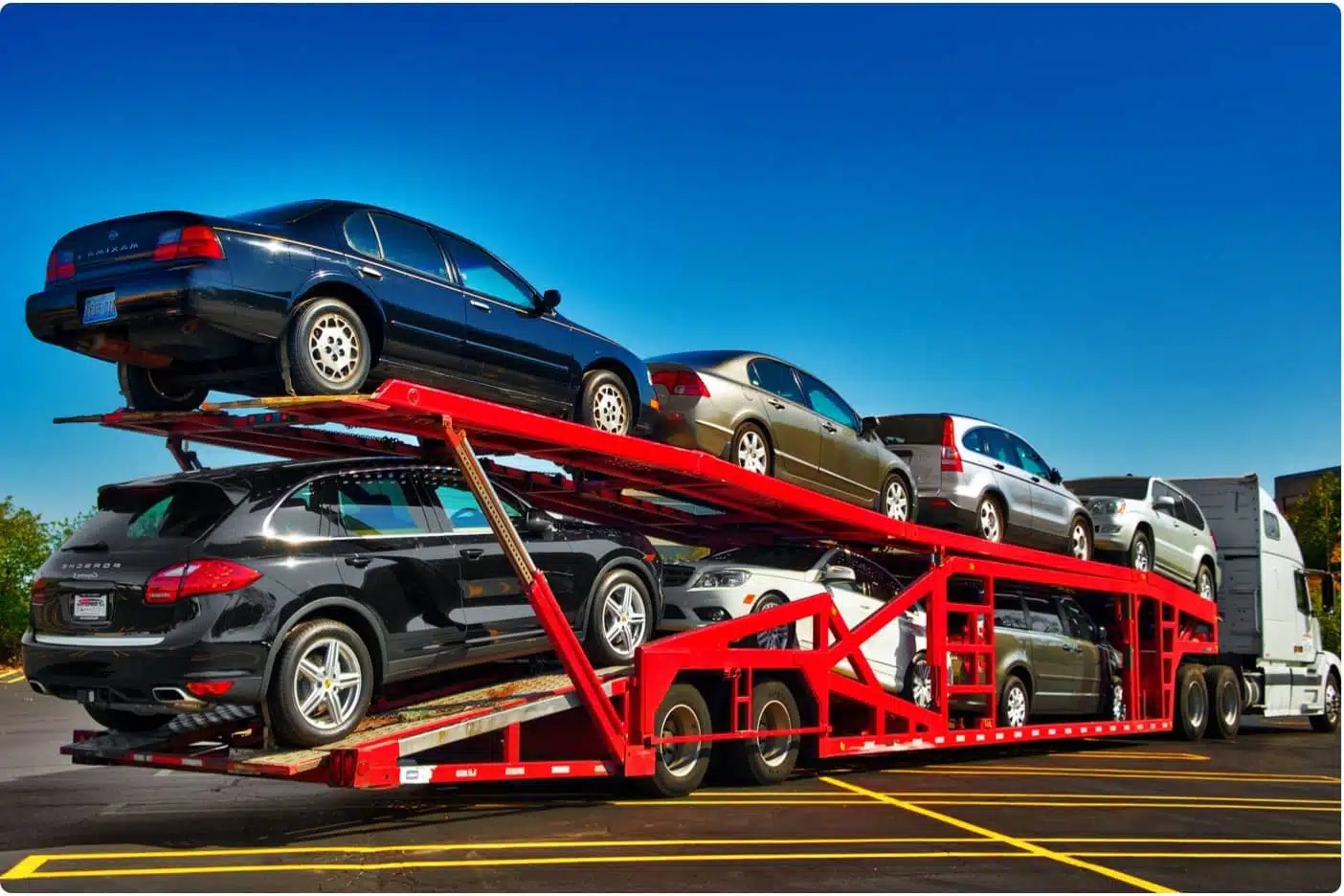
Prices of car transport services are not constant throughout the year. Seasonal demand primarily drives these price adjustments. Knowing the seasonal influences on car shipping rates can prepare both businesses and individuals to plan for better value and fewer surprises.

Seasonal Trends in Car Transport

There are realistic trends in car shipping every year. During certain months, the demand for vehicle transport increases, leading to a higher need for shipping services. During the summer, families often relocate, and it is the peak season for auto shipping. It is based on these seasons primarily that decide how much to ship a car from Florida to California. Furthermore, snowbirds usually move their cars south before winter and back north when the temperatures rise. The seasonal nature of these movements produces highs and lows of demand for transport costs throughout the region.

Impact of High Demand Periods

Carriers have more work on their hands when demand surges. When there are more requests for shipment than there are spots on trucks, prices increase. Consequently, those who are shipping cars in peak seasons tend to pay a higher price than during low-season periods. The higher the demand, the longer it takes for one carrier to fill up quickly. Scheduling shipments beforehand to stay clear of peak seasons could minimize the risk of bloated costs and ensure timely deliveries.

Winter Challenges and Pricing

If summer is the busiest time for car transporters, then winter is completely another game altogether. Carrier availability can be stretched further when inclement weather, frigid road conditions, and limited daylight hours slow transport operations. Some routes are becoming increasingly risky or impossible to transport on, and this creates a price adjustment to cover the increased risk and risk of delay. This means during these months, there are typically fewer carriers willing to move, and that will increase the overall costs for anyone who has to ship their vehicle. 

Summer Surges and Their Influence

Various events from the summer usually have the greatest demand for car shipping. Families move, college students move, and dealerships prepare for new inventory. This surge in demand leads to a higher volume of vehicles requiring transportation, creating a competitive market for carriers to reserve slots. As this becomes more common, demand for these services increases, rates go up, and available slots get filled up quickly. 

Regional Variations Due to Climate

Climate allows for seasonal demand to cause distinct impacts in different regions. As winter approaches, we see a surge in inquiries about car shipping services from residents in southern states who want to ship their cars north to avoid harsh conditions like snow and ice. In contrast, spring brings a comeback as things warm up, and many need a ride northward. This behavior creates temporary local shortages or oversupplies of availability, causing rates to rise and fall within a short time frame. 

Seasons Affecting Supply Chain Characteristics 

Seasonality impacts stable demand on the supply side. Carriers need to adapt their activities to the weather, street conditions, and customer requirements. As one example, hurricanes or snowstorms disrupt routes, resulting in route delays and short-term price spikes. Challenging seasons may also lead to increased costs for carriers on fuel, maintenance, or insurance. These additional expenses translate into higher costs, which, in the end, customers inevitably pay.

Economic Factors and Seasonal Pricing

The broader economy either magnifies or dampens the effects of seasonal pricing. Carrier costs may be higher during peak times due to inflation, fuel costs, and labor shortages. Combine these economic factors with strong seasonal demand, and car shipping prices can soar quickly. Conversely, weaker economic times might dampen demand, even in peak seasons, resulting in steadier prices. While seasonal signals help those planning to ship vehicles, they also need to watch broader economic signals.

Ways of Dealing With Price Seasonality

There are ways to preemptively mitigate the impact of seasonal demand on pricing, but it all comes down to early planning. Reserving one week or more ahead of peak periods is far more effective, allowing for the best rates and preferred scheduling for car transport. Being flexible with pickup and delivery dates could be helpful as well, as carriers sometimes offer lower rates for less busy days. Accessing many different quotes and understanding market dynamics provides shippers with a sense of fair market pricing. 

Conclusion

Auto transport rates are influenced by normal seasonal trends along with the broader economy. Understanding how these factors interact can help you and the organization. These few key strategies can get you the best rates any time of the year, even during peak season or high demand. However, with the right amount of planning ahead of time, you can easily overcome the seasonal price changes and ensure that the process of shipping your car happens without any hassle and at a great value for your money.


Implications of PayPal’s Stock Plunging 19% After Earnings

0

PayPal (PYPL) stock experienced a sharp decline of approximately 19% with reports of up to 20% at points on February 3, 2026, following the release of its Q4 2025 earnings report.

Key Reasons for the Drop

The sell-off was triggered by a combination of disappointing results and forward-looking concerns: PayPal reported adjusted EPS of $1.23 (missing consensus estimates of around $1.28–$1.29) and revenue of $8.68 billion below expectations of ~$8.77–$8.80 billion.

Growth was modest, with revenue up about 4% year-over-year, but key metrics like branded checkout (a core growth driver) showed significant slowdowns due to weaker U.S. retail spending, international headwinds, and execution issues.

The company provided a lackluster outlook, expecting full-year adjusted profit to range from a low-single-digit percentage decline to a slight increase—far below Wall Street’s prior consensus for around 8% growth. Transaction margin dollars were also projected to show a slight decline, with added investments creating headwinds.

PayPal announced the replacement of CEO Alex Chriss who had been in the role since late 2023 with Enrique Lores, the former CEO of HP Inc. effective March 1, 2026. Jamie Miller (current CFO/COO) served as interim CEO.

The board cited insufficient pace of change and execution, amplifying investor concerns about leadership stability and the ongoing turnaround efforts. This led to one of PayPal’s worst single-day drops in years, pushing the stock to its lowest levels since around 2017 in some reports.

Pre-drop levels hovered around the low-to-mid $50s. Post-drop close on February 3, 2026: around $41.70 down ~20%. As of early trading on February 4, 2026: trading in the low $41 range like ~$41.09–$41.59, with continued volatility and high volume over 140 million shares traded on the drop day.

The reaction reflects broader worries about PayPal’s growth trajectory amid competition in digital payments, macroeconomic softness, and challenges in revitalizing its core branded checkout business. Some analysts and investors view the sharp drop as potentially overdone given the company’s strong free cash flow generation, but near-term sentiment remains cautious.

PayPal’s branded checkout also known as PayPal Checkout or branded online checkout is the company’s core higher-margin business, where consumers pay directly with their PayPal account or linked methods like Venmo, PayPal Credit, or cards at merchant sites without redirecting to a separate PayPal page.

It emphasizes a seamless, secure, and personalized experience to boost conversion rates and merchant sales. Merchants integrate PayPal Checkout to keep shoppers on their site/app, reducing friction. It supports one-click or few-click payments, guest checkout via Fastlane by PayPal, dynamic presentation of payment methods (Smart Payment Buttons), and personalization.

PayPal claims significant uplifts—e.g., up to 62% higher conversion rates for integrated merchants in some reports, with features like one-click checkout reducing cart abandonment and increasing repeat purchases; studies show ~28.5% higher spending from registered users.

Despite representing ~30% of total payment volume (TPV), branded checkout drives the majority of transaction profits over 65% in some breakdowns, due to higher fees and margins compared to unbranded processing.

Consumer Pillars (from prior strategies): “Pay Everywhere” (availability across merchants/devices), “Pay Your Way” (flexible methods including BNPL), and “Get the Most Value” (rewards, security, ease).

Under former CEO Alex Chriss and now transitioning to Enrique Lores effective March 2026, PayPal doubled down on revitalizing branded checkout as the key to “profitable growth” amid competition from Apple Pay, Google Pay, Stripe, and others.

Initiatives included: Upgrading to a modernized checkout stack like cnew integrations, AI-driven personalization. Expanding omnichannel and agentic commerce (AI-powered shopping agents, partnerships like Microsoft Copilot Checkout for inventory surfacing and payments).

Merchant Prioritization

Focusing on high-impact merchants, top ~25% of volume with deeper integrations, upstream presentment (prominent buttons early in checkout), co-branded marketing, and BNPL messaging. Where fully implemented (latest checkout + strong presentment + incentives), merchants saw double-digit TPV growth, outpacing markets—giving management confidence in the “playbook.”

Current Challenges and 2026 Reset

Branded checkout has faced headwinds: Growth slowed sharply in late 2025—e.g., online branded TPV grew only 1% YoY (currency-neutral) in Q4 2025, down from 5% in Q3 and mid-single digits previously.

U.S. retail softness, international issues (e.g., Germany), vertical slowdowns (travel, gaming, crypto), merchant adoption delays (only partial rollout of new experiences after 15+ months), and competitive share loss to faster/cheaper alternatives.

This contributed to the weak Q4 earnings, disappointing 2026 guidance (slight profit decline to low-single-digit growth), and the CEO change, with the board citing insufficient execution pace.

2026 Priorities for Recovery

Interim CEO Jamie Miller now transitioning outlined a sharper execution focus: Frictionless Experiences: Accelerate biometric/passkey adoption targeting ~50% by year-end for faster, secure logins.

Merchant-Centric Actions: Realign teams for high-impact merchants, prioritize optimized integrations, upstream incentives, loyalty and rewards programs, and competitive placement.

Heavy spending on product enhancements, biometrics, consumer engagement, and agentic commerce to restore momentum—acknowledging short-term margin/earnings pressure. Near-term steps to rebuild, though no exact inflection timeline given; emphasis on execution discipline under new leadership.

Branded checkout remains PayPal’s “engine” for differentiation and profitability—separating it from pure processors—but its recovery hinges on faster deployment, macro improvement, and out-executing rivals in AI/personalized commerce.

Investors view the post-earnings drop as potentially overdone given strong cash flow elsewhere, but sentiment is cautious until execution proves out.

TikTok Growth: Strategies That Really Work Today

0

Scroll through TikTok today, and it feels like the world in fast motion. One clip is a cooking tutorial, the next is a product review, then a story that pulls you in for a whole minute. People open the app for answers, for entertainment, or simply to escape for a bit. That mix explains why TikTok is not fading. It keeps adapting to how people use it.

Marketers noticed the same thing. The platform is no longer only about trends and dances. It has become a search engine, a product shelf, and a stage for communities. That’s why so many brands are learning how to grow your brand on TikTok instead of treating it like a passing craze.

1. Know Why People Are Really There

Most users don’t log in thinking, “I need to watch ads.” They are looking for something else, often quick answers or honest reviews. TikTok has quietly become a place where people search before buying. Instead of typing into Google, they scroll through short videos and see what real people say.

This shift means growth is not only about making content that entertains. It’s about giving value in small, sharp moments. A 30-second clip can answer a question faster than an article. A short product demo can build more trust than a polished commercial. That’s the landscape where creators and brands find their audience.

2. Post With Rhythm, Not Randomness

Consistency always wins in the long run. TikTok’s algorithm notices when an account posts regularly. It’s not about posting ten times a day. It’s about showing up in a way your audience expects. Some creators choose daily, others prefer three times a week. What matters is the rhythm.

Think of it like watering a plant. Too much at once won’t help, but steady drops keep it alive. A posting routine trains both the algorithm and the audience. Followers begin to anticipate new content, and that small habit builds loyalty. Without rhythm, even the best videos can vanish in the feed.

A simple posting rhythm might look like this:

  1. Choose a schedule that feels realistic—daily, three times a week, or even weekly.
  2. Keep videos short enough to watch fully, but long enough to hold value.
  3. Align posting times with when your followers are most active.
  4. Mix formats: reels, duets, tutorials, or quick thoughts.
  5. Stick with it long enough to let patterns show in your analytics.

3. Use Data Like a Compass

Growth is never guesswork. TikTok shows metrics for a reason: watch time, shares, comments, and traffic sources. Those numbers tell a story. If one clip keeps people hooked for the full minute, pay attention to why. If another loses viewers in the first five seconds, that’s also a clue.

Data is not there to scare you. It’s more like a compass when you’re lost in the woods. Check it weekly, notice small patterns, and adapt. Growth doesn’t come from one viral hit; it comes from improving post by post. The best creators are students of their own content.

4. Create With Honesty, Not Perfection

This part feels personal. People are tired of endless polished feeds. A studio shot looks nice, but it doesn’t feel alive. Audiences want to see daily routines, messy kitchens, small wins and small failures. A shaky video that feels real often does better than a glossy ad.

That’s why accounts that share their daily lives, the commute, the coffee, the behind-the-scenes, tend to grow faster. Real life builds trust. It makes people feel closer to the person behind the screen. Growth comes when people stop scrolling and think, “I see myself in this.”

5. Engage as Much as You Post

Many creators forget that growth is two-way. TikTok rewards accounts that interact, not only those that upload. Replying to comments, stitching other videos, or simply thanking followers can keep the cycle alive. Engagement tells the algorithm, “this account is part of the conversation.”

It also tells followers that they matter. A quick reply can turn a random viewer into a loyal fan. A stitched video can spark collaboration. Growth is less about shouting into the void and more about joining a dialogue. TikTok makes that easy if you use the tools.

A Different Kind of Growth

The truth is, TikTok growth in 2025 is less about chasing trends and more about staying human. People come to the app for real answers, quick laughs, and honest voices. Brands that treat TikTok like a glossy commercial often fail. Creators who treat it like a place to connect, listen, and experiment keep rising.

It’s tempting to hope for instant fame, but the accounts that last are built differently. They balance rhythm with honesty, data with creativity, and posts with real engagement. Growth is slower, but it sticks. And maybe that’s what makes TikTok worth taking seriously today.

The World of Frictions. The World of Companies. Tekedia Mini-MBA Begins on Monday

0

The world has frictions in many ways and forms, including delays, inefficiencies, gaps, and unmet needs. And because those frictions exist, companies must exist. Across human history, no institution has been more effective at fixing market frictions than the COMPANY. When friction disappears, business disappears. Opportunity is born from resistance within those frictions.

The World of Frictions. The World of Companies.

Every company, at its core, is built on three elements: people, processes, and tools. From the interaction of these three, products and services emerge, designed specifically to reduce frictions for customers. When a firm succeeds, it is because it has aligned these elements better than others to solve a real problem (the friction).

So, the real question is not whether to build companies, but “how do you build better companies?”

At Tekedia Institute, we see frictions not as obstacles but as invitations to participate in the market system. You do not run away from market frictions; you study them, quantify them, and convert them into scalable opportunities. A world without friction would be a world without enterprises!

To help to build better companies, we have Tekedia Mini-MBA to help people master how to start, build, and scale companies. We teach the mechanics of markets, the physics of value creation, and the mathematics of growth.

On Monday, the 19th edition of Tekedia Mini-MBA begins.  Join us here

The Digital Creative Revolution: Bridging the Gap Between Motion and Design

0

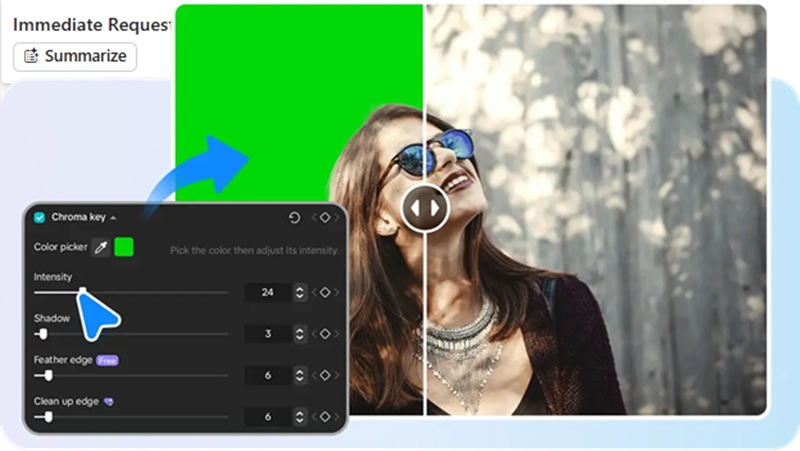
free video editing software has fundamentally reshaped the landscape of digital storytelling, turning what was once a highly specialized craft into a universal language of expression. In the early days of the internet, creating a high-quality video required an immense investment in hardware, expensive licensing fees for professional suites, and months of technical training. Today, that barrier has vanished. The rise of sophisticated, accessible tools has empowered a new generation of creators—ranging from independent filmmakers and corporate marketers to social media influencers—to produce cinematic content from virtually anywhere.

The impact of this democratization is most visible in the sheer volume and quality of content we consume daily. On platforms like YouTube, TikTok, and LinkedIn, visual quality is no longer just a luxury; it is a prerequisite for engagement. Audiences have become accustomed to high-definition visuals, seamless transitions, and professional-grade audio. To meet these expectations, creators are turning to robust desktop solutions that offer more than just basic trimming features. They seek advanced capabilities like keyframe animation, multi-track editing, AI-driven background removal, and complex color grading tools that allow them to give their footage a distinct “film-like” look.

The workflow of a modern creator, however, is rarely limited to moving pictures. There is a profound synergy between video production and graphic design. A compelling video often begins with a striking thumbnail or requires high-resolution overlays, title cards, and promotional graphics to convey a cohesive brand message. This is where the integration of photo editing becomes vital. When an editor can seamlessly transition between manipulating a video timeline and refining a static visual asset, the creative output becomes much more professional and consistent. This holistic approach to content creation ensures that the branding remains tight and the visual narrative is uninterrupted across different formats.

Efficiency is the heartbeat of modern creative work. As the demand for content increases, the time available for post-production decreases. Modern software addresses this challenge by incorporating artificial intelligence to handle repetitive and time-consuming tasks. AI can now automate the captioning of videos, perform smart scene detection, and even suggest the best musical beats for transitions. This allows the human editor to step back from the “grunt work” and focus on the high-level creative decisions—the pacing, the emotional resonance, and the narrative flow that truly connect with an audience.

Furthermore, the shift toward cross-platform compatibility has changed how we work. A creator might capture high-quality 4K footage on a smartphone but require the precision and processing power of a desktop application for the final polish. The ability to work across devices—syncing assets through the cloud—ensures that the creative process is never stalled by hardware limitations. This flexibility is especially important for the growing number of remote professionals and “digital nomads” who need to maintain a high standard of production while on the move.

The educational sector has also been a major beneficiary of these advancements. Teachers are moving away from static slides and embracing video as a primary teaching tool. By creating engaging, visual-first lessons, they can increase student retention and make complex topics more digestible. Similarly, students are using these tools to build impressive digital portfolios, preparing themselves for a job market that increasingly values “creative literacy” alongside traditional academic skills.

Beyond professional use, the personal value of these tools cannot be overlooked. People are using digital editing to preserve family histories, turning raw clips of vacations and milestones into cherished legacy projects. The ability to enhance the lighting of a dim shot or clear up the audio of a distant voice ensures that these memories are kept in the best possible quality for future generations. It turns every user into a historian of their own life, equipped with the tools to tell their story with clarity and beauty.

As we look toward the future, the boundaries between different digital disciplines will continue to blur. We are moving toward a reality where “content creation” is a unified field, combining video, audio, design, and interactive elements into a single creative pipeline. The tools that succeed in this new era will be those that prioritize user experience without sacrificing power—making professional-grade results accessible to anyone with an idea and the drive to share it.

In this fast-evolving digital world, the goal remains the same: to capture attention and deliver a message that sticks. Whether you are launching a global ad campaign or simply sharing a creative hobby, the tools you choose are the foundation of your success. By combining powerful motion tools with high-quality static graphics, you ensure your message is not just heard, but remembered. For those looking to elevate their visual presence with perfectly retouched assets and professional thumbnails, it is essential to explore high-quality pictures of editor.