DD
MM
YYYY

PAGES

DD
MM
YYYY

spot_img

PAGES

Home Blog Page 3014

Intel Faces Shareholder Lawsuit Amid Massive Stock Drop and Company Restructuring

0
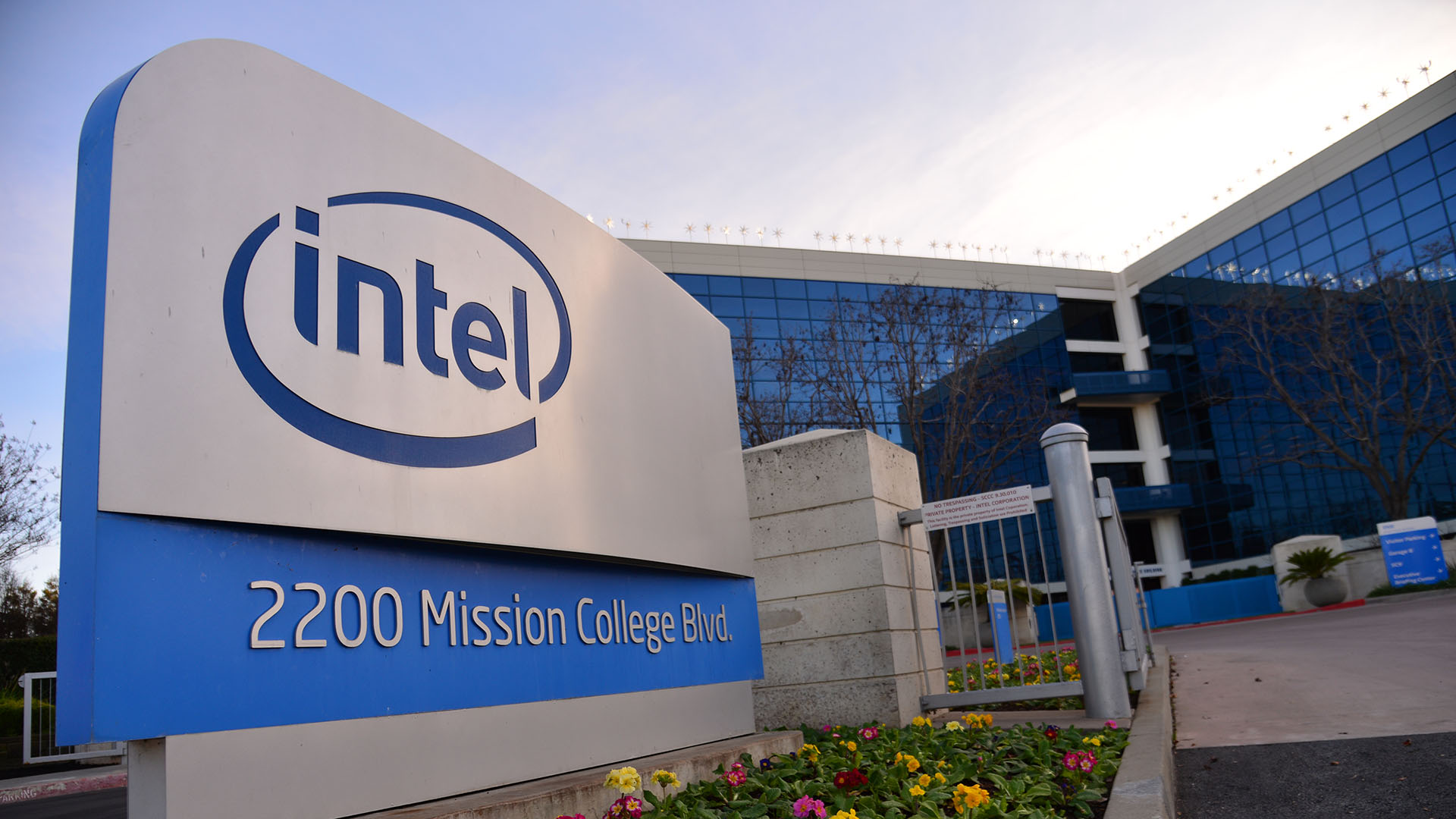
The Robert Noyce Building in Santa Clara, California, is the world headquarters for Intel Corporation. This photo is from Jan. 23, 2019. (Credit: Walden Kirsch/Intel Corporation)

Intel Corporation, the Silicon Valley giant known for its semiconductor innovations, is embroiled in legal trouble following a sharp decline in its market value.

On Wednesday, the company was sued by a group of shareholders who accused Intel of fraudulently concealing significant issues that led to disappointing financial results, massive job cuts, and the suspension of its dividend.

The lawsuit was filed in the U.S. District Court for the Northern District of California.

The shareholders allege that Intel, along with CEO Patrick Gelsinger and CFO David Zinsner, made materially false or misleading statements about the company’s foundry business—a segment where Intel manufactures chips on contract for other companies.

According to the lawsuit, Intel’s leadership falsely inflated the company’s stock price by concealing the true state of its foundry operations, which were reportedly “floundering” and costing the company billions of dollars more than anticipated, even as revenues declined.

The legal filing claims that Intel’s misrepresentations persisted from January 25, 2024, until August 1, 2024. Shareholders were “blindsided” when the company disclosed on August 1 that its foundry business was underperforming, resulting in significant financial strain.

This revelation, coupled with Intel’s announcement of a $1.61 billion net loss for the second quarter and a 1% drop in revenue to $12.83 billion, triggered a dramatic 26% drop in the company’s share price, which plummeted to $21.48 on August 2.

Intel’s Financial and Operational Struggles

In the wake of these revelations, Intel’s stock has continued to suffer, with shares closing at $18.99 on Wednesday, representing a 34.6% decline since the August 1 announcement. The company’s market value has reportedly decreased by more than $32 billion in just one day, highlighting the severe impact of the financial disclosures.

Intel also announced a series of drastic measures aimed at restructuring the company and addressing its financial woes. These measures include laying off more than 15% of its workforce, amounting to over 15,000 jobs, and suspending its dividend starting in the fourth quarter of 2024. These cost-cutting efforts are part of a broader plan to save $10 billion by 2025.

The lawsuit comes at a time when Intel is facing intense competition from rival chipmakers such as Advanced Micro Devices (AMD), Nvidia, Samsung Electronics, and Taiwan Semiconductor Manufacturing Company (TSMC). These companies have been capitalizing on the growing demand for artificial intelligence (AI) technologies, a sector in which Intel has struggled to establish a strong foothold.

The case, titled Construction Laborers Pension Trust of Greater St. Louis v Intel Corp, reflects growing investor frustration with Intel’s performance and transparency. The lawsuit is seeking class-action status, which could potentially involve a large number of shareholders who suffered financial losses due to the company’s alleged misrepresentations.

As Intel faces this legal challenge, the company is also under pressure to turn around its struggling operations and regain investor confidence. Intel has not yet commented on the lawsuit, but the case is likely going to draw significant attention as it progresses through the courts, bearing further impact on the company’s shares.


Coinbase Q2 2024 Earnings: Key Highlights and Developments

0

On August 1, 2024, Coinbase, an American public traded company that operates a cryptocurrency exchange platform, released its financial results for the second quarter (Q2) of 2024, after it reported $1.4 billion in total revenue, beating estimates.

The second quarter report, showcased Coinbase ongoing efforts to navigate the complex regulatory landscape while driving innovation in the cryptocurrency space.

Here are the key highlights and developments from the report:

Regulatory Progress: Coinbase made significant strides in achieving regulatory clarity, a critical factor for the growth of the crypto industry. A notable development was the passage of the Financial & Innovation Technology Act for the 21st Century (FIT21), which gained bipartisan support in the U.S. Congress. This legislation clearly defined the roles of the Commodity Futures Trading Commission (CFTC) and the Securities and Exchange Commission (SEC) in regulating digital assets, providing much-needed regulatory transparency.

Stand With Crypto Campaign: Coinbase’s “Stand With Crypto” campaign saw over 1.3 million crypto advocates join this grassroots initiative. The campaign played a significant role in influencing political support for crypto regulation, becoming a recognized voting block in key battleground states and garnering bipartisan recognition.

Global Compliance: On the global front, Coinbase’s USD Coin (USDC) achieved compliance with the European Union’s Markets in Crypto-Assets (MiCA) regulatory framework. This milestone marks a significant step in expanding compliant access to USD-backed stablecoins in Europe, reinforcing Coinbase’s commitment to regulatory compliance on a global scale.

Product and Service Innovations

Base Layer 2 Solution: Coinbase’s Layer 2 solution, Base, demonstrated remarkable growth with a 300% quarter-over-quarter (Q/Q) increase in transactions. Base now processes transactions at sub-1 cent fees and faster speeds, making it the leading Layer 2 solution in terms of contracts deployed and transactions processed, even surpassing Ethereum’s transaction numbers.

Smart Wallets: The launch of Coinbase’s smart wallets aims to simplify on-chain transactions by reducing setup friction, eliminating network fees, and removing the need for recovery phrases. These wallets offer multi-chain integration and seamless integration with major applications, enhancing user experience and driving broader crypto adoption.

Partnership with Stripe: Coinbase’s partnership with Stripe is geared towards expanding USDC’s global adoption. This collaboration facilitates faster and cheaper transfers to over 150 countries, along with quick fiat-to-crypto conversions. Stripe’s integration of USDC into its payment infrastructure leverages its extensive network, significantly boosting USDC’s reach and utility.

Expansions in Trading and Financial Markets

Trading Platform Enhancements: Coinbase introduced updates to its Simple and Advanced trading platforms, which have increased user engagement. These updates include new order types, price alert notifications, and added derivatives functionality. Despite slower trading volumes in Q2, Coinbase One, a premium subscription product, showed promising user retention, driven by enhanced USDC rewards.

Coinbase Financial Markets (CFM): CFM expanded its futures trading offerings, introducing new contracts for Dogecoin, Bitcoin Cash, and Litecoin. Additionally, it rolled out up to 20x leverage on commodity futures and 5x leverage on crypto futures, aiming to make futures trading more accessible to a broader range of traders in the U.S.

Coinbase Prime: Coinbase Prime solidified its position as the primary custodian for BTC and ETH ETF products by securing custodial mandates with 8 of 9 ETH ETFs. The SEC’s approval of ETH ETFs in May 2024 confirmed that ETH is not a security, providing further regulatory clarity and attracting institutional capital to the platform.

Financial Performance

While the Q2 2024 financial performance highlighted some challenges, including slower trading volumes, Coinbase’s strategic moves in regulatory advocacy, product innovation, and global compliance underscore its commitment to long-term growth and stability in the rapidly evolving crypto market.

These developments position Coinbase as a key player in the crypto industry, navigating the complexities of regulatory frameworks while driving innovation to meet the needs of a growing global user base.

IPMAN Announces Port Harcourt Refinery’s Readiness to Meet August Deadline, As Senate Decries $1.5bn Investment

0

The Independent Petroleum Marketers Association of Nigeria (IPMAN) has announced that the Port Harcourt Refinery is on track to meet its August 2024 deadline for the production of petroleum products. This development is expected to significantly enhance the country’s fuel supply, with the refinery expected to deliver between 10 to 12 million liters of petrol daily to marketers.

In an interview with Channels TV on Thursday, IPMAN’s National Operations Controller, Zarma Mustapha, expressed optimism about the refinery’s ability to meet the deadline and its potential impact on the country’s energy supply.

He stated, “I am confident and optimistic that this August deadline is going to be a realistic deadline. It will come on stream and fully produce all the necessary components that the refinery is supposed to produce.”

Mustapha explained that the Port Harcourt Refinery will operate independently, with minimal government interference, allowing it to sell petrol at prevailing market prices. This approach marks a departure from past practices, where government-owned refineries were heavily subsidized and operated under stringent state control.

He noted, “The refinery is going to perform independently and sell at whatever prevailing market price for them to recover their cost.”

This independence is crucial, given the $1.5 billion loan the refinery secured in 2021 for its maintenance. The loan, obtained from an African financial institution, is expected to be repaid from the refinery’s earnings.

“The $1.5 billion is a loan they took from one of these African financial institutions. They took the loan with the promise of paying back with whatever they recoup from the earnings of the refinery,” Mustapha added.

Impact on Petrol Prices

While the resumption of operations at the Port Harcourt Refinery is expected to boost fuel supply, Mustapha explained that any potential reduction in petrol prices would depend on the refinery’s operational costs and market conditions. Since the refinery will be purchasing crude oil at international prices, it will need to set prices that ensure it can cover both operational costs and loan repayments.

“It depends on how much they are willing to sell. How much did they get the crude? Because they’re buying the crude at an international price too. They have to pay back the loan they took also,” he said.

Nigerian Refineries Long Story

Nigeria, despite being a major oil producer, has struggled with refining its crude oil domestically. The country’s four state-owned refineries—located in Port Harcourt, Kaduna, and Warri—have been largely non-functional, forcing Nigeria to rely heavily on imported refined petroleum products. This reliance has had severe economic consequences, including a significant strain on foreign exchange reserves and high consumer fuel costs.

The Port Harcourt Refinery’s planned resumption of operations is part of a broader government effort to revitalize the nation’s refining capacity and reduce dependence on imports. The Nigerian National Petroleum Company (NNPC) Limited, under the leadership of Mele Kyari, has assured the public that the refinery will begin operations this August, with the remaining refineries in Kaduna and Warri expected to follow in the second half of 2025.

However, skepticism surrounds these projections, as previous deadlines for the resumption of refinery operations have not been met. This skepticism was recently echoed by the Nigerian Senate, which raised concerns about the effectiveness of the $1.5 billion approved in 2021 for the turnaround maintenance of the Port Harcourt Refinery.

During an interactive session with stakeholders, Senator Opeyemi Bamidele, Chairman of the Senate Ad Hoc Committee to Investigate Alleged Economic Sabotage in the Nigerian Petroleum Industry, criticized the lack of tangible results from the investment.

Bamidele, who also serves as the Senate Leader, stated, “It is unfair and improper to neglect public companies while private businesses continued to flourish and thrive.”

The concerns raised by the Senate echo public sentiment toward Nigeria’s refineries. While the Port Harcourt Refinery’s potential return to operations is a promising development, energy experts say the government and NNPC will need to demonstrate tangible results to restore confidence in their ability to manage and revitalize the country’s refining capacity.

CBN Reports $25.4 billion in FX Flows and Capital Importation in H1 2024

0

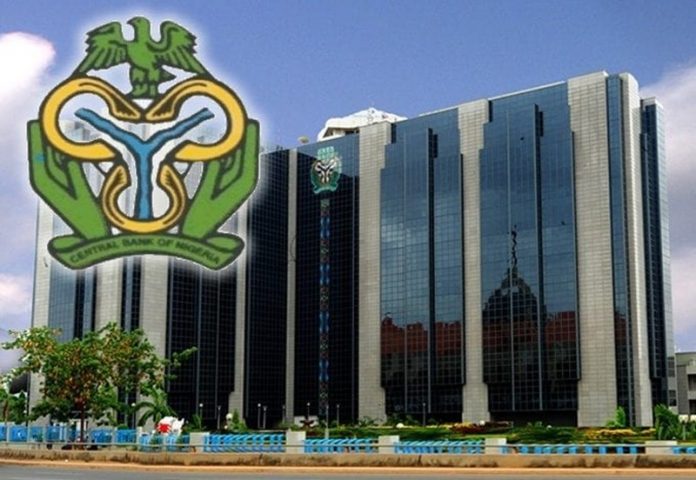
The Central Bank of Nigeria (CBN) has announced a significant increase in net foreign exchange flows, which rose to $25.4 billion between January and June 2024, representing a 55% year-over-year surge.

This remarkable growth is attributed to heightened capital importation and record-breaking diaspora remittances, signaling the effectiveness of recent policy measures implemented by the apex bank.

In a statement released on Wednesday, the CBN said that these positive developments are boosting market confidence and contributing to the stabilization of the Nigerian economy.

“The CBN’s policy objectives are yielding tangible results and bolstering market confidence. Net foreign exchange flows rose to $25.4 billion between January and June, marking a 55% year-over-year increase. This growth has been driven by a rise in capital importation, which reached $6 billion in June 2024, and record inflows from diaspora remittances through formal channels,” the statement read.

As part of its ongoing efforts to enhance liquidity in the foreign exchange market, the CBN revealed that it has sold over $305 million to authorized dealers in the past three weeks through a two-way quote system. This system, which has been in place for several months, is designed to ensure a steady flow of foreign exchange in the interbank market, thus promoting a more transparent and efficient market environment.

Additionally, the CBN reported that it offered $876 million to meet bids submitted by customers during an auction concluded on Wednesday, August 7, 2024. This auction was conducted through the Retail Dutch Auction System (RDAS), a mechanism that facilitates direct FX sales to end users. The RDAS approach aims to reduce information asymmetry, support price discovery, and promote a more transparent market.

“In the latest testament to the Central Bank of Nigeria’s (CBN) ongoing commitment to support the proper functioning of the foreign exchange market by enhancing liquidity when necessary, the apex bank offered $876m to fulfill bids submitted by customers at an auction concluded on Wednesday, August 7, 2024,” the statement noted.

The apex bank reiterated its pledge to provide transparent access to foreign exchange for all legitimate customers.

CBN’s Limited Role in FX Turnover

The CBN also disclosed that its contribution to the $43 billion foreign exchange turnover recorded in the official market as of July 2024 was less than 5%. This statistic underscores the growing robustness and diversification of liquidity sources within the FX market, which has contributed to the sustained convergence of exchange rates across all market segments.

“The foreign exchange market is also showing signs of improvement and increased depth, with more robust and diversified sources of liquidity contributing to the sustained convergence of exchange rates across all segments of the market,” the statement added.

The CBN’s policy measures, particularly those targeting the foreign exchange market, are increasingly seen as critical to Nigeria’s economic recovery and stability. The central bank has been working to create a transparent, market-driven FX environment, a goal that it believes is crucial for fostering confidence among market participants and ensuring the overall stability of the Nigerian economy.

The recent auction, where $876.26 million was sold at N1,495/$1 to 26 qualified banks, is the largest FX auction since Yemi Cardoso took over as the CBN governor. According to Dr. Omolara Omotunde Duke, Director of the Financial Markets Department, the auction aimed to reduce demand pressure in the FX market and promote price discovery.

While the total bid received was $1.18 billion from 32 dealer banks, the CBN supplied only about 75% of this amount, with some bids disqualified due to non-compliance with deadlines or incorrect submissions.

The CBN said it remains committed to supporting a stable and transparent foreign exchange market. This is notable in its continuous adjustment of its policies and interventions. The apex bank aims to sustain the positive momentum in foreign exchange flows, enhance market liquidity, and ensure that the needs of all legitimate FX market participants are met.

This ongoing effort is expected to further bolster market confidence and support the overall stability of the Nigerian economy as it navigates the challenges posed by global economic uncertainties and domestic economic pressures.

RCO Finance’s (RCOF) Crypto AI Tool Robo Advisor Helps Traders Navigate the Bitcoin Crash with Ease

0

Remarkably, RCO Finance is reviving the hopes of many investors who are frustrated by the current decline in Bitcoin and the broader crypto market. With its first-ever AI-powered Robo Advisor, the DeFi trading platform offers anyone affected by the bearish market the opportunity to offset their losses and earn remarkably.

Let’s dive in to learn how to seize this incredible chance to earn substantially.

RCO Finance’s AI Tool Dominates Crypto Market

Cryptocurrency trading can be daunting, especially during times of market volatility, even for seasoned traders. However, RCO Finance (RCOF) is revolutionizing the market with its cutting-edge Robo-Advisor, a pioneering tool in the cryptocurrency industry.

The AI-powered investing tool is widely regarded as one of the top solutions for navigating the volatile cryptocurrency market, particularly in the aftermath of the Bitcoin crash. This is largely due to the tool’s real-time market insights and automated trading capabilities.

The Robo Advisor builds personalized trading strategies based on each user’s financial goals and risk tolerance. By continuously monitoring historical price data, live market movements, emerging trends, and news events, the Robo Advisor can make real-time adjustments to the trading strategies to maximize profit potential.

This adaptive approach allows the Robo Advisor to navigate the highly volatile crypto trading environment efficiently, providing users with a stable advantage. The revolutionary trading tool also offers timely alerts, informing users when to buy assets or reduce their leverage positions.

RCO Finance has partnered with SolidProof, a leading security firm, to conduct regular and comprehensive audits of the AI-powered trading platform’s smart contracts to bolster its security and safeguard investors’ assets during the trading process.

RCO Finance: Empowering Traders with Unlimited Choices

With its extensive feature set and dedication to openness and accessibility, RCO Finance distinguishes itself from other AI-based trading platforms. In contrast to rivals, RCO Finance provides a completely decentralized trading platform, eliminating middlemen and cutting customers’ expenses. 

Boasting an extensive asset pool comprising over 120,000 tradable assets spanning 12,500 asset classes globally, the platform’s Robo Advisor presents crypto traders with unparalleled diversification prospects. Moreover, users can easily convert their cryptocurrencies into stocks, bonds, and other real-world assets without an initial conversion to fiat currency.

RCO Finance (RCOF) prioritizes accessibility by integrating Robo Advisor into its user-friendly trading platform. This ensures that even novice traders can effortlessly navigate the system and leverage sophisticated trading strategies previously exclusive to seasoned traders, all while preserving investor autonomy.

Furthermore, using the Robo Advisor on the RCO Finance platform does not require KYC (Know Your Customer) procedures, allowing traders to maintain anonymity while adhering to regulatory standards. The platform also supports cross-trading between digital and real-world assets, with high leverage options of up to 1000x. 

Don’t Miss Out On RCOF’s Presale!!

Right now, RCO Finance is in the second round of its presale, providing investors with a rare chance to participate early.  It is imperative to act quickly since the present price of $0.0344 per RCOF is expected to climb to a token value of $0.0559 in Stage 3.

The value of RCOF is on an upward trajectory, further propelled by implementing a burn system that destroys 50% of tokens acquired through the buyback initiative. This strategic move has market analysts forecasting a monumental surge of over 1000% upon RCOF’s official debut on various exchanges.

Moreover, RCO Finance boasts a tiered benefit structure, offering users dividends of up to 6% on holdings of $250,000 and 1% on $50,000 investments. This decentralized model empowers every investor to partake in platform governance and reap the rewards of its expansion.

Don’t hesitate any longer; seize the opportunity to recoup your crypto losses by investing in RCOF today!


For more information about the RCO Finance Presale:

Visit RCO Finance Presale

Join The RCO Finance Community