DD
MM
YYYY

PAGES

DD
MM
YYYY

spot_img

PAGES

Home Blog Page 3016

NNPC Urges Dangote Refinery to Secure Its Own Feedstock Amid Economic Sabotage Allegations

0

In his address to the Senate Ad-Hoc Committee investigating alleged economic sabotage in Nigeria’s petroleum industry, Mele Kyari, the Group Chief Executive Officer of the Nigerian National Petroleum Company (NNPC) Limited, emphasized the importance of self-sufficiency in the refining business – urging Dangote Refinery to secure its own feedstock.

Speaking at the National Assembly, Kyari clarified NNPC’s stance and operational principles, asserting that the company has adhered to all legal guidelines and should not be implicated in claims of economic sabotage.

Kyari outlined the fundamental principles of the refining business, stating, “Refining business is a straightforward business. You must secure (a source for) your feedstock and you must find a market.”

This statement, directed at the Dangote Refinery, underlines the rule for refineries to independently secure their crude oil supply and establish a market for their products.

Kyari stressed that NNPC has not engaged in any actions to undermine domestic refineries. “We have done nothing to sabotage any domestic refinery,” he asserted, reinforcing that the law mandates a willing buyer and a willing seller in domestic crude oil supply obligations.

Background: Dangote Refinery’s Faceoff with NMDPRA

The backdrop to these statements includes recent revelations by Aliko Dangote, Chairman of the Dangote Group, who disclosed that international oil companies in Nigeria were reluctant to supply crude oil to the Dangote Refinery. These companies prefer to export crude oil for foreign exchange earnings, posing a challenge to the refinery’s operations.

Dangote also alleged that some people in the NNPC have blending plants in Malta, and are importing substandard petrol into Nigeria.

The allegation created tension between Dangote Refinery and the NNPC, resulting in an uproar from the Nigerian public.

The tension between Dangote Refinery and the NNPC is part of a larger backdrop of disputes involving the Nigerian Midstream and Downstream Petroleum Regulatory Authority (NMDPRA). This faceoff escalated last month when Dangote Refinery accused the NMDPRA of obstructing the refinery’s operations.

In response, the NMDPRA accused the Dangote Group of refining substandard oil products. This back-and-forth escalated into a public spat, with both sides exchanging accusations of sabotage and regulatory non-compliance.

Addressing the Allegations

Responding to allegations of economic sabotage and the importation of sub-standard products, Kyari categorically denied NNPC’s involvement. He clarified that regulatory agencies are responsible for ensuring the quality of imported products, and NNPC complies with these regulations.

Kyari also supported calls for live broadcasts of the Committee’s sessions to ensure transparency and prevent misinformation, pledging full cooperation with the investigation.

He highlighted significant challenges facing Nigeria’s petroleum sector, including crude oil theft, pipeline vandalism, and insufficient investment in the upstream sector. Despite these challenges, he noted that Nigeria possesses the infrastructure to produce two million barrels of crude oil per day. However, the NNPC boss acknowledged that addressing these issues is crucial for maximizing the sector’s potential and ensuring the stability and growth of Nigeria’s economy.

Economic Sabotage: Count Us Out

Kyari firmly stated that NNPC has not breached any enabling laws guiding its dealings with partners and, hence should be excluded from any claims of economic sabotage. He reiterated the basic principles of the refining business, underscoring the importance of securing a feedstock source and finding a market, which applies universally to any refinery.

On the alleged importation of sub-standard products into the country, Kyari said the NNPC Limited has nothing to do with that, as the relevant regulatory agencies would not allow any sub-standard product into the country by law.

He affirmed NNPC Limited’s loyalty and commitment to Nigeria, asserting that the company remains in line with the provisions of the Petroleum Industry Act (PIA), the Company & Allied Matters Act (CAMA), and other enabling laws and regulations governing the nation’s energy industry.

“We are faithful, loyal, and committed to the progress and development of this country. It is our duty to protect the overall interest of this great nation. We are not in breach of any rules,” he affirmed, emphasizing NNPC’s role in ensuring the stability and growth of Nigeria’s petroleum industry.

Sendsprint Expands Remittance Services in U.S With Acquisition of Nobel Financial

0
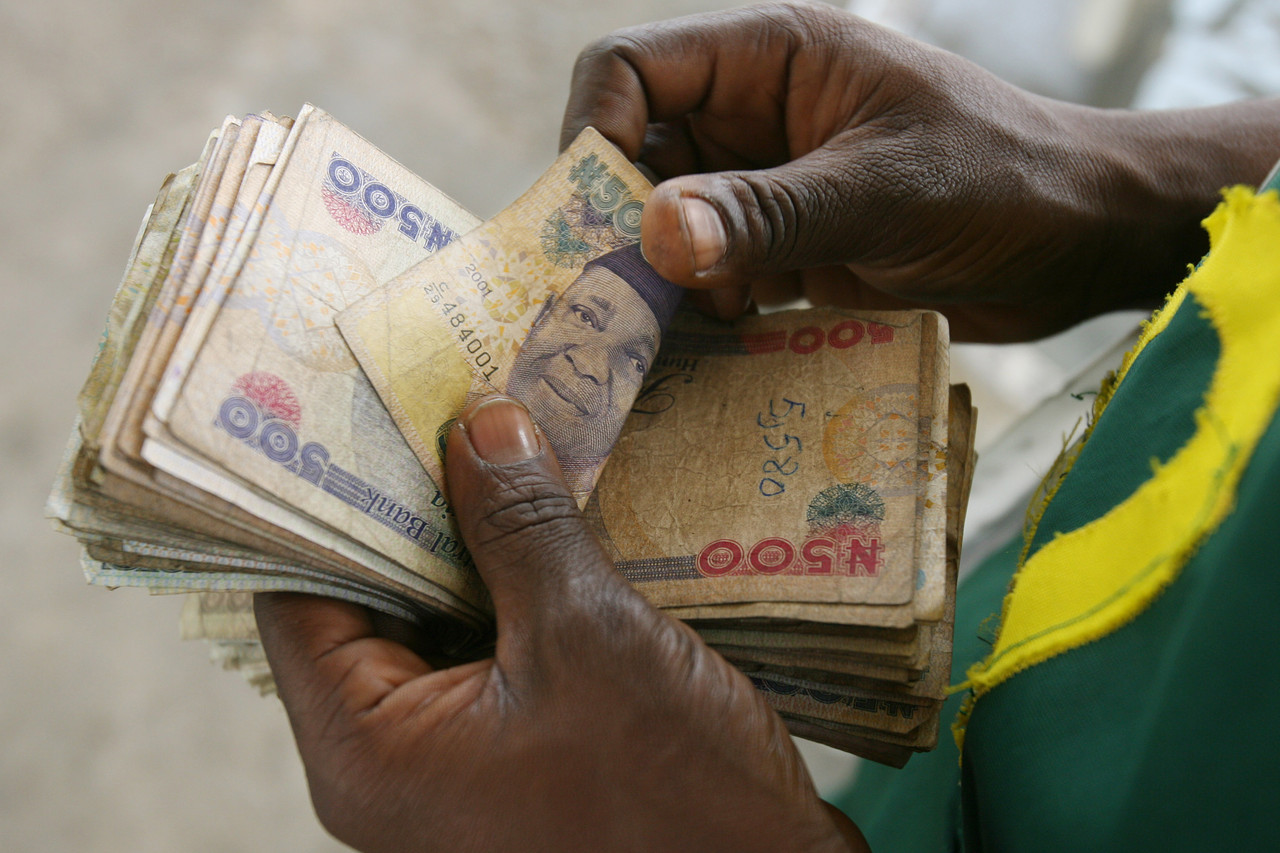
Fund, money cash dollar

SendSprint, an international payment and remittance startup transfer in the UK with operations in Nigeria, has announced the acquisition of Nobel Financial Inc., a US-based global remittance service provider, to drive its expansion into the United States. 

Founded in 2014, Nobel Financial Inc. offers international remittance services from the USA to over 32 countries across Africa, Latin America, Asia, and the Middle East. As well as money, the company also enables users to send in-kind gifts such as bags of rice and other gifts to recipients in Africa. Over the last 10 years, Nobel Financial has helped more than a million customers to transfer funds to recipients all over the world.

With this acquisition, Spendsprint is now able to support money transfers and gifting from customers in 16 US states, including New Jersey, Maryland, Georgia, and more, to recipients in Nigeria, Ghana, Kenya, and other African countries. 

What the acquisition of Nobel Financial mean for users in the US

  • Fast, secure, and low-cost transfers into Africa. 
  • Users can send gifts from over 3,000 retailers operating in Africa including big names like Shoprite, Dapper Monkey, Jumia, and Cake City to loved ones back home.
  • Simplified user experience
  • Exclusive deals and rewards
  • No wallet deposit required

Commenting on Spendsprint expansion to the United States, the company CEO Damisi Busari said,

“The US presents a massive opportunity for us as a company and we are excited to bring our unique blend of people-focused technology solutions and nuanced understanding of Africans in the US market to make this expansion into the US a remarkable success”.

The acquisition of Nobel Financial brings onboard the company’s Chief Compliance Officer, Scott McClain, who will join Sendsprint as Chief Compliance Officer. McClain’s 20 years of experience in the US regulatory environment will be instrumental in ensuring compliance as operations are expanding across more states in the market.

Sendsprint officially launched in July 2022 with a focus on the UK, where it targeted 1.7 million Africans in the diaspora. The payment platform offered a $5 flat transfer fee, as it set out as a cost-effective alternative to traditional remittance services. It operates in the competitive remittance market with established players like Western Union and MoneyGram and new entrants like LemFi and Leatherback. 

Since its launch, the startup has partnered with over 3,000 retailers operating in Africa including big companies such as Shoprite, Dapper Monkey, Jumia, and Cake City to make it possible for users to send gift cards to recipients in Africa. 

Sendsprint is on a mission to make the diaspora experience of every African personalized, seamless, and convenient. The startup is achieving this by leveraging technology, banking, and partnerships to improve the customer experience of global remittance.

Nigeria’s New Playbook On Import Duties, Tax Breaks on Hiring, Looks Promising

0

Very pragmatic move by the government: “The Federal Government of Nigeria has unveiled an ambitious plan that includes tax breaks for companies increasing their workforce and the suspension of import duties on certain goods. These initiatives are part of the forthcoming Inflation Reduction Act, set to be signed by President Bola Tinubu in the coming weeks, as announced by the Minister of Finance and Coordinating Minister of the Economy, Mr. Wale Edun.”

The federal government is looking to bolster employment by offering outright tax breaks to companies that hire more staff. In an exclusive interview on AIT’s Money Line, Mr. Edun emphasized the importance of these fiscal incentives to reduce production costs, which have been driven up by the weakened exchange rate and recent policy changes.

He stated, “The Inflation Reduction Act will contain a range of import duties, exemptions, lowering of tariffs, and outright tax breaks for employment. If you employ more people, you will be given a tax break against it. A range of fiscal incentives will be laid out in an executive order which Mr. President will sign in due course.”

Yes, suspend import duties on equipment and machinery, and make it easier for companies to bring those things into Nigeria. As I have noted, Nigeria’s challenge is not that we import. The issue is that we import the wrong things: “As I have noted, in 2022, South Korea’s total imports were $808.09 billion while Nigeria did about $60.35 billion for goods; South Korea is about 25% of Nigeria’s population. But if you check, South Korea imports were largely machinery, equipment, etc for production, while Nigeria’s were for finished goods. “

This playbook is promising because the escape from inflation is by increasing SUPPLY, not just increasing interest rate, as we have been doing, via the apex bank. This new playbook provides new ways of looking at the challenge. I also like the construct of incentivizing hiring people. The next challenge is EXECUTION.

Nigeria to Grant Tax Breaks to Companies Increasing Workforce – Finance Minister

Nigeria to Grant Tax Breaks to Companies Increasing Workforce – Finance Minister

0

The Federal Government of Nigeria has unveiled an ambitious plan that includes tax breaks for companies increasing their workforce and the suspension of import duties on certain goods.

These initiatives are part of the forthcoming Inflation Reduction Act, set to be signed by President Bola Tinubu in the coming weeks, as announced by the Minister of Finance and Coordinating Minister of the Economy, Mr. Wale Edun.

The federal government is looking to bolster employment by offering outright tax breaks to companies that hire more staff. In an exclusive interview on AIT’s Money Line, Mr. Edun emphasized the importance of these fiscal incentives to reduce production costs, which have been driven up by the weakened exchange rate and recent policy changes.

He stated, “The Inflation Reduction Act will contain a range of import duties, exemptions, lowering of tariffs, and outright tax breaks for employment. If you employ more people, you will be given a tax break against it. A range of fiscal incentives will be laid out in an executive order which Mr. President will sign in due course.”

The minister elaborated on the measures the government is taking to tackle inflation and revamp the economy.

Import Duty Suspensions to Tackle Inflation

In an effort to reduce the cost of essential goods, the government will grant more import duty suspensions. This measure aims to lower the cost of importing critical items, decreasing the overall cost of goods in the market. The suspension of import duties is designed to stabilize prices and ensure that Nigerian consumers have access to affordable products.

Addressing the High Cost of Fuel Imports

The federal government currently spends about $600 million monthly on petrol imports, a significant financial burden. Much of this cost is attributed to neighboring countries in Central Africa benefiting from Nigeria’s fuel imports.

Mr. Edun highlighted the need for more efficient strategies in fuel importation and distribution to alleviate this economic strain.

Ensuring Food Affordability

To combat rising food prices, the government is implementing measures to ensure the availability of homegrown food. This includes distributing grains from strategic reserves and opening a window for food importation.

Mr. Edun assured that these steps would not undermine local farmers, as imports will only be allowed after local supplies are exhausted, with auditors in place to verify this. This approach aims to reduce food prices while supporting domestic agriculture.

Fiscal Prudence and Market Instruments

Mr. Edun emphasized the government’s commitment to fiscal prudence, noting that they have not approached the Central Bank of Nigeria (CBN) for Ways and Means advances to pay government debts or salaries. Instead, market instruments have been used to reduce debt, which is essential for maintaining economic stability.

He clarified, “Although the limit was raised to 10 percent, it does not necessarily mean it will be used. This increase serves as a fail-safe, providing extra flexibility to cover payments if there is a timing gap between incoming revenue and expenses.”

The amendment of the CBN Act to increase the Ways and Means advances limit to 10 percent has sparked concerns among financial analysts. This adjustment provides the government with the flexibility to borrow up to 10 percent of its previous year’s revenue from the CBN to cover temporary shortfalls.

However, given the antecedent of former President Muhammadu Buhari, who borrowed over N22 trillion illegally, there are worries about potential misuse.

Under Buhari’s administration, the excessive borrowing led to skyrocketing inflation and a significant increase in the national debt. Analysts have argued that raising the borrowing limit could open the door to similar fiscal indiscipline, exacerbating Nigeria’s economic challenges.

The concern is that the government might resort to using these advances as a regular funding source rather than as a last-resort measure, potentially plunging the country into deeper financial woes.

X Sues Major Advertisers Over Alleged “Illegal Boycott”

0

X, the platform formerly known as Twitter, has filed a lawsuit against a group of major advertisers, accusing them of orchestrating an “illegal boycott” that has severely impacted its revenue.

This legal move targets renowned companies such as Unilever, Mars, CVS, Ørsted, and numerous other brands, alleging that they collectively withheld billions of dollars in advertising through the World Federation of Advertisers (WFA) Global Alliance for Responsible Media (GARM) initiative.

Background: Musk’s Vision Meets Advertisers’ Resistance

The tension between X and its advertisers can be traced back to Elon Musk’s controversial acquisition of Twitter in late 2022. Musk, a staunch advocate of free speech, implemented sweeping changes aimed at fostering open dialogue on the platform. These changes included revising content moderation policies, reinstating previously banned accounts, and promoting a more laissez-faire approach to user expression.

While Musk’s vision was hailed by proponents of free speech, it sparked a significant backlash from advertisers concerned about their brands appearing alongside potentially harmful or controversial content. The advertising industry, wary of the platform’s new direction, began to reassess its relationship with X. This scrutiny culminated in a series of events that have now led to a courtroom showdown.

At the core of X’s lawsuit is GARM, an industry initiative under the WFA. Companies participating in GARM commit to withholding advertising from social media platforms that fail to comply with the alliance’s safety standards.

X alleges that GARM’s actions constituted an organized boycott designed to force the platform into compliance, thereby endangering its financial stability.

“The evidence and facts are on our side,” declared X CEO Linda Yaccarino in a video statement. “They conspired to boycott X, which threatens our ability to thrive in the future. That puts your global Town Square — the one place that you can express yourself freely and openly — at long-term risk.”

The lawsuit draws upon a July 10th report from the House Judiciary Committee, which criticized the WFA and GARM’s conduct as “collusive” and aimed at demonetizing disfavored content. This report prompted House Judiciary Chair Jim Jordan to demand explanations from 40 companies associated with GARM about their alleged boycotts of right-wing media outlets like The Joe Rogan Experience, The Daily Wire, Breitbart, and Fox News.

Elon Musk, never one to shy away from a fight, has encouraged other companies affected by similar boycotts to consider legal action. He hinted at potential criminal liability under the Racketeer Influenced and Corrupt Organizations (RICO) Act, a statute typically used against organized crime.

The Advertisers’ Defense

Advertisers’ ability to choose where to place their ads is protected by the First Amendment, complicating X’s legal position. Watchdog groups like Check My Ads argue that advertisers have the right to withhold funds from platforms that promote hate speech or conspiracy theories, aligning their spending with their corporate values and safety standards.

X seeks a court declaration that the advertisers’ actions were illegal and is requesting damages to be determined at trial. This lawsuit is part of a broader pattern of legal battles initiated by Musk, who recently dropped a lawsuit against OpenAI, only to sue them again over allegations of manipulation in the founding of the nonprofit.

The lawsuit not only highlights the immediate conflict between X and its advertisers but also underscores the unrelenting struggle over control of online discourse. As people like Musk push for a platform free from traditional content moderation constraints, advertisers push back, seeking to protect their brands from association with objectionable content.

Thus, the lawsuit will serve as a litmus test for the future of digital advertising and content regulation. The outcome could reshape the dynamics between social media platforms and advertisers, setting new precedents for how businesses navigate the delicate balance between free speech and brand safety.

This means the court’s decision will have far-reaching implications, not just for X and its advertisers, but for the entire digital industry.