DD
MM
YYYY

PAGES

DD
MM
YYYY

spot_img

PAGES

Home Blog Page 3035

Delta Air Lines Faces $500m Loss from Massive IT Outage: CEO Ed Bastian Vows Legal Action

0

Delta Air Lines is grappling with the fallout from a significant CrowdStrike IT outage that has cost the company approximately $500 million and is set to take legal action.

This figure, disclosed by CEO Ed Bastian, includes lost revenue and the “tens of millions of dollars per day in compensation and hotels” for thousands of affected passengers.

The outage, which occurred earlier this month, led to the cancellation of over 5,000 flights, causing chaos and frustration among travelers and highlighting the airline’s vulnerability to technology failures.

The IT outage began when a routine software update from cybersecurity firm CrowdStrike went awry, disrupting Delta’s operations and taking thousands of Microsoft systems offline globally. According to Bastian, the incident required a manual reset of around 40,000 servers—a massive undertaking that underscored the critical dependence of modern airlines on robust IT infrastructure. The malfunction had a domino effect, crippling Delta’s platforms for matching flight crews with planes and compounding the disruption.

The origins of the issue could be traced back to the integration of CrowdStrike’s software, a decision made by Delta to enhance its cybersecurity defenses. However, during a critical update, a flaw in the software’s deployment caused widespread system failures. This led to a cascading series of outages across Delta’s network, affecting everything from check-in systems to flight scheduling and baggage handling. As the systems went down, Delta was forced to cancel thousands of flights, significantly impacting its operations and leaving passengers stranded.

The scope of the outage was unprecedented for Delta, which prides itself on being a premium airline with a strong track record in profitability and punctuality. The airline’s reputation took a hit as passengers faced long delays, cancellations, and inadequate communication from the airline. The financial repercussions were immediate, with lost ticket sales and the cost of accommodating stranded passengers adding up quickly.

Bastian, speaking from Paris in an interview with CNBC’s “Squawk Box,” expressed the airline’s frustration and the seriousness of the situation. He emphasized the need for rigorous testing and reliability in IT systems that are critical to airline operations.

“If you’re going to be having access, priority access to the Delta ecosystem in terms of technology, you’ve got to test the stuff. You can’t come into a mission-critical 24/7 operation and tell us we have a bug,” Bastian stated, underscoring the critical nature of Delta’s operations and the high expectations placed on its technology partners.

The incident has drawn comparisons to a similar disruption faced by Southwest Airlines during the year-end holidays in 2022 when severe weather compounded by IT failures led to widespread cancellations and delays. In Delta’s case, the outage highlighted how a single point of failure in the IT infrastructure can have far-reaching consequences, affecting thousands of flights and disrupting travel plans for countless passengers.

Delta’s response to the crisis included immediate efforts to restore normal operations and manage the fallout. The airline processed thousands of refunds and reimbursement requests, though it has not disclosed the exact number.

The financial impact, estimated at $500 million, includes not only lost revenue but also the extensive costs associated with compensating passengers and arranging accommodations. This figure aligns with analysts’ estimates and reflects the severe impact of the outage on Delta’s financial performance.

The U.S. Department of Transportation has launched an investigation into the incident. The investigation will likely examine the steps taken by Delta and its technology partners, including CrowdStrike and Microsoft, to safeguard against system failures and ensure continuity of operations.

In response to the crisis, Delta has hired renowned attorney David Boies to pursue legal action against CrowdStrike and Microsoft. Boies, known for his representation of the U.S. government in the landmark antitrust case against Microsoft, brings significant legal expertise to the case.

Bastian indicated that Delta would seek damages not only for the direct costs incurred but also for the damage to the airline’s brand and reputation.

“We have to protect our shareholders. We have to protect our customers, our employees, for the damage, not just to the cost of it, but to the brand, the reputational damage,” he said.

Bastian mentioned that CrowdStrike has so far made no financial offers to assist Delta, aside from providing free consulting advice on dealing with the aftermath. A CrowdStrike spokesperson, in response to inquiries, stated that the company had “no knowledge of a lawsuit and have no further comment.”

The incident, which highlights the interconnectedness of modern technology operations, has sparked discussions within the industry about the need for more stringent testing protocols, better contingency planning, and clearer communication strategies to handle disruptions.

For Delta, the path forward involves not only addressing the immediate operational challenges but also rebuilding trust with customers and stakeholders.


California has Digitalized 42 million Car Titles on Blockchain

0

In a groundbreaking move, California has digitized a staggering 42 million car titles onto a blockchain platform. This initiative represents a significant step forward in the state’s efforts to modernize and streamline its vehicle registration system. By leveraging blockchain technology, California aims to enhance security, reduce fraud, and improve the efficiency of car title management.

The blockchain, known for its robust security features, provides an immutable ledger where each transaction is recorded and cannot be altered. This characteristic is particularly beneficial for car titles, which are essential documents proving ownership of a vehicle. The digitization of these titles on a blockchain means that they can be accessed, transferred, or updated with unprecedented speed and reliability.

The California Department of Motor Vehicles (DMV) has partnered with Oxhead Alpha and Ava Labs to implement this large-scale project on the Avalanche blockchain. The collaboration is set to revolutionize how residents interact with the DMV, allowing them to manage their car titles through a secure mobile app. This app is expected to be available in 2025, offering a user-friendly interface for vehicle owners to claim and transfer titles in minutes—a process that traditionally could take weeks.

This digitization effort is not just about convenience; it’s also a strategic move to combat fraud. Car title fraud is a significant issue, often involving the creation of fake documents to claim ownership of vehicles unlawfully. With blockchain technology, the titles become part of an unalterable record, making it much easier to verify authenticity and detect fraudulent activities.

Here are some of the keyways Blockchain enhances Security:

Decentralization: Unlike traditional centralized databases, which can be a single point of failure, blockchain’s distributed nature means that the data is stored across a network of computers. This makes it much harder for hackers to compromise the data integrity since they would need to attack the majority of nodes simultaneously.

Cryptography: Each transaction on a blockchain is secured with cryptographic algorithms, which are nearly impossible to break. This ensures that once a transaction is added to the blockchain, it is secure and tamper-proof.

Consensus Mechanisms: Blockchain utilizes consensus models like Proof of Work or Proof of Stake to validate transactions. This means that for a transaction to be added to the ledger, it must be verified by multiple parties, which greatly reduces the risk of fraudulent transactions.

Transparency: All transactions on a blockchain are visible to every participant, which creates a transparent system where any alterations to the ledger are immediately apparent. This transparency acts as a deterrent to fraudulent activity.

Immutability: Once a transaction is recorded on the blockchain, it cannot be altered or deleted. This immutability ensures the integrity of the transaction history, making blockchain a trustworthy platform for recording transactions.

Smart Contracts: These are self-executing contracts with the terms of the agreement directly written into code. They run on the blockchain, which means they execute automatically when conditions are met, without the need for intermediaries. This reduces the risk of manipulation or error.

The decision to use the Avalanche blockchain is noteworthy. Avalanche is renowned for its high throughput and quick finality, making it an ideal choice for managing the vast number of titles. The DMV’s initiative serves as a testament to the potential of blockchain technology beyond the financial sector, showcasing its applicability in public service and bureaucratic processes.

California’s venture into blockchain for car titles is a pioneering example for other states and countries to follow. It demonstrates a commitment to embracing new technologies to serve the public better and sets a precedent for innovation in government operations.

As we look forward to the full implementation of this system, it’s clear that the fusion of technology and governance can lead to significant improvements in public services. California’s blockchain-based car title management is just the beginning of what could be a new era of efficient, transparent, and secure government processes.

Global Startup Funding Surges in Q2 2024, Driven by Investments in AI Sector

0

Global startup funding saw a notable increase of 16% in the second quarter (Q2) of 2024, largely driven by an uptick in mega-rounds, particularly in the Artificial Intelligence Sector.

The increase in funding highlights the growing investor confidence and enthusiasm for innovative technologies and disruptive business models, especially those leveraging AI.

Analysis from crunchbase data revealed that AI was the leading sector for the first time since the launch of OpenAI’s ChatGPT. Funding to companies in AI more than doubled quarter on quarter (QoQ) to $24 billion, representing 30% of all dollars invested, the largest quarter for AI funding in recent years.

Five out of six billion-dollar funding rounds went to Al companies. Elon Musk’s xAI raised $6 billion, and Al infrastructure provider CoreWeave raised $1.1 billion. Automated driving company Wayve, data preparation company Scale AI and AI biotech company Xaira Therapeutics each raised billion-dollar rounds.

Healthcare and biotech was the second-largest sector, raising $17 billion. Hardware companies in large part due to Al infrastructure and semiconductor funding – raised $11 billion.

Meanwhile, despite the global uptick in startups investment for Q2, crunchbase data reveals that it does not necessarily signal a venture market comeback. Global funding reached $147 billion in H1, marking a 5% decline year over year (YoY), down from the $154 billion invested in H1 2023. And funding was flat compared to the second half of 2023.

“Since 2023, funding has fluctuated quarter by quarter based on an increase in large growth rounds to pre-IPO comoanjes and to companies in the AI sector. This past quarter is no exception”, the report stated.

Reasons For Surge in Investments in AI Startups

The Al sector has become a major focus for venture capitalists and investors, who are eager to support companies developing cutting-edge technologies. This has captured significant attention from venture capital investors in recent years. Al startups are attracting significant investment due to their potential to transform traditional business processes and create new market opportunities.

Since 2020, the AI market has nearly tripled, projected to reach $305 billion in revenue with 315 million users in 2024. Amid a general decline in VC funding across various sectors, AI companies have continued to attract investment. These companies are attracting huge rounds of funding reminiscent of 2021, when low interest rates and pandemic growth pushed investors to take risks on tech investments.

The AI boom that started in late 2022 has become the strongest counterpoint to the broader start-up downturn. The sector’s dominance in funding rounds is not surprising, given the widespread adoption of Al across various industries, including healthcare, finance, retail, and autonomous vehicles.

According to PitchBook, which tracks start-ups, investors poured $27.1 billion into A.I start-ups in the United States from April to June, accounting for nearly half of all U.S. start-up funding in that period. The increase in funding, particularly in Al, suggests a robust pipeline of innovative startups poised to bring new products and services to market. It also reflects a broader trend of digital transformation, where businesses and consumers increasingly rely on Al-powered solutions.

This funding surge is likely to fuel further innovation, competitive differentiation, and technological advancement in the global startup ecosystem. Overall, the second quarter’s global startup funding, underscores the importance of Al as a key area of growth and investment in the startup landscape.

Senate Passes Bill Increasing Ways and Means Borrowing Limit to 10%, Sparks Concern Over Nigeria’s Fiscal Stability

0

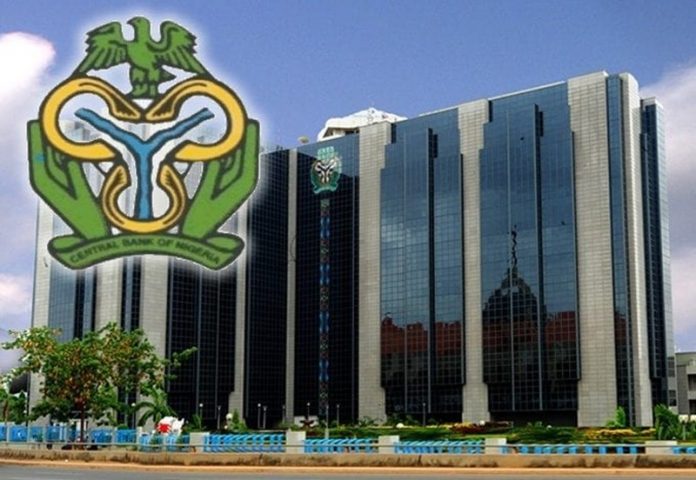
In a move that has raised eyebrows and sparked debate across Nigeria, the Senate on Wednesday amended the Central Bank of Nigeria (CBN) Act, increasing the borrowing limit the apex bank can offer the federal government from five percent to 10 percent.

This adjustment, swiftly approved during an emergency plenary session led by Senate President Godswill Akpabio, marks a significant shift in Nigeria’s fiscal policy, with potential implications for the nation’s economic stability.

The borrowing facility, commonly referred to as Ways and Means, is a financial mechanism through which the CBN provides short-term loans to the federal government to cover budgetary shortfalls. The CBN Act capped this borrowing at five percent of the previous year’s revenue, a measure designed to prevent excessive reliance on central bank financing. However, this limit was recklessly breached by the preceding government of Muhammadu Buhari, in a show of fiscal indiscipline that resulted in inflation.

During the session on Wednesday, the amendment was presented, debated, and passed with surprising speed. The Senate President, Mr. Akpabio, said that the increased borrowing limit was necessary to support the government in meeting its financial obligations.

He urged Nigerians to remain peaceful in their advocacy for better governance, stating, “We urge Nigerians to shun any act of violence. The government is doing a lot, we in the parliament are also doing a lot.”

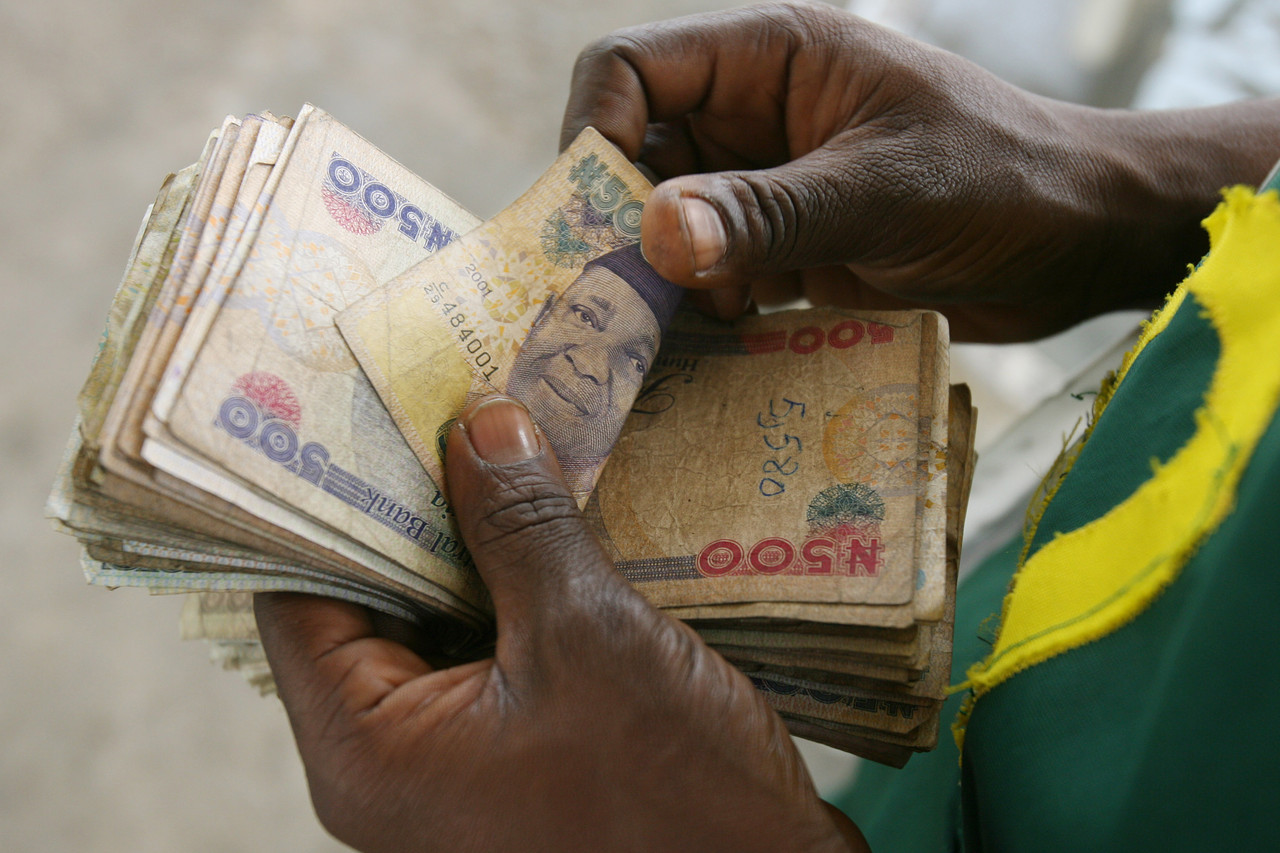
The Ways and Means facility has been a recurring feature in Nigeria’s fiscal discussion, with the Debt Management Office (DMO) revealing that a staggering N22.7 trillion borrowed from the CBN by the federal government was securitized in May 2023. The DMO also noted that the securitization of the ways and means debt was responsible for the N24.33 trillion increase in the debt stock, which took Nigeria’s public debt to N121.67 trillion in March.

This debt accounted for more than 40 percent of the money supply in the economy, highlighting the extent of the government’s reliance on this funding source. More recently, an ad-hoc committee chaired by Senator Isah Jibrin was established to investigate a N30 trillion Ways and Means debt incurred by the previous administration under President Muhammadu Buhari. The committee has yet to submit its findings, leaving many questions unanswered about the transparency and sustainability of this borrowing practice.

During the debate on the bill’s amendment, Senate Leader Opeyemi Bamidele defended the increase, arguing that it was essential for the federal government to address immediate and future financial needs.

“The essence of the bill is to enable the federal government to meet its immediate and future obligations due to the increasing need for funds to finance the budget deficit and other expenses,” Bamidele stated, adding that the advances from the CBN are typically short-term loans intended to be repaid by the government.

Bamidele outlined several potential benefits of the increased borrowing limit, including the provision of immediate funds to cover budget shortfalls, support for essential government projects, and the maintenance of financial market stability. He also suggested that the increased borrowing could stimulate economic activity and potentially create jobs by injecting money into the economy.

“Lower the government borrowing cost by providing cheaper funds than the traditional borrowing method,” Bamidele added, suggesting that this approach could be more cost-effective for the government.

House of Representatives Disagreed

However, not all lawmakers agreed. In the House of Representatives, the bill’s passage was met with significant opposition and controversy. During a plenary session, opposition parties staged a walkout after a proposed amendment by Kingsley Chinda, which suggested a two percent borrowing increase, was rejected. Chinda argued that a lower limit would enhance transparency in federal government spending, but his proposal was overruled by James Faleka, chairman of the finance committee, who argued against going below the existing five percent threshold.

The debate reached a peak when Ibrahim Isiaka, a lawmaker from Ogun state, proposed raising the borrowing limit to 10 percent, a motion that was subsequently supported by former Deputy Speaker Idris Wase. Despite a loud dissenting voice from the opposition, Deputy Speaker Benjamin Kalu ruled in favor of the amendment, sparking further discord and leading to a walkout by opposition lawmakers led by Chinda. The bill was eventually adopted and passed for a third reading, even though it was opposed by most lawmakers.

The decision to increase the Ways and Means borrowing limit has not been without criticism. Many experts and analysts have expressed concern over the potential inflationary impact of increased government borrowing. The CBN’s reliance on printing money to fund government deficits has been identified as a significant factor contributing to Nigeria’s high inflation rates.

CBN Governor Olayemi Cardoso recently commented on the issue, stating, “Yes, inflation needs to be tamed in Nigeria, but it is important to understand how we got here. When you print money for Ways and Means, it has its consequences, and we are paying for those consequences right now.”

In February, Cardoso said that the CBN would no longer grant Ways and Means to the federal government unless the outstanding balance is settled.

Against this backdrop, the passage of the bill is seen by some as a reckless move that could exacerbate Nigeria’s economic challenges. It is believed that the increase in borrowing could lead to further inflationary pressures, eroding the purchasing power of Nigerians and potentially destabilizing the economy. Critics argue that rather than increasing borrowing limits, the government should focus on improving revenue generation and reducing wasteful spending.

Three Things Playing in the Nigerian Economy – Borrowing, Business Losses, Windfall Tax

1

These are three things playing in the Nigerian economy.

#1 – Senate Expands Federal Government Borrowing from CBN

The Nigerian Senate has amended the Central Bank of Nigeria (CBN) Act to enable the government to take more loans from the apex bank: “The Senate on Wednesday amended the Central Bank of Nigeria (CBN) Act to increase the borrowing limit the bank can offer the federal government from five per cent to 10 per cent. The borrowing, popularly called Ways and Means, is a loan facility through which the CBN finances the federal government’s budget shortfalls.”

My Comment: with this expanded window, Nigeria will likely cancel any impact the recent CBN rate hike was expected to provide as the nation fights inflation. You raise the interest rate on companies, you flood the economy with free cash via loans to the government.

#2 – MTN Nigeria Records Biggest Half-year Loss On Record

MTN Nigeria broke loss records with a half-year hit of N519 billion:  “MTN Nigeria (MTNN), the local subsidiary of Africa’s largest mobile network operator MTN Plc, reported a sixfold surge in loss after tax to N519 billion in the first half of the year. According to its earnings report issued on Wednesday, this represents its biggest half-year loss on record. The loss for the six-month period is already roughly three times the loss it recorded for the whole of last year, complicating an ordeal dating back to the period Nigeria’s devaluation of the naira led to a massive foreign exchange loss for the wireless carrier.”

Comment: MTN may not pay tax to the Nigerian government possibly in the next two years. The implication is that some agencies like NITDA which depend on the percentage of profits from telco will struggle.

#3 – Banks FX-Related Profits Begin to Vanish

Nigeria’s banks made enormous profits as a result of changes in FX policies. We’re going to tax the realized FX gains to balance the economy.

Banks now: few of the gains are realized, and most have been provisioned for impairments: “[bank CEO] has stated that only about 10% of the bank’s foreign exchange gains recorded in 2023 are realized. …[he] made the statement while referring to the 70% windfall tax which has been on the bank’s realized FX gains from 2023…The Group CEO noted that most of the group’s revaluation gains have been provisioned as impairments.”

Comment: In the next quarter, I expect most of the profits which have been reported by banks to be reversed. One bank has already reversed its gains, noting that the profit was not later realized. In other words, Nigeria may not even receive much from this 70% windfall tax policy.