DD
MM
YYYY

PAGES

DD
MM
YYYY

spot_img

PAGES

Home Blog Page 3067

From Stability to Innovation: How Brett Is Challenging Litecoin’s Dominance, With WW3 Shiba Set to Dominate P2E Memecoins in 2024!

0

The crypto market is seeing both ups and downs. Some tokens like Litecoin are gaining momentum. On the other hand, a few memecoins like Brett are losing investors.

One notable meme coin is WW3 Shiba is making waves with its hot initial coin offering (ICO).

Litecoin Price Eyes $100

Last week, Fidelity Digital Assets announced its support for Litecoin. Litecoin is the third cryptocurrency to get the backing. This made it available to many institutional investors.

Both trading volume and market capitalization grew. They reached $360 million and $5.43 billion. This suggests that investors are gaining interest.

CoinMarketCap’s data revealed that both of Litecoin’s prices gained bullish momentum over the past few days. To be precise, LTC witnessed a 1.2% price rise (at the time of writing). Currently, Litecoin is trading at $72.65(at the time of writing).

Can BRETT Come Back to Winning Tracks?

Considering the attractiveness of BRETT memecoin, the Base blockchain continues to expand. Over the last month, BRETT has experienced an almost 10% decrease in its price. The Base blockchain is experiencing a lot of activity, and it’s not only BRETT.

Trading volume, currently at around 25.4 million dollars, is also decreasing. New memecoins are swiftly making their imprint, as BRETT is struggling.

WW3 Shiba Craze Is Real

The SocialFi memecoin known as WW3 Shiba is the most recent cryptocurrency to attract investors, including Litecoin and BRETT, despite its recent success, WW3 Shiba is a meme coin that can be used for real-world purposes such as donating to organizations focusing on dogs.

The team has incorporated a play-to-earn (P2E) platform to facilitate WW3 Shiba’s entry into the blockchain game industry. Through arcade missions, players can acquire in-game assets and other prizes.

WW3 Shiba excels in its value proposition, so investors flock to its ICO. Staking WW3 Shiba allows investors to generate passive income in addition to its potential future price increase. After the presale, it is anticipated that WW3 Shiba might be the next 100x coin once listed on major exchanges, making it the most valuable memecoin for investors to buy.

If you would like to get more details about this presale,

Website: www.ww3shiba.com

Twitter: https://x.com/WW3SHIBA

Telegram: https://t.me/WW3SHIBA


Nigerian Banks At Inflection Point As A 70% Windfall Tax Awaits on Forex Gains

0

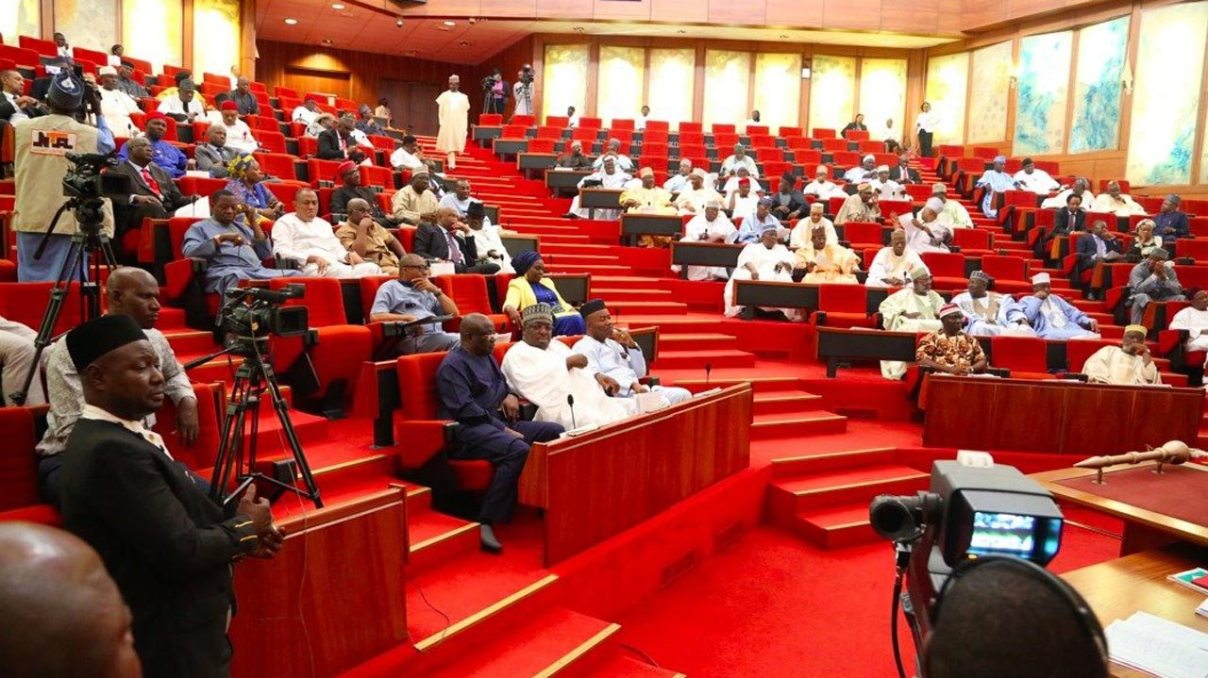
Poor bankers and their Bankers Committee. Unfortunately, the support from KPMG, PwC, and Ndubuisi could not help them as the Nigerian Senate has retroactively changed the tax laws, to collect extra cash on those windfall Forex-related gains.  Initially, the proposal was 50%, but the Senators updated it to 70%: “The Nigerian Senate has on Tuesday, passed the amendment bill to the 2023 Finance Act, significantly raising the windfall tax on banks’ foreign exchange revaluation gains from 50% to 70%.”

The government has a huge opportunity to pick more money from this policy: “Nigeria’s leading commercial banks recorded significant FX revaluation gains, estimated at a combined total of N3. 37 trillion in 2023 and Q1 2024, primarily due to the devaluation of the Naira last year. These FX gains include both realized and unrealized amounts, as reported by the banks” – Nairametrics.

GTCO – N844.450 billion FX Gains 

Zenith Bank Plc – N828.675 billion

Access Holdings – N748.159 billion FX gains

United Bank for Africa – N682.952 billion FX gains

First City Monument Bank (FCMB) – N116.443 billion FX Gains

While the one-time windfall tax could promote economic stability and social welfare, it will also reduce banks’ net profits, impacting their bottom lines and shareholders’ wealth. 

The next 3 months will be tough for Nigerian bankers. I just hope those profits are not vapour profits, because if that should be the case, bad things will happen. More here 

YouTube’s Ad Revenue Surges 13% to $8.66bn in Q2 As Alphabet’s Net Income Hits $23.62bn

0
A picture shows a You Tube logo on December 4, 2012 during LeWeb Paris 2012 in Saint-Denis near Paris. Le Web is Europe's largest tech conference, bringing together the entrepreneurs, leaders and influencers who shape the future of the internet. AFP PHOTO ERIC PIERMONT (Photo credit should read ERIC PIERMONT/AFP/Getty Images)

In the second quarter of 2024, YouTube’s ad sales saw a notable surge, growing 13% year-over-year to reach $8.66 billion. This growth was fueled by a combination of brand and direct response advertising, reflecting the platform’s increasing appeal to advertisers looking to tap into its vast user base.

YouTube’s subscription services, which include YouTube TV, Music, Premium, and the NFL Sunday Ticket, also contributed significantly to Alphabet’s revenue growth. This segment experienced a 14% year-over-year increase, totaling $9.3 billion. This diverse revenue stream underscores YouTube’s strength in offering a wide range of content and services, catering to varied consumer interests.

During the company’s earnings call, Alphabet CEO Sundar Pichai highlighted YouTube’s strategic focus on connecting creators with audiences and supporting their growth through ads and subscriptions.

“YouTube is focused on a clear strategy: connecting creators with a massive audience and enabling them to build successful businesses through ads and subscriptions, while helping advertisers reach their desired audience,” Pichai stated.

This strategy has paid off, positioning YouTube as a key player in the digital media industry.

YouTube’s dominance extends beyond digital platforms into traditional TV viewing. According to Nielsen’s June Gauge report, YouTube accounted for 9.9% of TV viewing time, surpassing Netflix, which held an 8.4% share.

Together, these platforms dominated nearly half of the 40% of total TV time attributed to streaming in the U.S. When considering cross-platform TV viewing, YouTube came in second with a 9.9% share, just behind Disney’s 10.8%.

Pichai noted that YouTube Shorts and connected TV views more than doubled over the past year. The platform has introduced features like easier captioning and conversion of regular videos into Shorts, enhancing accessibility and engagement. Additionally, Google Chief Business Officer Philipp Schindler reported a 130% increase in connected TV views over the last three years, with overall watch time on YouTube growing by 30% year-over-year across multiple content categories, including sports.

Despite YouTube’s impressive growth, Netflix continues to see itself as a strong competitor. In its quarterly shareholder letter, Netflix acknowledged YouTube as a “clear leader” in direct-to-consumer entertainment but emphasized its focus on capturing a larger share of the TV time market.

Co-CEO Ted Sarandos expressed confidence in Netflix’s ability to grow, noting the company’s strengths in storytelling and content creation, which he suggested are distinct from YouTube’s offerings. Co-CEO Greg Peters added that Netflix provides unique opportunities for creators to collaborate in bringing stories to life, a proposition that differs from YouTube’s model.

Alphabet’s overall financial performance exceeded Wall Street’s expectations for the quarter. The company reported a net income of $23.62 billion, a significant increase from $18.37 billion in the same period last year. Earnings per share were $1.89, above the $1.85 predicted by analysts. Revenue also surpassed expectations, reaching $84.7 billion, compared to the anticipated $70.6 billion.

The strong quarterly results were bolstered by Alphabet’s core businesses in Search and Cloud, which brought in revenues of $48.51 billion and $10.35 billion, respectively. These areas continue to be pivotal for the company’s financial health and growth prospects.

Alphabet’s advancements in artificial intelligence (AI) also played a critical role in its recent success. The company introduced AI Overview, a feature that delivers near-instant answers to search queries using aggregated data from multiple online sources.

Pichai expressed satisfaction with the positive user engagement trends seen during the AI Overview’s testing phase, particularly among users aged 18 to 24. He also hinted at future developments, such as the use of virtual reality lenses for interactive search queries and new functionalities for Gmail and Google Photos.

The company’s investments in AI have gained substantial momentum, with over 1.5 million developers now using Gemini, Google’s AI model. Pichai emphasized that Gemini is enhancing the user experience across Google’s suite of products, all of which now incorporate AI to some extent.

Despite these growth records, Alphabet’s shares fell by 2% in after-hours trading following the release of the earnings report. However, the company’s robust financial performance, coupled with its ongoing innovations in AI and digital media, positions it strongly for continued success in an increasingly competitive technology industry.

Nigerian Senate Passes 2023 Finance Act Amendment Bill, Raises Windfall Tax to 70%

0

The Nigerian Senate has on Tuesday, passed the amendment bill to the 2023 Finance Act, significantly raising the windfall tax on banks’ foreign exchange revaluation gains from 50% to 70%.

This adjustment, originally proposed by President Bola Tinubu, has sparked considerable debate among economic experts and stakeholders, with many noting that it can potentially undermine investors’ confidence.

The Chairman of the Senate Committee on Finance, Sen. Sani Musa, presented the committee’s report, which included the revised windfall tax rate and other key changes. One notable amendment involved the commencement date of the revised act.

Originally set retroactively to January 1, 2023, the date was changed to coincide with the implementation of the Central Bank of Nigeria’s (CBN) new foreign exchange policy, which began on June 14, 2023. This change was prompted by objections from Sen. Aminu Waziri Tambuwal, who argued against the retroactive nature of the amendment.

In addition to these changes, the Senate extended the timeline for the windfall levy. Initially intended to cover only the 2023 financial year, the levy will now apply to all profits from foreign exchange transactions from the start of the new forex policy until the end of the 2025 financial year, as specified in clause 2 of the amendment. This extended period aims to capture more of the foreign exchange revaluation gains banks may accrue.

The Senate also addressed fiscal matters by passing an amendment to the 2024 Appropriation Act. This amendment adds N6.2 trillion to the 2024 budget for recurrent expenditures, including payments for the new N70,000 minimum wage and infrastructure projects under the “Renewed Hope” initiative.

Background of The Windfall Tax

Tinubu’s administration initially proposed the windfall tax as part of a broader strategy to increase government revenue. The tax targets the foreign exchange revaluation gains banks reported in the 2023 financial year, aiming to redistribute these profits through a one-time levy.

The amendment stipulates that banks failing to remit the required amount will face a 10% penalty on the withheld tax and interest at the CBN’s minimum discount rate, with key officials potentially facing imprisonment.

The Move Has Sparked Concerns

The proposal has stirred significant debate among economic and legal experts, as well as major tax advisory bodies. Critics argue that the unpredictability and retroactive application of the windfall tax could deter future investments in Nigeria, both domestic and foreign. They contend that such a policy could undermine investor confidence, which is crucial for economic stability and growth.

KPMG Nigeria has been particularly vocal, criticizing the initial 50% rate and suggesting that the tax could lead to legal disputes. The firm pointed out that Nigeria’s tax policy does not traditionally support retroactive taxes, raising concerns about the legal standing of the amendment.

PwC Nigeria echoed these concerns, emphasizing that the tax’s unpredictability, applied to already reported profits, could discourage future investment. The firm highlighted the potential negative implications for the financial sector and the broader economy, especially given Nigeria’s current economic challenges.

Prominent lawyer Dr. Olisa Agbakoba also voiced his concern about the amendment, describing it as an ill-thought-out policy. He argued that the proposal was beyond the scope of the National Assembly and warned that the burden of the tax would ultimately be passed on to banks’ customers, potentially increasing the cost of banking services and financial products.

The debate over the windfall tax occurs against a backdrop of significant economic challenges in Nigeria. The country’s economy has been battered by declining oil revenues, high inflation, and rising unemployment rates. As an oil-dependent nation, Nigeria has struggled with the volatility of global oil prices, which has reduced foreign exchange earnings and strained public finances.

Given these challenges, economic experts have cautioned the government against implementing policies that could further erode investor confidence. They argue that the economy, already weakened, cannot afford additional shocks from policies perceived as punitive or unpredictable.

The consensus among experts is that maintaining a stable and predictable policy environment is crucial for attracting the investment needed to spur economic growth and development.

Thus, the increased windfall levy on banks’ foreign exchange revaluation gains, while intended to bolster government revenue, may have unintended consequences. If not carefully managed, the policy could exacerbate the country’s economic woes, further deterring investment and slowing economic recovery.

The Senate’s passage of the Finance Act amendment bill marks a significant policy shift, raising critical questions about the viability of Nigeria’s economic policies.

The government faces the dual challenge of addressing fiscal shortfalls while ensuring that its policies do not undermine the broader economic stability. However, the windfall tax has tested the government’s ability to balance raising revenue and fostering a conducive environment for economic growth. To many, it has failed on the latter.

Ethereum Spot ETF is Expected to hit US Market

0

The investment landscape is witnessing a significant shift with the introduction of spot Exchange-Traded Funds (ETFs) in the United States market. After much anticipation and a lengthy approval process, the U.S. Securities and Exchange Commission (SEC) has finally given the green light to spot Bitcoin ETFs, marking a historic moment for both the cryptocurrency sector and traditional investment avenues.

Spot ETFs are investment funds traded on stock exchanges, much like stocks. They are designed to track the current, or “spot,” price of an asset, allowing investors to buy shares in the fund and, by extension, gain exposure to the real-time value of the underlying asset. This is in stark contrast to futures ETFs, which are based on contracts predicting the future price of an asset.

The financial world will be abuzz with the approval of Ethereum Spot Exchange-Traded Funds (ETFs) by the United States Securities and Exchange Commission (SEC). This decision will mark a significant milestone for the cryptocurrency industry, potentially paving the way for a surge in mainstream adoption of Ethereum.

Ethereum, the second-largest cryptocurrency by market capitalization, has been a topic of interest for investors looking to diversify their portfolios with digital assets. The approval of Ethereum Spot ETFs means that investors can now gain exposure to Ethereum without the complexities of direct cryptocurrency ownership, such as wallet management and security concerns.

The SEC’s green light for these ETFs is expected to attract billions of dollars into the ecosystem, with major financial institutions like BlackRock, Fidelity, and Grayscale among the approved spot Ether ETF applicants. This move could also lead to a boost in Ethereum’s price, as similar approvals have done for other cryptocurrencies in the past.

The introduction of Ethereum Spot ETFs is a testament to the growing recognition of cryptocurrencies as a legitimate asset class. It also reflects the SEC’s evolving stance on digital assets, following the approval of Bitcoin ETFs earlier this year. With the ease of trading through traditional brokerage accounts, Ethereum ETFs are likely to appeal to a broader range of investors, including those who are new to the crypto space.

As the Ethereum Spot ETFs begin trading, all eyes will be on the market’s response and the potential impact on the broader cryptocurrency landscape. This development could herald a new era of investment opportunities and further democratize access to cutting-edge financial technologies.

The approval of spot Bitcoin ETFs is particularly noteworthy. These funds offer investors a more direct correlation with the actual price movements of Bitcoin, minus the complexities and risks associated with futures contracts. With spot ETFs, investors can expect a more accurate reflection of Bitcoin’s market value, providing a straightforward and potentially less volatile investment option.

One of the most compelling advantages of Ethereum spot ETFs is the ease of access they provide to investors. By simplifying the process of investing in assets like Bitcoin, which traditionally required navigating cryptocurrency exchanges, digital wallets, and security concerns, spot ETFs make it possible for a broader range of investors to participate in the market.

Moreover, the competitive fee structure emerging from the SEC’s simultaneous approval of multiple spot Bitcoin ETFs is a boon for investors. Lower fees are a critical factor in attracting new assets, and spot ETFs have positioned themselves as a cost-effective alternative to existing crypto funds and futures ETFs.

The introduction of Ethereum spot ETFs is expected to bring a new level of maturity to the cryptocurrency market, potentially leading to increased institutional investment and mainstream acceptance. Additionally, the SEC’s decision could pave the way for other asset classes to be represented through spot ETFs, further expanding the investment universe for individuals and institutions alike.

As Ethereum spot ETFs will begin trading, all eyes will be on their performance and the impact they will have on the market. With the potential to democratize access to various assets and provide a more stable investment vehicle, spot ETFs could indeed be the game changer that many have been waiting for.

The arrival of Ethereum spot ETFs in the US market is a transformative development for investors looking to diversify their portfolios with cryptocurrency and other assets. As the market adapts to this new offering, it will be fascinating to observe how spot ETFs influence investment strategies and the broader financial ecosystem.