DD
MM
YYYY

PAGES

DD
MM
YYYY

spot_img

PAGES

Home Blog Page 3076

European Union Imposes Anti-Dumping Duties on Sweeteners from China

0

In a move to protect its domestic industries, the European Union (EU) has recently imposed anti-dumping duties on imports of certain sweeteners originating from China. This decision is part of a broader strategy to combat what the EU perceives as unfair trade practices that can distort the market and undermine local producers.

Anti-dumping duties are tariffs that a domestic government can impose on foreign imports that it believes are priced below fair market value. In this case, the EU’s measures are a response to concerns that Chinese manufacturers are selling sweeteners in the EU market at prices that undercut those of European producers, potentially harming the local industry.

Specifically, the measures affect imports of aspartame, a low-calorie sweetener commonly used in sugar-free products. Additionally, investigations have been opened concerning lysine, an amino acid used as a feed additive, and vanillin, an organic compound that is a key component of vanilla bean extract.

These sweeteners are integral to various industries, not just in food production but also in pharmaceuticals and agriculture. The EU’s decision to impose anti-dumping duties on these imports reflects its commitment to protecting domestic markets from unfair trade practices that can undermine local producers.

The implementation of these duties follows a rigorous investigation process. The EU Commission, having regard to the Treaty on the Functioning of the European Union and Regulation (EU) 2016/1036 on protection against dumped imports from countries not members of the EU, initiated an anti-dumping proceeding based on a complaint lodged by the European Titanium Dioxide Ad Hoc Coalition. The product subject to registration is titanium dioxide, which is used in the production of sweeteners, among other things.

The duties currently in force range from 15.5% to 38.1%, targeting both sampled exporting producers and non-sampled cooperating companies, with a higher duty rate applied to imports from all other companies in China. This tiered approach reflects the EU’s commitment to a fair and balanced trade policy, ensuring that companies that cooperate with the investigation process are not unduly penalized.

The EU’s decision to extend anti-dumping measures on sweeteners from China is not without precedent. In the past, similar measures have been imposed on other products, such as steel and aspartame, to counteract dumping and its effects on the EU market.

Anti-dumping duties are not a new tool in the EU’s trade policy arsenal. They have been used in the past to address similar issues with various products, reflecting the EU’s commitment to maintaining a level playing field for all market participants. The recent measures on sweeteners, specifically, highlight the EU’s vigilance in monitoring trade flows and its readiness to take action when needed.

The decision to impose these duties was not taken lightly. It involved a detailed analysis of the market situation and the impact of the imported sweeteners on the EU’s producers. The duties are set at rates that aim to restore fair trade conditions, thereby enabling EU producers to compete on equal terms with their international counterparts.

The imposition of anti-dumping duties is a clear signal that the EU is willing to take decisive action to protect its economic interests. It also serves as a reminder of the importance of adhering to fair trade practices and the potential consequences of failing to do so. For businesses involved in the import and export of affected products, staying informed and compliant with these regulations is crucial.

As the global trade landscape continues to evolve, the EU’s measures highlight the ongoing challenges and complexities of maintaining a balanced and equitable international trade system. It remains to be seen how these duties will impact the trade relationship between the EU and China, and whether they will lead to a resolution of the underlying issues or further trade disputes.
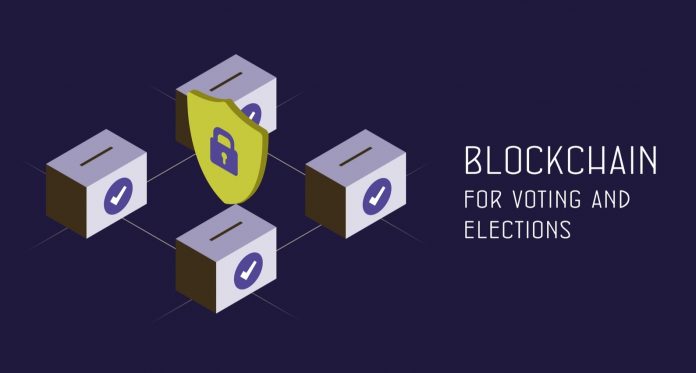

Blockchain Electioneering is Going to Change Political Participation Globally

0

The advent of blockchain technology has ushered in a new paradigm in various sectors, and its impact on the electoral process is poised to fundamentally transform political participation across the globe. Blockchain electioneering is not just a theoretical concept but a burgeoning reality that has the potential to redefine the democratic process by enhancing security, transparency, and accessibility.

The Essence of Blockchain in Elections

At its core, blockchain is a decentralized ledger that records transactions across multiple computers in such a way that the registered transactions cannot be altered retroactively. This feature of blockchain is particularly advantageous for electioneering, as it can help prevent common electoral malpractices such as vote tampering and fraud. The immutable nature of blockchain ensures that once a vote is recorded, it cannot be changed, thus safeguarding the integrity of the electoral process.

Countries around the world are exploring the integration of blockchain into their voting systems. Estonia, a pioneer in e-governance, has been using blockchain for its e-voting system since 2005, resulting in increased voter turnout and reduced electoral costs. Such examples provide a blueprint for other nations seeking to modernize their electoral systems.

Blockchain electioneering holds the promise of mobilizing new electorates by making the voting process more accessible. Traditional barriers that prevent certain demographics from voting, such as remote location or physical disabilities, can be overcome through blockchain-enabled remote voting. This could lead to an increase in voter participation, giving a voice to those who have been historically marginalized in the political process.

Moreover, the transparency afforded by blockchain could lead to a reduction in election-related violence and disputes. With a clear and verifiable record of votes, the legitimacy of election results can be established, potentially reducing the political tension and legal proceedings that often follow closely contested elections.

Challenges and Considerations

Despite the clear benefits, the adoption of blockchain in electioneering is not without challenges. Technical hurdles, regulatory frameworks, and public acceptance are significant factors that must be addressed. Additionally, concerns about the digital divide and ensuring equal access to the necessary technology are paramount to avoid disenfranchising voters.

To mitigate these risks, it is essential to implement robust security protocols, conduct regular audits, and ensure that all individuals with access to election systems are thoroughly vetted and monitored. Additionally, educating voters on the importance of securing their devices and being vigilant against cyber threats is vital.

While blockchain has the potential to enhance the security and integrity of elections, it is not a panacea. Recognizing and addressing the security risks associated with blockchain in elections is a critical step towards realizing its full potential in the democratic process. Collaborative efforts between technologists, election officials, and cybersecurity experts are necessary to develop and maintain secure blockchain-based voting systems that can withstand the evolving landscape of cyber threats.

As we look to the future, blockchain electioneering represents a significant step forward in the evolution of democratic processes. By leveraging the strengths of blockchain technology, elections can become more secure, transparent, and inclusive. This technological innovation has the potential to revitalize global political participation, ensuring that every vote counts, and the will of the people is accurately reflected in electoral outcomes.

Blockchain Supremacy Quest Among Countries

In the rapidly evolving world of technology, blockchain has emerged as a revolutionary force, challenging traditional paradigms of financial transactions and data management. The quest for blockchain supremacy is not just a race among companies but also among nations, each vying to establish dominance in this burgeoning field.

Blockchain technology, the backbone of cryptocurrencies like Bitcoin, offers a decentralized ledger that is secure, transparent, and immutable. This has far-reaching implications for various sectors, including finance, healthcare, supply chain, and beyond. As a result, countries are recognizing the strategic importance of blockchain and are investing heavily in its development.

The United States and China, two global superpowers, have been at the forefront of this technological Cold War. The US, with its Silicon Valley tech giants and a robust startup ecosystem, has been a pioneer in blockchain innovation. Meanwhile, China has made significant strides, with the government actively promoting blockchain initiatives as part of its broader technology strategy.

The geopolitical implications of blockchain are profound. It has the potential to shift the balance of economic power, disrupt global trade, and redefine international relations. Countries that can harness the power of blockchain effectively may gain a significant advantage in the digital age.

Moreover, blockchain technology transcends the realm of financial transactions. It is poised to become a foundational technology for the Internet of Things (IoT), smart contracts, and even governance models. Nations that lead in blockchain technology could set global standards and influence how these applications evolve worldwide.

One of the key strategies for smaller countries is to create a conducive regulatory environment that encourages innovation while ensuring stability and security. For instance, some countries have embraced the potential of Central Bank Digital Currencies (CBDCs) to modernize their financial systems and have launched live CBDCs, positioning themselves as early adopters in the digital currency space.

Education and skill development are also crucial. Smaller nations can focus on building a knowledgeable workforce skilled in blockchain technology, which can attract investments and partnerships from larger entities looking for expertise.

Moreover, smaller countries can capitalize on their size by implementing blockchain solutions more rapidly across their economies. This can lead to increased efficiency in various sectors, from capital markets to small business operations, showcasing the practical benefits of blockchain technology.

Collaboration is another powerful tool. By forming alliances with other nations, sharing knowledge, and participating in international blockchain projects, smaller countries can gain visibility and influence in the global blockchain ecosystem.

The race for blockchain supremacy also highlights the importance of regulatory frameworks. Countries must navigate the challenges of regulating a technology that inherently resists centralized control. How nations approach regulation could either stifle innovation or foster an environment where blockchain can thrive.

The quest for blockchain supremacy among countries is a multifaceted endeavor with far-reaching consequences. It is a testament to the transformative power of technology and its ability to reshape the global landscape. As the blockchain saga unfolds, it will be fascinating to watch which nations emerge as leaders in this domain and how they leverage this technology to redefine their role in the global arena.

eNaira Adoption Remains Low, Less Than 1% in Circulation as of March 2024

0

Despite the Nigerian government’s ambitious launch of the Central Bank Digital Currency, the eNaira, the adoption rate has remained low, making up less than 1% of the total currency in circulation as of March 2024.

According to data from the quarterly statistical bulletin of the Central Bank of Nigeria (CBN) for the first quarter of 2024, out of N3.87 trillion currency in circulation by March 2024, eNaira made up N13.98 billion.

This revealed that only about 0.36% of currency in circulation in the country is in the CBDC eNaira. However, the amount of data available for circulation has surged by 1,896% from N700.75 million recorded in October 2021. Recall that the CBN in February 2024, disclosed that the value of eNaira in circulation rose by 302 percent in Nine months to N10.26 billion at the end of September 2023.

Analysis of the CBN data on Currency in Circulation from the quarterly statistical bulletin for the third quarter (Q3) 2023, revealed that the value of eNaira in circulation rose sharply by 302 percent in nine months to N10.26 billion at the end of September 30th, 2023, 9M’23 from N2.55 billion at the end of 2022, 9M’22.

The increase represents 131 percentage points higher than the 171 percent increase record in the same period of 2022. Further analysis showed that eNaira in circulation recorded quarter-on-quarter, growth of 90 percent, 48 percent, and 43 percent in Q1’23, Q2’23, and Q3’23 respectively.

Notably, the Apex bank disclosed that the surge in eNaira adoption was driven by transactions via the USD channels. The volume and value of eNaira transactions via the USD channel are reported to have risen by 92.95 percent year-on-year, (YoY) and 120.93 percent in 9M’23 respectively, while the number of merchants accepting eNaira also rose 11.97 percent during the same period.

However, the eNaira’s recent report of making up less than 1% of the total currency in circulation as of March 2024, almost three years since it was launched, highlights the slow adoption of the digital currency as a significant portion of the Nigerian population remains reluctant to adopt the currency.

Launched by the Central Bank of Nigeria (CBN) in October 2021, the eNaira was envisioned as a digital alternative to physical cash, aiming to enhance financial inclusion, reduce transaction costs, and improve the efficiency of the monetary system. The digital currency operates alongside the traditional naira and is accessible through a dedicated mobile app.

The CBN has been actively promoting the eNaira through various initiatives. These include partnerships with financial institutions, merchant incentives, and public awareness campaigns. Despite these efforts, many Nigerians still prefer using cash for daily transactions due to its familiarity and widespread acceptance.

While eNaira holds promise for transforming Nigeria’s financial landscape, its current adoption rate highlights the need for continued efforts to address the barriers hindering its widespread acceptance. There is a need for continued efforts to educate the public, improve digital infrastructure, and address security concerns about the eNaira, towards driving the success of the digital currency.

PwC Warns Nigerian Government’s Proposed Windfall Tax Could Deter Investments

0

PricewaterhouseCoopers (PwC), a global tax and advisory services firm, has raised concerns over the Nigerian government’s recent proposal to tax the already reported FX windfall profits of banks in 2023.

In its reaction to the proposed amendment of the Finance Act and the introduction of a one-time windfall tax on commercial banks’ foreign exchange revaluation gains, PwC warned that this move could have far-reaching negative implications for investment in the country.

The proposal, which aims to impose a 50% tax on the foreign exchange gains reported by commercial banks for the entire year of 2023, is the main reason for a push for the amendment of the 2023 Finance Act by President Tinubu’s administration. This amendment seeks to address revenue generation for capital infrastructure development, education, healthcare access, and public welfare initiatives.

However, the implications of such a tax are being widely debated. The government anticipates that this move could generate over N3 trillion, but analysts caution that the long-term negative impact on the economy might outweigh the immediate financial gains.

PWC’s Analysis and Concerns

In its report titled, “The Windfall Tax Conundrum: Navigating the Fiscal Impact on Nigerian Banks,” PwC highlighted several key concerns. The firm argues that by taxing already realized and reported profits, the government may be perceived as unpredictable.

The PwC notes the following in its report:

This unpredictability could deter future investment and destabilize financial markets, making Nigeria a less attractive destination for both local and foreign investors.

Furthermore, the practical implementation of the windfall tax might present significant legal and perceptual challenges. These challenges pertain to the principles of equity, fairness, and constitutionality.

The retroactive nature of the tax is particularly contentious, as it undermines the principle of legitimate expectations for businesses that have already settled their tax liabilities.

The firm also pointed out that the proposed legislation could deter investors by introducing uncertainty into the fiscal environment. A stable and predictable tax regime is crucial for attracting and retaining investment, and any perception of arbitrariness or retroactive taxation can severely damage investor confidence.

Additionally, the proposed windfall tax rate of 50% on foreign exchange gains stands in stark contrast to the conventional 30% company income tax rate. This discrepancy poses confusion for banks regarding the allocation of expenses from different revenue streams.

According to some analysts, banks might find themselves in a situation where they need to apply different principles for allocating profits to tax-exempt income, leading to administrative challenges and potential disputes.

The Debate Continues

Although the federal government said the revenue generated from this tax would be critical for funding key public sectors such as infrastructure, education, and healthcare, it has sparked significant debate among stakeholders and economic analysts.

Notably, KPMG has also criticized the move, suggesting it could lead to legal disputes due to its retroactive nature.

The firm noted that Nigeria’s tax policy traditionally avoids retroactive taxation. Thus, imposing a windfall tax after banks have already settled their 2023 tax liabilities could lead to a constitutional crisis.

Also, KPMG noted that this retroactive application contradicts the principle of legitimate expectations, wherein businesses plan their finances based on existing tax laws and expect stability and predictability in the fiscal environment.

The concerns raised by PwC and KPMG are reflective of broader fears within the financial sector and the investment community. Economists and stakeholders are particularly worried that the proposed windfall tax could have several negative consequences.

Analysts argue that the unpredictability and retroactive nature of the tax could deter future investments, both foreign and local. This is because investors seek stable and predictable environments, and any perception of fiscal unpredictability can lead to capital flight and reduced investment inflows.

This means the proposed tax could destabilize financial markets by introducing uncertainty and reducing investor confidence. Also, banks and other financial institutions may face challenges in planning and managing their finances, leading to broader economic instability.

Debacle of Dangote Refinery and Nigeria on Oil and Gas Reforms

0

In recent times, the Nigerian oil and gas sector has witnessed significant changes, with the Dangote Refinery coming into operation and the Federal Government of Nigeria (FGN) implementing new executive orders aimed at reforming the industry. These developments have sparked discussions and debates among stakeholders, reflecting the complexities and high stakes involved in the sector that is pivotal to the nation’s economy.

The Dangote Refinery, touted as the largest oil refining plant in Africa, is positioned in Lagos and represents a monumental stride in Nigeria’s quest for self-sufficiency in refined petroleum products. The commencement of its operations amid rising inflation offers a beacon of hope for an economy seeking to improve its manufacturing output and reduce reliance on imported goods.

The Dangote Group, one of Africa’s most prominent and diversified business conglomerates, has been facing a series of challenges in its dealings with the Nigerian government in 2024. The issues have been multifaceted, ranging from regulatory hurdles to financial and infrastructural constraints that have affected the ease of doing business in the country.

The refinery’s potential to meet 100% of Nigeria’s requirements for refined products and its surplus for export is a game-changer. It signifies a shift from the longstanding practice of exporting crude oil for refining and then re-importing it, a cycle that has contributed to the country’s economic challenges. With the refinery’s activation, Nigeria aims to end gasoline imports, which could foster a new domestic market for its crude oil and alleviate the financial burden of importation.

Moreover, the National Assembly has acknowledged the private sector’s struggles, emphasizing their commitment to addressing these challenges. The Speaker of the House of Representatives, during a visit to the Dangote Refinery, highlighted the legislative body’s dedication to creating a more business-friendly environment through reforms aimed at streamlining processes and enhancing transparency.

The Dangote Group’s experiences reflect broader issues within the Nigerian business landscape, where private enterprises often grapple with regulatory, infrastructural, and financial obstacles. These challenges underscore the need for a collaborative approach between the government and the private sector to ensure mutual growth and national economic development.

Parallel to the private sector’s efforts, the FGN has shown a commitment to revitalizing the oil and gas sector through policy reforms. President Bola Ahmed Tinubu signed three executive orders on February 28, 2024, as part of these reforms. These orders include tax incentives for oil and gas companies, directives on local content compliance, and measures to reduce contracting costs and timelines in the petroleum sector.

These executive orders are expected to enhance the investment climate and position Nigeria as a preferred destination for petroleum sector investments in Africa. The focus on local content compliance is particularly noteworthy, as it underscores the government’s intent to bolster domestic capabilities and ensure that the benefits of the sector’s growth are felt within the country.

The reforms are not without their challenges and criticisms. The term ‘debacle’ often surfaces in public discourse, reflecting the tensions and high expectations from various quarters. Stakeholders are keenly observing the implementation of these reforms, looking for tangible outcomes that would justify the optimism surrounding the sector’s overhaul.

The interplay between the Dangote Refinery’s operations and the FGN’s policy reforms presents a complex tapestry of economic, political, and social implications. The success of these initiatives could herald a new era for Nigeria’s oil and gas sector, with positive ripple effects across the economy. However, the journey is fraught with uncertainties, and the ultimate impact of these reforms will unfold over time.

As Nigeria navigates this critical juncture, the global community watches with interest, recognizing the country’s role as a leading oil producer and its potential to influence energy markets. The outcomes of Nigeria’s oil and gas sector reforms will likely resonate beyond its borders, affecting regional and international economic dynamics.