DD
MM
YYYY

PAGES

DD
MM
YYYY

spot_img

PAGES

Home Blog Page 3076

P2P is Arbitrage for Money Powered by Cryptocurrency

0

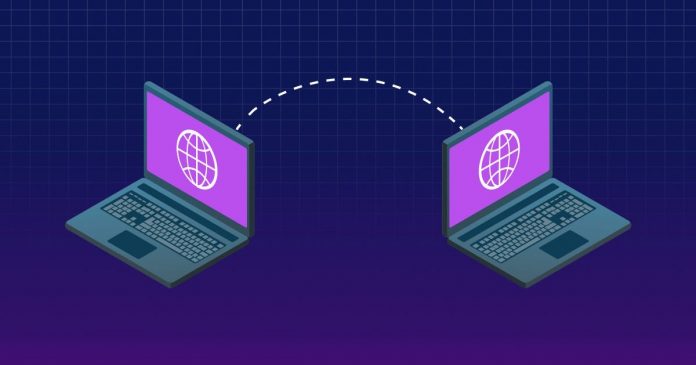
Peer-to-peer (P2P) networks and cryptocurrency have revolutionized the way we think about financial transactions. They have democratized access to financial services, allowing individuals to transact directly with each other without the need for traditional financial intermediaries. This has paved the way for innovative trading strategies, such as arbitrage, to flourish in the crypto space.

Arbitrage, in the context of cryptocurrency, is the simultaneous buying and selling of an asset to profit from a difference in price. It is a trade that profits by exploiting price differences of identical or similar financial instruments on different markets or in different forms. Crypto arbitrage takes advantage of the fact that cryptocurrencies can be priced differently on various exchanges due to the decentralized nature of these markets.

The P2P model complements the arbitrage strategy well. P2P crypto exchanges allow users to buy and sell cryptocurrencies directly with each other, setting their own prices and terms. This can lead to significant price discrepancies between different P2P platforms or between a P2P platform and a centralized exchange. Savvy traders can exploit these discrepancies to perform arbitrage.

The P2P aspect adds another layer to this strategy. Unlike centralized exchanges, P2P platforms allow individuals to trade directly with each other, often with more flexibility in terms of payment methods and negotiation. This can lead to even more pronounced price differences, as sellers and buyers set their own terms. For instance, a trader might find a seller on a P2P platform offering a crypto asset at a lower price than the market rate, purchase it, and then immediately sell the same asset on another platform at a higher price, securing a profit in the process.

The allure of P2P crypto arbitrage lies in its potential for low-risk gains. Since the transactions are executed almost simultaneously, the exposure to market volatility is minimized. Moreover, the global and always-on nature of the crypto market means that these arbitrage opportunities are plentiful, though they require quick action and sometimes sophisticated tools to identify and exploit effectively.

However, it’s important to note that while the concept of arbitrage suggests a risk-free profit, there are several factors to consider. Transaction fees, transfer times, and the liquidity of assets on different platforms can all affect the profitability of an arbitrage trade. Additionally, the legal and tax implications of trading cryptocurrencies can vary widely by jurisdiction.

The process of P2P arbitrage involves several steps. First, a trader identifies a cryptocurrency with a significant price discrepancy between two P2P platforms. Next, they purchase the asset where it’s cheaper and simultaneously sell it where it’s more expensive. The difference in prices, minus any transaction fees, represents the trader’s profit.

One of the key advantages of P2P arbitrage is the potential for a more inclusive trading environment. Since P2P platforms often have fewer barriers to entry than traditional exchanges, they can be accessible to a broader range of participants. This inclusivity can lead to more diverse pricing and increased opportunities for arbitrage.

However, P2P arbitrage is not without its challenges. The speed of transactions is crucial, as price discrepancies can close quickly. Moreover, the trader must consider transaction fees, transfer times, and the risks associated with holding a volatile asset, even if only for a short period.

Despite these challenges, P2P arbitrage remains an attractive strategy for many in the crypto community. It embodies the spirit of decentralization and financial empowerment that cryptocurrencies advocate. As the crypto markets mature, it will be interesting to see how P2P arbitrage evolves and what new strategies traders will develop to continue profiting from the dynamic landscape of digital currencies.

P2P arbitrage represents a unique intersection of traditional financial strategies and modern technology. It offers a glimpse into the future of finance, where decentralization and peer-to-peer interactions can create new opportunities for profit and innovation. As the crypto market continues to grow, so too will the strategies and tools available to those looking to take advantage of its many opportunities.

Gambia’s Parliament Upholds Ban on Female Genital Mutilation

0

In a significant move for women’s rights, the Gambian Parliament has upheld the ban on Female Genital Mutilation (FGM), a practice that has been a contentious issue in the country. This decision comes after a bill that sought to reverse the ban on FGM was rejected by lawmakers, maintaining the landmark law that prohibits this harmful practice.

FGM is recognized internationally as a violation of the human rights of girls and women. It reflects deep-rooted inequality between the sexes and constitutes an extreme form of discrimination against women. The practice involves procedures that intentionally alter or cause injury to the female genital organs for non-medical reasons and has no health benefits. On the contrary, it can cause severe bleeding, problems urinating, and later cysts, infections, as well as complications in childbirth and increased risk of newborn deaths.

The reasons behind Female Genital Mutilation (FGM) are complex and varied, deeply rooted in the social, cultural, and sometimes religious fabric of the societies where it is practiced. FGM is a traditional practice that has been carried out for centuries, with the World Health Organization estimating that more than 200 million girls and women alive today have undergone some form of FGM.

One of the primary reasons for FGM is social acceptance. It is often considered a rite of passage that marks the transition from childhood to womanhood. In many communities, it is believed that FGM ensures marital eligibility and is seen as a prerequisite for social and cultural acceptance. The practice is so ingrained in some societies that not undergoing FGM can lead to social exclusion.

Religion is often cited as a reason for FGM, although no religious scripts prescribe the practice. Some practitioners believe that FGM is a religious requirement, despite leaders from various faiths, including Islam and Christianity, stating that their religions do not mandate it.

Misconceptions about hygiene and cleanliness are also factors that perpetuate FGM. There is a belief that female genitalia are dirty and that FGM can ensure cleanliness and health, despite the procedure having no health benefits and often resulting in severe health complications.

Preservation of a girl or woman’s virginity is another reason given for FGM. It is mistakenly believed that FGM can reduce a woman’s libido, thereby helping to ensure her chastity. This is linked to ideas of purity and modesty that are highly valued in some cultures.

The Gambia’s stance on FGM is a reflection of the global movement against gender-based violence. The ban, which was initially instituted in 2015, made the practice punishable by up to three years in prison. The recent attempt to overturn this ban was met with widespread criticism from rights groups and international organizations, who argued that reversing the ban would be a significant setback for women’s rights not only in The Gambia but globally.

The decision to uphold the ban is a testament to the country’s commitment to protecting the rights and well-being of women and girls. It also aligns with the global efforts to eradicate FGM, a practice that the World Health Organization (WHO) says has no health benefits and can lead to a range of physical and psychological problems.

The Gambia is among the countries with the highest rates of FGM, with a prevalence of 73 percent among women and girls aged 15 to 49, according to figures from UNICEF. The upholding of the ban is a crucial step in changing these statistics and improving the lives of countless women and girls.

This development in The Gambia could serve as an encouraging sign to other nations grappling with the practice of FGM. It demonstrates that change is possible through legislative action and societal awareness. The hope is that this decision will continue to inspire and influence other countries to strengthen their laws against FGM and protect the rights of women and girls.

Dangote Withdraws Plan to Venture into Steel Following NMDPRA’s Monopoly Allegations

0

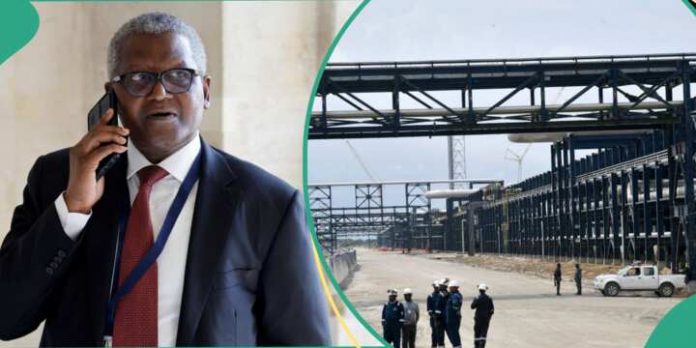
Aliko Dangote, the chairman of Dangote Industries Limited, has announced he is abandoning plans to enter Nigeria’s steel industry, following allegations of monopolistic practices made by Farouk Ahmed, the Chief Executive Officer of the Nigerian Midstream and Downstream Petroleum Regulatory Authority (NMDPRA).

In May, Dangote Industries announced its intention to invest in Nigeria’s steel industry. This move was seen as a potential game-changer for the country, which has long struggled with inadequate steel production despite having substantial raw material reserves. The entry of Dangote into the steel sector promised to boost local production, reduce dependence on imports, and stimulate economic growth.

However, on July 18, Farouk Ahmed alleged that the Dangote refinery produces inferior products – an allegation that has sparked an unexpected and heated reaction from Dangote and the wider Nigerian public.

“The demarketing of a company by a regulator that he is supposed to protect is very unfortunate,” Dangote lamented.

Nigerians widely condemned Ahmed’s remarks, viewing them as an unfair attack on one of the country’s most prominent businesses. Critics argued that the NMDPRA’s statements were not only baseless but also damaging to the reputation of a company that has significantly contributed to Nigeria’s industrialization efforts.

Dangote Industries Limited, under the leadership of Aliko Dangote, has been a cornerstone of Nigeria’s economy. The conglomerate has significantly impacted various sectors, including cement, sugar, and salt. Dangote’s business model, which emphasizes value addition through local raw materials, has been instrumental in driving industrialization and creating jobs in Nigeria.

Dangote, in a media chat with journalists at his refinery in Lagos, described the allegations of monopolistic practices as disheartening and unfounded. He said his company has always operated on a level playing field, competing fairly and adding value to local raw materials.

He also announced that the DIL is backing out of its plan to venture into steel production.

“You know, about doing a new business which we announced, that is, steel. Actually, our board has decided that we shouldn’t do the steel because if we do the steel business, we will be called all sorts of names like monopoly,” Dangote said.

“And then also, imports will be encouraged. So we don’t want to go into that.”

He highlighted that such accusations not only tarnish the company’s image but also discourage investments in vital sectors of the economy.

“Monopoly is when you stop people, you block them through legal means. No, it is a level playing field whereby whatever Dangote was given in cement, for example, other people were given because some of them even got more than us,” he added.

“If you look at all our operations at Dangote (Group), we add value; we take local raw materials and turn them into products, and we sell.

“We have never consciously or unconsciously stopped anybody from doing the same business that we are doing.

“When we first came into cement production, it was only Lafarge that was operating here in Nigeria… Nobody ever called Lafarge a monopoly.”

Withdrawing Amidst Economic Downturn

Dangote’s decision to withdraw the plan to invest in steel production came as a shock to many. The plan was touted as a game changer, especially as Nigeria had invested billions of dollars to revitalize the Ajaokuta Steel plant for years, without fruitful results.

Also, the country is currently grappling with inflation, and foreign exchange shortages – all of which pose significant hurdles for businesses at a time when its economy is spiraling downward. Dangote has been vocal about these issues, urging the government to implement policies that create a conducive environment for industrial growth.

The recent allegation by the government, coupled with the economic challenges, appears to have been the tipping point for Africa’s richest man.

Public Reactions

The announcement of Dangote’s withdrawal from the steel industry has stirred mixed reactions. While some industry stakeholders understand the rationale behind the decision, others express concern over the potential implications for Nigeria’s industrialization goals.

“Honestly, this is sad to see. Nigeria has happened to Dangote. When the foreign firms pulled out, the excuse and defense given was that they could not compete with the vibrant local market. Today, even that “vibrant” local market is complaining about the governments,” economist, Kalu Aja remarked.

The steel industry is critical for infrastructure development, and Dangote’s entry was seen as a significant boost to local capacity.

Many Nigerians have voiced disappointment, fearing that the absence of Dangote’s investment might slow down the progress in the steel sector. There is also a broader concern that regulatory disputes and allegations of monopolistic practices might deter other potential investors from entering the Nigerian market.

“I have posted severally that if the Federal, State, and Local Governments fell asleep, Nigeria’s GDP would double. The government policies and practices in Nigeria are weaknesses, not strengths. Good luck with attracting FDI,” Aja added.

While many believe that Dangote has been enjoying a state-backed monopoly over the years, the recent development has created unwavering empathy for the entrepreneur, especially, considering Nigeria’s current economic headwinds.

“The ongoing extrajudicial destruction of the Dangote business organization by the Tinubu regime is not at all something to celebrate,” journalist David Hundeyin stated.

“The example of Japanese and Korean industrialization shows that a serious government finds ways to integrate entities like Dangote into its national growth plan instead of making enemies out of them and trying to destroy them,” he added.

Exploring Consumer Applications on Blockchains

0

Blockchain technology has been a revolutionary force in the digital world, reshaping how we think about data security and transactional transparency. Its intersection with consumer applications is particularly intriguing, offering a glimpse into a future where everyday activities are enhanced by the power of decentralized networks.

The journey of blockchain from a simple ledger for cryptocurrency transactions to a robust platform for consumer applications has been nothing short of remarkable. The introduction of smart contracts on platforms like Ethereum has opened up a world of possibilities for on-chain activities. These programmable contracts have enabled the creation of decentralized applications (dApps) that provide services directly to consumers without the need for intermediaries.

Stablecoins, which aim to reduce the volatility associated with cryptocurrencies, have played a pivotal role in this evolution. They have allowed for the tokenization of financial value on the blockchain, paving the way for the earliest consumer applications that offer tangible utility to users.

The rise of DeFi has been a significant milestone in the blockchain space. DeFi protocols have tokenized increasingly complex forms of value, enabling a suite of financial services to operate on-chain. This includes lending, borrowing, trading, and yield generation, among others. These protocols have achieved a level of product-market fit, altering how users interact with blockchains and continuing to drive on-chain activity.

However, the DeFi space is not without its challenges. The competitive pursuit of user liquidity and attention has led to an environment that poses security risks and regulatory concerns. Despite these hurdles, some DeFi protocols have adapted and maintained a competitive edge by leveraging the properties of specific blockchains or strategically moving between chains.

The intersection of AI and blockchain presents another exciting avenue for consumer applications. AI’s rapid development, powered by machine learning and services like ChatGPT, has the potential to automate processes, improve quality, and reduce risks. When combined with the transparency and decentralized governance of blockchain, AI can become more accountable and accessible.

Blockchain’s open-source nature allows for greater scrutiny of AI algorithms, potentially addressing the ‘explainability’ problem that AI faces. By making AI data and algorithms available on blockchain-based marketplaces, there is an opportunity to democratize access and introduce transparency around their use.

Blockchain’s role in securing the Internet of Things (IoT) ecosystem is another area of intersection. With the rise of Industry 4.0, technologies like the Industrial Internet of Things (IIoT) and edge computing are becoming prevalent. Blockchain can offer a secure and transparent way to manage the vast amounts of data generated by these devices, ensuring integrity and trust in the ecosystem.

The future of consumer interaction with blockchain is rapidly evolving. Blockchain serves as a reliable means to verify authenticity, and its integration with consumer brands showcases its transformative potential. As blockchain technology becomes more mainstream, its impact on consumer applications is likely to grow, offering new ways for users to interact with services and products.

As consumer interaction with crypto evolves, blockchain stands as a reliable means to verify authenticity. The enthusiastic participation of consumer brands in crypto initiatives underscores the transformative potential of blockchain technology.

Stripe Enables Bitcoin, Ethereum and Solana Purchase Option in EUROPE

0

Stripe, the global online payment processing giant, has made a significant move in the European market by enabling the purchase of cryptocurrencies, including Bitcoin, Ethereum, and Solana, directly through its platform. This strategic expansion caters to the growing demand for digital currencies in Europe, providing a seamless and secure way for consumers to dive into the world of crypto.

The integration of cryptocurrency purchasing options marks a pivotal step for Stripe, which continues to innovate and adapt to the evolving financial landscape. By incorporating a crypto-purchasing widget on their websites, online vendors can now facilitate the acquisition of cryptocurrencies for their customers. This not only simplifies the process but also enhances the user experience by streamlining transactions.

Stripe’s decision to support these digital assets aligns with its mission to increase economic access and online commerce globally. The move is particularly noteworthy as it comes after Stripe’s recent announcement of supporting ‘stablecoin’ payments. These transactions instantly settle and convert to non-crypto ‘fiat’ currencies, such as euros or dollars, addressing the volatility concerns associated with cryptocurrencies.

Here are some of the key benefits.

Security and Privacy: Cryptocurrencies provide enhanced security and privacy compared to traditional payment methods. Transactions are secured by advanced cryptographic techniques, making them nearly impossible to counterfeit or double-spend. Moreover, they do not typically require personal information, ensuring privacy for users.

Speed and Accessibility: With cryptocurrencies, transactions are processed rapidly, often within minutes, regardless of the geographical location of the parties involved. This speed overcomes the delays often experienced with traditional banking systems, especially in cross-border transactions.

Lower Transaction Fees: Cryptocurrencies can significantly reduce transaction fees. Without the need for intermediaries such as banks or payment processors, the costs associated with transactions are often lower, making it a cost-effective option.

Decentralization: Being decentralized, cryptocurrencies operate on a network that is distributed across a large number of computers. This reduces the risk of a single point of failure and theoretically makes them immune to government interference or manipulation.

For European consumers, this development offers a convenient and accessible route to purchase cryptocurrencies quickly and easily. Stripe’s robust platform handles various aspects of the transaction, including conversion optimization, identity verification, and fraud prevention, thereby alleviating the regulatory and operational burdens from vendors.

The expansion into the European Union is a testament to Stripe’s commitment to fostering a more inclusive financial ecosystem. It empowers crypto companies to assist European consumers in acquiring digital currencies, thereby contributing to the broader acceptance and normalization of crypto transactions in everyday commerce.

The cryptocurrency market is susceptible to manipulation by large holders, known as “whales,” who can influence prices through large buy or sell orders, impacting the market value of cryptocurrencies.

Investors interested in cryptocurrencies must be aware of these risks and conduct thorough research before committing capital. It’s essential to only invest what one can afford to lose and to diversify investments to mitigate risks. For those looking to explore this dynamic market, understanding the risks is just as crucial as recognizing the opportunities.

As Stripe continues to handle a significant volume of global payments, its foray into the crypto space in Europe is poised to have a substantial impact on the digital economy. This move not only reinforces Stripe’s position as a leading payment processor but also signals the growing integration of cryptocurrencies into mainstream financial services.