DD
MM
YYYY

PAGES

DD
MM
YYYY

spot_img

PAGES

Home Blog Page 3090

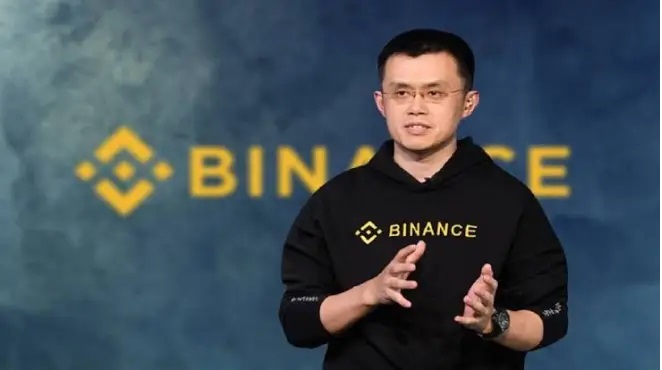
Changpeng Zhao Transferred from Prison to a Halfway House

0

Changpeng Zhao, commonly known as “CZ,” the founder of Binance, has been a central figure in the cryptocurrency world. His recent journey through the legal system has been closely followed by investors, enthusiasts, and critics alike. After a period of incarceration, CZ has now been transferred to a halfway house, marking a significant transition in his sentence and a step closer to his eventual release.

CZ’s transfer from prison to a halfway house is not an indication of freedom but rather a change in the conditions of his confinement as he approaches the end of his sentence. A halfway house, or residential reentry management (RRM) field office, is a facility that assists inmates nearing their release date. It is designed to help individuals reintegrate into society by providing a structured, yet less restrictive environment compared to prison.

The move to a halfway house typically involves a set of rules that residents must follow, which include curfews, job search requirements, and participation in community-based programs. These rules are in place to ensure that the transition from incarceration to freedom is smooth and that the individuals are prepared to re-enter society as law-abiding citizens.

CZ’s time in the halfway house will also allow him to reflect on the events that led to his legal challenges. The lawsuit brought against him and Binance by three crypto investors has raised questions about the exchange’s anti-money laundering (AML) and know-your-customer (KYC) regulations. The allegations suggest that Binance’s lax compliance allowed criminals to launder stolen funds through the exchange, highlighting the importance of robust AML and KYC practices in the cryptocurrency industry.

Binance has taken a proactive stance to reinforce its commitment to regulatory compliance and operational integrity. The company has announced plans to significantly expand its workforce, with a particular focus on enhancing its compliance teams. This move is indicative of Binance’s dedication to adhering to regulatory standards and addressing the concerns raised by various legal entities.

The expansion includes the recruitment of 1,000 new employees, aiming to bolster the compliance department from 500 to 700 staff members. This strategic decision aligns with the company’s increased regulatory costs, which have surged to over $261 million, reflecting the heightened scrutiny and the obligations stemming from a US plea agreement.

Binance’s CEO, Richard Teng, has emphasized the importance of regulations and government agencies in the cryptocurrency sector, acknowledging the company’s responsibility to comply with legal standards. Under his leadership, Binance has already processed a significant number of requests from law enforcement agencies, indicating the company’s cooperation with regulatory bodies.

Despite the ongoing legal issues, including a lawsuit from the US Securities and Exchange Commission (SEC), Binance remains optimistic about its ability to navigate the complex regulatory landscape. The company has also made operational changes, such as tightening the criteria for listing new digital tokens and separating its venture capital arm, to further demonstrate its commitment to compliance and transparency.

Binance’s response to these challenges showcases the company’s resolve to maintain its position as a leading cryptocurrency exchange while ensuring that it operates within the bounds of legal and regulatory frameworks. The crypto community and investors are keenly observing how Binance’s efforts in enhancing compliance will shape the future of the platform and its role in the broader cryptocurrency market.

As CZ serves the remainder of his sentence, the crypto community watches with bated breath. His case has brought to light the regulatory pressures facing the cryptocurrency industry and the need for exchanges to adhere to legal standards to prevent misuse. The outcome of CZ’s legal battles and his reentry into the crypto space will undoubtedly have a lasting impact on the industry’s future.

The story of CZ is a reminder of the complexities and risks associated with the rapidly evolving world of cryptocurrency. It underscores the importance of regulatory compliance and the consequences of oversight. As CZ prepares for his full release, the crypto world awaits to see how his experiences will shape his approach to business and leadership in the ever-changing landscape of digital finance.
Massive Investing Opportunity: BNB, AVAX, and MinePro, What’s Fueling the Gains?

0

Recent Surges Warrant An Analysis: What Is Behind Them And What Is The Best Bet?

In the end of this thrilling week filled with different token surges, BNB and AVAX have emerged as top performers, riding the waves of strategic moves and market optimism which we will explore in this article. At the same time, MinePro, a new project that is already making headlines and offering an innovative approach that could reshape how web3 degens partake in BTC mining with a brand new mining model. But with the market as unpredictable as ever, the big question is: will these tokens/projects sustain their momentum, or are they just enjoying a brief moment in the sun?

BNB On The Rise—Backed By Compliance

BNB, the native token of BNB Chain, has been on a roll, extending its recovery streak for the third consecutive week. BNB has soared to approximately $590 as of August 23rd. Several factors are driving this impressive performance, but the key contributors are Binance’s strategic expansion of its compliance team and dovish signals from the Federal Reserve. CEO Richard Teng emphasized that this move is aimed at strengthening the company’s regulatory compliance efforts, a critical step given the mounting pressure Binance has faced from regulators worldwide.

Adding fuel to the fire, recent Federal Reserve minutes have hinted at a potential shift towards a more dovish monetary policy, with several Fed officials acknowledging the possibility of cutting interest rates in September. This prospect has increased demand for non-yielding risky assets like cryptocurrencies, contributing to BNB’s price surge. However, it’s worth noting that the technical indicators suggest potential bullish exhaustion, raising questions about whether this rally can be sustained.

AVAX’s Uptrend—The Impact of Media Hype and Institutional Interest

Avalanche (AVAX) has also been making headlines with its impressive recovery, gaining over 45% in the past two weeks after hitting a nine-month low of $17.29. Positive media coverage and institutional interest have been significant drivers behind this rally, as investors zoom in on the altcoin’s potential for further gains.

But besides the media support, one of the key factors boosting AVAX’s price is definitely the recent announcement of the Grayscale Avalanche Trust, which offers investors exposure to the network’s growing ecosystem. This move by Grayscale Investments has undoubtedly sparked renewed interest in AVAX, particularly among institutional investors. Additionally, Franklin Templeton’s expansion of its Onchain US Government Money Fund to the Avalanche network has further fueled optimism, signaling growing confidence in the blockchain’s capabilities.

MinePro—Capitalizing on Bitcoin’s Continued Dominance

As BNB and AVAX navigate their respective bullish waves, MinePro stands out as a formidable player, particularly for those interested in profits made from Bitcoin mining. Unlike traditional mining methods that require significant upfront investment and time to turn a profit, MinePro offers a more accessible and efficient approach through tokenized Bitcoin mining.

By staking the $MINE token, investors can earn consistent monthly returns in Bitcoin, benefiting from the stability and long-term growth potential of the world’s leading cryptocurrency. This innovative model democratizes Bitcoin mining, making it accessible to a broader audience and reducing the barriers to entry that have historically limited participation in this sector.

MinePro’s presale success, reaching $700,000 raised in a single day, speaks for itself, especially since the presale was launched at a time where the entire market was down, and still there was large investing interest.

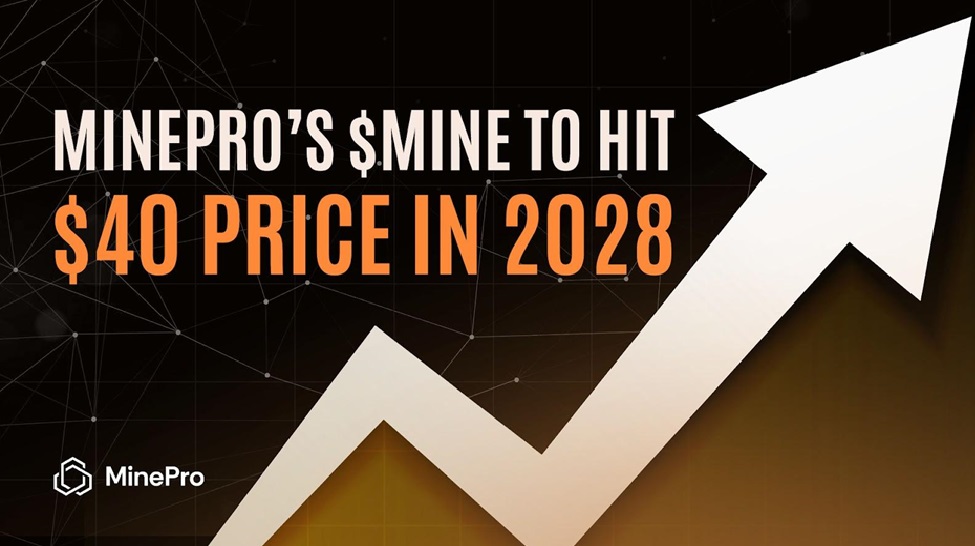
With Bitcoin ETFs continuing to attract substantial investments, MinePro is well-positioned to ride the wave of Bitcoin’s dominance. Experts predict that the $MINE token could reach $50 by the end of 2025, driven by the ongoing success of Bitcoin and the increasing adoption of tokenized mining as the future of the industry.

Overall, The Future of BNB, AVAX, and MinePro Is A Bullish Kind Of Bright

As BNB capitalizes on regulatory strides and strategic expansions, it’s carving out a more resilient position in a market often fraught with volatility. The recent moves by Binance to bolster its compliance team suggest a future where BNB might not just survive but thrive as a staple in the crypto space. On the other hand, AVAX’s resurgence offers a compelling case of how positive news and strategic partnerships can fuel a robust recovery. The involvement of heavyweights like Grayscale and Franklin Templeton could be the harbinger of a new era for Avalanche, where the token’s utility is recognized beyond just hype. Yet, the challenge lies in sustaining this momentum; real, organic growth in user activity and ecosystem development will be the ultimate test of AVAX’s staying power.

But taking a step back, it’s clear who the best contender is at the moment.  As Bitcoin ETFs continue to gain traction and the demand for decentralized financial products grows, MinePro’s innovative model could see it emerge as a key player in this new landscape, as it already shows promising early results. The potential for substantial returns, coupled with the growing interest in Bitcoin-related investments, suggests that MinePro could be more than just a speculative play—it could be a long-term cornerstone for those looking to invest in the future of crypto mining.

Join MinePro Presale Now:


Presale: https://mineprobusiness.net/

Telegram: https://t.me/MineProBitcoin

Discord: https://discord.gg/dWtWJjwNYy

admin@mineprobusiness.net


Additional disclaimer: The opinions in this article belong solely to the author and do not reflect those of MinePro or its team. MinePro and its affiliates are not liable for any content provided.

This information is not financial advice and does not consider your individual circumstances or needs. We recommend conducting your own research or seeking independent professional advice before making financial decisions based on this content.

Exploring Sony’s Foray into Ethereum Layer 2 Networks

0

In a groundbreaking move that marks a significant milestone in the convergence of traditional electronics and blockchain technology, Sony has announced the imminent launch of its own Ethereum Layer 2 network, dubbed “Soneium.” This initiative represents a bold step by the Japanese tech conglomerate, known for its innovative consumer electronics, to carve out a space in the rapidly evolving blockchain ecosystem.

The development of Soneium is a testament to Sony’s commitment to fostering an open internet environment. By leveraging the Ethereum blockchain, Sony aims to create a platform that transcends the current limitations of Web2, offering a decentralized and scalable solution that could revolutionize various industries, including entertainment, gaming, and finance.

The Soneium Network is poised to operate as a Layer 2 solution, which means it will function atop the existing Ethereum blockchain, benefiting from its security and decentralization while offering faster transaction speeds and reduced costs. This is made possible through the use of rollup technology, specifically Optimism’s OP Stack, which bundles multiple transactions into a single one, thus enhancing efficiency and scalability.

Sony’s strategic partnership with Startale Labs, a Singapore-based blockchain firm, further underscores the collaborative nature of this venture. The alliance brings together Sony’s vast experience in technology and content creation with Startale’s expertise in blockchain development, setting the stage for a robust and user-friendly blockchain network.

The anticipation for Soneium’s testnet, which is set to go live soon, is palpable. The testnet will serve as a crucial testing ground, mirroring the conditions of the mainnet and allowing developers to fine-tune their applications before the full-scale launch. This phase is critical for ensuring that the network can handle real-world usage and is free from vulnerabilities.

Looking ahead, Sony envisions a multi-phased deployment plan for Soneium. Initially, the focus will be on attracting Web3 users and developers to the platform. Within the next two years, the aim is to integrate Soneium with Sony’s diverse product lineup, potentially including Sony Bank, Sony Music, and Sony Pictures. By the third year, the goal is to onboard enterprises and general decentralized applications (dApps), thereby expanding the network’s reach and utility.

The launch of Soneium is not just a significant event for Sony but also for the broader blockchain community. It signals a growing interest from established tech giants in blockchain technology and its potential applications. As Sony embarks on this new venture, the industry watches with keen interest, anticipating the innovative solutions and opportunities that Soneium may bring to the table.

For developers and enthusiasts alike, the upcoming testnet launch is a momentous occasion, marking the beginning of a new era where the boundaries between traditional consumer electronics and blockchain technology are blurred. With Soneium, Sony is not just entering the blockchain space; it is redefining it, promising a future where the open internet is not just a concept but a reality.

Stay tuned for more updates on this exciting development as Sony continues to push the envelope, driving innovation and embracing the transformative power of blockchain technology. The testnet launch of Soneium is just around the corner, and it promises to be a pivotal moment in the journey towards a more open, decentralized, and interconnected digital world.

Social Media Influencer Marketing – Does It Offer Value for Businesses?

0

Let’s face it: traditional advertising is losing its effectiveness significantly. Everywhere we turn, our eyes catch some ad; frankly, we’ve gotten pretty good at dismissing them. But when you scroll through Instagram, and one of your favorite Instagram chefs showcases a meal using a particular brand of cookware, that gets your attention, doesn’t it?

The reason behind this is not far-fetched. Today, the marketing space is more crowded and competitive than ever. People have become increasingly skeptical of polished, corporate-driven messages. They seek authenticity, connection, and trust—qualities many traditional ads struggle to deliver. This shift has prompted new strategies in marketing and advertising, one of which is influencer marketing.

What is Social Media Influencer Marketing?

Influencer marketing is a promotional strategy wherein businesses partner with influential industry voices to amplify their company, products, or services and promote them to a relevant audience. When combined with social media, influencer marketing involves partnering with individuals with a significant and engaged following on platforms like Instagram, TikTok, YouTube, or Twitter. These influencers—whether they are celebrities, industry experts, or everyday individuals with a niche audience—can sway their followers’ purchasing decisions through content creation, product endorsements, and authentic engagement.

However, influencer marketing isn’t a new trend. Brands have always understood the power of association and the need to tap into consumers’ trust and admiration for public figures.Whether it was movie stars, athletes, or musicians, these influencers have always played a key role in shaping consumer behavior. If you followed the popular trends some years back, you might remember when famous actress Genevieve Nnaji was the face of Lux beauty soap or Kanu Nwankwo was the critical face in Peak milk adverts. That was influencer marketing in action, albeit in a traditional style.

However, with the rise of social media, brands no longer have to depend on A-list celebrities to drive influence and sales. Social media has democratized influence, turning everyday people into influential brand ambassadors. With just 10,000 followers, that fitness enthusiast next door could be valuable to a local gym.

Unlike traditional celebrities, social media influencers often cultivate a more personal connection with their audience. They share their lives, thoughts, and recommendations in real time, making their endorsements feel more like suggestions from a friend rather than another sales pitch. This relatability and authenticity are vital reasons influencer marketing has become a crucial brand tool. It can help establish credibility and trust, attract quality leads, and boost brand awareness.

The dimension social media has added to influencer marketing is even more impressive. Previously, brands could only imagine the real-time interaction and feedback that platforms like Instagram, TikTok, and YouTube now offer. Today’s influencers are not just faces in an ad but content creators, storytellers, and community builders. They engage with their followers daily, responding to comments, answering questions, and sharing their lives authentically and unscripted.

However, we are getting to the point where we must decide if social media influencer marketing impacts the numbers at the end of the day or if it is just another vanity metric. When the influencer advertises your product to 10,000 or 20,000 followers, you get new followers, right? Now, what exactly is the percentage of followers you get from it? And then what percentage of those followers eventually translate to sales? It is one thing to have your followers increasing every month, but if those numbers are not converting to sales, you may find yourself in a tough spot soon.

As much as social media influencer marketing benefits brand growth, there is the question of whether it is worth being considered a core marketing strategy or is better off as an add-on. Again, the answer may vary across industries, so businesses in some sectors may find influencer marketing more valuable than others.

Tekedia Weekend Crypto and Blockchain Digest

0

In the ever-twisting saga of politics and finance, former President Donald Trump has thrown his hat into the crypto ring with “The DeFiant Ones,” a decentralized finance (DeFi) platform. Promoted on his Truth Social platform, it’s touted as a way to liberate the average Joe from the clutches of financial elites.

Now, if you’re scratching your head wondering if this is the same Trump who once called Bitcoin “a scam,” you’re not alone. It seems the winds of the crypto world have shifted, and so have the sails of the Trump fleet. With promises of shaking up the financial status quo, the Trump family is now embracing the digital gold rush.

Details are as scarce as humility at a billionaire’s convention, but the buzz is undeniable. The platform’s launch is shrouded in mystery, much like the plot of a spy novel where the protagonist has a penchant for gold-infused buildings and reality TV shows.

Just recently, Bitcoin decided to play hopscotch between the $60,000 and $62,000 lines, as if it were deciding whether to dip its toes in the pool or jump in headfirst. The broader crypto market watches with bated breath, like an audience at a stand-up show, waiting for the punchline.

But let’s not forget the supporting cast, the altcoins, who follow Bitcoin’s lead like a troupe of improvisational actors, never quite sure of their next move but always ready to take the stage. So, if you’re keeping score, or rather, checking your crypto wallet, remember that in the grand casino of digital currencies, Bitcoin is both the high roller and the wildcard.

The recent surge in AAVE’s price, which saw a remarkable 45% increase, has been attributed to several key factors that have excited investors and market watchers alike. This decentralized finance (DeFi) token’s performance has outshone other top cryptocurrencies, and here’s why.

Firstly, the Aave-Chan Initiative’s founder, Marc Zeller, proposed a significant change to the tokenomics of AAVE by introducing a fee switch. This would redistribute the platform’s net excess revenue to vital ecosystem participants and support a buyback of tokens from the secondary market. This proposal was seen as a game-changer, potentially creating a positive feedback loop that could enhance the token’s value.

Moreover, the “Umbrella” proposal aimed to revamp the protocol’s risk management and ease market pressures. It suggested a shift from the current “seize and sell” loan liquidation process to a “seize and burn” mechanism, which could alleviate sell-side pressures during loan liquidations.

Zone Payment Network has entered into a strategic partnership with the Nigeria Inter-Bank Settlement System (NIBSS) to enhance the Point-of-Sale (POS) integration process across the country. This collaboration is poised to revolutionize the payment terminal service aggregator functions by harnessing the power of blockchain technology.

The partnership aims to address the challenges of transparency and efficiency in Nigeria’s payment system. By leveraging blockchain, the initiative promises to streamline transaction processing between banks and other financial service providers, thereby enhancing the reliability and security of transactions.

A key feature of this partnership is the automated resolution of chargebacks, which will allow for refunds of declined transactions to be processed swiftly, reducing the need for manual intervention and improving the customer experience. Additionally, the real-time validation of transaction status will improve liquidity and overall business operations, proving to be a game-changer for merchants.

Australia’s Securities Regulator has emerged victorious against Kraken’s local operator. It seems that even mythical sea creatures must abide by the rules when swimming in the regulatory waters down under. The Federal Court of Australia has ruled that Bit Trade Pty Ltd, the operator of the Kraken crypto exchange in Australia, was a bit too cavalier with its margin trading product. They failed to make a “target market determination” before offering it to the public, which is a fancy way of saying they didn’t do their homework.

Kraken, known for its mighty tentacles and fearsome reputation in crypto seas, was found to have extended its margin lending product to customers without the necessary legal blessings. The court’s decision highlights the importance of compliance, even in the wild west of cryptocurrency exchanges.

The Australian Securities and Investments Commission (ASIC), akin to a financial lifeguard, has been vigilant in ensuring that everyone plays by the rules. They’ve given Kraken and Bit Trade seven days to agree on declarations and injunctions, and they’re not just after a slap on the wrist; they’re seeking financial penalties.

Kraken’s spokesperson expressed disappointment but acknowledged the company’s readiness to comply with the court’s decision. It’s a reminder that, in the land of kangaroos and koalas, even the most formidable crypto creatures must hop along to the tune of regulatory compliance.

Worldcoin has found itself in a bit of a pickle—or should we say, a data pickle. The ambitious project, spearheaded by Sam Altman, aimed to scan the irises of individuals to create a unique digital ID and distribute its own cryptocurrency. It’s like they say, “Eye for an eye, and a coin for an iris,” right?

However, it seems that Worldcoin’s vision for a universal basic income might have been a little too visionary, as Colombia’s Superintendence of Industry and Commerce (SIC) has raised an eyebrow—or an iris—at their data collection practices. The SIC has accused Worldcoin of allegedly violating the personal data protection regime, which is a fancy way of saying, “Hey, maybe don’t scan people’s eyeballs without proper policies in place.”