DD
MM
YYYY

PAGES

DD
MM
YYYY

spot_img

PAGES

Home Blog Page 3091

Join Tekedia Capital Ahead of Next Investment Cycle

1

Nations rise when great entrepreneurs emerge. At Tekedia Capital, we partner with great entrepreneurs and companies to advance the wealth and prosperity of nations, by solving and fixing frictions in the markets.

From Remy Security (USA) to VaultPay (Congo DRC), from Binta (Canada) to Egoras (Nigeria), from MeekFi (Benin Republic) to Winich Farms (Nigeria), from Mudupay (Guinea) to Dime (USA), from and to dozens of other companies, Tekedia Capital is creating a new asset class and building wealth for members.

You can join as an individual, a group of friends, a syndicate, an investment club, a company, a family, etc. A new investment cycle is coming and it will be the best yet. Go here and join Tekedia Capital, Africa’s largest investment syndicate, investing $millions yearly.

The Nigeria’s Special 50% Windfall Tax On Banks’ FX-Anchored Profits

1

Updating my last post on Nigeria’s plan to tax forex-anchored profits of Nigerian banks, as the government pushes the budget from N28.7 trillion to N34.9 trillion, with plans to fund infrastructure projects and cushion economic challenges.  That is about  N6.2 trillion increase on the benchmark. Already, the requested amendment has passed second reading in the National Assembly. The revelation is this: “there is a proposal to tax banks 50% of their realized profits on foreign exchange (FX) gains”.

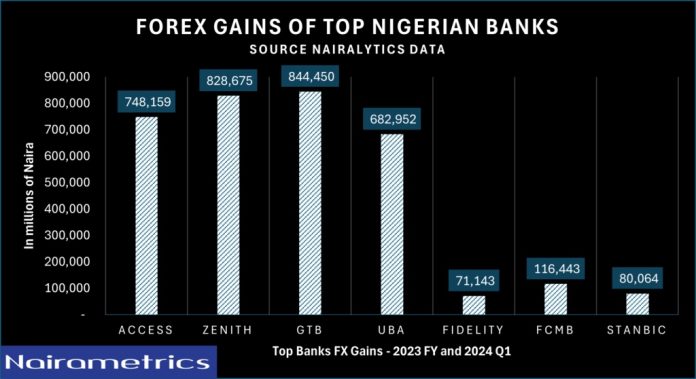
Nigeria’s banks reported about N3.5 trillion from FX gains. The gains include natural gains from normal FX-related gains in banking and gains as a result of the floating of Naira. It is also important to note that some of the gains are unrealised book gains (you hold an asset which you bought for $1 using N500/$, but now Naira is N1,500/$, you book that the investment has returned N1,000 even though you might not have liquidated it).

Now, many things will happen as the government goes to tax those gains. The banks certainly have their records of realized and unrealized gains, and the apex ideally knows what those numbers are. That said, even if the government can work on legislation to do this, it can get about N2 trillion which means N4.5 trillion offset remains for this budgetary amendment.

This must be revealing to the government considering that its budget shifted because of the FX policies. Unfortunately, unlike the government which can enact new laws to get profits from banks, many companies cannot plug the holes in their own budgets. The next 6 months will be interesting in Nigeria. Good luck, Nigeria.

The Nigeria’s Windfall Tax on Banks

Exploring GTBank’s GTCO Public Offer and Impacts on Investment and Funding

0

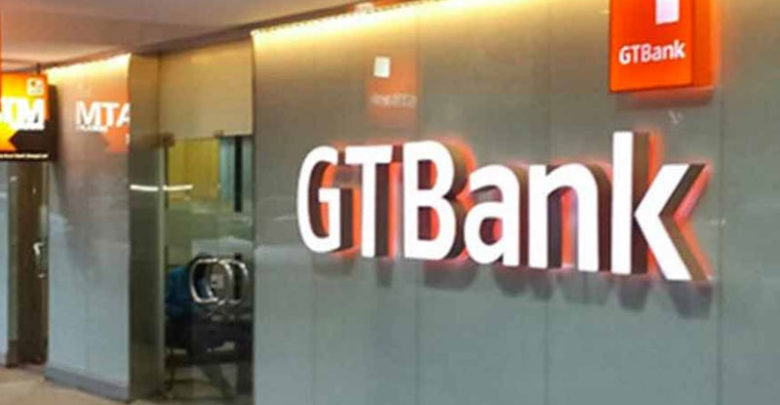
Guaranty Trust Bank (GTBank)’s parent company, Guaranty Trust Holding Company (GTCO), has recently announced a significant public offer with the intention to raise substantial capital. This move is set to have a profound impact on the bank’s investment capabilities and funding base, marking a pivotal moment in the financial sector.

The public offer by GTCO aims to raise between N450 billion and N525 billion, a decision influenced by the Central Bank of Nigeria’s directive for banks to recapitalize. Recapitalization is essential for banks to bolster their capital adequacy, ensuring they can meet regulatory requirements and support the economy effectively. This fund is largely for GTBank in the holdco.

For investors, this public offer represents an opportunity to become part of a leading financial institution’s growth journey. With the offer of 9 billion new ordinary shares at N44.50 per share, GTCO is opening its doors to new shareholders and providing a chance for existing ones to increase their stake.

The most immediate risk associated with any public offer is market risk. This encompasses the volatility of the stock market, which can affect the value of the shares post-offer. Investors may face the possibility of a decline in share price due to market fluctuations, which could lead to potential losses.

For existing shareholders, the issuance of new shares means dilution of their current shareholding. This dilution can lead to a reduction in an individual shareholder’s influence over corporate decisions and a potential decrease in earnings per share.

The success of the public offer is contingent upon the bank’s ability to effectively execute its expansion and growth strategies. Any missteps in the deployment of the raised capital could adversely affect the bank’s financial performance and, consequently, investor returns.

The infusion of fresh capital through this public offer is expected to enhance GTBank’s funding base significantly. This will enable the bank to undertake larger transactions, which is crucial in an economy aiming for exponential growth under President Bola Tinubu’s vision of a $1 trillion economy.

GTBank operates in a highly regulated environment, and any changes in regulatory policies or non-compliance with existing regulations could pose risks. The bank must navigate these regulations carefully to avoid penalties, which could impact its financial health and reputation.

The Future Outlook

The capital raised will not only stabilize GTBank’s capital structure but also secure shareholders’ funds. It is anticipated that this strategic financial maneuver will lead to a more robust dividend payout for shareholders in the coming years, aligning with the bank’s growth and profitability objectives.

As a financial institution, GTBank is subject to interest rate risks. Fluctuations in interest rates can affect the bank’s net interest margin. Additionally, the bank faces credit risk, which involves the potential default of borrowers, impacting the bank’s asset quality.

The bank’s performance is also tied to the economic conditions of the regions it operates in. Economic downturns or instability can lead to reduced banking activity, affecting the bank’s profitability and the success of its public offer.

GTBank’s public offer is a strategic initiative that will have far-reaching implications for the bank’s investment and funding base. It is a testament to the bank’s proactive approach to adhering to regulatory directives and its commitment to playing a significant role in Nigeria’s economic future. As the financial landscape evolves, GTBank’s move could set a precedent for other financial institutions in the region.

Crypto Communities and Business Evaluations on US Politics

0

The landscape of U.S. politics is undergoing a significant transformation, influenced by the burgeoning presence of cryptocurrency. The crypto community, once a fringe element, has now emerged as a formidable force in political circles, wielding its influence through strategic contributions and lobbying efforts. This shift is not just a fleeting trend but a reflection of the evolving intersection between technology, finance, and governance.

Recent developments have highlighted the crypto industry’s impact on U.S. politics. For instance, the bipartisan support for crypto-friendly legislation moving through Congress marks a pivotal moment, signaling a departure from traditional partisan divides. The industry’s political action committees (PACs) are shaping key Congressional elections, with substantial funds being allocated to support crypto-friendly candidates. This strategic deployment of capital underscores the industry’s commitment to fostering a regulatory environment conducive to its growth and innovation.

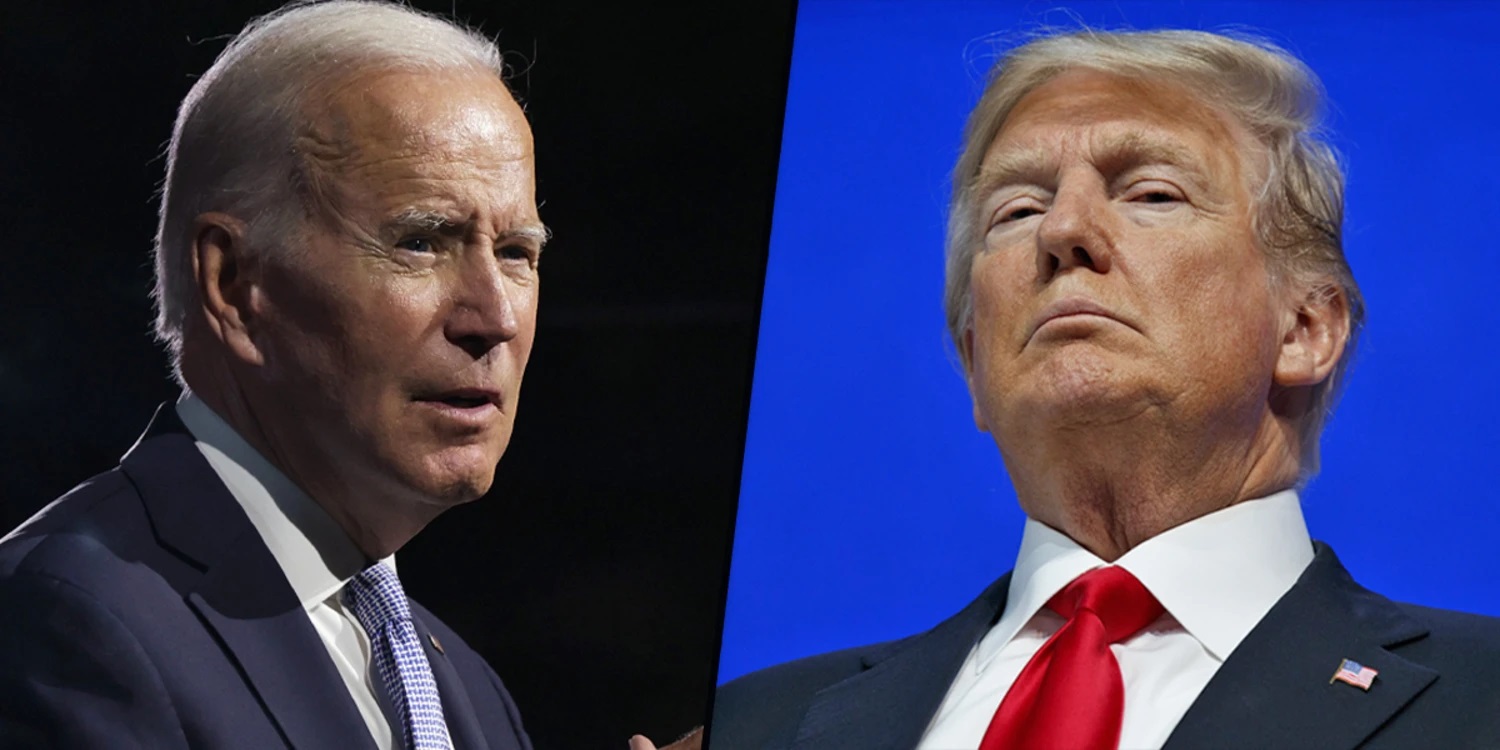
The political clout of the crypto community is further evidenced by the attention it receives from high-profile politicians. Former President Donald Trump’s openness to accepting campaign contributions in cryptocurrency is a testament to the industry’s growing relevance. Moreover, the shift in stance by previously crypto-skeptical lawmakers, such as Senator Sherrod Brown, suggests a recognition of the industry’s economic power and its potential to influence policy decisions.

From a business evaluation standpoint, the crypto industry’s foray into U.S. politics presents both opportunities and challenges. On one hand, the industry’s influence could lead to the establishment of a more favorable regulatory framework, fostering innovation and attracting investment. On the other hand, the volatility and unpredictability associated with cryptocurrencies pose risks that businesses must navigate carefully.

The crypto industry is on the brink of a regulatory evolution. As governments worldwide strive to establish frameworks to govern digital assets, businesses operating within this space must prepare for the impending changes. The key to navigating this regulatory maze lies in proactive adaptation and strategic planning.

The first step for any business is to gain a comprehensive understanding of the current and proposed regulations that could impact their operations. This involves keeping abreast of global regulatory trends, such as the European Union’s Markets in Crypto-Assets Regulation (MiCA) and the United States’ evolving legislative efforts. By staying informed, businesses can anticipate shifts and adjust their strategies accordingly.

The crypto community’s engagement in U.S. politics also raises questions about the future of financial regulation and the role of digital assets in the economy. As the industry continues to expand its influence, it will be crucial for businesses to monitor these developments closely, assess their implications, and adapt their strategies accordingly.

The political, economic, and governance attitudes of blockchain users are diverse, reflecting a microcosm of the broader society. A survey of blockchain users reveals a range of beliefs and political affiliations, highlighting the multifaceted nature of the community and its potential impact on policy and governance.

As the cryptocurrency industry continues to expand its political influence, it is essential to consider the implications for business evaluations. The industry’s lobbying efforts and political contributions have skyrocketed, with federal lobbying spending reaching $21.6 million in 2022.

The intersection of cryptocurrency and U.S. politics is a dynamic and evolving narrative. The crypto community’s increasing involvement in political processes reflects its desire to shape policy outcomes that align with its interests. For businesses, understanding this landscape is essential for making informed decisions and capitalizing on the opportunities presented by this digital revolution.

Wall Street’s Pivot to Shares in Small Cap Companies

0

In recent times, Wall Street has shown a marked shift in investment strategy, pivoting towards small-cap companies. This move is significant, as it indicates a broader change in market sentiment and investment patterns. Traditionally, large-cap companies have been the preferred choice for many investors due to their stability and predictable returns. However, the current trend suggests a growing confidence in the potential of small-cap stocks.

Small-cap companies, typically defined as having a market capitalization between $300 million and $2 billion, represent a dynamic and diverse segment of the market. These companies, often in the early stages of development, offer unique opportunities for investors seeking growth potential.

The shift can be attributed to several factors. One of the primary reasons is the cooling of inflation and the anticipation of interest rate cuts by the Federal Reserve. These economic indicators have historically been favorable for small-cap companies, which are more sensitive to changes in the economic landscape. As inflation cools, the cost of borrowing decreases, allowing these smaller companies to invest and grow more efficiently.

Moreover, the rotation from mega-cap stocks to small-cap stocks could potentially lead to increased capital deployment in other emerging markets, such as cryptocurrencies. This is particularly interesting as it suggests that traditional investors are becoming more open to exploring alternative investment avenues outside of the stock market.

The performance of small-cap stocks, as measured by the Russell 2000 index, has seen a surge, outpacing the tech-heavy Nasdaq index, which has remained relatively unchanged. This divergence in performance further underscores the growing investor interest in small-cap companies.

The Federal Reserve’s dovish stance and the strong economic data have also played a role in bolstering investor confidence in small-cap stocks. The central bank’s intention to cut interest rates is expected to sustain the economic expansion and could be particularly beneficial for small-cap stocks, which tend to thrive in a growing economy.

The rally in small-cap stocks is not just confined to the technology sector. Other sectors, including financial services, industrials, and healthcare, have also shown significant gains. This broad-based rally is indicative of a robust economic outlook and a belief that elevated interest rates will not significantly hamper economic growth.

Here are some examples of small-cap companies across various sectors:

Semrush Holdings, Inc. (SEMR) – A global company that provides a SaaS platform for managing digital marketing activities.

Immunocore Holdings plc (IMCR) – A biotechnology company focused on developing T-cell receptor-based immunotherapies.

AMN Healthcare Services, Inc. (AMN) – The largest healthcare staffing company in the United States.

Verint Systems Inc. (VRNT) – A company that specializes in customer engagement and actionable intelligence solutions.

NovoCure Limited (NVCR) – A global oncology company striving to extend survival in some of the most aggressive forms of cancer.

Edgewell Personal Care Company (EPC) – A manufacturer of personal care products with a portfolio of over 25 brands.

These companies are just a few examples of the small-cap universe, which is rich with innovation and growth potential. From tech startups to established healthcare providers, small-cap companies span a wide range of industries and offer diverse investment opportunities. As the market evolves, these companies could play a pivotal role in the broader economic landscape.

Wall Street’s pivot to shares in small-cap companies reflects a strategic realignment in response to changing economic conditions. This trend is a testament to the resilience and dynamism of the financial markets, as investors seek to capitalize on growth opportunities presented by smaller, agile companies.

As the economic landscape continues to evolve, it will be interesting to observe how this pivot influences market dynamics and investment strategies in the long term. For investors, this could be an opportune time to reassess portfolios and consider the potential benefits of diversifying into small-cap stocks.