DD
MM
YYYY

PAGES

DD
MM
YYYY

spot_img

PAGES

Home Blog Page 3104

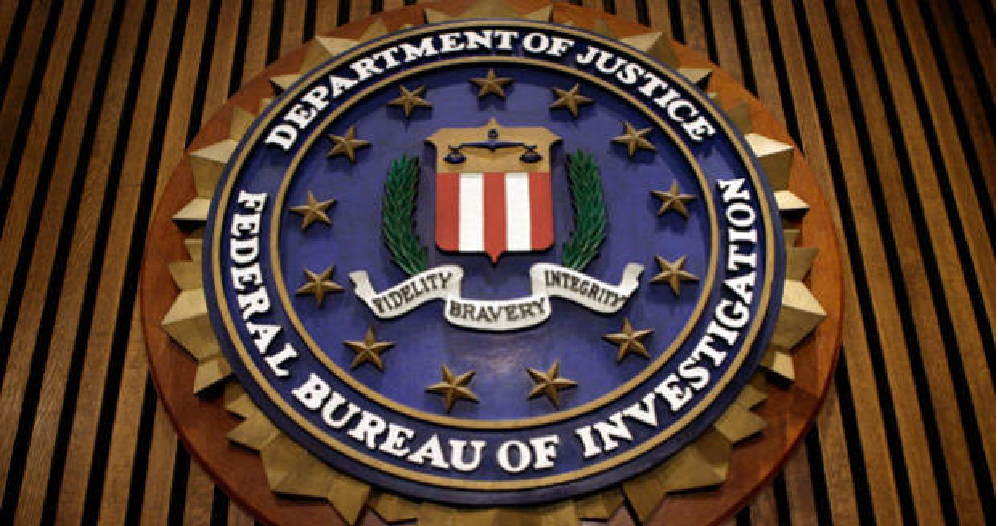
FBI Seizes Cryptocurrency Linked to North Korea Group

0

In a significant development in the realm of cybersecurity, the FBI has taken decisive action against ransomware activities linked to North Korea. This move underscores the increasing complexity of cyber threats and the pivotal role of cryptocurrency in modern cyber warfare.

Ransomware attacks have become a tool of choice for many cybercriminals, and the involvement of state-sponsored actors adds a layer of sophistication and danger to these already perilous activities. The recent indictment of a North Korean operative in connection with ransomware attacks on American hospitals, military bases, and even NASA highlights the global reach and impact of these cyber threats.

The use of ransomware by North Korean hackers is not just a means of causing disruption; it is also a method of circumventing international sanctions and funding the country’s military and nuclear ambitions. The Justice Department’s seizure and forfeiture of approximately $500,000 from North Korean ransomware actors demonstrate a proactive approach to disrupting these malicious activities.

The FBI’s investigation revealed the use of a ransomware strain called Maui, which was deployed against a medical center in Kansas, leading to a significant Bitcoin ransom payment. Thanks to the medical center’s prompt reporting and cooperation with law enforcement, the FBI was able to trace the cryptocurrency to China-based money launderers, seize the funds, and initiate proceedings to return the stolen money to the victims.

This case exemplifies the critical importance of reporting cyber incidents to law enforcement and cooperating with investigations. Such actions not only protect national interests but also serve as a deterrent to future attacks. The FBI’s ability to identify a previously unknown ransomware strain and disrupt the activities of a North Korean state-sponsored group deploying it is a testament to the effectiveness of collaboration between victims and law enforcement agencies.

China, Russia, Iran, and North Korea are often cited as the primary actors in state-sponsored cyber operations, accounting for a substantial portion of these activities worldwide. These nations have developed sophisticated cyber units capable of conducting espionage, intellectual property theft, and disruptive attacks. For instance, China’s evolving techniques in cyber warfare have drawn attention from international cybersecurity agencies, highlighting the need for vigilance and updated defense mechanisms.

However, the threat landscape is not limited to these four nations. Other countries, including Turkey and Vietnam, have also been identified as emerging players in state-sponsored cyber activities. These nations are expanding their capabilities and have been linked to various cyber operations aimed at advancing their strategic interests.

The Cyber Operations Tracker maintained by the Council on Foreign Relations provides a database of publicly known state-sponsored cyber incidents, offering insights into the breadth and depth of operations conducted by various countries. According to this tracker, sectors ranging from civil society and government to military and private sector have been targeted, demonstrating the far-reaching impact of these cyber operations.

The broader implications of this case extend to the international community, as the North Korean group targeted entities across multiple U.S. states and international locations, including defense and energy companies in China, Taiwan, and South Korea. The stolen information reportedly included details of fighter aircraft, missile defense systems, satellite communications, and radar systems, which could significantly bolster North Korea’s military capabilities.

The intersection of cybersecurity and cryptocurrency presents unique challenges and opportunities for law enforcement agencies worldwide. The anonymity and ease of transfer associated with cryptocurrencies make them an attractive target for cybercriminals. However, the same properties also provide avenues for tracking and seizing illicit funds, as demonstrated by the FBI’s recent actions.

As the digital landscape continues to evolve, the need for robust cybersecurity measures and international cooperation becomes increasingly apparent. The FBI’s seizure of cryptocurrency linked to North Korean ransomware is a reminder of the ongoing battle against cyber threats and the importance of remaining vigilant in the face of these evolving challenges.


Coinbase Subsidiary Company, CB Payments Ltd (CBPL), Fined £3.5M in UK

0

In a significant development within the cryptocurrency sector, Coinbase’s UK subsidiary, CB Payments Ltd (CBPL), has been fined £3.5 million (approximately $4.5 million) by the UK’s Financial Conduct Authority (FCA) for lapses in its customer onboarding controls. This marks a notable enforcement action by the FCA, emphasizing the increasing scrutiny on financial compliance within the crypto industry.

The fine was levied after it was found that CBPL had onboarded 13,416 high-risk customers for e-money services, despite existing restrictions. This breach of anti-money laundering regulations highlights the challenges that crypto-related businesses face in adhering to stringent regulatory frameworks.

The FCA’s decision underscores the importance of robust financial crime controls and the need for crypto firms to ensure diligent adherence to regulatory requirements. The fine also serves as a reminder of the potential consequences of regulatory non-compliance, which can include substantial financial penalties and reputational damage.

Here are a few notable examples:

Bittrex: The U.S. Treasury fined Bittrex $29.3 million for violating multiple U.S. sanctions and the Bank Secrecy Act. The company conducted transactions valued at over $260 million with individuals in regions under U.S. sanctions, such as Crimea, Cuba, Iran, Sudan, and Syria.

Investigations found that Bittrex did not implement adequate compliance programs and internal controls. This lack of proper controls left the platform open to abuse by bad actors, including money launderers, terrorist financiers, and sanctions evaders.

Binance: In a landmark case, Binance and its founder, Changpeng “CZ” Zhao, agreed to pay nearly $3 billion to settle a lawsuit with the U.S. Commodity Futures Trading Commission (CFTC), including a record $1.35 billion fine. The suit alleged that Binance offered unregistered crypto derivatives products in the U.S. and engaged in activities that undermined financial market integrity.

Industry-wide Fines: In 2023, cryptocurrency and FinTech companies were collectively fined $5.8 billion for lax financial controls. These fines were imposed for shortcomings such as insufficient customer checks, inadequate anti-money laundering measures, and non-compliance with sanctions and other financial crime regulations.

Coinbase has responded to the fine by affirming its commitment to high standards of regulatory compliance and acknowledging the need for improvements in its controls. The company has stated its willingness to work with regulators and enhance its compliance measures to prevent similar breaches in the future.

This incident is a clear indication that regulatory bodies are taking a firm stance on financial compliance within the cryptocurrency space. It also signals to other firms in the industry the importance of maintaining rigorous control frameworks to avoid similar punitive actions.

For the broader cryptocurrency market, this event may lead to increased vigilance and a reevaluation of compliance strategies to align with regulatory expectations. As the industry continues to mature, the emphasis on compliance and the role of regulatory bodies will likely become even more pronounced.

The fine imposed on Coinbase’s UK subsidiary is a pivotal moment for the crypto industry, serving as a cautionary tale and a call to action for enhanced regulatory compliance across the sector. These cases highlight the growing focus of regulatory bodies on the cryptocurrency sector and the importance of compliance with financial regulations. As the industry continues to evolve, the need for robust compliance programs becomes increasingly critical to avoid the risk of substantial fines and reputational damage.

Rebirth of Pax Americana is in Sight

0

The concept of Pax Americana, which translates to “American Peace,” has been a significant aspect of global politics and international relations since the end of World War II. The term is derived from the Latin “Pax Romana,” which described the state of relative peace within the Roman Empire, and similarly, “Pax Britannica” during the British Empire’s zenith. Pax Americana has come to represent the period of relative peace and stability enforced by the United States’ economic, cultural, and military dominance.

The inception of Pax Americana can be traced back to the post-World War II era, particularly with the implementation of the U.S. Marshall Plan. This plan saw the transfer of substantial economic aid to Western European countries, facilitating their recovery and establishing the United States as a benevolent leader in the process. The early period of Pax Americana focused on the peaceful nature of the North American region, expanding its influence globally with the Spanish-American War and the subsequent foreign policy shifts.

The notion of American exceptionalism is closely tied to Pax Americana. This idea posits that the United States holds a unique place among nations due to its national ethos, historical trajectory, political and religious institutions, and origins as a country of immigrants and the first modern democracy. Alexis de Tocqueville, a French sociologist, is often credited with articulating this concept, highlighting the United States’ special niche in the developed world.

Throughout the Cold War, Pax Americana was characterized by a system of tight military alliances and economic relationships aimed at containing Soviet influence. This system institutionalized Washington’s leadership of the non-Communist world and was a testament to the United States’ ability to marshal global cooperation against a common threat.

However, the concept has not been without its critics. Some argue that while Pax Americana suggests a peaceful order, it has also been associated with numerous conflicts and interventions driven by U.S. foreign policy interests. The end of the Cold War and the subsequent shifts in global power dynamics have led to discussions about the sustainability and evolution of Pax Americana.

In recent times, there has been a discourse on the potential rebirth of Pax Americana. This conversation revolves around the idea of reinvigorating the United States’ role in fostering global peace and stability through renewed leadership and international cooperation. The concept of a New Pax Americana suggests a hierarchical American bloc that, despite challenges, has shown resilience and adaptability.

The rebirth of Pax Americana would entail a recommitment to the principles of internationalism, economic collaboration, and collective security that were foundational to its original establishment. It would also require addressing contemporary challenges such as global terrorism, cyber threats, and the rise of new economic powers.

As the world continues to evolve, the idea of a rebirth of Pax Americana remains a topic of significant interest and debate among policymakers, scholars, and the public. Whether or not such a rebirth is in sight will depend on a multitude of factors, including the willingness of the United States and its allies to adapt to the changing geopolitical landscape and uphold the values that have historically underpinned this era of relative peace.

A Closer Look at AI Advances by Meta, Alphabet, OpenAI, and NVIDIA

0

In recent years, the field of artificial intelligence (AI) has witnessed unprecedented growth and innovation, transformed industries and shaped the future of technology. The latest announcements from Meta, Alphabet, OpenAI, and NVIDIA are a testament to the rapid advancements and the competitive spirit driving the AI sector forward.

Meta, formerly known as Facebook, has made significant strides with the unveiling of its new AI model, Llama 3.1. This open-source model is not only a leap in AI capabilities but also a strategic move in the ongoing competition among tech giants. Meta’s commitment to open-source AI models could democratize access to cutting-edge technology, fostering innovation and collaboration across various sectors.

This latest iteration, Llama 3.1, is not just an incremental update but a substantial leap forward in AI capabilities. Here are some of the key features that set Llama 3.1 apart:

Model Size: Llama 3.1 is one of the largest open-source language models available today, with a staggering 405 billion parameters. This immense size allows the model to process and understand complex data at an unprecedented scale.

Multilingual Support: The model boasts extensive multilingual capabilities, supporting conversations in multiple languages including Spanish, Portuguese, Italian, German, Thai, French, and Hindi. This feature enhances its utility for a diverse range of users and applications across different regions.

Alphabet, Google’s parent company, continues to be a dominant force in AI research and development. With its pioneering work in deep learning and neural networks, Alphabet has consistently pushed the boundaries of what AI can achieve. The company’s focus on integrating AI into its suite of products has made it an integral part of everyday life for millions of users worldwide.

OpenAI, backed by Microsoft, has been at the forefront of creating AI models that can perform a wide range of tasks, from natural language processing to complex problem-solving. The organization’s emphasis on ethical AI development and safety research is crucial in addressing the challenges that come with advanced AI systems.

NVIDIA, known for its powerful graphics processing units (GPUs), has played a pivotal role in the AI revolution. The company’s hardware has become the backbone of many AI applications, enabling faster and more efficient processing of large datasets. NVIDIA’s collaboration with OpenAI to develop the world’s most powerful AI GPU is a clear indicator of its commitment to advancing the field.

These developments reflect a broader trend in the AI industry: the race to achieve artificial general intelligence (AGI), a level of AI that can understand, learn, and apply knowledge in a way that is indistinguishable from human intelligence. While AGI remains a long-term goal, the current advancements are significant steps toward that vision.

The impact of these advancements extends beyond the tech industry. AI has the potential to revolutionize healthcare, education, transportation, and many other sectors. It can enhance efficiency, improve decision-making, and unlock new possibilities for innovation.

As we witness this AI renaissance, it is essential to consider the ethical implications and ensure that the benefits of AI are accessible to all. The collaborative efforts of Meta, Alphabet, OpenAI, and NVIDIA demonstrate a collective commitment to pushing the boundaries of AI while being mindful of its societal impact.

The future of AI is bright, and the contributions of these companies will undoubtedly shape the trajectory of this transformative technology. As AI continues to evolve, it will be fascinating to see how it reshapes our world and the way we interact with technology.

Nigeria’s Oil Revenue Surges by 30%, revenue-to-debt service ratio drops to 68% – Finance Minister

0

Nigeria’s oil sector has seen a significant increase in government revenue, rising from 11% in 2023 to 30% in the first half of 2024. This was announced by the Minister of Finance and Coordinating Minister of the Economy, Wale Edun, during a press briefing in Abuja.

The surge in revenue is attributed to the ongoing reforms of the government’s financial management systems, which have led to more efficient and effective revenue collection, although the benefits have not fully translated into broader economic stability.

Edun noted that the recent improvements in oil revenue stem from a larger effort to mobilize non-oil revenue, which also saw a 30% increase over the first half of 2023. This achievement surpassed the 2024 budget target without any increase in taxes, demonstrating the government’s success in enhancing its fiscal management.

“The government’s determination to mobilize non-oil revenue has consistently delivered impressive results.

“For the half-year 2024, non-oil revenue surpassed the revenue in the first half of 2023 by 30 percent above the 2024 budget target without any increases in taxes,” he said.

The increase in oil production and revenue was expected to boost forex inflows, easing pressure on the naira and improving FX liquidity in the market. Analysts said that higher oil exports would lead to increased foreign currency earnings, which would then bolster the Central Bank of Nigeria’s (CBN) reserves, providing a buffer against currency volatility. However, this anticipated relief has not been realized to the extent needed, as structural issues within the economy and the global oil market dynamics continue to pose challenges.

Edun emphasized that addressing Nigeria’s budget deficit remains a top priority for the government’s economic team. The 2024 budget deficit target has been set at 4.1% of Gross Domestic Product (GDP), a marked improvement from the 6.1% deficit recorded in 2023. On an annualized basis, the deficit is currently at 4.4%, indicating progress toward fiscal consolidation.

Meanwhile, Edun reported a significant reduction in Nigeria’s revenue-to-debt service ratio, which has declined from 97% in 2023 to 68% in 2024. This reduction indicates a decreasing debt burden and an overall improvement in the country’s fiscal health.

The Minister attributed this improvement to enhanced revenue collection and the curtailing of leakages in the system. Notably, he said Nigeria has ceased reliance on ways and means advances from the Central Bank to fund its fiscal obligations, marking a critical step towards more sustainable economic governance.

He noted that these improvements are part of a broader strategy to enhance transparency, accountability, and visibility in government spending. This has been achieved through a reconfiguration of the country’s financial processes and procedures, aimed at earning public trust in the government’s fiscal management.

Despite these fiscal gains, the country’s economic challenges continue to deepen as underlined by the poor performance of the naira in the FX market. The declining value of the naira is believed to be a reflection of broader issues, including inadequate forex reserves, relying mainly on oil for revenue, and a high import dependency. These factors continue to exert pressure on the naira, limiting the positive impact of increased oil revenue on the overall economy.

However, the government remains optimistic about the future. President Bola Tinubu has signed several executive orders aimed at stimulating investment in the industry, with the goal of attracting $10 billion in investments. These orders are designed to create a more favorable environment for investors, offering incentives and reforms to boost confidence and encourage capital inflow.

While these measures are still in the early stages of implementation, the government is hopeful that they will lead to substantial progress in the coming year.

Some analysts believe the government’s initiatives are a step in the right direction. However, they note that achieving long-term economic stability will require continued focus on structural reforms, reducing dependence on oil, and enhancing the country’s export capacity.

Economists say that the success of these measures will depend not only on internal policies but also on global economic conditions and the country’s ability to attract and retain investment.