DD
MM
YYYY

PAGES

DD
MM
YYYY

spot_img

PAGES

Home Blog Page 3119

Interest Grows for Top AI tokens Render and Superintelligence Alliance, But This New Crypto Offers Massive ROI Opportunity

0

With the crypto market battling the bear trend, Render is presently at the tail end of the price chart; however, with increased interest from investors, it has a strong potential for growth in the coming weeks. Meanwhile, Artificial Superintelligence Alliance, a recently merged AI token, is retracing after witnessing massive rallies a few days ago. However, for crypto investors seeking a huge ROI opportunity, Angry Pepe Fork could be a better option. Having started presale a few weeks ago, the team has raised almost $200K in a short timeframe, signaling massive investor interest.

Angry Pepe Fork – The Top Choice for Investors Seeking High Returns

Angry Pepe Fork is a Solana-based revolutionary cryptocurrency that aims to lead the crypto market. Based on its current success in presale, it will be impossible for AI cryptos like Render and Superintelligence Alliance to catch up. In just a few weeks of the presale, Angry Pepe Fork has already raised over $195k in presale.

As such, analysts are projecting $600k before the month runs out. One of the attractive factors is the community-driven approach. The Angry Pepe Fork ecosystem is designed to incentivize users through quests. The ecosystem recently joined the TaskOnCampaign, where a $50K giveaway is shared with users who complete epic challenges and quests.

Also, there is the amazing conquer-to-earn model where members of the APORK army earn together by defeating zombie meme coins, but also they can earn individually by engaging in the community. Users can lock their tokens for a minimum of 30 days and maximum of 90 days and earn notable APY rewards.

At the current stage 1 of the presale, the token is sold for $0.014 with an ongoing 10% discount for new users who use the promo code APORKS1. Notably, the ecosystem has a strict supply of 1.9B tokens like Bitcoins 21M cap. Overall, analysts project 10x rallies before the end of presale and 40x on the listing.

Render Price Backed To Hit Triple-Digits by Top Analyst

Render (RNDR) is a crypto-enabled platform that allows users to contribute their unused GPU power to improve graphics and visual-related projects. As one of the AI tokens, the Render price has surged in recent weeks as the AI market booms. According to AMCryptoAlex, a popular crypto analyst, it is one of the best AI cryptos to buy today.

The analyst believes that Render has turned its resistance zone into a support zone. As such the token could hit 3 digits in this cycle. While the Render market sentiment remains bearish, the Render trading volume is surging as investors move to buy the dip.

Artificial Superintelligence Alliance Price Expected to Rebound Amid Market Volatility

Artificial Superintelligence Alliance (FET) is a recently merged crypto project between singularityNet, Fetch.ai, and Ocean Protocol. It is primarily aimed at hastening the development of AI innovations and blockchain efficiency.

As per CoinMarketCap data, the Artificial Superintelligence Alliance price soared by 385% in the past year but dropped 44% in the past month. While key market indicators such as the Artificial Superintelligence Alliance trading volume and market cap are showing mixed signals, popular crypto analyst Whale of City backs the token to hit double digits in the coming weeks.

What is the Top Crypto Pick for July?

Making a smart investment choice can turn average investors into millionaires. While Render and Artificial Superintelligence Alliance has the potential for future growth, Angry Pepe Fork’s unique staking model gives it an edge. With the growing momentum, it could set a new record soon.

Website: https://angrypepefork.com/

Presale: Visit Angry Pepe Fork Presale

Telegram: https://t.me/AngryPepeFork

Twitter: https://x.com/AngryPorkCoin

 

Examining Africa’s Digital Landscape

0

The digital sector in Africa, while not as prominent as its Western counterparts, is a burgeoning field with immense potential and unique challenges. The continent has witnessed a significant transformation in recent years, driven by a young, innovative population and an increasing penetration of internet connectivity.

Despite the progress, the digital divide remains a stark reality. As of 2022, only 36% of Africa’s population had access to broadband internet. This is compounded by a digital gender gap, with a notable disparity in internet usage between men and women. The infrastructure reach and the quality of services available are still catching up with global standards, with many living beyond the reach of high-speed internet connections.

However, the narrative is not solely one of challenges but also of resilience and innovation. The digital technology industry in Africa has grown organically, with incubators, startups, tech hubs, and data centers sprouting across the continent without significant government aid. This growth is a testament to the entrepreneurial spirit prevalent among the youth, who are leveraging digital technology to address the challenges posed by COVID-19 and beyond.

In the fintech sector, startups like Lidya in Nigeria and Flash in Egypt are revolutionizing financial services. Lidya provides quick loan approvals and personalized financial insights, catering to the needs of small and medium-sized enterprises (SMEs) and helping them grow. Flash, on the other hand, is enhancing financial accessibility for underserved populations, offering secure and convenient alternatives to traditional banking.

The healthcare sector is also witnessing innovation with startups such as Helium Health in Nigeria and Maisha Meds in Kenya. These companies are improving access to quality healthcare services through electronic medical records and telemedicine consultations, addressing the healthcare accessibility barriers, especially in remote areas.

Renewable energy and sustainable practices are being promoted by startups like SunCulture in Kenya, which is using renewable energy to address agricultural challenges and enhance food security in the region.

Other notable startups include Kobo360, a logistics company that is optimizing the supply chain network in Nigeria and beyond; Flutterwave, a payments technology startup that has reached a valuation of $3 billion; and Yoco, a South African fintech startup providing point-of-sale solutions to small businesses.

These startups are not just business ventures; they are a testament to the entrepreneurial spirit and innovative prowess of Africa’s youth. They are creating jobs, fostering inclusive growth, and reshaping the future of Africa’s digital economy. The success stories of these startups serve as an inspiration and a blueprint for future entrepreneurs across the continent and the world.

The rise of these tech startups in Africa is a clear indicator that the continent is on a steadfast path towards a robust digital economy. With continued support, investment, and the right policies, the African tech ecosystem is poised for even greater success, making a global impact and transforming the lives of its people.

The World Bank’s Digital Economy for Africa (DE4A) initiative aims to digitally enable every individual, business, and government in Africa by 2030, aligning with the African Union’s Digital Transformation Strategy 2020-2030. This ambitious goal reflects a commitment to laying the foundations for a robust digital economy, with necessary policy and regulatory frameworks to encourage investment and effective competition.

The private sector’s role is pivotal in achieving this vision. A harmonized environment that guarantees investment and financing is essential to close the digital infrastructure gap and achieve accessible, affordable, and secure broadband across demographics, gender, and geography.

While the digital sector in Africa may not currently exhibit the same level of flamboyance as its Western contemporaries, it holds a promise of a dynamic and inclusive digital future. The path forward involves not only addressing infrastructural and regulatory challenges but also harnessing the continent’s human capital to foster a digital ecosystem that is resilient, innovative, and equitable. The journey towards a digitally empowered Africa is underway, and it is one that carries the hopes and aspirations of its people towards a brighter, more connected future.

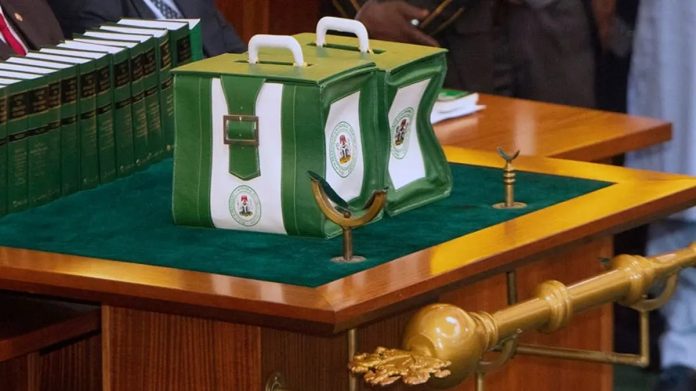
BudgIT Reveals N732.5 Billion Allocation for Vague Empowerment Projects in the 2024 Budget

0

BudgIT, a civic tech organization, has revealed an alarming allocation of N732.5 billion for vague empowerment projects in Nigeria’s 2024 budget.

This revelation comes at a time when Nigeria is grappling with severe economic challenges and escalating public debt, raising concerns about the federal government’s spending priorities.

According to a statement released by BudgIT on Monday, the funds allocated for these empowerment projects exceed the N646.5 billion earmarked for health projects.

This discrepancy is particularly concerning given Nigeria’s status as the country with the second-highest child mortality rate in the world as of 2023. The organization criticized the government’s lack of focus on critical health emergencies, which are not adequately addressed in the 2024 budget.

“Empowerment projects are vague and challenging to track due to their nature. They are also used as a funnel to transfer public resources to party loyalists, resulting in the misuse of public funds,” BudgIT stated.

4,440 Empowerment Projects Identified

Tracka, BudgIT’s open-source service delivery monitoring platform, discovered a total of 4,440 empowerment projects in the 2024 budget. Initially limited to constituency projects, these empowerment projects have gradually infiltrated capital projects through insertions by the National Assembly. BudgIT highlights this as a problematic trend, considering Nigeria’s vast infrastructure gaps and persistent budget deficits.

“For instance, the National Assembly inserted 7,447 projects valued at N2.24 trillion in the 2024 budget. Tracka identifies this as a problematic trend, considering the nation’s huge infrastructure gap and budget deficits,” the organization noted.

Misallocation of Projects

Further analysis of the budget revealed that over 2,558 projects worth N624 billion were allocated to agencies outside their mandates. An example is the Small and Medium Enterprises Development Agency of Nigeria (SMEDAN), which allocated N5 billion for the procurement and distribution of official vehicles to traditional rulers—an activity far removed from its primary responsibilities. Similarly, the Nigeria Institute of Oceanography and Marine Research (NiOMR) was assigned N2.32 billion to construct a 3.5km road.

Gabriel Okeowo, BudgIT’s Country Director, expressed concern over this misallocation.

“The implications of assigning projects to agencies outside of their mandate undermine the monitoring, evaluation, and sustainability of these projects. These agencies lack the expertise and personnel to ensure quality service delivery, leading to underperformance and a colossal waste of taxpayers’ money,” he said.

BudgIT has called on anti-graft agencies to investigate these anomalies in the 2024 budget to prevent the diversion, misappropriation, and embezzlement of public funds. The organization also urged elected representatives and government agencies to provide timely updates to the public and ensure the effective implementation of these projects.

“We call on anti-graft agencies to probe these anomalies in the 2024 budget to forestall diversion, misappropriation, and embezzlement. It is imperative that elected representatives and MDAs provide timely updates to the public and ensure the quality implementation of these projects so that Nigerians derive maximum benefit from public funds,” BudgIT stated.

Borrowing for Embezzlement

These findings have alluded to the belief that a significant portion of the national budget goes into private pockets yearly. It is also coming at a time when the government is seeking financial relief from various sources, including international agreements and increased borrowing.

Data from the Central Bank of Nigeria (CBN) reveals that the federal government’s borrowing through Nigerian Treasury Bills (NTBs) rose by 188 percent year-on-year to N13.235 trillion by May 2024. From 2015 to 2024, Nigeria’s public debt profile surged from N12 trillion to N121 trillion, with little visible improvement in infrastructure or public services.

The increasing debt burden has significantly strained Nigeria’s fiscal position, with debt-servicing costs rising by N1.56 trillion in a year. This has forced a 33 percent reduction in funding for capital projects, exacerbating the country’s infrastructure deficits and unfunded deficits reaching almost N1 trillion for the first time in history.

Growing Demand for Accountability

The findings by BudgIT have intensified public outcry over the management of Nigeria’s finances. A recent court order for former Humanitarian Minister Sadiya Umar-Farooq to account for N729 billion highlights the persistent issues of financial mismanagement and lack of accountability.

The All Progressive Congress (APC) led government has been asked by Nigerians to account for the humungous loans.

Experts Call DTX Exchange (DTX) “The Most Groundbreaking Web3 Platform” Over Cardano (ADA) and BlockDAG (BDAG)

0

DTX Exchange (DTX) has become a standout platform, recognized by experts as the most groundbreaking Web3 solution available today. It outperforms well-known networks like Cardano (ADA) and innovative technologies like BlockDAG (BDAG).

DTX is setting new standards for decentralized exchanges and Web3 with its advanced infrastructure, unmatched scalability, and smooth integration with decentralized finance (DeFi) applications. Investors who have invested in Cardano (ADA) and BlockDAG (BDAG) are shifting to DTX.

Cardano (ADA) Update Can Push Price Higher

Cardano (ADA) is preparing for the Chang hard fork, an eagerly awaited upgrade for the end of July. This development has sparked significant interest within the cryptocurrency community; now the question is will it be to take the Cardano (ADA) price higher?

Charles Hoskinson announced that the crypto network is ready for the Chang Fork, scheduled for this month. This will happen once 70% of the Stake Pool Operators (SPO) have installed the new version of the node, Cardano Node 9.0. This upgrade is crucial to propelling Cardano (ADA) into the Voltaire era, promising significant advances in decentralized governance and community autonomy.

The cryptocurrency community will closely watch to see how the Chang hard fork will affect the Cardano (ADA) price. And the positive changes it will bring to Cardano (ADA).

DTX Leading BlockDAG By Huge Margin

BlockDAG (BDAG) is one of the ongoing crypto presales in this list. It’s an emerging layer-1 network that promises a unique blockchain framework for high transaction throughput, aiming to solve the blockchain trilemma of decentralization, scalability, and security.

However, DTX Exchange is far ahead of BlockDAG, having raised over $800,000 in a single month. Currently, DTX Exchange is offering its native token, DTX, in the second round of its presale at $0.04 per coin, making it undervalued. In contrast, BlockDAG has high valuations. When comparing the utility of both coins, DTX clearly comes out on top.

DTX Emerging As the Leader in Web3

DTX Exchange (DTX) is reshaping the trading landscape with a hybrid platform that combines centralized (CEX) and decentralized (DEX) exchanges And is emerging as a leader in the Web3 space. Investors from Cardano (ADA) and BlockDAG (BDAG) are also shifting to DTX Exchange.

The unique blend of CEX and DEX gives traders the flexibility and security they need to trade efficiently. As a result, users can access over 120,000 asset classes, including bonds and cryptocurrencies, offering a significant advantage over other platforms focused solely on crypto.

By eliminating sign-up KYC checks, DTX Exchange addresses privacy concerns and attracts traders who value anonymity. Additionally, with leverage options up to 1000x, users have the potential for greater profits.

In Stage 2 of its presale, the altcoin is priced at $0.04, double its initial price of $0.02. Market analysts predict a 50x growth once a Tier-1 CEX lists it in Q4 2024. With ties to lucrative markets like the $133 trillion bond market, this price prediction seems plausible, positioning DTX as a top altcoin contender.

Click here to know more about the presale.

Nigerian House of Reps Calls for Suspension and Investigation of Controversial Samoa Agreement

0

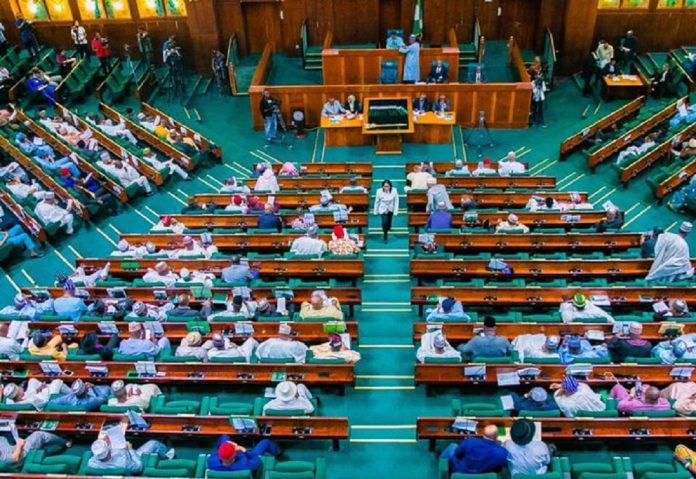
The Nigerian House of Representatives has urged the federal government to halt the implementation of the $150 billion Samoa Agreement, citing concerns over the inclusion of controversial provisions related to LGBTQ rights.

This call for suspension and investigation follows a motion of urgent public importance sponsored by Sani Madaki, the minority whip, alongside 87 other lawmakers.

The Samoa Agreement, according to the European Council, is a comprehensive framework governing the European Union’s (EU) relations with 79 countries in Africa, the Caribbean, and the Pacific (ACP). The agreement, signed on November 15, 2023, in Samoa, Oceania, covers six priority areas: democracy and human rights, sustainable economic growth and development, climate change, human and social development, peace and security, and migration and mobility.

It is set to replace the Cotonou Agreement, which has been in place since 2000.

Controversy Surrounding the Agreement

The recent signing of the Samoa Agreement by the Nigerian government has sparked controversy, primarily due to reports suggesting the inclusion of provisions supporting LGBTQ rights. These claims have been hotly contested and have led to significant public and legislative debate.

The federal government, through Mohammed Idris, the Minister of Information and National Orientation, has clarified that the agreement does not contravene Nigeria’s 1999 Constitution or other existing laws. Idris explained that the agreement focuses solely on the economic development of the country and does not contain any provisions regarding same-sex marriage.

However, this explanation has failed to quell the raging agitation of Nigerians, especially in the north, over the agreement.

Nigeria’s Economic Crisis and the Search for Financial Relief

Economic experts have pointed out that Nigeria’s current financial crisis played a significant role in the decision to sign the Samoa Agreement. Nigeria has faced severe economic challenges, including dwindling revenue streams from its primary income sources such as oil exports.

This situation has left the country in a financial bind, struggling to meet its budgetary requirements and finance critical development projects. As a result, the government has been forced to look for financial support and partnerships wherever possible to stabilize the economy and ensure sustainable development.

The economic downturn has been made worse by global oil price fluctuations, rising debt levels, and a devalued currency. These factors have collectively strained the national economy, making it difficult for the government to fund essential services and infrastructure projects. In this context, international agreements such as the Samoa Agreement present an opportunity for Nigeria to secure much-needed economic aid and development partnerships.

During the legislative session, the motion to suspend the Samoa Agreement was presented by Sani Madaki, who argued that the agreement violates Nigeria’s laws on LGBTQ rights and same-sex marriage. Supporting the motion, Ghali Tijani from Kano stated that the House should reject the agreement entirely. Bello Kumo, the majority whip, called for the federal government to rescind the deal and apologize to Nigerians.

However, not all lawmakers were in agreement. Kingsley Chinda, the minority leader and co-sponsor of the motion, urged his colleagues not to be judgmental but rather to support an investigation into the agreement. He highlighted the need for proper information dissemination and criticized the federal government for not involving the lawmakers in the decision-making process.

Julius Ihonvbere, the majority leader, defended the agreement, stating that there is no provision in the Samoa Agreement that supports LGBTQ rights. His comments were met with interruptions and shouts of “no” from other lawmakers, indicating deep-seated divisions and misunderstandings about the content of the agreement.

Nigeria’s Anti Same-Sex Law

Nigeria’s stance on LGBTQ rights is firmly established by the Same-Sex Marriage Prohibition Act (SSMPA) passed in 2014, which criminalizes same-sex marriage and LGBT rights. This legal framework underpins the uproar surrounding the Samoa Agreement, as any suggestion of support for LGBTQ rights is seen as a direct violation of Nigerian law.

In response to the controversy, the federal government has strongly denied the inclusion of any LGBTQ provisions in the Samoa Agreement. The Minister of Information, Mohammed Idris, labeled the allegations as “despicable and wicked,” asserting that the document does not support same-sex marriage or LGBTQ rights.

The government has announced its intention to lodge a formal complaint with the NPAN Ombudsman against Daily Trust Newspaper, which reported the matter first, over what it describes as irresponsible reporting, and to seek redress through lawful means.