DD
MM
YYYY

PAGES

DD
MM
YYYY

spot_img

PAGES

Home Blog Page 3123

Tekedia Capital Portfolio Firm, Cinderbuild, Is Growing Rapidly in Nigeria – 5X for 2024

0

Good People, join me to thank our Team in CinderBuild Inc for executing the playbook amazingly. Cinderbuild, Africa’s largest and most dominant building and construction materials marketplace, will grow by 5x in 2024 compared with 2023 numbers. Yes, businesses are still growing in 3 digit-percentages in Nigeria!

Yes, we are experiencing huge growth because we have brought in a high level of efficiency in the sector. From nowhere, we are #1 brand now, and some of the leading construction projects in Nigeria now depend on Cinderbuild to source and deliver construction materials. Our goal is to simplify the building of Africa, one step at a time.

Our vision is to list on the Nigerian Stock Exchange, and become the “Google and Amazon of Building Materials” in Africa. That is not a tough dream for a village boy! It was like yesterday when I wrote the Business Brief, and a brilliant Team took it, and they have done a supremely great execution job.

We have different products, depending on the structure of your project: CinderBuild for Buyers; CinderBuild for Corporates, CinderBuild for Estate Developers, CinderBuild for Estate Investors, etc.

5X growth; we can even do better with your support.

Ndubuisi Ekekwe

Co-Founder & Member of Board of Directors

Cinderbuild Inc, USA

The Integration of Artificial Intelligence in Chinese Workplaces

0

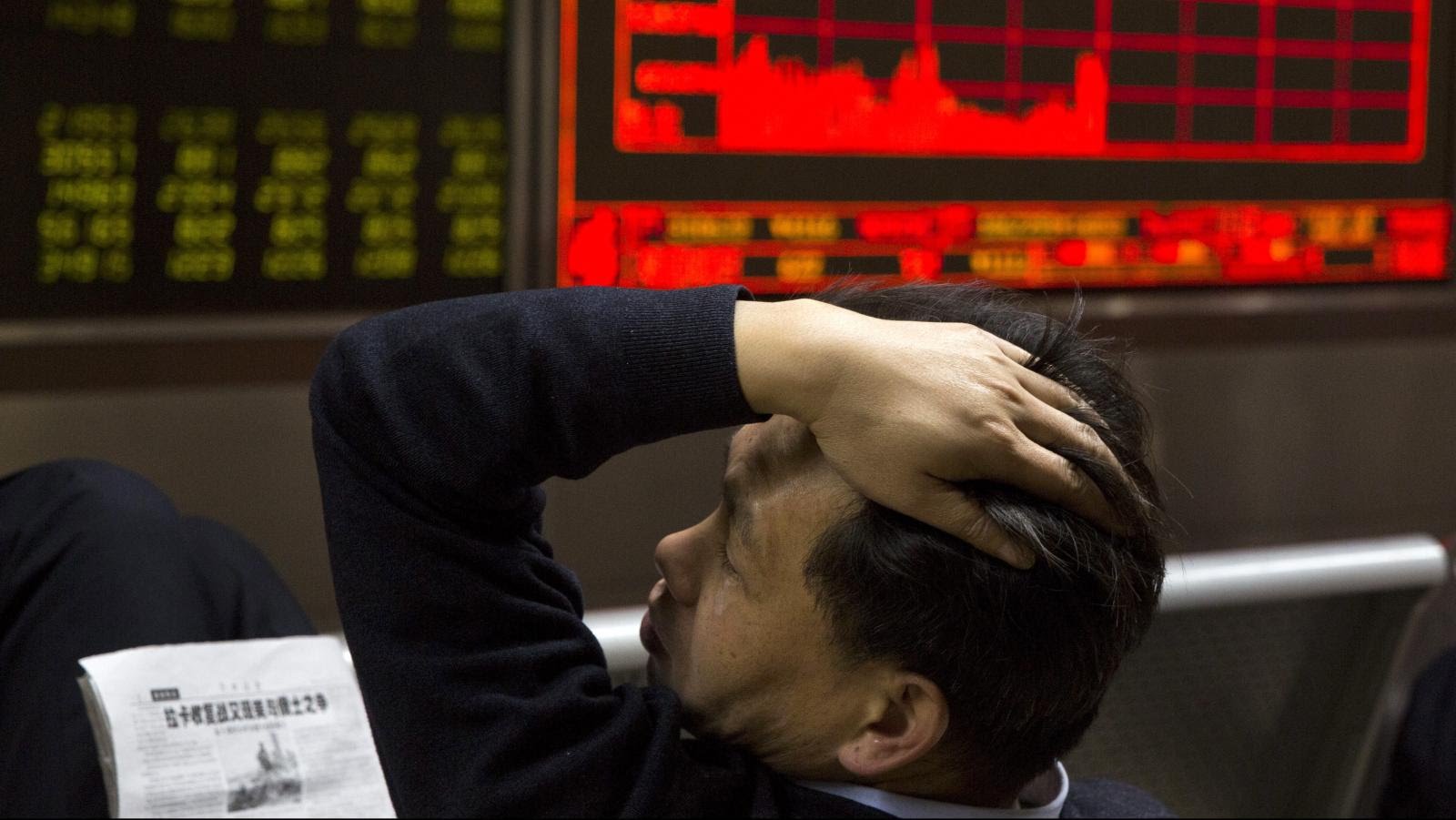
The landscape of Chinese workplaces is undergoing a transformative shift with the integration of Artificial Intelligence (AI). This technological advancement is driving efficiency and productivity to new heights, but it also brings forth significant challenges that need to be addressed with a nuanced understanding and strategic approach.

China’s rapid development and deployment of AI in the workplace are largely market-driven, with minimal regulatory oversight. This has led to a surge in AI applications across various industries, particularly in sectors with lower profit margins where AI tools are aggressively used for workforce management. The country’s political economy has facilitated this accelerated progress, making China a valuable case study for AI’s implications in the workplace on a global scale.

While AI technologies have the potential to dramatically boost productivity, they also pose a risk of exacerbating worker exploitation. The balance of power is tilting further towards employers who control data and algorithms, leaving employees with diminished bargaining power. This is especially true for low-skilled jobs, where workers face increased workloads, stress, and job insecurity due to the pressure to meet both human supervisors’ expectations and algorithmic metrics.

Here’s how AI is making an impact:

Automation of Routine Tasks: AI-powered robots and machines are taking over repetitive and labor-intensive tasks, allowing human workers to focus on more complex and creative aspects of production.

Quality Control: Intelligent systems equipped with machine learning algorithms are being used to detect defects and ensure product quality, reducing the reliance on human inspection and minimizing errors.

Predictive Maintenance: AI is used to predict equipment failures before they occur, ensuring uninterrupted production and reducing downtime in factories.

Supply Chain Optimization: AI algorithms analyze vast amounts of data to optimize supply chains, making them more efficient and responsive to changes in demand.

Energy Management: AI is helping factories to reduce energy consumption by optimizing the use of machinery and predicting peak energy usage times.

Worker Safety: AI-driven monitoring systems are being deployed to enhance worker safety by identifying potential hazards and preventing accidents.

The integration of AI in Chinese factories is not just about technological advancement; it’s about building a sustainable and competitive manufacturing sector that can thrive in the global market. As AI continues to evolve, it will undoubtedly unlock new potentials and opportunities for innovation in the manufacturing industry.

The McKinsey Global Institute study highlights that half of all work activities in China could be automated, presenting the nation with the world’s largest automation potential. However, this also means that the workforce must rapidly adapt to these changes or risk being left behind.

The swift integration of AI in Chinese workplaces underscores the need for comprehensive policy evaluation to mitigate negative consequences. International policymakers can draw important lessons from China’s experience to ensure that the development of AI in workplaces globally is balanced and beneficial for all stakeholders involved.

The use of AI in Chinese workplaces is a testament to the country’s ability to harness technology for economic growth. However, it also serves as a cautionary tale of the potential pitfalls of unchecked AI deployment. As AI continues to evolve, it is imperative that its integration into the workforce is accompanied by thoughtful regulation and consideration for the well-being of employees. The future of work depends on our ability to strike a balance between embracing innovation and protecting the rights and interests of workers.

Memecoins Performance Index So Far in 2024

0

In the dynamic world of cryptocurrency, memecoins have carved out a niche that continues to captivate investors and enthusiasts alike. As we navigate through 2024, the memecoin market has shown remarkable resilience and growth, outperforming many traditional investment benchmarks.

The Rise of Memecoins

Memecoins, often inspired by internet memes and popular culture, began as a playful experiment within the crypto space. However, they have evolved into a significant market force, with some coins achieving substantial market capitalization and investor interest. The MarketVector Meme Coin Index, which tracks the performance of the largest memecoins, has seen an impressive 195% increase on a yearly basis.

MarketVector’s Meme Coin Index Performance

The index, which includes prominent tokens such as Dogecoin (DOGE), Shiba Inu (SHIB), and Pepe (PEPE), reflects the growing investor appetite for these assets. Notably, the index’s performance has outstripped that of the CoinDesk 20 and even Bitcoin, with the latter posting a 123% rise in comparison.

The memecoin market cap stands at a staggering $51 billion, with the MarketVector index tracking $44.67 billions of it. This growth is attributed to several factors, including the low transaction fees on blockchains like Solana, which facilitate small but potentially lucrative bets.

A new category of memecoins, termed PoliFi, has emerged, gaining traction as the election season heats up. Tokens like BODEN have seen significant price movements following political events, indicating a new intersection of finance and politics within the crypto domain.

Here are some Notable Memes. 

Pepe Unchained ($PEPU)
Pepe Unchained has taken the meme token concept to new heights with its Ethereum Layer-2 chain. It offers double staking rewards and aims to create a unique ecosystem around the iconic Pepe meme.

The Meme Games ($MGMES)
This gamified token rewards participants with bonuses for winning events. The Meme Games combines the thrill of competition with the speculative nature of memecoins.

WienerAI ($WAI)
WienerAI stands out with its AI-driven approach, offering an infinitely upgradeable meme coin with modular technological capabilities and attractive staking rewards during its presale phase.

PlayDoge ($PLAY)
PlayDoge transforms the beloved Doge meme into a play-to-earn virtual pet game, tapping into the nostalgia and affection for the original Doge meme while providing a modern twist.

Shiba Shootout ($SHIBASHOOT)
Shiba Shootout offers an immersive Wild West experience, where participants can stake tokens for high rewards and influence key project decisions through a democratic voting system.

Base Dawgz ($DAWGZ)
Base Dawgz combines the appeal of dog-themed memecoins with multi-chain purchases and a share-to-earn functionality, reflecting the innovative ways memecoins are engaging with their communities.

Sponge V2
Sponge V2 has seen a significant price increase, with rumors of a Binance listing contributing to its growing popularity. It offers play-to-earn utility and staking rewards, appealing to a broad range of crypto users.

These memecoins represent just a fraction of the diverse and vibrant market that has emerged around these unique digital assets. While they offer a playful entry point into the world of cryptocurrency, it’s important to approach them with caution due to their highly speculative nature. For those looking to dive deeper into the memecoin market, resources

The memecoin index’s year-to-date performance stands at 137%, a testament to the speculative nature of these assets. Despite their lack of underlying utility, memecoins continue to attract investors looking for high-risk, high-return opportunities.

The Future of Memecoins

As we look ahead, the trajectory of memecoins remains uncertain. Their volatility and market sentiment-driven value proposition present both opportunities and risks. While some analysts predict continued interest, others caution against the speculative bubbles that can form around such assets.

The memecoin index’s performance in 2024 highlights the evolving landscape of cryptocurrency investment. As the line between cultural phenomena and financial assets blurs, memecoins represent a unique facet of the crypto economy. Whether they will sustain their current momentum or succumb to market corrections remains a topic of keen interest among investors and observers.

The Dangote Cement’s Imperfect “Competitors”

0
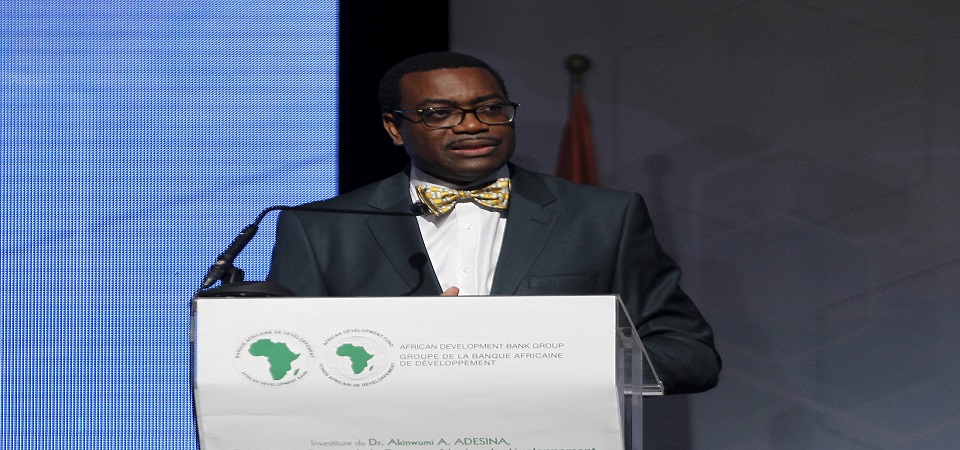
AfDB president Akinwumi Adesina
Akinwumi Adesina

“Has Dangote refineries prevented any other company from setting up refineries? Why have others not done so? How come they have not done so for several decades? Was it Dangote that held them back?…But Dangote refineries surely cannot be asked to ‘compete’ with importers of petroleum products. That is not competition. Let the importers set up local refineries and compete by refining in Nigeria. That is fair and justified competition.” The president of the African Development Bank Group (AfDB), Akinwumi Adesina said.

“Investing is tough, considering that very few entities, if any at all, could afford to invest $19.5 billion, as Dangote had done, in a country where the economic climate was fraught with policy uncertainties,” Adesina said.

He further noted that while “pettiness is easy,” the focus should be on creating an enabling environment for such investments to thrive.

The caution from Adesina comes on the heels of allegations from the head of Nigeria’s oil regulator, the Nigerian Midstream and Downstream Petroleum Regulatory Authority (NMDPRA), Farouk Ahmed. Ahmed accused Dangote Refinery of attempting to monopolize the supply of refined crude products to the nation’s oil marketers.

I agree 100% from my little reading of AO Lawal economics textbook in secondary school. Yes, the regulator cannot say a local factory is afraid of competition against importers. An importer is not a competitor but a free-rider.

Nigeria must be redesigned to give the local producers and manufacturers opportunities to win. That is all we are asking for this economy.

AfDB President Adesina, Femi Otedola, Ask Nigeria to Allow Dangote Refinery to Flourish

Ferrari is Expanding Crypto Payments Across Europe

0

In a bold move that merges luxury with the cutting edge of technology, Ferrari has announced the expansion of its cryptocurrency payment options to European dealerships. This decision comes on the heels of a successful implementation in the United States, signaling a significant shift in the automotive industry’s approach to digital currency transactions.

The luxury market is not one to shy away from innovation and exclusivity, and the adoption of cryptocurrency payments is the latest trend that’s sweeping through the industry. Several high-end brands have embraced this digital revolution, signaling a shift towards a more technologically advanced and inclusive luxury shopping experience.

The Italian luxury car manufacturer has been at the forefront of embracing new technologies, and this latest development is a testament to their innovative spirit. By the end of July 2024, Ferrari’s European customers will have the option to purchase their dream cars using select cryptocurrencies, a feature that was previously exclusive to the US market.

The integration of cryptocurrency payments is not just a nod to modern payment methods but also a strategic move to cater to a growing demographic of tech-savvy consumers who view digital currencies as a viable and preferred transaction medium. With this expansion, Ferrari is not only broadening its customer base but also enhancing the buying experience by offering more flexibility and convenience.

Ferrari’s partnership with various companies active in the cryptocurrency payment sector ensures a seamless and secure transaction process. The system is designed to convert cryptocurrencies into traditional currency instantly, thereby mitigating the risk associated with the volatility of digital assets. Moreover, the payment providers’ solutions include verification of the source of funds, adding an extra layer of security to the transactions.

Most of Ferrari’s European dealers have already adopted or are in the process of adopting this new payment system, which complements traditional payment methods. This proactive approach by the dealers indicates a strong belief in the potential of cryptocurrency within the luxury car market.

Philipp Plein, a trailblazer in the fashion industry, became one of the first major fashion brands to accept cryptocurrency, allowing customers to use 15 different cryptocurrencies for both online and in-store purchases. These move not only positions Philipp Plein at the forefront of digital payment but also reflects the brand’s commitment to embracing future technologies.

Gucci, another iconic name in luxury fashion, has also started accepting cryptocurrencies in its stores across America, with plans to expand this payment option throughout its North American outlets. Gucci’s adoption of cryptocurrency payments is part of a broader strategy to attract a new generation of luxury consumers who prefer the convenience and innovation of digital currencies.

Other luxury and beauty brands are not far behind, with watchmakers like Hublot and Franck Muller also accepting cryptocurrency as a form of payment. This indicates a growing acceptance of digital currencies as a legitimate and secure payment method across various sectors of the luxury market.

The trend is not limited to fashion and accessories; other top luxury retailers venturing into cryptocurrency payments include Gaucho Group Holdings, Kering SA, LVMH Moet Hennessy Louis Vuitton, and Nordstrom Inc., all of which are exploring or have implemented crypto transactions.

The move by Ferrari is a clear indication that cryptocurrencies are gaining traction not just as investment tools but also as legitimate means of purchasing high-value items. This trend is likely to continue as other major companies observe the success of Ferrari’s foray into crypto payments and consider similar initiatives.

As Ferrari gears up to extend this service to other markets by the end of 2024, it is evident that the company is driving not just on the roads but also in the fast lane of digital transformation. The luxury car giant’s embrace of cryptocurrency payments is a significant milestone in the journey towards a more digitized and accessible future in the automotive industry.