
DD
MM
YYYY

PAGES

DD
MM
YYYY

spot_img

PAGES

Home Blog Page 3130

Mali, Burkina Faso, Niger set to hold their first joint summit under Alliance of Sahel States (AES)

0

In a landmark moment for the Sahel region, the military rulers of Mali, Burkina Faso, and Niger are set to hold their first joint summit since their respective coups, indicating the trio’s determination to forge ahead with their alliance.

This summit, a significant step for the newly formed Alliance of Sahel States (AES), will take place in Niamey, Niger, on Saturday, July 6, 2024. Nigerien authorities announced this pivotal meeting on public radio, highlighting the growing importance of the AES.

Niger’s junta leader, Abdourahamane Tiani, will host Burkina Faso’s Ibrahim Traore and Mali’s Assimi Goita. The leaders are expected to arrive in Niamey on Friday, ahead of the summit. This meeting is strategically scheduled just before the Economic Community of West African States (ECOWAS) summit, underpinning the deepening divide between the three countries and the regional bloc.

The formation of the AES marks a significant shift in the geopolitical landscape of the Sahel. In January 2024, Burkina Faso, Mali, and Niger announced their withdrawal from ECOWAS, citing dissatisfaction with the bloc’s handling of their political situations.

Despite repeated calls from ECOWAS members for them to rejoin, the three countries have remained resolute in their decision. They have instead turned their focus towards the AES, an economic and defense pact aimed at fostering closer ties and mutual support among the three nations.

In mid-May, the foreign ministers of Burkina Faso, Mali, and Niger met in Niamey to draft the text for the AES confederation, which the heads of state are expected to adopt at the upcoming summit. The AES seeks not only to strengthen economic and defense cooperation but also to establish a common currency, signaling a move towards deeper integration.

The ECOWAS President, Dr. Omar Alieu Touray, has expressed his frustration over the situation. Speaking at the 92nd Ordinary Session of the Council of Ministers in Abuja, he lamented the lack of progress in reintegrating Mali, Burkina Faso, and Niger into the regional community.

“Despite our entreaties, in the form of softening of sanctions, invitation of the governments to technical meetings, and request for meetings, we have not yet gotten the right signals from these Member States,” Touray said.

Touray acknowledged the complex international changes affecting member states and proposed a Special Summit on the Future of the Community to address these challenges. He emphasized the need to rethink ECOWAS’s integration approach, governance, and relations with external partners.

The formation of the AES is now seen as unstoppable, with the three Sahelian countries committed to forging their path forward.

However, this development will have significant implications for ECOWAS. The regional bloc, long seen as a stabilizing force in West Africa, will need to adapt to the absence of Burkina Faso, Mali, and Niger. Critics have blamed ECOWAS for mishandling the situation earlier on by threatening military action against the countries following their coups, a move that arguably pushed them further away.

Against this backdrop, ECOWAS is expected to continue its mission without these key members. However, analysts have warned that the impact on regional stability, economic cooperation, and collective security efforts will be profound.

The AES, with its focus on economic and defense collaboration, represents a new chapter for the Sahel, but also a stark reminder of the complex dynamics and shifting alliances within West Africa.

The alliance has decided to jettison long-held ties with colonial master France, embracing a new partnership with Russia. This situation has created a new geopolitical order in the Sahel, with many expressing concern that it will have a broader impact.

Kenyan E-Commerce Firm Copia Liquidates Assets, Ends Business Revival Attempts

0

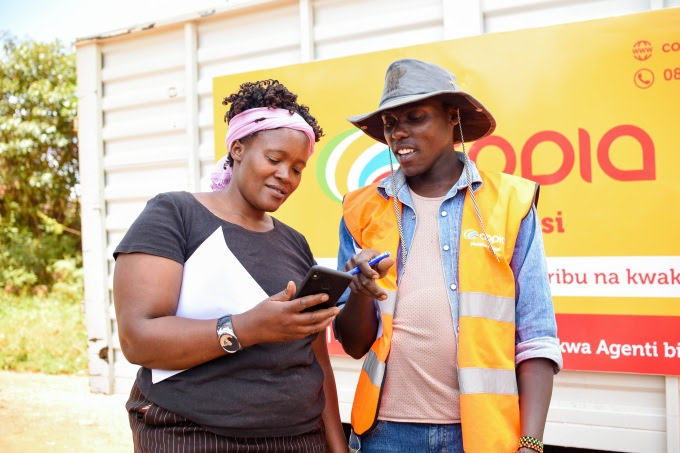
Copia, a Kenyan-based B2C e-commerce platform that serves middle to low-income African consumers, has officially decided to liquidate its assets and pay off its creditors, marking the end of its efforts to revive its business.

This decision comes after a series of attempts to sustain operations and find a viable path forward for the company. The liquidation process will involve laying off all employees, as well as selling off the company’s assets which includes delivery trucks, warehouses, amongst other equipment, to generate the funds needed to settle outstanding debts.

This move aims to ensure that creditors are compensated as fairly as possible. However, the tough decision to liquidate was not made lightly, reflecting the company’s acknowledgment of the insurmountable obstacles it faced in its efforts to achieve profitability and sustainability.

In an email sent to staff as reported by TechCabal, Copia administrator Makenzi Muthusi wrote,

“It was anticipated that Copia’s business will be maintained as a going concern, albeit with significantly reduced operations to attract the much-needed through a new company to enable business continuity. However, this has regrettably not been successful, and it is apparent that the company’s options are limited to the 3rd objective of administration as provided for in the Insolvency Act of 2015: realization of assets to settle creditors’ claims”.

Employees were given severance packages on July 4, which was disclosed via a memo. Also, the company notified its creditors of a meeting on July 14 for guidance on their respective claims.

Background Story

Copia was founded in 2013 with a mission to provide convenient and affordable online shopping options to underserved low and middle-income consumers in rural areas. Leveraging a unique model that combines technology with a network of local agents. The firm aimed to bridge the gap between urban e-commerce and rural consumers who traditionally lacked access to such services.

The company gained a strong foothold in Kenya where it operates, gaining a reputation as a pioneering e-commerce platform tailored to the needs of underserved populations. Despite its innovative approach, Copia faced several financial challenges. Some of these include a harsh economic environment, high cost of maintaining logistics, and limited purchasing power, amongst others.

In April 2023, the company halted its African expansion plans and also suspended its operations in Uganda. It attributed the decision to unfavorable economic conditions and constrained capital markets. Fast forward to July 2023, Copia cut off 350 of its staff, after it had earlier in the year, reduced its headcount by 50 employees in what the company described as a drive to keep down labor costs while eyeing profitability.

In December 2023, Copia secured a $20 million fund in a series C round, after announcing plans to intensify focus on Kenyan operations. Speaking on the raise if the funds, the CEO Tracey Turner said, 

“We are all heads down and focused on Kenya right now, and we won’t pick up our heads, until after we hit that milestone. We have done a lot of reconnaissance work and planning for where we will go next and the international rollout plan will come after we reach profitability in Kenya”.

However, in May 2024, Copia entered administration after failing to secure extra funding. The B2C eCommerce company appointed Makenzi Muthusi and Julius Ngonga from KPMG to handle the process.  Despite its efforts, the company couldn’t attract new capital on terms that worked for everyone involved.

Consequently, the company announced a switch from physical order processing to an online fulfillment model using its mobile app to reduce expenses and streamline operations in the digital age. Under the guidance of the administrators, it sought to push for a lower burn rate, with hope to reach profitability sooner, and cater to the increasingly digital consumer.

Unfortunately, Copia’s financial situation became untenable, leading the company’s leadership to make the difficult decision to liquidate its assets. The company shutdown highlights the challenges faced by startups, especially those operating in underserved markets. 

While the company’s innovative approach and vision for inclusive e-commerce were commendable, the financial and operational hurdles proved too significant to overcome.

Nigeria to Implement Tax Fees on Crypto Transactions on Centralized Exchanges CEX

0

The Nigerian government’s decision to implement a tax fee on cryptocurrency transactions conducted through centralized exchanges (CEXs) marks a significant development in the country’s approach to digital currency regulation. This move reflects a growing trend among governments worldwide to find ways to integrate cryptocurrency operations within traditional financial systems, ensuring compliance with tax laws and protecting investors.

Cryptocurrency has been gaining traction in Nigeria, with many citizens turning to digital currencies as an alternative to traditional banking and a means to participate in the global economy. The imposition of a tax fee is indicative of the government’s recognition of the economic potential of cryptocurrencies and its intent to establish a framework for the sector’s growth while also generating revenue.

This fee is expected to impact the way users and investors interact with centralized exchanges. Centralized exchanges are platforms where users can trade cryptocurrencies for other assets, such as fiat currencies or other digital currencies. These platforms play a crucial role in the cryptocurrency ecosystem by providing a marketplace for trading and liquidity.

The introduction of the fee may lead to a shift in user behavior, with some potentially seeking alternative platforms that offer lower fees or moving towards decentralized exchanges (DEXs), which are not controlled by any single entity and typically have lower fee structures. However, centralized exchanges often provide additional services such as customer support, enhanced security measures, and user-friendly interfaces, which may continue to attract users despite the new fee.

The introduction of a Tax fee on cryptocurrency transactions in Nigeria is poised to have several implications for crypto investors:

Increased Costs: Investors will incur higher transaction costs when using centralized exchanges, which could reduce the overall profitability of trading activities.

Behavioral Shifts: The new fee may lead investors to alter their investment strategies, potentially favoring long-term holding over frequent trading to minimize the impact of transaction fees.

Decentralized Exchange (DEX) Adoption: To avoid the high fees of centralized exchanges, investors might turn to DEXs, which could see an increase in popularity and user base.

Market Dynamics: The fee could influence market liquidity and volatility, as the increased cost of transactions might reduce the frequency of trades.

Regulatory Compliance: Investors will need to be more diligent in their record-keeping and reporting to comply with the new tax regulations associated with the fee.

Innovation in Payment Solutions: The crypto community might innovate new payment and trading solutions to mitigate the impact of the fee, leading to advancements

For the government, the fees collected could provide a new source of revenue and could be used to fund various public services or infrastructure projects. It also allows the government to have better oversight of cryptocurrency transactions, which can be beneficial for preventing illegal activities such as money laundering and fraud.

The cryptocurrency community in Nigeria and globally will be closely monitoring the implementation of this fee and its effects on the market. It will be interesting to see how this decision influences the adoption and usage of cryptocurrencies in Nigeria and whether other nations will follow suit with similar regulatory measures.

As the situation evolves, stakeholders in the Nigerian cryptocurrency space, including users, investors, and exchange operators, will need to adapt to this new regulatory landscape. The long-term implications of this fee on the Nigerian economy and the global cryptocurrency market remain to be seen, but it is clear that the government is taking steps to formalize the cryptocurrency sector within its borders.

Fuel Subsidy: Fresh Fuel Scarcity Looms As Nigeria’s Growing Debt to Petrol Traders Reportedly Surpasses $6bn

0

Nigeria is teetering on the brink of a fresh fuel scarcity crisis as its debt to petrol traders soars past $6 billion, following a significant rise in its subsidy payments, which have reportedly doubled since early April.

According to a Reuters report, the Nigerian National Petroleum Corporation (NNPC) is struggling to balance fixed domestic pump prices with escalating international fuel costs, a predicament that underscores the nation’s deepening economic woes.

This precarious situation emerged as NNPC capped pump prices following the removal of subsidies on May 29, 2023. Despite rising international crude oil prices and a weakening naira, the domestic price of petrol has remained stable, leading to widespread speculation that the government may have reintroduced some form of subsidy.

According to industry insiders who spoke to Reuters, this discrepancy has compounded NNPC’s financial burden, pushing its debt to petrol traders to unprecedented levels.

The financial strain on NNPC became evident earlier this year when late petrol payments exceeded $3 billion. As of now, unpaid amounts for January imports alone have contributed to a ballooning debt of between $4 billion and $5 billion, according to the report.

Under contractual obligations, NNPC is required to settle payments within 90 days of delivery. However, payment delays have caused significant friction with petrol traders.

“The only reason traders are putting up with it is the $250,000 a month (per cargo) for late payment compensation,” explained an industry source.

Reuters reports that at least two suppliers have already stopped participating in recent tenders after reaching their self-imposed debt exposure limits with Nigeria, refusing to send more gasoline until they receive payments. This situation raises the likelihood of fuel scarcity in the coming days, as NNPC struggles to secure sufficient fuel imports.

The federal government has been in denial of current subsidy payments on petrol. However, a recent report submitted to President Tinubu by Finance Minister Wale Edun, projects that fuel subsidies could consume about N5.4 trillion in 2024, up from the N3.6 trillion budgeted for 2023.

In a May interview, Edun suggested that the removal of the fuel subsidy is an ongoing process, indicating that complete removal has not yet been achieved.

“It is an ongoing conversation, it is an ongoing process of ensuring that fuel subsidy is eliminated from the Nigerian economy, that is what Mr. President’s intent is and that is what is being worked towards,” he stated.

The removal of the fuel subsidy has been contentious, particularly as crude oil prices rise and the exchange rate continues to depreciate. Several analyses based on the international price of petrol prove that a partial subsidy still exists despite official claims of its removal.

Against this backdrop, observers maintain that the federal government has subtly reintroduced the subsidy since its supposed removal on May 29, 2023. Special Adviser to the President on Energy, Mrs. Olu Verheijen, noted that the federal government reserves the right to intermittently pay fuel subsidies to mitigate economic hardship.

On the other hand, NNPC has insisted that no subsidies have been paid into its account from the federal government. Addressing the issue in August 2023, NNPC’s Group Chief Executive Officer, Mele Kyari, stated that the company is merely recovering the cost of imports and that the federal government has not paid any subsidies since May.

A recent report by Tekedia highlighted the unsustainable nature of current subsidy payments. According to data from the National Bureau of Statistics (NBS), the pump price of petrol rose to N769.62 per liter in May 2024. This represents a staggering 223.21% increase from the N238.11 per liter recorded in May 2023 and a 9.75% rise from April 2024’s price of N701.24.

The report questioned the sustainability of subsidy payments, given the significant financial burden and the rising costs amidst Nigeria’s dwindling oil revenue.

Summary of Maro Elias’ Fintech Lessons from Chess

0

This is a summary of Maro Elias’ Fintech Lessons from Chess. I have deployed the Tekedia AI Lecture companion which we now use to summarize lecture materials and videos in Tekedia Institute.

Understanding the intricate parallels between chess and the fintech industry unveils a world where strategic thinking, risk management, agility, perseverance, and the ability to differentiate routine actions from strategic decisions reign supreme. Just as in chess where each move can determine victory or defeat, fintech companies navigate a complex landscape where every decision impacts their market position and growth trajectory.

The essence of chess lies in its gameplay and strategy; similarly, fintech leverages technology to enhance financial services through innovation and automation. The value proposition of fintech firms lies in their ability to revolutionize traditional financial processes by harnessing cutting-edge technologies like artificial intelligence and machine learning.

In this evolving landscape, market share becomes a battleground where fintech companies strive to capture a larger slice of the financial services pie through innovative solutions that cater to modern consumer needs. Perseverance is key as these firms face challenges akin to navigating a high-stakes chess match – requiring persistence despite setbacks or delays in achieving success.

Looking ahead, the future outlook for both chess and fintech converges on technology-driven advancements that emphasize data analytics, automation, and adaptive strategies. As these industries continue to evolve hand-in-hand with technological progressions, teamwork emerges as another critical factor for success – whether it be in collaborative innovation efforts within fintech or team-based competitions within the realm of competitive chess.

Summary

Understanding chess involves predicting opponent moves and strategizing responses.

A personal chess experience led to a determination to excel at the game.

Drawing parallels between chess and fintech, highlighting key lessons.

Customers will use products if they perceive value; clear value propositions are crucial.

Focus on capturing significant opportunities in fintech, not minor ones like capturing pawns in chess.

Identifying potential market growth opportunities akin to a pawn becoming a queen in chess.

One mistake can lead to significant setbacks in both chess and business.

Avoid overconfidence when leading a market to prevent being disrupted.

Agility and quick deployment are essential in both chess and fintech.

Making strategic trade-offs is necessary for success in both chess and fintech.

Planning for and capitalizing on momentum is crucial in both chess and fintech markets.

Winning in chess sometimes involves staying alive long enough for your opponent to run out of time, showcasing the importance of perseverance and strategic thinking.

Businesses may need to pivot to immediate opportunities for revenue generation while continuing to invest in their core product to capitalize on emerging market infrastructure.

In strategic games like chess, not every move your opponent makes is significant, emphasizing the need to differentiate between routine moves and strategic plays.

Deciphering between important tech news and mere noise is crucial for fintech leaders to make informed decisions and avoid reactionary responses.

Constantly playing defensively in chess or business can lead to eventual loss, highlighting the importance of transitioning to an offensive strategy.

In business, defending market share is not always sufficient; companies should also focus on innovation, market expansion, and stealing market share from competitors.

Redirecting focus from defensive strategies to offensive tactics can help in gaining market share and expanding market consumption.

The Fintech Industry offers opportunities for value creation and market dominance, with parallels drawn to the strategic aspects of chess for fintech leaders to better navigate their markets.

11 Fintech Lessons From the Game of Chess