DD
MM
YYYY

PAGES

DD
MM
YYYY

spot_img

PAGES

Home Blog Page 3139

USDC Gets Critical MiCA Approval, Fueling Surge for Cosmos, Jupiter, and DTX Exchange

1

Stablecoins have emerged as a vital component of the cryptocurrency market, offering price stability and facilitating seamless transactions. The recent news of USDC, the world’s leading dollar-backed stablecoin, securing critical approval under the European Union’s Markets in Crypto Assets (MiCA) regulation has sent ripples of excitement throughout the industry.

This landmark decision is poised to accelerate the adoption of USDC (USDC) and other stablecoins, with positive implications for innovative projects like Cosmos (ATOM), Jupiter (JUP), and DTX Exchange. Let’s dive into the details!

USDC Secures Critical MiCA Approval

On July 1st, Circle announced a significant milestone for both the company and the future of cryptocurrency in the European Union. Circle has become the first global stablecoin issuer to fully comply with the new EU regulations under the Markets in Crypto Assets (MiCA) framework. This compliance allows Circle to officially issue USD Coin (USDC) and Euro Coin (EURC) to European customers, regulated by the Autorité de Contrôle Prudentiel et de Résolution (ACPR) in France.

The introduction of these stablecoins under MiCA regulations marks a pivotal moment in digital currency evolution. Circle’s vision, started over a decade ago, aimed to leverage blockchain for creating and adopting fiat digital currencies on open networks. Today’s announcement fulfills that vision in the European market.

The EU’s MiCA regulation establishes a clear legal framework for cryptocurrencies. By receiving the first stablecoin approval under MiCA, USDC gains regulatory recognition, enhancing its legitimacy and stability, and paving the way for broader institutional adoption and mainstream acceptance within the EU.

Cosmos (ATOM) Hints at Bullish Rebound with Recent Price Action

Cosmos (ATOM) is exhibiting signs of potential resurgence, hovering in the range of $6.39 to $7.10. This recent price movement suggests a bullish upswing, with a gain of over 2.7% observed in the past 24 hours.

Looking at technical indicators, the Relative Strength Index (RSI) sits at nearly 56, and the Stochastic indicator hovers around 71. These readings suggest that buying pressure might be building for ATOM. If bulls can successfully overcome the resistance level at $7.46, the next potential target could be around $8.17, representing a promising growth of over 20% from current levels.

Traders should keep a close eye on the $6.04 support level, as it will serve as a crucial indicator of the strength and sustainability of this potential upward movement.

Jupiter (JUP) on the Rise: Bullish Indicators Point to Potential Price Surge

Jupiter (JUP) is exhibiting promising signs in its price movement. Currently trading within a range of $0.70 to $0.91, the JUP token has experienced a notable 8.72% increase over the past week. While a 20% drop occurred in the last month, Jupiter’s impressive 2668% surge over the past six months underscores its strong potential for future growth.

Analysts believe bulls are positioned to break past the nearest resistance level at $1.01, with their sights set on the $1.22 mark next. This would represent a significant increase of around 34% from the upper end of its current trading range. Further bolstering the bullish sentiment are technical indicators like a rising RSI and a positive MACD. With these bullish factors in play, all eyes are on Jupiter as it prepares to potentially reach new price highs.

DTX Exchange: A Transparent, Secure, and Efficient Platform Revolutionizing Cryptocurrency Trading

DTX Exchange is quickly becoming a powerful player in the cryptocurrency exchange market, captivating the crypto community with its dedication to transparency, security, and efficiency.

This exchange employs a hybrid approach using distributed liquidity pools, aggregating liquidity from multiple sources to create a more efficient trading environment and significantly reduce slippage. This approach combines the security and privacy benefits of decentralized exchanges with the improved liquidity of centralized platforms.

DTX Exchange also offers innovative features, including 1000x leverage without Know Your Customer (KYC) requirements, catering to experienced traders seeking higher returns, and eliminating traditional KYC barriers.

Fueled by an ambitious vision to become a major player in the cryptocurrency exchange landscape, DTX Exchange is currently in the second stage of its presale. At $0.04 per token, this represents a 100% increase from the first stage, with prices expected to rise further to $0.06 in the next stage. Don’t miss out on this exciting opportunity to be a part of the DTX Exchange revolution.

Learn more:

Visit DTX Presale

Read Whitepaper

Join The DTX Community

The One Oasis Strategy – Definition, Context and Limitation

1

Summary

  • The One Oasis Strategy involves identifying the best product in a business and structuring investments to support that product, reducing market risks and ensuring demand for new investments.
  • Every company has an “oasis,” with the best product serving as the focal point for investments and growth.
  • Amazon exemplifies the One Oasis Strategy by investing in an in-house cloud infrastructure to support its ecommerce business, ensuring minimal risk and eventually expanding to offer cloud services externally.
  • Samsung utilizes the One Oasis Strategy by having its semiconductor business serve its mobile devices unit, driving innovation and ensuring a competitive edge in the market. Samsung’s semiconductor business’s close relationship with its mobile devices unit gives it a strategic advantage over competitors, as it can innovate without external customer dependencies.
  • The One Oasis Strategy focuses on creating solutions with internal customers first, reducing market risks and allowing for strategic resource deployment.
  • By identifying the best product within a business and building around it, companies can secure their positions in the market and drive innovation effectively.
  • The One Oasis Strategy emphasizes the importance of leveraging internal strengths and customer relationships to drive business growth and success.
  • Ndubuisi Ekekwe, Lead Faculty of Tekedia Institute, conceptualized the One Oasis Strategy which has been adopted by many startups. He postulated about it in the Harvard Business Review here.

Context

In the realm of business strategies, the concept of the One Oasis Strategy has emerged as a compelling approach for companies seeking sustained growth and market resilience. This strategy revolves around identifying a company’s standout product or service and channeling investments and resources towards bolstering its success. By focusing on this core offering, businesses can minimize market risks, leverage internal strengths, and cultivate innovation to fortify their competitive position.

Companies like Amazon and Samsung in the technology sector have exemplified the power of strategic investment and resource allocation in driving long-term success. Through targeted approaches to investment and growth, these industry giants have navigated the competitive landscape with a keen eye on innovation, customer relationships, and differentiation.

Recent events in the business world have underscored the relevance of focused investment strategies like the One Oasis Strategy. As companies across various industries seek to optimize their operations for sustained growth, examples abound of organizations aligning their resources behind key products or services to mitigate risks and drive profitability. The evolution of business strategies over time has seen a shift towards more deliberate approaches to investment that prioritize core competencies and market opportunities.

Looking ahead, advancements in technology coupled with evolving market conditions are poised to shape how companies adapt their strategies to remain agile amidst competitive pressures. By exploring how this strategy can transcend industry boundaries while also considering potential drawbacks such as vulnerability to external disruptions or changing consumer preferences, businesses can chart a course towards enduring success in an ever-evolving marketplace characterized by innovation and strategic foresight.

Limitation

Yet, in the realm of strategic business planning, the One Oasis Strategy, which advocates for concentrating investments and resources around a single flagship product, may present notable vulnerabilities that warrant careful consideration. While the strategy aims to streamline operations and foster innovation by focusing on a core offering, it runs the risk of over-reliance on a singular product.

This narrow focus could leave companies vulnerable to market fluctuations, technological disruptions, or shifts in consumer preferences that could jeopardize their long-term sustainability. Diversification strategies may offer a more resilient approach by spreading risks across multiple products or business lines, providing a buffer against unforeseen challenges.

Moreover, the One Oasis Strategy’s emphasis on internal innovation and customer relationships may inadvertently limit companies’ adaptability and responsiveness to external market forces. By primarily catering to internal customers and insulating themselves from external feedback and market dynamics, organizations could miss out on valuable insights that drive broader industry trends or identify emerging opportunities beyond their immediate ecosystem.

That noted, balancing internal strengths with external perspectives through diversified feedback channels can enhance strategic agility and better position companies to navigate complex competitive landscapes with greater foresight and flexibility.

I am Ndubuisi Ekekwe; pick a course in our business school and advance your career or business.

The future of TradFi Vs DEFI Globally, as European Union Approves Circle MiCA License

0

The financial world is on the brink of a revolution, with the advent of decentralized finance (DeFi) challenging the long-established norms of traditional finance (TradFi). This shift has sparked a global debate on the future of finance, with proponents on both sides advocating for the superiority of their respective systems.

Traditional finance, the bedrock of our current economic++ system, is characterized by centralized institutions such as banks and regulatory bodies that have been the gatekeepers of financial transactions for centuries. This system has provided a level of stability and trust that has allowed global economies to flourish. However, it is not without its flaws, which include inefficiencies, high costs, and barriers to access for underbanked populations.

On the other side of the spectrum lies DeFi, a burgeoning ecosystem built on blockchain technology that operates without central authorities. DeFi promises to democratize finance by enabling peer-to-peer transactions, reducing costs, and increasing accessibility. Its features, such as smart contracts and instant settlements, are reshaping the way we think about financial services.

The technical comparison between TradFi and DeFi reveals stark contrasts in their operations. TradFi relies on centralized entities, intermediaries, and regulatory frameworks, which, while ensuring consumer protection, can also limit accessibility and innovation. DeFi, however, thrives on decentralization, transparency, and global accessibility, though it faces challenges such as regulatory uncertainty intensifies.

Here are some of the popular DeFi platforms that are leading the way in this innovative sector:

Uniswap: A decentralized exchange (DEX) that allows for the swapping of various cryptocurrencies without the need for a central authority. It’s known for its liquidity pools and automated market-making (AMM) system.

Aave: Originally known as ETHLend, Aave is a lending platform that enables users to lend and borrow a wide range of digital assets. The platform uses a peer-to-peer lending system executed through smart contracts.

MakerDAO: This platform is behind the stablecoin DAI, which is pegged to the US dollar. MakerDAO allows users to open collateralized debt positions (CDPs) to generate DAI against their cryptocurrency holdings.

Compound: Compound is an algorithmic, autonomous interest rate protocol that allows users to supply and borrow Ethereum tokens through a decentralized market. Lenders earn interest on the assets they supply to the protocol and borrowers pay interest to borrow them.

Yearn Finance: A suite of products in DeFi that provides lending aggregation, yield generation, and insurance on the Ethereum blockchain.

The future of finance is likely to be a hybrid model that leverages the strengths of both TradFi and DeFi. While DeFi offers innovation and accessibility, TradFi provides a sense of trust and stability built over centuries. A convergence of these systems could lead to a more inclusive, efficient, and secure financial ecosystem.

Despite the promise of DeFi, there are challenges that need to be addressed, such as smart contract vulnerabilities, regulatory uncertainty, and scalability issues. Similarly, TradFi must evolve to reduce inefficiencies and embrace technological advancements to stay relevant.

As we look towards the future, it is clear that both TradFi and DeFi will play pivotal roles in shaping the financial landscape. The integration of DeFi’s innovative mechanisms into traditional systems could offer the best of both worlds, fostering an environment ripe for financial evolution and growth. Understanding the technical intricacies and potential of both systems is crucial for anyone looking to navigate this new era of finance. The dialogue between these two worlds is just beginning, and it will be fascinating to see how it unfolds in the years to come.

Circle MiCA License Approved in the European Union

Meanwhile, the financial technology landscape has taken a significant leap forward with Circle, a global fintech firm, becoming the first stablecoin issuer to align with the European Union’s Markets in Crypto-Assets (MiCA) regulatory framework. This milestone was achieved through Circle’s French entity, which has been granted an Electronic Money Institution (EMI) license by the Autorité de Contrôle Prudentiel et de Résolution (ACPR), the French banking regulatory authority.

This compliance allows Circle to launch the issuance of USDC and EURC, its dollar and euro stablecoins, within the EU, adhering to the stringent regulatory obligations that MiCA enforces for stablecoins or e-money tokens. The MiCA framework, which took effect on June 30, 2024, is one of the world’s most comprehensive regulatory regimes for digital assets, aiming to foster transparency, security, and consumer protection within the crypto market.

Circle’s achievement is not just a testament to its commitment to regulatory compliance but also marks a pivotal moment for the digital financial ecosystem in Europe and potentially beyond. By obtaining the EMI license, Circle Mint France can now provide business customers in Europe with near-instant and cost-effective access to mint and redeem USDC and EURC, enhancing the liquidity and stability of the digital asset market.

The significance of this development cannot be overstated. Stablecoins play a crucial role in the digital asset ecosystem, facilitating trading on exchanges and serving as a bridge between traditional fiat currencies and cryptocurrencies. With the MiCA-compliant issuance of USDC and EURC, Circle is poised to unlock the enormous potential of digital assets to transform finance and commerce, not just within the EU but globally.

Moreover, Circle’s proactive approach to compliance sets a precedent for other players in the crypto space, emphasizing the importance of operating within regulatory frameworks to ensure the safety and trust of consumers and market participants. As digital assets become increasingly integrated into the mainstream financial landscape, robust and transparent regulatory frameworks like MiCA will be instrumental in promoting their adoption and acceptance.

The path to regulatory compliance has been a complex one, with Circle working closely with French and EU regulators to meet the high standards set by MiCA. This collaborative effort underscores the evolving nature of financial regulation in the age of digital currencies and the need for ongoing dialogue between innovators and policymakers.

The regulation could impose a major hurdle for DeFi projects concerning the requirement for issuers to establish a legal entity. This stipulation is at odds with the very nature of DeFi, which often involves a network of individuals issuing their own tokens, without a single entity responsible for the project’s actions. This aspect of MiCA could potentially exclude many DeFi projects from the EU market unless they adapt to meet these requirements.

Furthermore, the full enforcement of MiCA by the end of 2024 will require DeFi protocols to adhere to licensing and Know Your Customer (KYC) requirements similar to those of traditional financial services firms. This could be a burden that many DeFi protocols are unable or unwilling to bear, potentially affecting their ability to stay decentralized.

Despite these challenges, MiCA also offers potential benefits, such as increased consumer protection against scams and fraud within the DeFi space. Clear regulations could bring much-needed clarity to the DeFi landscape in the EU, benefiting businesses in the long run.

As we witness the continued growth and maturation of the crypto market, Circle’s MiCA compliance represents a significant step forward in building a more inclusive and compliant future for internet finance. It is a clear indication that the industry is moving towards a regulated environment where digital assets can thrive securely and reliably, benefiting consumers, businesses, and the economy at large.

Banks and Fintechs Can Co-exist Under A Smart Regulatory Regime in West Africa

0

Good observation: “The Governor of the Central Bank of Nigeria (CBN), Olayemi Cardoso, has expressed concern over the rising volume of non-bank transactions which he says poses a major threat to financial stability in West Africa.” 

Yet, we should not go after fintechs with high-voltage regulations. They offer great value and actually make the banks better!  My suggestion is to execute a nuanced balancing policy, picking some lessons from China. Simply, do what China did when their local banks were having challenges due to Alipay and WeChat. 

Yes, all fintech settled account balances cannot stay in fintech wallets after 72 hours, thereby making sure the funds are warehoused in banks. Those local banks need the funds to serve local communities. By doing that, you ensure the fintechs are mere transaction ecosystems, fixing frictions on distributions, but not as a vehicle to hold value in perpetuity.

We need the fintechs and we also need the banks to be strong. Study how China handled this, and we can allow both to breathe, modifying the lessons learned for our local peculiarities. 

Rising Non-Bank Transactions Pose Threat to Financial Stability in West Africa – Yemi Cardoso Laments

0

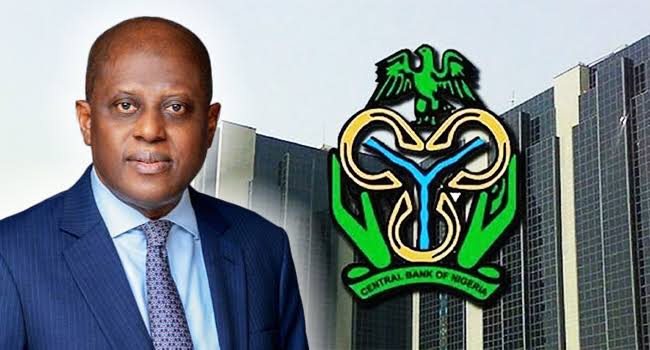
The Governor of the Central Bank of Nigeria (CBN), Olayemi Cardoso, has expressed concern over the rising volume of non-bank transactions which he says poses a major threat to financial stability in West Africa.

Cardoso stated this at the 10th meeting of the College of Supervisors for Non-Bank Financial Institutions of the West African Monetary Zone.

The CBN governor who was represented by the Apex bank’s acting Director of the Other Financial Institutions Department, Abayomi Arogundade, emphasized the critical need to monitor trends, risks, and innovations within the financial sector. He also commented on the rise in Fintech loans, alongside crypto and stablecoin assets.

In his words,

“We reiterate the importance of monitoring trends, risks and innovations of NBFIs/(Non-Bank Financial Institutions or Other Financial Institutions) as their increasing transaction volumes pose major financial system stability risk. Fintech loans are one of the most commonly reported innovations. While overall this may appear small in relation to the size of credit by DMBs, some jurisdictions globally, have noted a growing trend in the volume of these loans.

“In many cases, fintech credit is provided via electronic platforms that connect lenders to borrowers in which case the platform takes the role of a financial auxiliary. In some cases, however, loans are taken on the balance sheet of these platforms (even if it is short-term), in which case the platforms are akin to new types of financial intermediaries.

“These entities are typically Fintech firms that offer applications, software, and other technologies to streamline mobile and online banking. In many jurisdictions, these digital firms have a banking license and are subject to prudential requirements or they may just be regulated as fintech payment service firms. Innovations linked to crypto or stablecoin assets were also reported by some jurisdictions”.

The governor further highlights the need for regulatory oversight of these Fintech firms, whether they hold banking licenses or operate as payment service providers, to mitigate potential risks.

While non-bank transactions and digital financial services offer significant benefits in terms of financial inclusion and convenience, he noted that they also introduce new risks that need to be properly managed to maintain financial stability in West Africa.

One of the primary concerns is the increased risk associated with non-bank financial institutions (NBFIs), which often operate with less regulatory oversight compared to traditional banks. This according to the IMF can lead to liquidity mismatches, inadequate risk management, and high levels of interconnectedness, potentially causing systemic risks during periods of financial stress.

In a bid to mitigate these challenges, the CBN has been working actively to develop frameworks that can effectively monitor and manage these risks. Also, stakeholders in the financial sector have emphasized the need for resilience in the industry, citing emerging risks such as climate-related risks, cyber threats, and digitization challenges.