DD
MM
YYYY

PAGES

DD
MM
YYYY

spot_img

PAGES

Home Blog Page 3147

Nigeria Must Solve the Debt-to-GDP Problem via “Debt for Production” Governance Framework

0

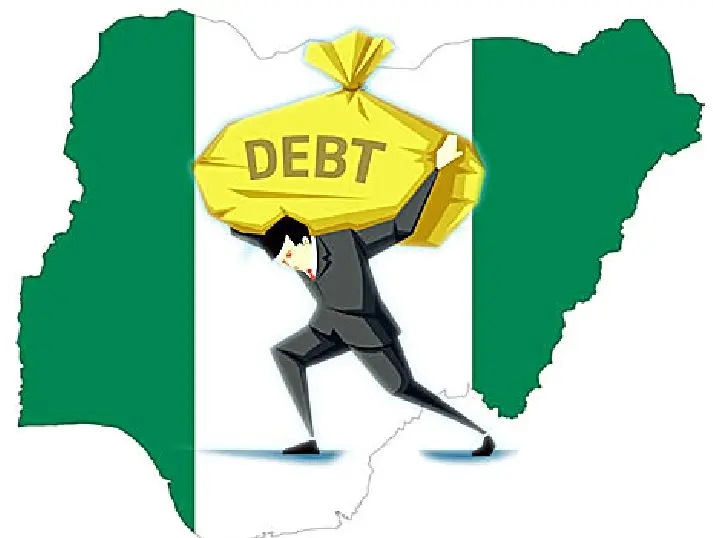
An inflection point for the nation: “Nigeria’s debt-to-GDP ratio has crossed the 50% threshold for the first time, underscoring the country’s escalating fiscal challenges…” Nigeria needs to work on this ratio of debt/GDP, and must do it within the Nigerian context. Here, we have a strategic objective which is to make debt/GDP lowest possible. So, we can reduce debt, OR we can improve GDP, OR we can reduce debt and increase GDP at the same time, ceteris paribus.

Unfortunately, this is not elementary algebra as reducing debt, in a non-productive country may not even enable growth to happen, since you need to stimulate the economy for growth to happen. What do you do? We need to add a fudge factor which is debt for production, not debt for consumption. If you do that, debt will go up, but you can grow the economy, improving GDP faster than the growth of the debt.

Now, the real question is this: how can Nigeria run a framework of “debt for production” governance since it is nearly impossible to make growth happen in Nigeria without debt since you need money to make money, they say?

Nigeria’s Debt-to-GDP Ratio Surpasses 50% for the First Time

Polkadot, Shiba Inu, Stellar, and Chainlink Rise on Coinbase Announcement: Which Ethereum Token Is Next?

0

Coinbase, one of the leading crypto exchanges in the USA, recently announced a possible rollout of derivative contracts on several Ethereum altcoins, including Polkadot (DOT), Shiba Inu (SHIB), Stellar (XLM), and Chainlink (LINK).

This has raised the question of what will impact these Ethereum tokens and which other tokens will benefit from these developments.

Coinbase Advances in Crypto Derivatives

The expansion by Coinbase to offer margin futures contracts on Polkadot, Shiba Inu, Stellar, and Chainlink altcoins is a key development in the crypto derivatives space. Coinbase has created a competitive advantage by providing this service, since it is the first futures Exchange in the U.S. to offer the service.

The decision should benefit these tokens, as it should positively affect their availability and market liquidity. At the same time, it will give investors new strategies to hedge and bet on price action.

Out of the altcoins mentioned, Shiba Inu has received the most attention. Coinbase’s approval helped solidify the meme coin’s position, which has become popular in recent years.

Despite not eliciting an immediate boost in price, it is a clear insight into the impact that meme coins are bringing into the market, and more can, therefore, be expected.

RCO Finance: The Next Big Thing in Ethereum?

While investors are already anticipating Coinbase’s crypto derivatives going public, the focus is on other potential projects in the Ethereum network. One such diversified project that stands out is RCO Finance (RCOF).

This Ethereum token is primarily used for the RCO Finance platform, a decentralized marketplace where users can buy and sell stocks, bonds, commodities, and derivatives using cryptocurrency. Using blockchain technology and AI, RCO Finance will create equal investment opportunities for active crypto users and conventional investors.

The Ethereum token’s presale is live, drawing massive attention. This has further influenced the RCOF token, currently at $0.0127 per token. Investors are attracted by appealing factors such as up to 50x ROI by the end of the presale and the unique concept of decentralized trading.

The Potential Impact of Ethereum ETFs

Another factor contributing to the recent increase in the popularity of Ethereum altcoins is the expectation of the approval of Ethereum ETFs in the United States. The approval of the spot Bitcoin ETF at the beginning of the year has paved the way for Ether, with Bloomberg analysts revising the signaling odds from 25% to 75%.

The approval of Ether ETFs has given investors hope, and many are eager to bet on them for returns. Such services like RCO Finance have become popular in the investment world as investors search for new opportunities, and the popularity of the Ethereum network has been consistently rising.

How RCO FInance is Changing the DeFi Landscape

RCO Finance is now on the path of transforming the DeFi sector by introducing crypto AI robo-advisor tools designed to help investors.

This eliminates the inconvenience of having to convert to fiat currency, making it extremely versatile and easy to access. RCO Finance combines DeFi products such as AMM, yield farming, and liquidity pools, providing its users with direct access to the fast-developing DeFi world.

Also, the platform incorporates artificial intelligence to study the market and perform transactions that lead to an optimal return on investment. RCO Finance also provides users with decentralized decision-making through its RCOF Ethereum token, allowing users to influence the RCO Finance platform’s further development.

The token-burning mechanism adds another element of value by gradually eliminating tokens in circulation, making the token more valuable and rare. Furthermore, to improve security and integrity, the RCOF token is audited by SolidProof, a renowned security company.

Grow Your Investments With RCO Finance (RCOF)

RCO Finance is conducting a highly anticipated presale for its RCOF Ethereum token, which will allow investors to participate in the project’s growth.

Currently priced at $0.0127, the RCOF Ethereum token is projected to yield early investors a remarkable return on investment (ROI) of over 3000%, with an anticipated listing price between $0.4 and $0.6.

The Ethereum token offers a stage-based price growth system, ensuring that investors can benefit from every phase.

Take this opportunity to be a part of the future of trading and investing. Invest in RCOF today!

For more information about the RCO Finance (RCOF) Presale:

Visit RCO Finance Presale

Join The RCO Finance Community

Cryptocurrency Regulation is taking a New Dimension Globally

0

The world of cryptocurrency is witnessing a significant shift as regulatory bodies across the globe are stepping up their efforts to establish a more structured and secure framework for digital asset operations. This move towards enhanced regulation represents a new dimension in the battle for a balanced approach to cryptocurrency governance.

In the United States, the Securities and Exchange Commission (SEC) has intensified its scrutiny of digital currencies, treating many as unregistered securities. The SEC’s enforcement actions have been numerous, with 26 cryptocurrency-related cases in 2023 alone. This rigorous approach aims to curb fraud, reduce market manipulation, and increase transparency among cryptocurrency holders and exchanges. SEC Chair Gary Gensler has urged crypto exchanges to register as securities trading platforms, reflecting a broader trend of regulatory bodies seeking to bring the crypto industry under similar oversight as traditional financial institutions.

Globally, the International Organization of Securities Commissions has laid out 18 recommendations for managing crypto and digital assets, signaling a concerted effort to harmonize regulations worldwide. The European Union has also been proactive, introducing the Markets in Crypto-Assets Regulation (MiCA) in May 2023, marking the first comprehensive cryptocurrency regulations on a global scale.

The realm of Decentralized Autonomous Organizations (DAOs) is undergoing a significant transformation as it encounters the complex world of governance regulation. DAOs, which operate on the principles of decentralization and collective decision-making, are facing new challenges and opportunities in the legal domain.

A recent call for evidence by the Law Commission, requested by HM Treasury, has put the spotlight on the legal status of DAOs and the potential need for changes in English law. This inquiry is part of a broader examination of emerging technologies and their fit within the current legal framework. The Law Commission’s efforts align with a wider governmental focus on artificial intelligence and autonomous code, which will undoubtedly impact DAOs and the decentralized finance (DeFi) sector.

The legal landscape for DAOs is marked by a lack of formal recognition, which raises questions about liability, contract enforcement, and legal accountability. Traditional corporate structures enjoy a clear legal identity, but DAOs, often unincorporated and operating digitally, fall into a gray area. This absence of legal status poses challenges in determining who is liable in disputes and how DAOs can engage in legally binding contracts.

Governance in DAOs is typically executed through tokens representing voting rights, aiming to democratize decision-making. However, this model complicates issues of liability and accountability, as decisions are made collectively by token holders rather than a centralized authority. Regulatory compliance also emerges as a concern, especially for financial DAOs that might inadvertently fall under securities regulations based on their token management practices.

Despite these challenges, some jurisdictions are taking proactive steps. For instance, Wyoming has recognized DAOs as a form of LLCs, providing a legal framework for these entities. Such legislative initiatives are crucial for offering legal certainty and protection for DAO participants.

The evolving legal landscape for DAO governance is a testament to the dynamic nature of this sector. As DAOs continue to challenge traditional notions of organizational governance, the development of tailored legal frameworks becomes imperative. Awareness and self-regulation within the DAO community, coupled with legislative progress, will be key to navigating the complexities of this new frontier.

The push for regulation is not without its challenges. The crypto industry has often been associated with a lack of regulation, which has been a point of attraction for many of its proponents. They argue that digital currencies promise to decentralize money and trade, leading to a more equitable financial ecosystem. Moreover, blockchain technology fosters trust among market participants without the need for external enforcement, thanks to its immutable and transparent nature.

However, recent events, including the bankruptcies of several high-profile cryptocurrency platforms, have highlighted the vulnerabilities within the sector and the need for regulatory oversight. These incidents have accelerated the push for clear accounting and reporting guidelines for crypto assets, as well as the establishment of rules that align with those governing traditional financial systems.

As we move forward, it is clear that the landscape of cryptocurrency regulation is evolving rapidly. The balance between fostering innovation and ensuring investor protection is delicate and requires thoughtful consideration from regulators, industry participants, and the public at large. The new dimension of crypto regulations is set to redefine the industry, promising a more stable and trustworthy environment for the burgeoning digital economy.

How Virtual Connections Foster Real Business Growth: The Intersection of Live Streaming and Entrepreneurial Success

0
Virtual event or meeting has gone mainstream, benefiting Zoom

In today’s digital-first world, live streaming has become more than just a platform for entertainment; it’s a potent tool for business growth. 

As entrepreneurs seek innovative ways to connect with their audiences and expand their markets, live streaming emerges as a key player in bridging the gap between virtual connections and tangible business success. This article explores how leveraging live streaming can significantly enhance business outcomes through increased engagement, brand visibility, and customer loyalty.

Enhancing Engagement through Interactive Content

Live streaming offers an unprecedented level of interaction with audiences. Unlike pre-recorded videos or static content, live streams allow real-time communication between entrepreneurs and their viewers. This immediate interaction fosters a sense of community and engagement invaluable for business growth.

  • Personal Connection: Live streaming enables entrepreneurs to humanize their brands. By appearing in real time, business owners can share their personalities, respond to viewer comments, and engage with their audience in a way that feels personal and genuine.
  • Feedback and Adaptation: The interactive nature of live streaming also means entrepreneurs can receive instant feedback on their products or services. This direct line to customer insights allows for quick adaptations and improvements, tailoring offerings to meet the market’s needs better.

Expanding Reach and Visibility

Live streaming can significantly expand a business’s reach and visibility. Platforms like YouTube, Facebook, and Twitch host millions of users daily, providing a vast audience for entrepreneurs to tap into. The live aspect of the content tends to draw more attention than regular posts because viewers feel a part of something happening at the moment.

  • Global Audience: Live streaming is not confined by geographical boundaries. Entrepreneurs can connect with viewers worldwide, thereby widening their market far beyond local customers.
  • Enhanced Discoverability: Algorithms on streaming platforms often favor live content, making it more likely for live streams to appear in suggested feeds and search results, thereby increasing organic reach.

Cost-Effective Marketing Strategy

Implementing live streaming as a marketing tool is remarkably cost-effective. Compared to traditional marketing channels like television or print media, live streaming can be done at a fraction of the cost while still reaching an extensive audience.

  • Low Entry Barrier: Starting a live stream requires minimal equipment—often just a smartphone and a stable internet connection. This low barrier to entry makes live streaming accessible for all business sizes, particularly beneficial for startups and small businesses with limited budgets.
  • Increased ROI: The return on investment for live streaming can be substantial. Not only does it cost less to produce, but it also offers the potential for high engagement rates, which can directly translate into sales and leads.

Building Long-term Customer Relationships

The real-time interaction facilitated by live streaming helps build stronger, more meaningful customer relationships. These relationships are crucial for long-term business success as they can lead to repeat business and referrals.

  • Regular Interaction: Businesses can keep their audience engaged and interested by hosting regular live streams. Whether it’s weekly Q&A sessions, product launches, or behind-the-scenes looks at the business, maintaining consistent live interactions helps keep the brand in mind.
  • Community Building: Over time, live streams help cultivate a community of followers who strongly connect to the brand. This community becomes a powerful asset for the business, providing regular customers and advocates who can spread the word about the brand through their networks.

Live Streaming Technology Allows for Niche Market Exploration

Live streaming technology has provided content creators access to global audiences. Each industry utilizes live streaming to best meet its target audiences’ specific requirements and preferences, demonstrating its flexibility and adaptability as a powerful technology tool.

  • Adult Entertainment: Adult industry innovators have long been at the forefront of technological adoption, including live streaming. Platforms dedicated to adult content use live streaming to offer live sex shows to an adult audience seeking real-time, interactive entertainment. This sector operates within a regulatory framework emphasizing legality, consent, and age verification to ensure compliance.
  • Gaming and E-sports: Gaming and e-sports is another niche market that greatly benefits from live streaming, especially thanks to platforms like Twitch and YouTube Gaming. These platforms enable gamers to live to stream their gameplay in real-time, drawing viewers who appreciate seeing and engaging with streamers first-hand.
  • Education and Workshops: Live streaming can also be effectively utilized for educational purposes. It allows educators and experts to host live sessions, workshops, and courses, reaching students across geographically dispersed locations—making education more accessible and interactive than ever.

Conclusion

Live streaming represents a powerful tool for entrepreneurial growth, offering a unique combination of engagement, reach, cost-effectiveness, and relationship building. 

By integrating live streaming into their marketing strategies, businesses can enhance their current growth trajectory and set the stage for sustained success. As we continue to navigate a digital-centric business environment, embracing the opportunities provided by live streaming can lead to significant competitive advantages and real business growth.

Nigeria’s Debt-to-GDP Ratio Surpasses 50% for the First Time

0

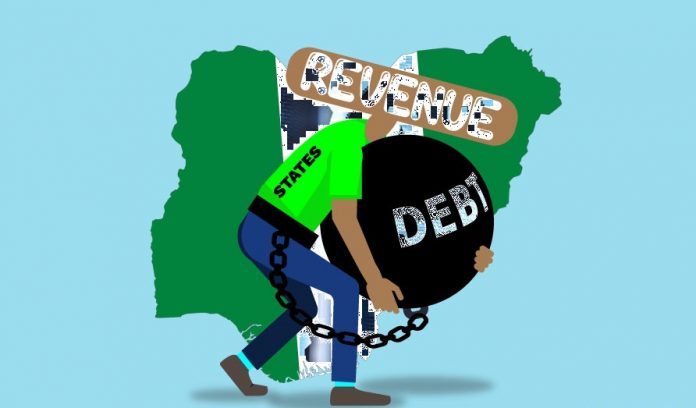
Nigeria’s debt-to-GDP ratio has crossed the 50% threshold for the first time, underscoring the country’s escalating fiscal challenges, amidst growing concern about the government’s extravagant spending.

The Debt Management Office (DMO) recently published the latest public debt figures, revealing a public debt portfolio of N121 trillion. This comprises a domestic debt of N65.6 trillion and a foreign debt portfolio of $42.1 billion, which converts to N56 trillion.

Analysis of Debt-to-GDP Ratio

As of December 2023, Nigeria’s nominal GDP was N229.9 trillion, growing by only 2.74% in real terms. This modest growth has pushed the debt-to-GDP ratio to 52.9%, marking a historic high.

The first quarter of 2024 recorded a nominal GDP of N58.5 trillion, up from N51.2 trillion in the same period in 2023. Subsequent quarters in 2023 saw nominal GDP figures of N52.1 trillion and N60.6 trillion, respectively, with the fourth quarter reaching N65.9 trillion. Consequently, the trailing four quarters GDP total stands at N237.5 trillion, resulting in a debt-to-GDP ratio of 51.2%.

Implications of the Rising Debt Ratio

Nigeria’s debt-to-GDP ratio has traditionally been viewed as relatively low, suggesting room for increased borrowing. Comparatively, as of 2023, Ghana had a debt-to-GDP ratio of 84.9%, South Africa at 72.2%, Kenya at 70.1%, and Egypt at 95.8%.

Despite these higher ratios, Nigeria faces significant challenges in meeting its debt service obligations due to a high debt service-to-revenue ratio. With the debt-to-GDP ratio now exceeding 50%, Nigeria’s capacity to expand its borrowing is increasingly constrained, especially amid ongoing economic difficulties compounded by declining oil revenue.

Over the past nine years, Nigeria’s debt profile has surged due to fiscal challenges, including low crude oil revenues and rising budgetary expenditures. Under the administration of former President Muhammadu Buhari, public debt rose from N12.6 trillion in 2015 to N97.3 trillion by 2023. Between December 2023 and March 2024 alone, public debt has increased by N24.3 trillion.

The DMO attributes this increase to a combination of fresh borrowing and naira devaluation. Specifically, fresh borrowing amounted to N7.71 trillion in the first quarter of 2024. This includes N2.81 trillion from new domestic borrowing as provided in the 2024 Appropriation Act and N4.90 trillion from the securitization of the N7.3 trillion Ways and Means Advances approved by the National Assembly.

According to data from CBN, FG’s borrowing through Nigerian Treasury Bills (NTBs) rose Year-on-Year by 188 percent to N13.235 trillion in the 12 months ending May 2024 from N4.592 trillion in the 12 months ending May 2023.

Global ratings agency Moody’s has projected that Nigeria’s interest spending on debt could consume up to 36% of the federal government’s revenue in 2024. This prediction comes amidst a hawkish monetary policy stance by the Central Bank of Nigeria (CBN), which has pushed interest rates for local borrowing from an average of 12.8% in 2023 to around 19% in the first five months of 2024.

Public Debt: A Persistent Concern

Public debt has been a significant cause of concern for Nigeria over the last nine years. Economists and prominent Nigerians have frequently decried the government’s borrowing practices, criticizing the tendency to fund consumption rather than productive investments. One of the most contentious issues is the perception that borrowed funds are often used to sustain the extravagant lifestyles of public office holders.

The administration of President Bola Tinubu has recently come under fire for its spending priorities amidst rising debt levels. The government’s decision to purchase a presidential yacht, new aircraft, and undertake extensive renovations of offices and residential buildings, costing billions of naira, has sparked widespread controversy. Critics argue that these expenditures are extravagant and unnecessary, particularly when they are funded with borrowed money.

These spending decisions have been perceived as tone-deaf given Nigeria’s severe economic challenges. Public outrage has been fueled by the contrast between the government’s lavish spending on non-essential items and the dire financial straits many Nigerians face. The lavish expenditures are seen as exacerbating the country’s fiscal woes and undermining efforts to stabilize the economy.

“Debt to GDP ratio crossing the 50 percent mark is a disturbing signal for the economy. Getting into the trap of IMF and World Bank is easier than getting out of it. Debt slavery is on the horizon. We must be careful,” former Senator, Shehu Sani said.