
DD
MM
YYYY

PAGES

DD
MM
YYYY

spot_img

PAGES

Home Blog Page 3177

The Duality Element and Why The Best Digital Products and Also Platforms

0
Duality Element

Construction workers build platforms. Those platforms can serve bricklayers, carpenters, painters and anyone working in the project. In internet business,  great companies engineer products with duality: products which are also platforms. Facebook is a product and also a platform.

In this piece, I explain why you must desire to create a platform and not just a product. Just like construction platforms, platforms enable you to rewire your business logic with ease. Products are hard-wired and fixed. Platforms create digital customers while products make consumers; customers are better. Out of customers, you have fans!

The best modern technology businesses are platform-anchored, not product-driven. Facebook is a platform. Apple has a platform. Google runs as a platform. These are among the most valuable companies on earth. As marginal cost goes lower in the internet age, platforms will rise because of the positive continuum of network effects. From aggregation construct to one oasis strategy, businesses with consumer focused frameworks are wired to succeed if they are platform-oriented.

In this piece, I explain the key components of the duality element.

Product applications are wired with predefined logic which means they do only what you want them to do and nothing more. Myspace built a social connection app and nothing more. But in platforms, you do not have “hard-wired” logic states making it easier to reconfigure the ecosystems for different uses. Here, Facebook engineered a platform which makes it possible that it can do whatever comes in future. Once that happens, you see amazing scalability driven by network effects: a virtuoso circle where as more people use a digital product, the product gets more data which is used to improve the customer experience, and that improved quality attracts more users.

Any digital product that does not have the duality element will struggle especially in consumer market: you need the product and the platform as one to make progress these days. You need to build platforms because they have the elasticity to evolve with your business logic. Products are static and fade quickly as markets change. Platforms can grow without bounds, anchoring new opportunities on top. The business logic of integration, process and decision making are best handled on platforms over products in the internet space. With platforms, you have CUSTOMERS; products deliver consumers.


Connecting to Double Play Strategy

  • Digital products that succeed are often both products and platforms, with platforms serving as essential moats for modern digital products.
  • Samsung makes profits, not just from the Galaxy mobile unit, but from the chip business. Samsung’s chip business remains a significant contributor to its operating profit.
  • Apple plays a crucial role in Samsung’s success through chip orders, highlighting the interdependence between the two tech giants despite their competitive dynamics in the market.
  • The concept of “Double Play” in business strategy is exemplified by Samsung’s ability to leverage its mobile device unit as an internal customer for its chip business, reducing risks and fostering innovation.
  • Both Samsung and Apple benefit from a symbiotic relationship where Samsung’s chip-making expertise complements Apple’s need for high-quality chips at scale, showcasing how innovation and collaboration can lead to mutual success in the tech industry.

Yet, in the realm of digital products, while platforms undoubtedly offer advantages in terms of scale and network effects, it is an oversimplification to assert that all successful digital products must adopt a platform strategy. Many successful products thrive without relying on platform elements, showcasing the diversity of approaches in the digital landscape. Moreover, the notion that platforms serve as essential moats for modern digital products overlooks the complexities and challenges associated with maintaining platform dominance. Regulatory scrutiny, antitrust concerns, and the need for continuous innovation to sustain relevance are critical factors that can erode any perceived moat provided by a platform.

The anticipated record profits of companies like Samsung driven by specific business segments should be viewed with caution due to external factors beyond their control. Heavy reliance on one dominant business segment, as seen with Samsung’s chip business accounting for a significant portion of its profits, exposes companies to risks if that segment faces challenges like oversupply or technological disruptions.

While symbiotic relationships between tech giants like Samsung and Apple can yield mutual benefits through collaboration and innovation, they also underscore interdependencies and potential vulnerabilities within complex supply chains. Balancing cooperation with competition in such relationships presents ongoing challenges that require careful navigation to ensure long-term success for all parties involved.

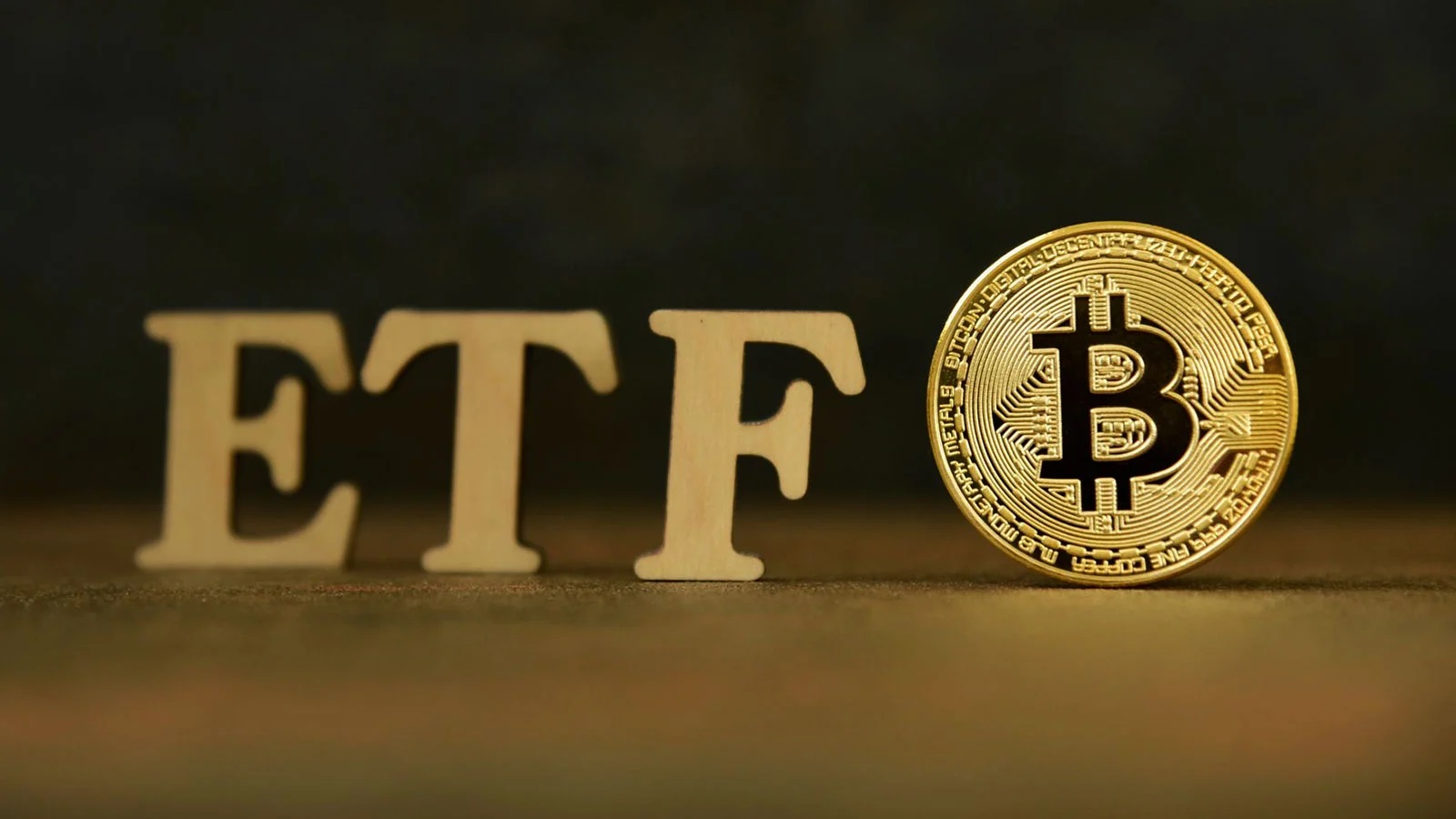
Is Bitcoin A Hedge Against Geopolitical Uncertainty and Risk?

0

In the ever-evolving landscape of global finance, blockchain technology, particularly cryptocurrencies like Bitcoin, has been touted as a potential hedge against geopolitical uncertainty. This perspective has gained traction among investors and financial institutions alike, as they navigate the complexities of international relations and market dynamics.

The concept of using blockchain as a hedge stem from its decentralized nature, which theoretically insulates it from the whims of centralized authorities and the impact of geopolitical tensions. Cryptocurrencies operate on a peer-to-peer network, ostensibly reducing reliance on traditional financial systems that can be vulnerable to political strife and economic sanctions.

BlackRock, the world’s largest asset manager, has recently highlighted Bitcoin’s role in this context. Jay Jacobs, Head of Thematic and Active ETFs at BlackRock, remarked that Bitcoin is considered by many investors as a hedge against geopolitical and monetary risks. The digital assets industry, according to Jacobs, is experiencing significant growth, with investors showing a keen interest in products like BlackRock’s IBIT ETF since its launch.

However, it’s crucial to approach this narrative with a degree of skepticism. Bitcoin and other cryptocurrencies are still nascent assets with a fraction of the market size of traditional safe-havens like gold. This smaller market size contributes to higher volatility, which can be a double-edged sword. While it may offer substantial returns, it also poses significant risks, especially in the face of geopolitical upheavals.

Moreover, the empirical literature suggests that geopolitical uncertainty does have an impact on cryptocurrency markets. A study published in SN Business & Economics indicates that the Geopolitical Risk Index (GPR) is a powerful predictor of Bitcoin returns and volatility. This finding underscores the potential of cryptocurrencies to serve as diversifying or hedging instruments in investment portfolios.

On the flip side, the use of blockchain and cryptocurrencies can also present risks. For instance, countries under economic sanctions, like Russia, could potentially leverage decentralized technologies to circumvent these restrictions, as noted in a Springer article. This raises ethical and legal questions about the role of blockchain in global finance.

Furthermore, policy uncertainty can affect the volatility of Bitcoin, suggesting that while it may have hedge properties, it is not immune to the effects of regulatory changes and political developments.

While blockchain and cryptocurrencies offer an intriguing proposition as a hedge against geopolitical uncertainty, they are not without risks. Investors must weigh the potential rewards against the volatility and ethical considerations. As with any investment, a measured and informed approach is essential to navigate the uncertain waters of geopolitics and finance. The future of blockchain as a geopolitical hedge remains to be seen, but it undoubtedly presents a fascinating intersection of technology and global economics.

Investing in cryptocurrencies can offer high returns, but it’s essential for investors to understand and accept the risks involved. A balanced approach, with a clear understanding of the volatile nature of the market and the risks outlined, is crucial for anyone considering adding cryptocurrencies to their investment portfolio. Remember, never invest more than you can afford to lose and always do your due diligence.

Exchange-Traded Funds, NFTs, and Mid Cycle Valuations

0

The crypto market is a dynamic and ever-evolving landscape, where traditional financial instruments like Exchange-Traded Funds (ETFs) intersect with cutting-edge innovations such as Non-Fungible Tokens (NFTs). As we navigate through the mid-cycle of the current market, it’s crucial to understand how these elements interact and influence valuations.

ETFs have been a game-changer in the investment world, providing a diversified portfolio through a single transaction. The introduction of crypto-based ETFs has opened the doors for mainstream investors to gain exposure to digital assets without the complexities of direct ownership. The potential impact of upcoming Ethereum ETFs and speculation around a Solana ETF approval are hot topics among investors. These developments could significantly affect the liquidity and stability of the underlying cryptocurrencies.

NFTs have transcended their initial use as digital art and collectibles to become a unique asset class. The evolving ‘NFT meta’ refers to the changing trends and utilities of NFTs, including their use in gaming, virtual real estate, and as access tokens to exclusive communities or services. The valuation of NFTs remains a complex issue, as they may trade at a premium or discount to their net asset value (NAV), introducing an additional layer of complexity in determining fair market value.

Investing in NFTs also involves navigating the complex world of intellectual property rights. There are ongoing legal debates about the extent of ownership and rights that an NFT confers on its holder, which can lead to legal challenges. The digital nature of NFTs opens up possibilities for fraud and counterfeiting. Investors may encounter fake NFTs or become involved in transactions on platforms that lack the necessary security measures to protect their assets.

Investing in NFTs presents a unique set of challenges and risks. It’s essential for investors to conduct thorough research, understand the underlying value of the asset, and consider the potential for market shifts. As with any investment, a cautious approach and a well-informed strategy are key to navigating the volatile waters of the NFT marketplace.

Mid-cycle valuations in the crypto market are particularly challenging to assess. The market is influenced by a myriad of factors, including regulatory developments, technological advancements, and macroeconomic conditions. Investors and analysts closely watch the bull and bear cases for emerging platforms like Celestia, as well as established ones, to gauge the market’s direction. The recent Blockworks Research report on TON provides insights into the current sentiment and future prospects of these digital assets.

The intersection of ETFs, NFTs, and mid-cycle valuations presents both opportunities and challenges for investors in the crypto market. Staying informed and understanding the nuances of each element can lead to more strategic investment decisions. As the market continues to mature, it will be interesting to see how these components evolve and shape the future of digital asset investing.

The regulatory landscape for NFTs is still evolving. There’s a lack of clarity on how these digital assets will be governed, which poses a risk for investors in terms of compliance with future laws and regulations. Determining the value of an NFT is complex. Unlike traditional assets, there’s no standardized method for appraising NFTs, making it difficult to assess their fair market value. This can lead to overvaluation or undervaluation, impacting investment decisions.

Bitcoin Revolution in Africa

0

Africa is on the brink of a financial revolution, one that is being driven by the adoption of Bitcoin and blockchain technology. This movement is not just about embracing new technology; it’s about reshaping the financial landscape of an entire continent.

For decades, Africa has faced numerous financial challenges, including limited access to banking services, high remittance fees, and volatile national currencies. However, the rise of Bitcoin offers a beacon of hope. With its decentralized nature, Bitcoin provides an alternative to traditional banking, empowering individuals to take control of their financial destiny.

Over 100 companies across Africa are now building on the Bitcoin network, leveraging its decentralized nature to create innovative solutions tailored to the continent’s unique challenges. These companies are harnessing the power of Bitcoin to provide financial services to the unbanked, streamline remittance processes, and foster economic growth.

The story of Bitcoin in Africa is one of resilience and innovation. Pioneers like Alakanani Itireleng, the founder of the Satoshi Centre in Botswana, and Lorien Gamaroff, the founder of Usizo, are leading the charge. They are not only advocating for the use of Bitcoin but are also educating communities about its potential benefits.

The rise of Bitcoin in Africa can be attributed to several factors. High mobile phone penetration rates, coupled with the limitations of traditional banking infrastructure, have paved the way for a more inclusive financial system through digital currencies. Moreover, Bitcoin’s borderless nature makes it an ideal tool for remittances, which are a vital part of many African economies.

Documentaries like “Banking on Africa – The Bitcoin Revolution” highlight the journeys of African Bitcoin pioneers and their vision for how cryptocurrency can improve the lives of millions. The narrative is clear: Africa is not just participating in the global cryptocurrency movement; it is leading the way with innovation and determination.

One of the most significant advantages of Bitcoin for Africa is the potential to streamline remittances. With a large diaspora, remittances play a vital role in the continent’s economy. Bitcoin can reduce transaction costs and increase the speed of money transfers, making it easier for Africans abroad to support their families back home.

Moreover, Bitcoin is fostering a new wave of financial inclusion. Mobile phone penetration is soaring across the continent, and with it, the opportunity for mobile-based Bitcoin wallets to reach millions of unbanked individuals. This could revolutionize how people save, spend, and invest their money.

The implications of this revolution are profound. By leveraging cryptocurrency, Africa has the chance to leapfrog traditional economic structures and establish a more equitable financial system. This is not just about technology; it’s about providing a pathway to prosperity for millions of people.

As we look to the future, the Bitcoin revolution in Africa holds the promise of a more inclusive and stable financial ecosystem. It’s a testament to the ingenuity and determination of a continent that is ready to embrace change and harness it for the betterment of its people.

The journey is just beginning, and the world is watching. Africa’s Bitcoin revolution could very well be the blueprint for a global shift towards a more decentralized and democratic financial system. The potential is limitless, and the time for Africa to lead the way is now.

Identity Verification Firm Prembly Announces Strategic Partnership with Peleza to Form Prembly Group

0

Prembly, a leading KYC/KYB solution provider for identity verification, and document verification, has partnered with Kenyan identity management firm Peleza, to form Prembly Group.

According to Prembly, the strategic partnership will see both companies leverage synergies to enhance service delivery across multiple sectors, including finance, telecommunications, e-commerce, and more.

While Prembly provides identity verification, security, and compliance, Peleza conducts background checks for businesses.

Speaking on the merger, Lanre Ogungbe founder and CEO of Prembly said,

“The merger with Peleza deepens our industry knowledge and elevates our strengths and technologies, empowering us to exceed our clients’ expectations worldwide. We are also very excited to have Marita, with over 15 years of experience, join our leadership team at the newly formed Prembly Group to drive innovation and enhance our strategic initiatives”.

Ogungbe further explained that the decision to name the newly formed organization “Prembly Group”, was a result of a mutual agreement reached between both companies to leverage the brand equity and established market presence of Prembly, also given its global recognition in compliance and digital security solutions.

Also speaking, Peleza founder Marita Mutemi said, that the merger serves as an extension of its long-standing partnership, providing an opportunity to expand service offerings to customers across various markets and globally.

“This is once in a once-in-a-lifetime transformational opportunity to combine two great companies with great cultures, histories, and a promising future. The strength in both our numbers as one unified team, with both enterprises coming together to serve global markets and creating a combined culture that supports our single global vision of driving excellence in data integrity and regulatory compliance quite excites us”.

With the merger of both companies, Ogungbe has been appointed as the CEO of Prembly Group, while Marita Mutemi, CEO of Peleza, will join the Prembly Group as CFO and double as the CEO of Prembly East Africa. Also, other executives from Peleza, have been reassigned and retained their leadership roles.

It is worth noting that this strategic partnership between Prembly and Peleza will create a combined team with over 100 employees and operational offices in Uganda, Kenya, Nigeria, and the US, ensuring the expansion of products and footprint globally.

Since its launch in 2021, Prembly has processed over 40 million verifications, projected to triple with the recent merger with Peleza. The combined entity anticipated processing an average of 3.5 million identity verifications monthly.

According to Prembly Group, it noted that customers should expect enhanced capabilities in identity verification, background checks, risk management, and regulatory compliance solutions tailored to meet businesses’ evolving needs.