DD
MM
YYYY

PAGES

DD
MM
YYYY

spot_img

PAGES

Home Blog Page 3237

New President of Mexico will Prioritize Relationship with the US

0

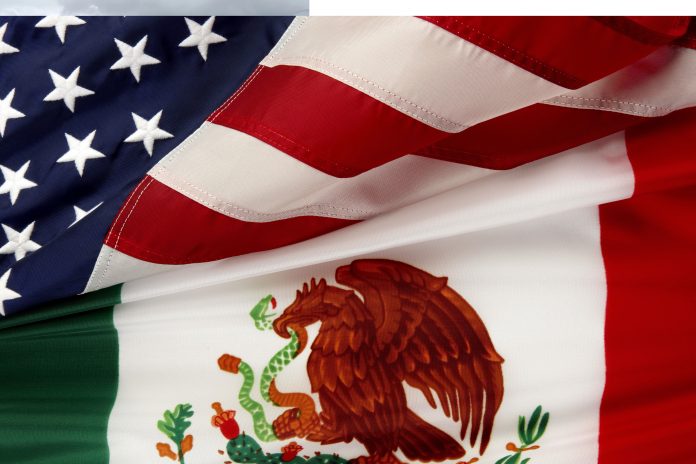
Mexico’s newly elected president, Claudia Sheinbaum, has stepped into her role with a clear vision for the future of Mexico’s international relations, particularly with its northern neighbor, the United States. The focus is on enhancing cooperation on critical issues such as migration, trade, and the pressing challenge of fentanyl trafficking. However, Sheinbaum’s administration recognizes that a proactive engagement strategy must extend beyond Washington to ensure comprehensive international relations.

The election of Claudia Sheinbaum as Mexico’s new president marks a significant moment in the country’s political landscape. With a strong mandate to continue and enhance the policies of her predecessor, Sheinbaum’s administration faces the challenge of addressing complex issues that have long-standing implications for both Mexico and its relationship with the United States.

One of the critical areas of focus for the new administration is the bilateral relationship with the U.S., particularly concerning migration, trade, and the pressing issue of fentanyl trafficking. The shared problems of global migration and drug trafficking have tested the resilience of the U.S.-Mexico relationship, necessitating a collaborative approach to develop effective strategies and policies.

Migration has long been a central theme in U.S.-Mexico relations, with both nations seeking sustainable solutions to the complex challenges it presents. Sheinbaum’s approach aims to address the root causes of migration, advocating for economic development and stability in regions that traditionally see high levels of emigration.

Trade between the two countries has been robust, underpinned by the United States-Mexico-Canada Agreement (USMCA). Sheinbaum’s presidency is expected to continue supporting this framework, promoting economic growth and job creation while also looking to diversify Mexico’s trade partnerships globally.

The fentanyl crisis poses a significant threat to public health and safety in both nations. The new administration is committed to intensifying efforts to combat the trafficking of this dangerous synthetic opioid, working closely with U.S. agencies to disrupt the supply chains and reduce the availability of illicit drugs.

Sheinbaum’s victory presents an opportunity for Mexico to redefine its engagement with the U.S. and other global partners. The proactive engagement beyond Washington is not just a necessity but a strategic move to diversify Mexico’s international relations and strengthen its role in global affairs. This approach aligns with the shifting geopolitical trends and the need for Global South bridge-builders in a turbulent world.

However, recent tensions and the potential threats to free trade agreements highlight the need for a renewed dialogue and negotiation to safeguard mutual interests. The new president’s stance on trade will be closely watched, as it will influence the economic dynamics between the two countries and beyond.

The deadly opioid has been linked to a high number of overdoses in the U.S., with Mexico and China being primary sources for synthetic fentanyl trafficked into the U.S. Addressing this challenge requires a concerted effort to combat organized crime and reduce the flow of illicit drugs across borders.

The new president’s commitment to working relations with the U.S. on critical issues is a step in the right direction. However, the success of these efforts will depend on the ability to engage proactively with a broader range of international partners and

Nigerian Government Concludes Sale of Five Power Plants for $1.15bn

0

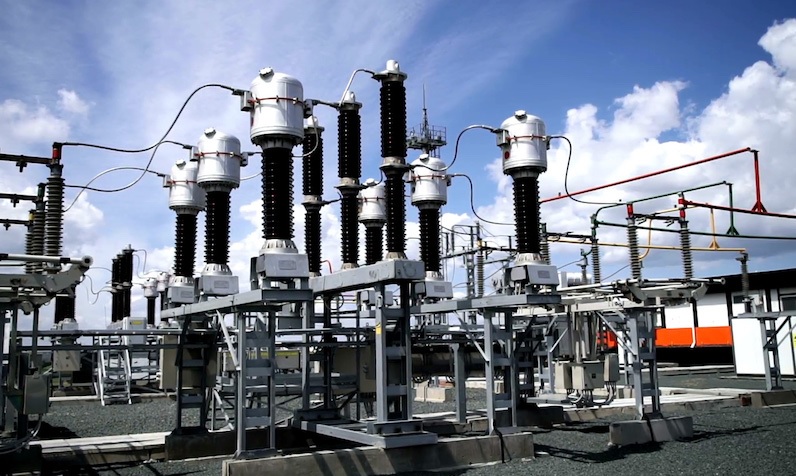
The Federal Government of Nigeria has finalized the sale of five power plants under the National Integrated Power Projects (NIPPs) for approximately $1.15 billion.

This was disclosed by the Minister of Power, Adebayo Adelabu, at the BusinessDay “Powering Nigeria’s Energy Future: Addressing Infrastructural Challenges for Sustainable Energy Development” Conference held in Lagos.

The bidding process for the power plants has been completed, and a final report has been submitted to the National Council of Privatization (NCP), chaired by Vice President Kashim Shettima. The plants sold include the Omotosho and Olorunsogo plants, which fetched about $85 million and $170 million, respectively.

Adelabu confirmed, “The sale of these power plants marks a significant step in our efforts to improve the power sector. The funds generated will be used to support national economic objectives.”

The decision to sell these power plants came after prolonged disputes and legal battles. In December 2022, the federal government and the 36 state governors agreed to sell the NIPPs to fund the 2023 budget. This agreement followed over two years of negotiations and opposition from various groups.

Former Director-General of the Bureau of Public Enterprises (BPE), Alex Okoh, previously disclosed that an agreement had been reached between the Federal Government and the states regarding the sale of the NIPPs. However, the announcement faced opposition from various stakeholders.

Discussions about the sale of the NIPPs have been ongoing for years, with significant milestones reached in April 2021 when the National Council on Privatization approved the fast-track sale of five NIPPs. In March 2022, the Nigerian National Petroleum Corporation (NNPC) showed interest in acquiring some of these power plants.

Nigeria’s Struggle for Steady Power Supply

Nigeria’s journey towards a steady power supply has been fraught with challenges. Despite being one of the largest economies in Africa, the country has struggled with chronic power shortages and frequent blackouts, which have significantly hindered economic growth and development.

The national grid, generating less than 5,000 MW, has often been unable to meet the demand, resulting in frequent outages. The lack of reliable power has forced many businesses and households to rely on expensive and polluting diesel generators, adding to operational costs and environmental issues.

Efforts to reform the power sector have included attempts to improve generation capacity, modernize infrastructure, and enhance distribution efficiency. However, these efforts have often been hampered by inadequate investment, corruption, and bureaucratic inefficiencies.

To address these issues, the Nigerian government has embarked on a comprehensive strategy to revitalize the power sector through privatization. The sale of the five NIPP plants is a crucial part of this strategy. By transferring ownership to private entities, the government aims to attract more investment, improve management efficiency, and ultimately provide more reliable power to consumers.

The privatization process is expected to bring in much-needed capital for upgrading infrastructure, expanding capacity, and deploying advanced technologies. It is also anticipated that private operators will implement better governance practices, reducing inefficiencies and losses that have plagued the sector.

The privatization plan is the major reason the government recently increased tariffs for Band A electricity customers.

The Nigerian Electricity Regulatory Commission (NERC) has approved a significant increase in electricity tariffs, from N66/N77 per kilowatt-hour to N225 starting in April. This adjustment aims to reduce electricity subsidies by about N1.14 trillion in 2024. Initially, the federal government had estimated that N1.6 trillion would be spent on electricity subsidies in the 2024 fiscal year.

Metering Initiative

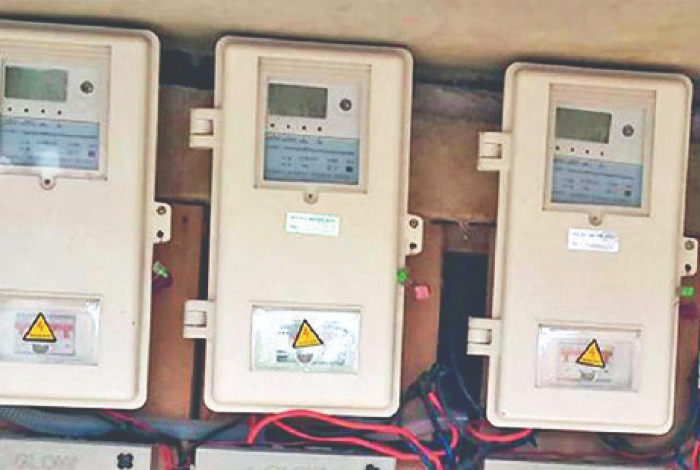
In addition to the power plant sales, Adelabu highlighted the government’s efforts to improve metering for electricity customers. He announced an N20 billion fund for the procurement of meters for unmetered Band A electricity customers, who receive 20-24 hours of electricity supply daily. The goal is to complete this full-scale metering by the end of September.

“We are releasing N20 billion for the electricity distribution companies to procure meters for the unmetered Band A customers before the end of September,” Adelabu stated.

The Nigerian Electricity Regulatory Commission (NERC) reported that over seven million electricity customers in Nigeria remain unmetered. The government aims to inject 1.5 million meters into the power sector through the World Bank Distribution Support Recovery Program and ensure an additional two million meters annually for the next five years through the Presidential Metering Initiative. The World Bank has released a $500 million loan to the government for the project.

Tinubu Inaugurates N21bn Vice President’s Residence Amid Economic Hardship in Nigeria

0

President Bola Tinubu, represented by Vice President Kashim Shettima, inaugurated the vice president’s official residence on Friday. The project, completed at a cost of N21 billion, took 14 years from the initial award to its completion.

During the inauguration ceremony, Tinubu emphasized his administration’s commitment to accountability, transparency, and efficient resource utilization. He noted that completing the vice president’s residence during a period of economic hardship demonstrates his commitment to fulfilling promises to Nigerians.

Tinubu highlighted that providing a suitable residence for the vice president is not merely about convenience but is a symbol of respect for the office and its occupants. He noted that the project’s completion reflects the respect and affection he has for the vice president.

“President Bola Tinubu deserves special commendations. We have seen how vice presidents were treated in the past. With the present dispensation, it is a different ball game,” Shettima remarked on behalf of Tinubu.

The project faced numerous delays and was abandoned by previous administrations. Initially awarded in 2010 at a cost of N7 billion, the project was left unfinished in 2015.

“Rather than dwell on past shortcomings, we have chosen to take this opportunity to demonstrate our resolve to confront obstacles head-on,” Tinubu said. “As we commission this state-of-the-art edifice, the official residence of the vice-president, we are fulfilling a long-standing commitment and reaffirming our unwavering dedication to accountability, transparency, and efficient utilization of resources for the betterment of our nation.”

FCT Minister Nyesom Wike provided additional details on the project’s history, explaining how in January 2024, the project cost was reviewed to N21 billion, requiring a further N14 billion.

“It was in January this year (2024) that we had to review the project to N21 billion, from N7 billion, which means an additional N14 billion,” Wike said. “For a vice-president’s residence to take 14 good years and then Mr. President, within a year, made it a reality; this is what is called ‘renewed hope.’”

Wike also recalled that when he took office in August 2023, the project site was overgrown with bushes. He thanked the president for supporting the completion of the project and ensuring the vice president now has a comfortable living environment.

N21 billion for Building Rehabilitation amidst current economic hardship

The inauguration of the N21 billion building occurs amid widespread economic hardship in Nigeria. Since President Tinubu took office on May 29, 2023, his policies, including the immediate removal of fuel subsidies and the floating of the naira, have led to significant increases in transportation and food costs. The naira has continued to decline against the dollar, exacerbating economic difficulties for many Nigerians.

While experts have praised Tinubu’s policies as bold and necessary, public criticism has been intense. Many Nigerians lament the resulting economic hardship, questioning the timing and necessity of such an expensive project in the current economic climate.

Many have criticized the N21 billion vice-president’s residence as a slap in the face, especially given the government’s struggle to pay a living wage above N62,000. The lavish spending on the residence, they argue, highlights the disparity between the leadership’s lifestyle and the daily struggles of ordinary citizens.

The project’s completion amidst economic hardship and ongoing negotiations for a new national minimum wage has added to the general belief that Nigerian leaders are selfish and disconnected from the realities of their constituents.

Organized labor has been pushing for a significant increase in the minimum wage, citing the rising cost of living. The government’s proposal of N62,000 has been deemed insufficient by labor unions, who demand N250,000 to meet the basic needs of Nigerian families.

Navigating the Hype and Hazards of Celebrity-Endorsed Memecoins

0

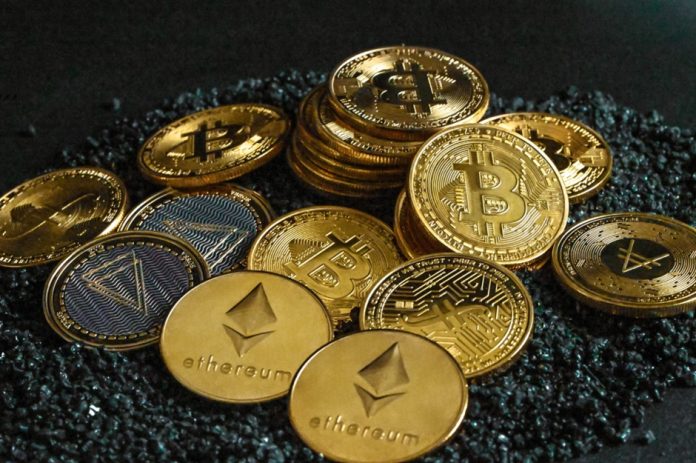
In the ever-evolving landscape of cryptocurrency, the recent surge in celebrity-endorsed memecoins has captured the attention of both enthusiasts and skeptics alike. The concept of memecoins—cryptocurrencies that originate from internet memes or have humorous intent—is not new.

However, the involvement of high-profile celebrities has propelled these digital assets into the limelight, sparking a flurry of activity on platforms like Crypto Twitter.

The allure of memecoins is undeniable. They offer a sense of community and excitement, often bolstered by the star power of celebrities. From Caitlyn Jenner’s JENNER coin to Soulja Boy’s and Andrew Tate’s latest digital venture, these tokens have the potential to skyrocket in value, promising lucrative returns for early investors. Yet, this glittering facade may conceal a more troubling reality.

Recent investigations have unearthed allegations of a serial scammer orchestrating the launch of various celebrity-associated memecoins. This individual, purportedly leveraging the celebrities’ influence and reputation, has been accused of engaging in ‘rug pulls’—a fraudulent practice where developers abandon a project and abscond with investors’ funds.

The crypto community has been abuzz with discussions and analyses, attempting to unravel the complex web of accusations and evidence. A prominent figure in the community, known as Roxo, has identified a suspect believed to be at the center of these schemes. This revelation has sent shockwaves through the industry, prompting a reevaluation of the trust placed in celebrity endorsements.

The situation serves as a stark reminder of the risks inherent in the volatile world of cryptocurrencies. While the promise of quick profits can be enticing, it is crucial for investors to exercise due diligence and skepticism, especially when dealing with assets that are subject to hype and speculation.

For those navigating the treacherous waters of memecoins, a few key considerations can help mitigate potential losses:

Research is paramount. Before investing, thoroughly investigate the token’s developers, their track record, and the transparency of their operations.

Celebrity endorsements do not guarantee legitimacy. High-profile figures may not always have the expertise to vet the projects they promote, and their involvement could be purely contractual.

Diversification is a safety net. Avoid putting all your eggs in one basket, especially when it comes to speculative assets like memecoins.

Stay informed. Keep abreast of news and developments within the crypto community, as this can provide early warnings of potential scams.

Here are some red flags to consider when evaluating memecoin projects:

Anonymity of Developers: Transparency is key in any financial venture. If the developers or team members behind the memecoin are anonymous or use pseudonyms without a verifiable track record, this could indicate a lack of accountability.

Lack of a Clear Roadmap: Legitimate projects typically have a detailed and clear roadmap outlining their goals, milestones, and timelines. The absence of such a document should raise concerns about the project’s legitimacy and long-term viability.

Over-Reliance on Celebrity Endorsements; While having a celebrity endorse a project can increase its visibility, it shouldn’t be the sole basis for its credibility. Be wary of projects that rely heavily on celebrity endorsements rather than solid technical foundations.

Unrealistic Promises of Returns: High returns are enticing, but they can also be a sign of a scam. Be cautious of memecoin projects that promise guaranteed or unusually high returns in a short period.

Rapid Price Fluctuations: Extreme volatility can be a sign of market manipulation, such as pump and dump schemes. Watch out for coins that experience sudden spikes in price without any underlying reason.

Limited Exchange Listings: If a memecoin is not listed on reputable exchanges or is only available on obscure platforms, this could indicate a lack of broader market acceptance and higher risks.

Poor Community Engagement: A strong, active community is often a sign of a healthy project. If the memecoin’s social media channels and forums are filled with promotional content rather than genuine discussions, take it as a warning.

Copycat Features: Many memecoins are simply clones of other successful coins, offering no unique features or innovations. A lack of originality can be a sign that the project lacks substance.

Smart Contract Vulnerabilities: If the project’s smart contract code has not been audited by a reputable third party, there could be vulnerabilities that might be exploited, leading to loss of funds.

Pressure to Invest Quickly; Scammers often create a sense of urgency to push investors into making quick decisions. Be cautious of any project that pressures you to invest immediately.

The celebrity memecoin phenomenon underscores the need for a more informed and cautious approach to cryptocurrency investments. As the industry matures, it is hoped that better regulatory frameworks and investor education will emerge, fostering a safer environment for all participants.

While the world of celebrity-endorsed memecoins may offer excitement and the allure of wealth, it is essential to approach these opportunities with a critical eye. By prioritizing research and prudence, investors can navigate the hype and avoid the pitfalls that have ensnared many in the pursuit of digital fortune.

Nigerian Government to Approve New National Electricity Policy in September

0

The Nigerian federal government is set to approve the new National Electricity Policy and Strategic Implementation Plan (NEPSIP) in September 2024.

Minister of Power, Adebayo Adelabu, revealed this development at the BusinessDay energy conference in Lagos, themed ‘Powering Nigeria’s Energy Future: Addressing Infrastructural Challenges for Sustainable Energy Development’.

During the event, Adelabu highlighted issues affecting the Nigerian power sector, disclosing that 10 power plants in Nigeria are operating below 10 percent capacity due to significant infrastructural challenges. He said the government is focusing on developing a comprehensive framework to support innovation, research, and development in the electricity sector, aiming to address these inefficiencies and chart a sustainable path forward.

“The government believes that a supportive policy and regulatory environment are essential for sustainable energy development. We are committed to creating policies that encourage investment, foster innovation, and ensure fair competition in the energy sector,” Adelabu stated.

Despite substantial reforms, including transitioning from a state-owned to a predominantly privately owned unbundled network, the minister said the sector still grapples with aging infrastructure, insufficient investment in renewable energy, outdated power plants, inadequate transmission and distribution networks, and frequent power outages.

Adelabu expressed surprise at the underutilization of facilities, which have the potential to generate significantly more electricity. He identified two key factors limiting power generation: low gas supply and unpaid debts. Gas shortages prevent plants from running at full capacity, while unpaid debts owed to generation companies create liquidity issues.

To address these problems, the federal government plans to enhance current generating assets and invest in new power plants. Recently, the grid’s generation capacity was expanded with the addition of the 700MW Zungeru hydropower plant. Additionally, the government has secured Presidential approval to defray legacy debts to gas companies, ensuring efficient gas supply and addressing Generation Companies’ debts to resolve necessary maintenance and evacuation capacity optimization.

Ambitious Goals and Renewable Energy

Adelabu reiterated the government’s ambitious target to generate about 30,000 megawatts of electricity by 2030, with renewable energy contributing 30 percent to Nigeria’s energy mix. This goal reflects a broader strategy to diversify energy sources and enhance the efficiency and reliability of the power supply.

On the issue of metering, the government has established a framework to inject 1.5 million meters into the power sector through the World Bank Distribution Support Recovery Programme. The Presidential Metering Initiative aims to procure an additional 2 million meters annually for five years, ensuring accurate billing, reducing revenue loss, and improving cash flow for a more liquid power sector.

However, this revelation, though seems promising, has been met with skepticism by a large section of Nigerian electricity consumers.

Skepticism Among Nigerians Regarding Power Sector Reforms

Nigerians’ skepticism about current reforms in the power sector, particularly the privatization efforts, is deeply rooted in the country’s history of failed and underwhelming reforms. Several past government initiatives have promised substantial improvements but have consistently fallen short, leading to widespread distrust and doubt about the efficacy of new reforms.

Privatization and Reforms: From NEPA to PHCN

In 2005 under President Olusegun Obasanjo, the Electric Power Sector Reform Act was passed with the goal of transforming the National Electric Power Authority (NEPA) into the Power Holding Company of Nigeria (PHCN). The reform aimed to eventually privatize the power sector, hoping that private ownership would enhance efficiency and service delivery. Despite this restructuring, the expected improvements in electricity supply and infrastructure development did not materialize.

In 2013, President Goodluck Jonathan’s administration took significant steps towards privatization, transferring 60% of the state electricity company’s ownership to private buyers. This move was based on the 2010 Road Map for Power Sector Reform and involved the creation of 11 Distribution Companies (DISCOs) and six Generation Companies (GENCOs). The privatization was intended to alleviate power shortages by fostering competition and attracting investment.

However, the outcomes have been disappointing. Instead of achieving a stable power supply, the sector has been plagued with issues such as inadequate infrastructure, insufficient investment, and frequent outages.

Many of the power plants and transmission lines are outdated and unable to meet the growing electricity demand. This has led to frequent power outages and an unreliable supply of electricity, which hampers both industrial and domestic activities.

The privatized entities have struggled with operational inefficiencies, including low gas supply and significant unpaid debts. Gas shortages have prevented power plants from operating at full capacity, while financial liquidity issues stemming from unpaid debts have further crippled the sector’s functionality.

The policy and regulatory environment has also been a significant obstacle. Despite reforms aimed at creating a more supportive environment for investment and innovation, bureaucratic red tape and inconsistent policies have stymied progress. This has led to a lack of confidence among investors and stakeholders, further compounding the sector’s problems.

The Current Reforms: More of the Same?

Given this historical backdrop, Nigerians are understandably skeptical about the current government’s promises of reform. The new National Electricity Policy and Strategic Implementation Plan (NEPSIP) aims to address these long-standing issues by enhancing infrastructure, increasing generation capacity, and promoting renewable energy.

However, many Nigerians fear that these initiatives will follow the same path as previous reforms—promising significant improvements but delivering minimal tangible results after gulping billions of naira.