DD
MM
YYYY

PAGES

DD
MM
YYYY

spot_img

PAGES

Home Blog Page 327

Brookfield to Take Full Control of Oaktree Capital in $3bn Deal, Strengthening Its Credit Powerhouse

0

Brookfield announced on Monday that it will acquire the remaining 26% stake in U.S.-based Oaktree Capital Management for about $3 billion, cementing full ownership of one of the world’s leading credit and distressed debt investors.

The deal marks a major step in Brookfield’s ongoing effort to expand its footprint in private credit and alternative investments — a space increasingly dominated by global heavyweights like Blackstone and Apollo Global Management.

Under the terms of the agreement, New York-based Brookfield Asset Management (BAM.TO) and its parent company, Brookfield Corporation, will fund roughly $1.6 billion and $1.4 billion of the purchase price, respectively. Once completed, Brookfield will own 100% of Oaktree, which it first acquired a majority stake in for $5 billion in 2019.

The move will make the United States Brookfield Asset Management’s largest market, with $550 billion in assets under management (AUM), employing more than half of its global workforce and generating about 50% of its total revenue. The deal, expected to close in the first quarter of 2026, positions Brookfield as one of the most diversified alternative asset managers in the world — with deep reach across credit, infrastructure, real estate, renewables, and private equity.

Founded in 1995 by Howard Marks and Bruce Karsh, Oaktree Capital has built a global reputation for expertise in distressed debt and opportunistic credit investing. The Los Angeles-based firm manages about $209 billion in assets as of June 30, 2025, making it one of the largest credit managers in the world.

Brookfield’s decision to acquire Oaktree outright is part of its strategic bet on the private credit market, which has surged in popularity as rising interest rates push companies to seek flexible financing outside traditional banks. The acquisition also strengthens Brookfield’s wealth and asset management capabilities, enabling it to offer investors more comprehensive access to public and private credit strategies.

“Oaktree will remain central to Brookfield’s credit strategy, and we see significant opportunities to grow the franchise and expand what we can offer our clients together,” said Oaktree’s co-chairman, Howard Marks, in a statement.

Marks, who is one of the most respected figures in global investing, will continue to serve on Brookfield’s board following the transaction.

Oaktree’s chief investment officer, Bruce Karsh, will also join the board of Brookfield Asset Management, while Oaktree’s co-CEOs, Robert O’Leary and Armen Panossian, will become co-CEOs of Brookfield’s entire credit business.

By consolidating Oaktree’s operations, Brookfield aims to streamline its credit investment platform, which has already been a major profit driver. Including Oaktree’s contribution, Brookfield Asset Management generated about $2.8 billion in fee-related earnings over the last twelve months, the firm said.

When Brookfield first acquired its majority stake in Oaktree in 2019, the deal was seen as a landmark combination between two giants in alternative asset management — marrying Brookfield’s strength in real assets with Oaktree’s expertise in credit and distressed opportunities. Since then, the partnership has allowed both firms to scale their product offerings globally, targeting institutional and high-net-worth investors seeking stable returns amid volatile equity markets.

Brookfield CEO Bruce Flatt has long emphasized the firm’s ambitions to rival Blackstone and Apollo in the alternatives space. With full control of Oaktree, Brookfield is now better positioned to compete directly with those firms in the fast-growing $1.7 trillion private credit market — an area that has become one of Wall Street’s most lucrative profit engines.

For Oaktree, the full buyout by Brookfield is also the culmination of a long-running partnership that has steadily integrated its teams, platforms, and client networks. The firm is expected to retain its brand identity and continue to operate independently under the Brookfield umbrella, much as it has since 2019.

It is believed that the timing of the deal aligns with a broader trend of consolidation among alternative asset managers, as firms seek scale and diversification in an increasingly competitive environment. The combination of Brookfield’s global infrastructure and Oaktree’s credit expertise gives the merged entity an advantage in capturing institutional capital flows at a time when investors are searching for higher yields and downside protection.

With this deal, Brookfield’s credit platform — already one of the largest globally — will gain even greater scope and influence. The company now expects its credit operations to become one of its biggest growth engines over the next decade, helping it attract institutional mandates and further entrench its position among the world’s top-tier asset managers.

The acquisition marks another major consolidation milestone in the financial industry, uniting two of the most respected names in asset management and reshaping the competitive dynamics of the global alternatives market.

BYD Eyes Spain for Third European Factory, Intensifying Competition with Tesla and Volkswagen

0

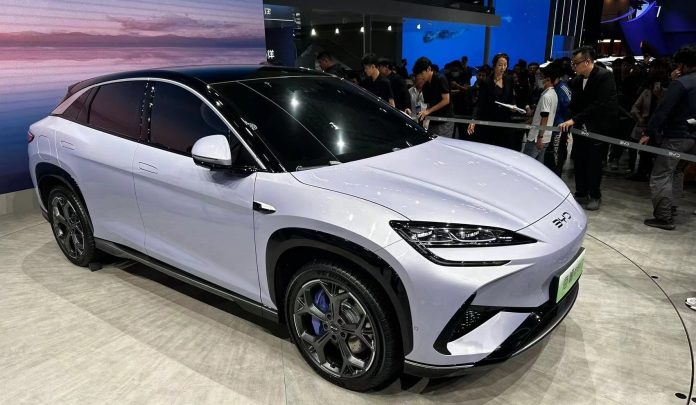
China’s largest automaker, BYD, is considering Spain as the leading candidate for its third European factory — a move that could reshape competition in Europe’s electric vehicle market.

The planned assembly plant, which would join facilities in Hungary and Turkey, marks the latest phase in BYD’s rapid global expansion and its effort to outpace Tesla and Volkswagen on European soil.

According to people familiar with the matter who spoke to Reuters, BYD favors Spain because of its low manufacturing costs and clean energy network. The automaker has been scouting several sites across Europe, including Germany, but sources said the country’s high labor and energy costs have raised concerns internally. A final decision on the factory, expected before the end of the year, will need approval from Chinese regulators.

BYD’s country manager for Spain and Portugal, Alberto De Aza, told Reuters last month that Spain would be an “ideal location for further expansion” because of its strong industrial infrastructure and access to cheap electricity.

His remarks reflect how diplomatic and business ties between Spain and China have warmed considerably in recent years. Spain, Europe’s second-largest car-producing nation, has also become increasingly attractive to foreign automakers after it announced a €5 billion plan in 2020 to draw EV and battery investments using EU pandemic relief funds. The plan has already brought in major investments from Volkswagen, China’s Chery, and battery giant CATL.

BYD’s interest in Spain signals its intent to deepen its footprint in Europe and avoid tariffs on Chinese-made vehicles. Reuters previously reported that BYD aims to produce all-electric vehicles for sale in Europe locally within three years — a move that will help it sidestep the European Union’s proposed tariffs on Chinese EV imports.

The Chinese automaker has enjoyed a meteoric rise in Europe. Sales jumped 280 percent in the first eight months of 2025 compared to the same period in 2024, as BYD expanded its offerings to include both plug-in hybrids and fully electric cars. Reuters noted that BYD recently overhauled its European operations, hiring more managers and expanding its dealership network to boost sales. Its Hungarian factory, which is still under construction, has seen its production timeline pushed to next year, while its Turkish plant is expected to open in 2026.

Spain’s emergence as the frontrunner for BYD’s next facility also carries broader geopolitical significance. Last year, Spain abstained from a European Union vote on tariffs targeting Chinese EVs — a decision that helped improve ties with Beijing. By contrast, Germany voted against the tariffs. According to Reuters, China’s government privately urged automakers to halt investments in countries that supported the tariffs, which has further strengthened Spain’s position as a preferred investment destination.

Analysts say BYD’s deepening presence in Europe could intensify competition for both Tesla and Volkswagen, the two dominant forces in the continent’s EV market. Tesla has struggled in Europe this year as its small, aging model lineup has faced growing competition from EVs launched by European and Chinese rivals.

Despite modest year-on-year gains in some countries — including a 2.7 percent increase in France and 20.5 percent in Denmark — Tesla’s European performance has been overshadowed by the influx of newer, cheaper models from Chinese automakers like BYD.

Volkswagen, on the other hand, has managed to maintain its foothold but faces its own challenges. The automaker recently reported a 1 percent increase in global deliveries, driven in part by European sales, though Reuters quoted Volkswagen executives warning that “the cost of producing both EVs and combustion engine cars and constructing battery cell plants weighed on earnings.” The German automaker expects only a “slight increase” in operating profit margins for 2025, underscoring the financial strain of adapting to an all-electric future while defending market share against lower-cost competitors.

For BYD, the European expansion is a calculated move to lock in supply chains, lower export costs, and cement itself as a local player rather than an external challenger. The automaker has publicly stated that it intends to make Europe one of its largest overseas markets within the next decade. If the Spain plant is approved, it would not only strengthen BYD’s production capacity but also give it strategic access to key European markets through Spain’s robust logistics network.

The broader implications are significant. As BYD’s presence grows, the competition for Europe’s electric vehicle market — already fierce — is set to intensify. Tesla, which once dominated Europe’s EV sales, now faces pressure from both ends: traditional automakers like Volkswagen are accelerating their EV transition, and new entrants like BYD are offering affordable alternatives. Volkswagen, meanwhile, must defend its home turf while balancing profitability and innovation costs.

Reuters’ factual reporting captures this shifting balance: “BYD’s sales in Europe jumped 280%… Tesla has struggled in Europe this year… Volkswagen reported a 1% increase in third-quarter global deliveries.” Those lines together reflect a quiet but powerful transition — one where China’s most valuable automaker is no longer content to export cars to Europe, but to build them there, right next to its competitors.

OpenAI launches mental health council to guide ChatGPT and Sora on emotional well-being amid growing scrutiny

0

OpenAI has formed a new Expert Council on Well-Being and AI, a group of eight specialists who will advise the company on how its artificial intelligence tools, including ChatGPT and the short-form video app Sora, affect users’ mental health, emotions, and motivation.

The council will help OpenAI define what healthy interactions with AI should look like, as the company moves deeper into integrating emotionally aware technologies across its platforms. According to OpenAI, the group will meet regularly and conduct ongoing evaluations to ensure that future product developments align with mental health safety standards.

The formation of the council comes at a critical time for OpenAI, which has faced increasing scrutiny over the psychological and social implications of generative AI systems. Regulators, child safety advocates, and mental health professionals have raised concerns that chatbots could exacerbate anxiety, loneliness, or depressive behaviors—especially among young users who spend long hours engaging with conversational AI.

In September, the U.S. Federal Trade Commission (FTC) opened an inquiry into several technology firms, including OpenAI, Google, and Meta, over the potential mental health risks posed by AI chatbots. The investigation is examining how these systems collect user data, influence emotions, and potentially manipulate behavior through tailored responses.

OpenAI is also facing a wrongful death lawsuit filed by the family of a teenager who died by suicide. The lawsuit alleges that ChatGPT generated harmful content and failed to identify or mitigate signs of distress during the user’s interaction. Legal experts have said the case could set an important precedent for AI accountability and content moderation standards in emotionally sensitive contexts.

In response to such concerns, OpenAI has ramped up its AI safety and well-being initiatives. The company has introduced an age prediction system that automatically activates teen-appropriate settings for users under 18 years old. These settings restrict access to certain features and moderate chatbot tone to reduce the risk of emotionally triggering responses.

OpenAI has also implemented new parental control features, allowing parents to monitor AI interactions and receive alerts if their child exhibits signs of emotional distress or unsafe behavior. These tools, introduced in September, were developed with early input from members who now sit on the Expert Council.

OpenAI emphasized that the council will play a key role in establishing measurable standards for AI safety and emotional intelligence in human-machine interactions.

The company said it will also collaborate with the Global Physician Network, a consortium of mental health clinicians and behavioral researchers who will test ChatGPT for signs of emotional bias, manipulation, or mental health risks. Their findings will inform internal policy frameworks and guide updates to AI behavior models.

The Expert Council’s first in-person meeting took place last week, during which members began discussions on what constitutes “healthy AI engagement.” Early priorities reportedly include the development of emotional safeguards for AI responses, prevention of dependency behavior, and guidelines for the responsible use of AI in educational and therapeutic settings.

The eight members of OpenAI’s Expert Council on Well-Being and AI include leading figures in psychiatry, psychology, and digital interaction research:

  • Andrew Przybylski, Professor of Human Behavior and Technology at the University of Oxford, is known for his research on the psychological impact of digital technologies.
  • David Bickham, Research Scientist at Boston Children’s Hospital’s Digital Wellness Lab, who studies the influence of media and technology on youth mental health.
  • David Mohr, Director of the Center for Behavioral Intervention Technologies at Northwestern University, specializing in digital mental health solutions.
  • Mathilde Cerioli, Chief Scientist at Everyone.AI, a nonprofit exploring how AI impacts child development.
  • Munmun De Choudhury, Professor at Georgia Tech’s School of Interactive Computing, who has published extensively on mental health analytics and online behavior.
  • Dr. Robert Ross, pediatrician and former CEO of The California Endowment, a nonprofit focused on health equity.
  • Dr. Sara Johansen, Clinical Assistant Professor at Stanford University and founder of the Digital Mental Health Clinic, which researches technology’s role in therapy.
  • Tracy Dennis-Tiwary, Professor of Psychology at Hunter College and author of “Future Tense,” which explores how anxiety can be reframed as a positive force.

The council’s formation underlines OpenAI’s intent to position itself as a leader in responsible AI development, particularly as the use of emotionally intelligent chatbots continues to expand globally.

ChatGPT currently has more than 700 million active users, according to independent analytics, and serves as a daily companion for many students and professionals. Meanwhile, Sora, OpenAI’s experimental video-generation platform, is being tested for educational and storytelling use cases that could deeply engage users’ emotions.

By establishing this council, OpenAI is signaling that the next phase of AI innovation will focus on empathy, ethics, and emotional intelligence, balancing rapid growth with the responsibility to safeguard human well-being.

Kenya Sets The Stage For Crypto Boom With Landmark Virtual Assets Bill

0

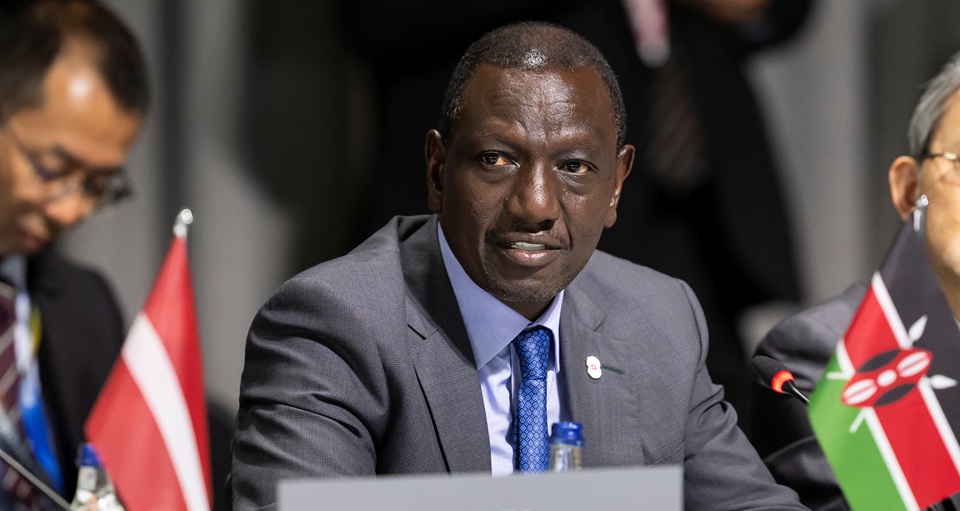
Kenya is on the brink of a financial revolution, after its Parliament approved the Virtual Asset Service Providers (VASP) Bill 2025, marking a significant step toward regulating digital currencies and virtual assets in the country.

The bill passed last week now awaits President William Ruto’s assent before it becomes law. The new legislation introduces a clear licensing framework to regulate virtual asset service providers and address risks associated with the misuse of virtual asset products and virtual asset service provider services. This move is designed to strengthen investor confidence and attract fresh investments into Kenya’s expanding fintech ecosystem.

By formalizing oversight of the sector, Kenya is positioning itself as a potential hub for crypto innovation in Africa, amid growing interest in digital finance across the continent.

The VASP Bill establishes a dual regulatory structure, distributing oversight between two existing institutions. The Central Bank of Kenya (CBK) will regulate the issuance of stablecoins and other virtual assets, while the Capital Markets Authority (CMA) will oversee exchanges, brokers, and trading platforms.

This arrangement replaces earlier proposals to create a new regulatory body, streamlining supervision under existing financial regulators whose mandates have been extended to cover crypto-related activities. Under the new framework, operators will be required to segregate client funds, maintain robust anti-money laundering (AML) systems, and adhere to strict compliance and reporting standards.

Kenya’s approach reflects an effort to balance technological innovation with risk management, following regulatory models seen in the United States and the United Kingdom. The legislation aims to curb illicit activities such as fraud, money laundering, and terrorism financing, while ensuring that legitimate operators can thrive in a safer and more transparent environment.

Kenya’s Growing Crypto Market Driven by Youth

Kenya’s youthful population, especially those aged 18 to 35, has rapidly embraced virtual assets for trading, payments, and business transactions.

For years, cryptocurrency trading in Kenya operated in a regulatory gray area due to the absence of clear laws. However, the new bill fills this gap, aligning Kenya’s policies with international standards and enhancing the country’s appeal to global fintech investors.

Earlier this year, Treasury Cabinet Secretary John Mbadi reaffirmed the government’s intention to legalize cryptocurrencies and expand the digital economy. He emphasized the importance of finding a balance between innovation and regulation, acknowledging that while digital assets present opportunities for growth and inclusion, they also pose risks that must be carefully managed.

Although Kenya once maintained a restrictive stance toward cryptocurrencies, their use continued to rise informally. The new VASP Bill represents a strategic shift, transforming what was once a largely underground sector into a regulated, transparent, and investment-ready industry.

Strategic Timing Amid Global Stablecoin Growth

Kenya’s passage of the Virtual Asset Service Providers (VASP) Bill 2025 coincides with a global surge in stablecoin adoption.

Stablecoin cryptocurrencies pegged to stable assets like the U.S. dollar have evolved from a crypto trading tool into a cornerstone of global finance. By providing price stability alongside blockchain’s speed and low costs, they have bridged traditional money with digital systems, enabling everything from remittances to institutional settlements.

As of October 15, 2025, their adoption is accelerating worldwide, driven by regulatory breakthroughs, institutional integrations, and real-world utility in payments.

Reports reveal that over 90% of businesses are testing or using stablecoins for cross-border payments, citing speed (48% prioritize this over cost savings) and 24/7 availability. Major players like PayPal (with PYUSD) and Visa (integrating USDC) are leading the charge, settling billions in transactions monthly.

Many regulators have expressed concern that such assets could destabilize local currencies in emerging markets. By placing stablecoin issuance under the CBK’s direct supervision, Kenya seeks to safeguard its monetary stability while continuing to encourage innovation within the digital economy.

The country is strategically positioning itself to avoid problems that come when stablecoins are deeply used but unregulated, undermined monetary policy, risking of scams or misuse. 

Also, as global players demand regulatory clarity before entering markets, Kenya’s legal framework can make it more attractive for crypto exchanges, stablecoin issuers, remittance platforms, and fintech firms. Investors tend to favor jurisdictions with rules in place. The Bill gives Kenya a competitive edge.

With people increasingly using stablecoins as a hedge or for cross-border transfers, regulation will help protect consumers and help ensure that stablecoins don’t destabilize the Kenyan shilling.

Once signed into law, the Virtual Asset Service Providers Bill 2025 will mark a defining moment in Kenya’s financial history, potentially setting the stage for the country to become a regional leader in digital finance and blockchain innovation.

Tesla CEO Elon Musk Backs Bitcoin, Calls Fiat Money Flawed

0
elon musk
elon musk

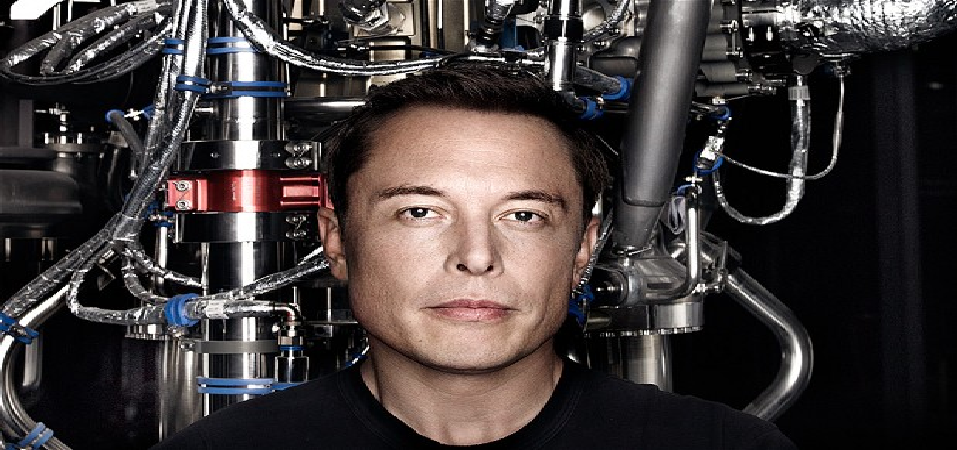
Billionaire entrepreneur and Tesla CEO Elon Musk, in a statement that has reignited global debate on the future of money, has openly endorsed Bitcoin over traditional fiat currency.

In a recent post on X Musk praised Bitcoin’s energy-based proof-of-work model, describing it as a system inherently resistant to inflation and government manipulation.

According to him, Bitcoin’s foundation in real energy expenditure makes it fundamentally different from fiat currencies, which can be printed at will by governments.

His comment reads,

“That is why Bitcoin is based on energy: you can issue fake fiat currency, and every government in history has done so, but it is impossible to fake energy”.

Musk’s comment came in response to a post by market analyst ZeroHedge, who argued that the global race to develop artificial intelligence (AI) will soon be fueled by massive government spending. ZeroHedge suggested that this “AI arms race” could lead to further currency debasement, pushing investors toward assets like Bitcoin, gold, and silver.

He wrote,

“Has anybody done the math on how many hundreds of new nuclear power plants the US will need by 2028 for all these AI daily circle jerk deals to be powered?

“The money is not the problem: AI is the new global arms race, and capex will eventually be funded by governments (US and China). If you want to know why gold/silver/bitcoin is soaring, it’s the “debasement” to fund the AI arms race. But you can’t print energy.”

Musk’s latest comments highlight his continued belief in decentralized finance and the growing importance of digital assets in an era of inflation and economic uncertainty. The Tesla CEO has publicly praised Bitcoin’s potential as a decentralized currency and store of value. In 2021, Tesla announced it bought $1.5 billion worth of Bitcoin and would accept it for vehicle purchases, which spiked BTC’s price by over 20% in a day.

Later that year, Tesla suspended Bitcoin payments due to environmental concerns over mining’s energy use. This caused a sharp price drop, drawing backlash for market manipulation.

Musk criticized Bitcoin’s proof-of-work energy intensity, pushing alternatives like Dogecoin (which he favors more openly for its speed and lower fees) and even floated Tesla’s own crypto ideas. In 2024 interviews and X posts, he reiterated Bitcoin’s value but emphasized scalability issues and environmental fixes.

As of 2025, Musk remains a Bitcoin proponent in principle tweeting support for crypto innovation and xAI’s potential blockchain integrations.

Musk’s recent endorsement of Bitcoin means the crypto asset isn’t just speculative, it’s a pragmatic hedge against systemic flaws in fiat, especially as governments print to chase tech dominance.

Notably, the Tesla isn’t alone on this statement, numerous economists, investors, and technologists have long argued that Bitcoin fixes fiat’s core issues. Michael Saylor Co-founder & Executive Chairman, MicroStrategy views Bitcoin as “digital gold” and a store of value, his firm holds over 250,000 BTC ($15B+ in 2025).

Also, Anthony Pompliano (“Pomp”),  Founder Pomp Investments advocates BTC as an uncorrelated asset for portfolios, focusing on its role in hedging fiat debasement.  He describes it as the hope for the working class.

These figures represent a mix of tech pioneers, investors, and educators who’ve substantiated Bitcoin’s case with actions and massive holdings.

In summary, Musk’s statement underscores a shifting paradigm, as fiat strains under infinite-printing pressures, Bitcoin’s energy-rooted scarcity offers a compelling counter-narrative. Whether it becomes “the future of money” depends on adoption, regulation, and tech integration.