DD
MM
YYYY

PAGES

DD
MM
YYYY

spot_img

PAGES

Home Blog Page 3275

Nvidia’s Triumph and the Surge of Bitcoin

0

In a remarkable turn of events that has left market analysts and investors in awe, the financial landscape has witnessed a series of unprecedented highs. The stock market, alongside the ever-volatile Bitcoin, has surged to create new all-time records, signaling a robust economic momentum and a bullish sentiment among traders and institutions alike.

Nvidia, the tech giant renowned for its cutting-edge graphics processing units and pioneering work in artificial intelligence, has achieved a monumental milestone by reaching a $3.01 trillion market capitalization. This feat has propelled Nvidia beyond Apple’s market cap, which stands at a staggering but slightly less $3 trillion. The ascent of Nvidia is a testament to the company’s innovation, strategic market positioning, and the burgeoning demand for AI and machine learning technologies that are now integral to various sectors, including gaming, automotive, and data centers.

The implications of Nvidia’s market cap triumph are manifold. It reflects the growing importance of technology and AI in the global economy, as well as investor confidence in Nvidia’s future prospects. The company’s recent 10-for-1 stock split is indicative of its commitment to making its shares more accessible to a broader range of investors, potentially increasing liquidity and shareholder base.

Bitcoin’s rally to new heights is equally significant, underscoring the cryptocurrency’s resilience and its increasing acceptance as both a speculative asset and a potential hedge against inflation. The digital currency’s decentralized nature and finite supply continue to attract investors looking for alternatives to traditional financial assets.

Amidst this financial euphoria, Goldman Sachs, a leading global investment banking, securities, and investment management firm, has made a bold prediction. With a reputation for insightful analysis and market foresight, Goldman Sachs’ projections carry weight and often influence market movements. Their latest call, deemed courageous by many, is a reflection of their analysis of current market trends and economic indicators.

The global economy is navigating through a complex web of challenges and opportunities. Inflation rates are being closely monitored, central banks are contemplating their next moves, and investors are balancing risk and reward in an ever-changing market environment. Goldman Sachs’ outlook for the global economy in 2024 suggests a better balance, with inflation nearing targets and no imminent risk of a US recession, providing a somewhat optimistic view for the markets.

As we look ahead, the financial markets continue to be a dynamic and sometimes unpredictable arena. The rise of Nvidia and the surge in Bitcoin value are clear indicators of a market that is constantly evolving, driven by technological advancements and shifts in investor sentiment. Goldman Sachs’ latest market call adds another layer of intrigue to the financial narrative, offering a glimpse into what could be a transformative period in economic history.

For investors and market enthusiasts, these developments serve as a reminder of the importance of staying informed, agile, and open to the possibilities that lie ahead in the ever-expanding financial universe. The journey of Nvidia, the resilience of Bitcoin, and the insights from Goldman Sachs are but chapters in the ongoing story of our global economy. As we continue to witness history in the making, one thing remains certain: the financial markets will never cease to fascinate and challenge us all.
The United States Federal Reserve’s Impact on Market Rallies

0

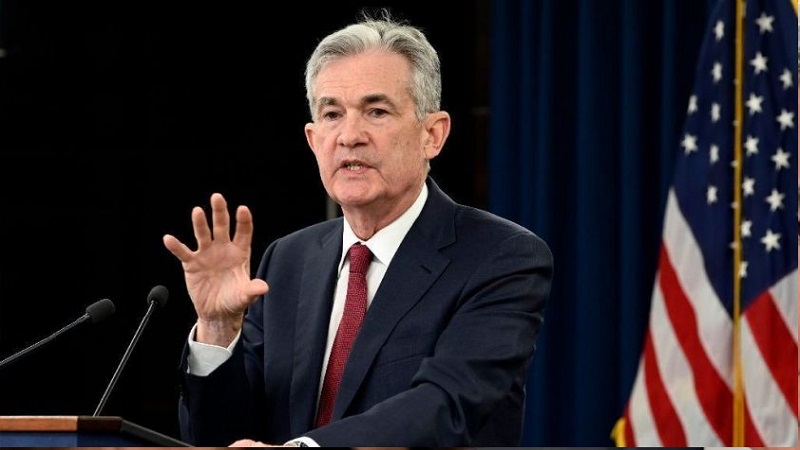
The financial world is abuzz with speculation as the Federal Reserve signals a potential easing of its monetary policy. Investors and analysts alike are keenly observing the Fed’s moves, trying to predict the impact on the ongoing market rally. The question on everyone’s mind is: Will the ‘Everything Rally’ continue?

Recent data suggests that the Treasury market has responded positively to the anticipation of rate cuts, with Treasuries rallying as traders grow more confident of a Federal Reserve rate reduction this year. This optimism is fueled by a decrease in US inflation and weaker-than-expected retail sales data, which seem to indicate that the economy may be cooling off.

The stock market, too, has shown signs of bullish behavior in response to the Fed’s softer tone. Historical patterns suggest that when the S&P 500 is soft going into the Federal Open Market Committee (FOMC) meeting, a rally often follows. This pattern is attributed to the market’s need for an element of relief or surprise, which could be provided by the Fed’s upcoming decisions.

Moreover, the skepticism towards equities among institutional investors, coupled with their expectations of a ‘hawkish’ Fed, sets the stage for a potential rally if the Fed’s tone is more dovish than anticipated. The market has, to some extent, priced in the bad news, mainly the possibility of fewer rate cuts arriving later in the year than previously expected. Any deviation from this expectation could fuel a rally.

However, it’s important to note that the relationship between the Federal Reserve’s policies and the stock market is complex. While a softer stance by the Fed could indeed prolong the rally, the market’s reaction is not solely dependent on the Fed’s actions. A myriad of factors, including global economic conditions, corporate earnings, and geopolitical events, play a significant role in shaping market trends.

The bond market’s reaction to the Fed’s potential easing also warrants attention. A softening in the Fed’s views on interest rate hikes could give impetus for US stocks to continue their recent rally, as indicated by UBS. The benchmark S&P 500 stock index’s performance, buoyed by better-than-expected quarterly earnings, reflects this sentiment.

While the Federal Reserve’s inclination to ease may contribute to the continuation of the market rally, it is not the sole determinant. Investors should remain vigilant, considering the broader economic landscape and market indicators. As always, the markets require a nuanced understanding of the interplay between monetary policy and a host of other factors that influence investor sentiment and market dynamics.

The Federal Reserve’s potential easing of interest rates, as indicated by recent market data, could have a significant impact on the continuation of the rally across various asset classes. Historically, such policy shifts have often led to increased investor confidence and market upswings.

However, the actual outcome will depend on a multitude of factors, including economic indicators, investor sentiment, and global financial trends. It’s important for investors to monitor these developments closely, as they can offer insights into the sustainability of the current market trajectory.

The sustainability of a market rally is subject to various risks. Overvaluation due to prolonged rallies can lead to market corrections when investors realize the prices are not supported by fundamentals. Credit market volatility, particularly if credit ratings are downgraded, can also undermine investor confidence and lead to selloffs.

Additionally, a strong U.S. dollar and rising interest costs can pressure corporate profit margins, which may result in negative earnings revisions and impact the overall market sentiment. It’s crucial for investors to remain vigilant and consider these factors when assessing the potential risks associated with a continued market rally.

Nigerian Senate Advances Bill to Ban Open Grazing and Establish Ranches Amidst Heated Debate

0

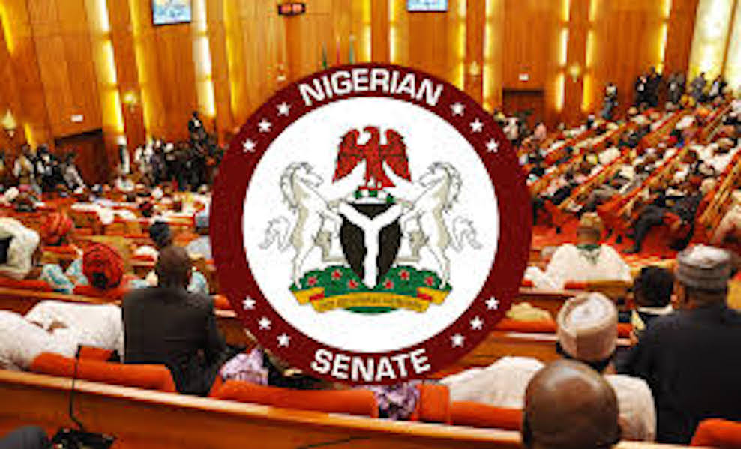
The Nigerian Senate on Wednesday advanced a significant piece of legislation, passing for second reading a bill aimed at banning open grazing and establishing a national agency for the regulation and management of ranches across the country.

The bill, titled “A Bill to Establish a National Animal Husbandry and Ranches Commission for the Regulation, Management, Preservation and Control of Ranches Throughout Nigeria; and for Connected Purposes, 2024,” seeks to address the long-standing conflicts between pastoralists and farmers in Nigeria.

Sponsored by Senator Titus Zam (APC – Benue North-West), the bill is a response to the violent invasion of farmlands by herders, which has escalated into conflicts with devastating impacts on communities and the nation’s stability.

“The Senate cannot afford to look on while the country burns into ashes as a result of violent clashes between sedentary farmers and nomadic herders,” Zam said, emphasizing the urgency of the legislation.

The bill proposes the establishment of ranches as a sustainable alternative to open grazing, which has been the traditional method of livestock management in Nigeria. Zam argued that ranching would reduce conflicts and align with international best practices in animal husbandry, which are safer and healthier for both the herds and the herders.

Zam highlighted the Senate’s responsibility to address this issue, saying, “As stakeholders in the Nigeria project and elected representatives of the people, doing so would amount to abdication of our statutory and leadership responsibilities.”

He lamented the Nigerian state’s historical inaction, “Every effort is laced with maneuvers that speak to our ethnic and political biases or sentiments, thus resisted by the people.”

The bill also specifies that ranches should be established in the pastoralists’ states of origin and that approvals from host communities are necessary to establish ranches, aiming to ensure peaceful coexistence.

The bill received support from several senators, including Enyinnaya Abaribe, Danjuma Goje, Garba Musa Maidoki, Barau Jibrin, Adamu Aliero, and Kawu Sumaila, although some expressed concerns about certain clauses. Abaribe suggested amendments to the constitution and the Land Use Act to simplify land management within states, noting that peaceful herders should not be penalized along with criminal elements.

Senator Sunday Karimi (Kogi-West) suggested a nationwide establishment of ranches. At the same time, the former Governor of Gombe State, Senator Mohammed Goje, criticized the bill for restricting herders to specific regions, calling it discriminatory.

“There are many angles to this issue of farmers and herders. We have to tackle the problem holistically. These Fulanis are Nigerians,” Goje stated.

Senate President Godswill Akpabio called for calm and a public hearing to include all stakeholders, cattle rearers, and state governments.

“We must hold a public hearing and bring all the stakeholders to have a say,” Akpabio remarked, assuring that offensive clauses not in line with the constitution would be deleted.

However, Senator Adamu Aliero raised constitutional concerns, citing Section 41 of the 1999 Constitution, which guarantees free movement for all Nigerians.

He argued, “Any law that would restrict the movement of any Nigerian person and his property would be a direct breach of the Constitution.”

Despite the opposition, the bill passed the second reading and was forwarded to the Senate Committees on Agriculture, Trade and Investment, Judiciary, and Legal Matters for further legislative input over the next four weeks.

The bill’s progression marks a crucial step in addressing one of Nigeria’s most persistent and violent conflicts, setting the stage for a comprehensive debate on the future of livestock management in the country.

Potential to End ‘Farmer-Herder Crisis’

Many believe that the bill has the potential to significantly reduce the menace of killer herdsmen in Nigeria by providing a structured and regulated approach to livestock management. Earlier, security experts had advocated ranching, as opposed to open grazing, noting that it can mitigate conflicts over land and resources. They argued that by confining cattle to designated areas, the chances of cattle encroaching on farmlands and destroying crops would be minimized, thereby reducing friction between herders and farmers.

Besides addressing conflict, this shift is also expected to facilitate better disease control and improve the overall health of livestock, benefiting the agricultural economy.

However, stakeholders believe the success of this initiative hinges on political will and the elimination of tribal and political sentiments that have historically impeded such reforms. The administration of former President Muhammadu Buhari, along with other Northern politicians, often displayed a reluctance to fully embrace anti-open grazing laws, likely due to the political and cultural significance of pastoralism in the North.

A notable example of political and tribal sentiment interfering with effective conflict resolution was the Ruga settlement plan introduced during Buhari’s tenure. The Ruga initiative aimed to create rural settlements for herders to practice modern animal husbandry. While it had the potential to reduce farmer-herder clashes, it was met with widespread resistance and suspicion, especially in the southern and middle-belt regions. Critics viewed the initiative as a veiled attempt to appropriate land for the exclusive benefit of Fulani herders, exacerbating ethnic tensions.

The backlash led to the suspension of the Ruga project, highlighting the deep-seated mistrust and the influence of ethnic politics on national policy-making.

Against this backdrop, security experts note that for the ranching bill to succeed where previous efforts have faltered, it must be implemented with transparency and inclusiveness, involving local communities in decision-making processes. They also said it should be accompanied by constitutional amendments to address land use issues and provide clear legal backing for the establishment and management of ranches.

There are concerns about the enforcement of the potential law, given the struggle of some states like Benue – with anti-open grazing laws to enforce them. However, the ongoing debate in the Senate and the planned public hearings offer a critical opportunity to build consensus and ensure that the final legislation is robust, equitable, and capable of stopping the killing of farmers by herders in Nigeria.

Angry Pepe Fork Attracts Bonk and Myro Whales, Analysts Predict a 100x Rally

0

The meme coin market currently has a market valuation of over $63.8 billion and more promising memecoins are coming in. Among these promising memecoins is Angry Pepe Fork which is attracting whales from both Bonk and Myro communities. Meanwhile, analysts predict a 100x rally for APORK in the coming months. Let’s look into more detail.

Angry Pepe Fork (APORK): The Best Meme Coin To Invest In

Angry Pepe Fork is a Solana-based meme coin that is set to dominate the meme coin market and establish its reign. Unlike the countless memecoins flooding the market, Angry Pepe Fork is a beacon for rebels and renegades eager to overthrow the status quo. APORK isn’t just another meme coin—it’s a powerful opportunity for the Angry Pepe Fork army to earn and grow through the groundbreaking “Conquer To Earn” system.

As the community stakes their tokens, the Annual Percentage Yield (APY) increases with every zombie memecoin they vanquish, rewarding both collective and individual efforts. The platform’s unique system ensures that every member of the APORK army can earn significantly. Whether you’re staking for short-term gains or gearing up for long-term victories, there are rewards at every level.

With the tiered lock-in periods of 30, 60, and 90 days, participants can choose their level of commitment and earn accordingly. Starting from the presale phase, participants can begin staking and benefiting from this innovative approach. Show your valour and skill on the battlefield, and you’ll earn additional rewards and APORK tokens, climbing the ranks to become a decorated member of the APORK community.

Market analysts are buzzing about Angry Pepe Fork’s potential, predicting a 200% price increase by the end of the presale. Once APORK hits major exchanges, that growth is expected to skyrocket by 350%, marking it as the next 100x Solana memecoin. Moreover, the platform’s smart contract has been meticulously audited by SOLIDProof, ensuring a secure and trustworthy investment.

With each token currently priced at just $0.014 in stage one of the presale, now is the perfect time to get in on the ground floor and become part of a movement that is set to redefine MemeFi. Don’t miss out on this extraordinary opportunity to earn, grow, and make history with Angry Pepe Fork.

Bonk Price Chart Analysis

Since the Bonk price has significantly increased over the past month, the meme coin has seen an increase in market support. After the post-halving cryptocurrency crash, Bonk had lost a lot of traction by the beginning of May. But Bonk has bounced back, increasing its market value to $2.27 billion. Early in May, the Bonk price was trading at $0.00002296. After two weeks, it increased by 8.31% to $0.00002487 as evident on the Bonk price chart.

Before making a further 28.48% jump to $0.00003915 in late May, it grew by 22.51% to $0.00003047. Also, Bonk’s notoriety in the sports industry has increased as a result of its recent collaboration with Paris Musketeers. According to partnership details, Bonk will formally sponsor the team starting in 2024. Additionally, they will start offline and online campaigns. Analysts predict Bonk’s value to increase by 12.41% to $0.00004401 due to its growing notoriety.

Myro Price Chart Analysis

As investors went long on the memecoin, the Myro price jumped more than 89% in the last month, capping a gain of more than 12% in the past week. As of May 31 2024, the Myro price was trading at $0.2458. Over the last few days, the Myro price has printed several higher highs and higher lows, which has led to the formation of a short-term ascending channel. The meme coin was also able to break through the resistance level at $0.25.

If Myro stays above this barrier, it may have the technical basis to move higher over the next several days. The Myro price may then rise to as high as $0.2985 in the near future if traders decide to take a long position in the cryptocurrency. In the next 12 hours, if the meme coin falls below the $0.24 mark, this bullish scenario may be nullified, potentially causing the Myro price chart to take a bearish turn.

Can Angry Pepe Fork Rally 100x Soon?

When compared to numerous other cryptocurrencies, Angry Pepe Fork’s market capitalization is a mere $26.6 million. This is a significant benefit as it implies that APORK’s price can rise significantly with less fresh funding. Because of this, experts predict that the memecoin will be able to rally by 100x in the coming months, making it the best meme coin to invest in.

Visit Angry Pepe Fork Presale

How Nigeria Can Fix The Current Economic Paralysis

0

Question: With everything that is happening in Nigeria right now, what do you suggest will be a solution?

Ndubuisi: As I noted 12 months ago that floating Naira will destroy Naira and the economy, Nigeria has to return to the old model because Naira is not matured to be floated as we do not have a lot of economic life jackets to help it in the international currency seas. We can pick N1,000/$ as the official exchange and go with it! If the president makes that speech today, the paralysis will calm down.

The biggest challenge today is not that the Naira is exchanging at N1,500 or N1,400 to US$1, the issue is that the volatility will make it impossible for companies to plan and investors to invest. The exchange rate stresses the traders and speculators, but for investors, volatility kills their plans. So, pegging Naira will deal with that volatility at least for contracts to be worked out in boardrooms.

The second thing is energy cost. Nigeria must bring full subsidy for industrial customers even as it allows commercial and residential to pay the full rates. Understand that if we do no deepen the industrial base, the vicious cycle will continue. So, to tame inflation and help companies make things, we need to assist them on energy costs which have gone up significantly. But do not give them money, use rebates so that only REAL industrial customers will benefit.

The president should host a press conference and address the core economic issues including the interest rates. Most companies I know are avoiding taking bank loans because of the rates. The implication is that growth will stall. If the interest rate should remain high, can the government offer manufacturers support via other means? My point here is that Nigeria must find ways to encourage makers to actually go to work, and not just work to pay bank loans. Can we waive some taxes? Can we offer tax rebates? Simply, Nigeria must create incentives for men and women to get back to work.

But first, we need to return to the old regime of a fixed exchange rate which is a sensible thing to do.

Comment on Feed

Nigeria does not have an economic problem; we have a political orthodoxy problem. Mr President knows the right thing to do, but the political dynamics is the issue. If he goes on air and pegs Naira to N1,000/$, about 90% of the issues will go. But doing that will open attacks from the opposition.

The biggest issue in Nigeria today is VOLATILITY because when you have that, FDIs will fade. Exchange rate is for traders and speculators, volatility is what keeps investing planners awake. Official peg will solve that.

I expect things to improve in the next 6 months because something big happened yesterday: the government acknowledged that it did not remove fuel subsidies which is a good sign that it can reverse itself. The next is removing the float. In short, this is a nice time to get into Nigeria because the government is going more pragmatic by reversing itself.