
DD
MM
YYYY

PAGES

DD
MM
YYYY

spot_img

PAGES

Home Blog Page 3315

Is Nigeria Gambling with GMOs? TELA Maize Sparks Debate on Health and Environment Risks!

3

Nigeria’s recent introduction of the TELA Maize Variety, a genetically modified organism (GMO) seed aimed at enhancing maize production, demands cautious consideration. While proponents highlight its potential to boost yields and improve resilience against drought and pests like the fall armyworm, concerns loom over its long-term implications. Several nations in Europe have imposed bans on GMO cultivation due to uncertainties about environmental impact and potential health risks associated with genetically engineered crops.

Critics argue that GMO seeds, including those like the TELA Maize, could have adverse effects on health and the environment. Past incidents with pharmaceuticals and other products marketed to Nigerians have resulted in tragic consequences, raising skepticism about the safety of new technologies introduced without rigorous oversight. There are fears that GMOs may not only pose direct health risks but could also disrupt local agricultural practices and biodiversity, affecting traditional farming communities that rely on indigenous seed varieties.

The call for stringent regulation of GMO seeds in Nigeria is therefore justified. While acknowledging their potential benefits, such as increased food security and improved crop yields, it is crucial to establish robust regulatory frameworks to monitor their deployment and ensure they do not compromise public health or environmental sustainability. This includes creating seed banks across the country to safeguard indigenous seed varieties and maintaining local agricultural practices that have sustained communities for generations. Our tertiary institutions and agricultural research institutions urgently need to invest in state-of-the-art seed storage facilities to preserve our indigenous crop varieties for future generations. Organic seeds have long been cherished for their health benefits and environmental sustainability compared to genetically modified alternatives. Maintaining a robust seed bank system not only safeguards our agricultural heritage but also ensures that farmers have access to diverse, non-GMO options that are essential for sustainable farming practices.

The ongoing insecurity in farming communities due to terrorism and other forms of violence poses a more immediate threat to food security than environmental challenges like drought. Addressing these security issues is paramount to stabilizing agricultural production and ensuring that initiatives like the TELA Maize can truly benefit Nigerian farmers without exacerbating existing vulnerabilities. Furthermore, aside from GMO seeds, there are other sustainable approaches to tackle food security that have yet to be fully explored. Exploiting uncultivated land presents a viable opportunity to expand agricultural production and meet our growing food demands. Additionally, leveraging geospatial technology could revolutionize our agricultural practices.

Precision farming, embraced by many developed nations, optimizes crop yields and resource efficiency through data-driven insights. Before fully embracing GMO seeds, whose human safety remains uncertain, it is prudent to thoroughly investigate these alternative solutions. By diversifying our agricultural strategies and investing in innovative technologies like precision farming, Nigeria can potentially achieve food security goals while minimizing risks to public health and environmental sustainability. These proactive steps are essential for ensuring sustainable agricultural development and safeguarding the well-being of our communities.

It’s high time Nigeria prioritized research, particularly in the critical areas of health, food security, and agriculture. Relying solely on foreign recommendations may not always yield optimal solutions tailored to our unique challenges. Our research institutions and universities must elevate their efforts to conduct high-quality research that can inform evidence-based policy-making in food production and agricultural development. Politicians and policymakers should heed the expertise of local researchers and exercise caution when considering external recommendations. Some research findings may be influenced by commercial interests or may not address the specific needs of our communities. Therefore, it is imperative to prioritize locally-driven research that can provide sustainable solutions to our challenges.

As a nation, we possess the knowledge and capability to solve our problems. By investing in comprehensive studies and fostering collaboration between researchers, policymakers, and farmers, we can develop effective strategies that promote food security, protect public health, and sustain our agricultural heritage. While we remain open to insights from global research, our focus should be on nurturing indigenous expertise to ensure long-term resilience and prosperity for all Nigerians.

In conclusion, while GMO seeds like the TELA Maize offer potential solutions to pressing agricultural challenges, Nigeria must proceed cautiously. Strong regulatory measures are necessary to safeguard public health, protect local agricultural practices, and mitigate potential risks associated with genetically modified crops. Balancing innovation with prudence will be crucial in navigating the complexities of agricultural development and ensuring sustainable food production for Nigeria’s future.
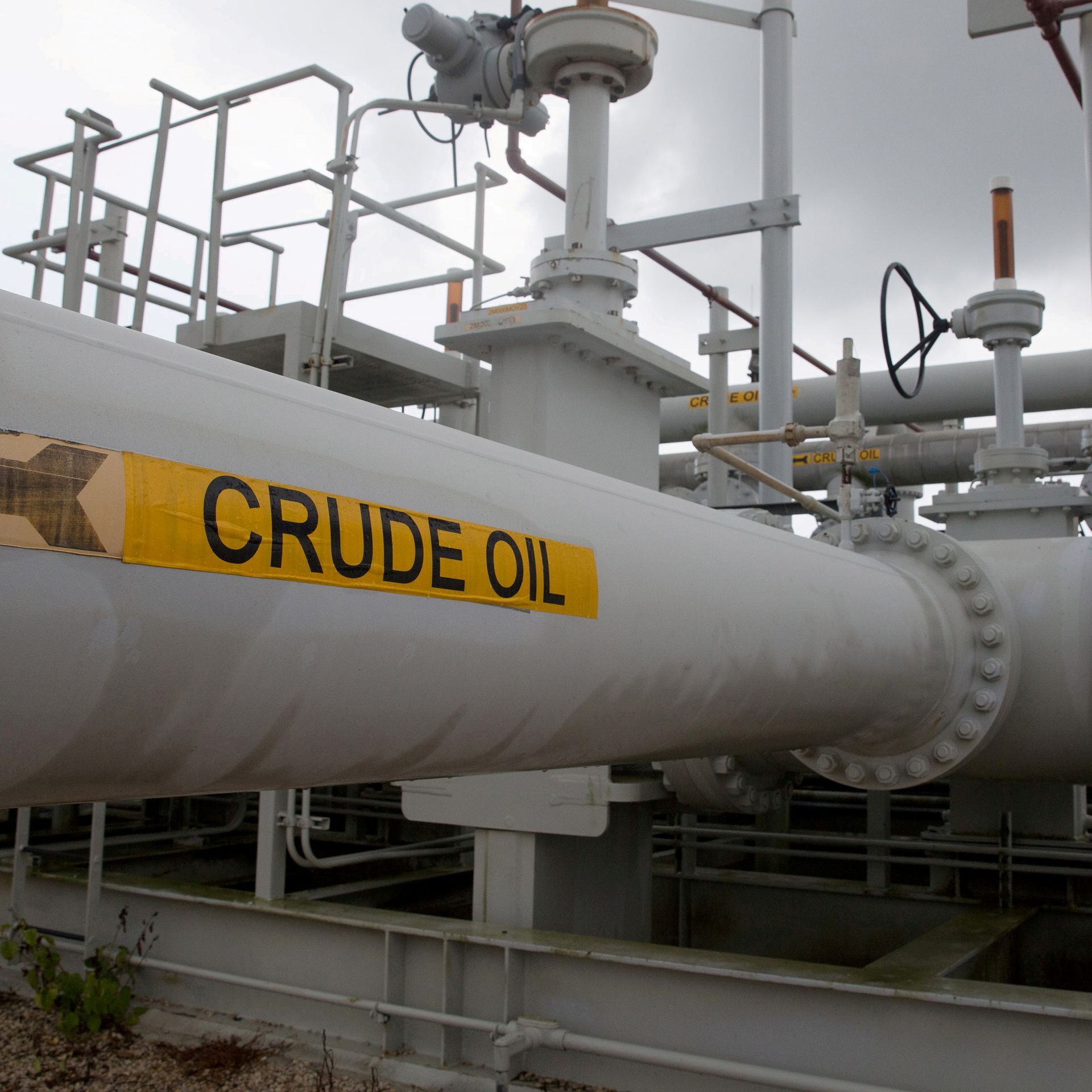
Investments in Modular Refineries in Nigeria at Risk if Dangote Refinery Continues to Lack Crude Oil Supplies

0

Hamlet answered Lord Polonius, “Words, Words, Words”. And in “The Rime of the Ancient Mariner”, Coleridge muttered “Water, water everywhere, / Nor any drop to drink”. And the peerless Achebe wrote, “an adult does not sit and watch while the she-goat suffers the pain of childbirth tied to a post”.

Good People, it is now “oil, oil, oil, all over Nigeria, but Dangote Refinery cannot find oil to refine”. Yes, “the much-anticipated launch of Dangote Oil Refinery’s petrol supply operations in Nigeria, initially slated for July, is facing significant delays due to a critical shortage of crude oil, BusinessDay has reported, citing sources within the industry. This setback underlines a broader issue: the Nigerian National Petroleum Company (NNPC)’s failure to meet its obligation to supply the refinery with the necessary crude oil”.

Faced with the NNPC’s inadequacies, Dangote Refinery has been forced to look elsewhere to secure the crude oil for refining. This has included jettisoning its tradition of keeping its search for crude oil within the domestic market, to source from the United States. While this strategy demonstrates Dangote Refinery’s resilience and proactive approach, it also underlines new challenges, thwarting its plans to begin fuel supply in Nigeria in earliest time.

Importing crude from the US involves navigating logistical hurdles and incurring additional costs. These factors have inevitably contributed to delays in the refinery’s operational timeline. Despite these efforts, the refinery has only managed to take delivery of a limited amount of crude, insufficient for full-scale operations.

Those running this oil show must deliver for this refinery, because the words of Achebe matter here. If this paralysis is not resolved, investors will run away from all those modular refineries. Indeed, if Dangote Refinery cannot get crude oil to refine, why waste money on the smaller players? Someone must lead and resolve this matter.

Shortage of Crude Oil Supply to Delay Dangote Refinery’s Plan to Hit Market in July

Shortage of Crude Oil Supply to Delay Dangote Refinery’s Plan to Hit Market in July

0

The much-anticipated launch of Dangote Oil Refinery’s petrol supply operations in Nigeria, initially slated for July, is facing significant delays due to a critical shortage of crude oil, BusinessDay has reported, citing sources within the industry.

This setback underlines a broader issue: the Nigerian National Petroleum Company (NNPC)’s failure to meet its obligation to supply the refinery with the necessary crude oil.

The NNPC, which holds a 20% equity stake in the Dangote Refinery, was expected to be a primary supplier of crude oil. However, it has not fulfilled this role effectively. Industry insiders have revealed that the refinery has not received the volumes of crude oil needed to commence refining Premium Motor Spirit (PMS) as planned.

“The refinery is yet to receive the required volumes of crude oil needed to refine PMS for the July takeoff,” a source within the oil trading sector disclosed.

This lack of supply has cast doubt on the refinery’s ability to meet its operational deadlines, with some industry experts predicting that operations may not commence until later in the year.

Dangote’s Efforts to Secure Crude

Faced with the NNPC’s inadequacies, Dangote Refinery has been forced to look elsewhere to secure the crude oil for refining. This has included jettisoning its tradition of keeping its search for crude oil within the domestic market, to source from the United States. While this strategy demonstrates Dangote Refinery’s resilience and proactive approach, it also underlines new challenges, thwarting its plans to begin fuel supply in Nigeria in earliest time.

Importing crude from the US involves navigating logistical hurdles and incurring additional costs. These factors have inevitably contributed to delays in the refinery’s operational timeline. Despite these efforts, the refinery has only managed to take delivery of a limited amount of crude, insufficient for full-scale operations.

Insights from Industry Experts

Industry experts quoted by BusinessDay have so much to say about this development, particularly, NNPC’s failure to supply the refinery with adequate crude oil as part of a 20 percent equity obligation.

Jide Pratt, country manager of Trade Grid, which supports a network of independent dealers across Africa, has expressed skepticism about the refinery’s ability to meet its July deadline.

“The issue of crude supply is still a major issue, and postulations on how the premium motor spirit (PMS) will be sold in USD are unattended to,” Pratt noted, suggesting that operations might be delayed until August or September at best, and December at worst.

Pratt also highlighted financial constraints, pointing out that the NNPC’s trade account receivables with traders exceed 160 days.

“The Dangote Refinery is a commercial entity and will unlikely tow this line of credit sales with its running cost and interest payments,” he added.

Financial planning expert Kalu Aja questioned why Nigeria, Africa’s largest oil exporter, cannot provide sufficient crude for Dangote’s operations.

“If Dangote needs crude, the Nigerian National Petroleum Company (NNPC) should support its 20 percent investment by giving Dangote its oil equity,” Aja suggested.

Hector Igbikiowubo, publisher of Sweet Crude Reports, echoed these sentiments, emphasizing the importance of having NNPC refineries operational to guarantee energy security for Nigeria.

“The question now is, how come the NNPC isn’t allotting all of its 445,000 barrels per day to the Dangote Refinery for refining?” Igbikiowubo asked during a Channels TV program.

Regulator’s Response

The Nigerian Upstream Petroleum Regulatory Commission (NUPRC) has acknowledged the issue and has committed to intervening to ensure crude oil supply to Dangote and other local refineries. Olaide Shonola, NUPRC’s spokesman, stated that the commission is actively engaging with international oil companies (IOCs) to facilitate domestic crude oil sales.

“We will keep on engaging them. NUPRC has been doing that,” Shonola said, noting the regulator’s role in mandating crude supply.

Despite these assurances, the effectiveness of such interventions remains to be seen. The NNPC’s previous commitments to other entities, including a $3 billion crude oil-for-loan deal with the African Export-Import Bank, complicate the situation. This deal involves pledging future oil production to the bank as loan repayment, thereby limiting the crude available for local refineries.

Broader Industry Challenges

The struggles of the Dangote Refinery are reflective of broader challenges within Nigeria’s oil industry. The country currently has 25 licensed modular refineries, but only five are operational, producing diesel, kerosene, black oil, and naphtha. Many of these refineries face significant hurdles due to the unavailability of crude and financial constraints.

Eche Idoko, publicity secretary of the Crude Oil Refinery Owners Association of Nigeria, highlighted these challenges, noting that financiers require guarantees of steady crude supply before committing funds.

“They want a guarantee that if they finish the refinery, they are going to get feedstock, which, of course, is crude oil,” Idoko explained.

Experts have noted that the delay in Dangote Refinery’s operations, as a result of insufficient crude oil supply, boils down to Nigeria’s dwindling oil output.

They said that increasing Nigeria’s oil production, which currently stands at 1.46 million barrels per day, will ensure that local refineries receive adequate crude oil volume, which is essential not only for the success of projects like Dangote Refinery but also for reducing Nigeria’s reliance on imported petrol.

Andela Adds Code Test Playback Feature to Bring Transparency to Technical Hiring Process

0

Andela, the world’s largest private marketplace for technical talent, has announced the latest evolution of its AI-driven end-to-end platform, Andela Talent Cloud (ATC), that matches global technologists with companies seeking skilled talent.

The platform now features the ability to play back candidates’ technical coding tests, to improve hiring decisions by giving customers insights into the technologists’ coding strategies and problem-solving approaches in real-time. This release leverages technology from Andela’s 2023 acquisition of technical skills assessment platform, Qualified.

With the code playback feature, Andela is providing organizations with enhanced tooling to assess candidates’ skills and select top talent but also, as part of the overall evaluation process, to visualize how they apply their knowledge to solve coding challenges. With organizations facing a severe shortage of key talent and 90% of organizations saying they will have a meaningful skills gap in the coming years, then hiring for potential (rather than fit or experience) is crucial, according to McKinsey.

Speaking on the launch of the feature, Jake Hoffner, co-founder of Qualified, who serves as Senior Director of Product Management at Andela said,

“Andela has some of the brightest tech talent from around the world. With the new code playback feature, talent have the unique opportunity to showcase their skills Management at Andela. Technologists can already set themselves apart by displaying their certifications and badges that highlight their skills proficiency on their Andela Talent Cloud profiles. Now, with the added benefit of the new code playback feature, technical hiring managers can see talent’s critical thinking process and unique approaches to problem-solving first-hand, gaining predictive insight into how talent will perform on the job and eliminating the extra step of coding interviews to gain these insights.”

One of the distinctive features of Andela Talent Cloud and the added code playback is that the coding tests within the platform are written the same way code production tests are, thus utilizing a recommended benchmark for coding strategy. The feature also incorporates deep proctoring abilities that call out key events, such as a user exiting and returning to the window and external copying and pasting to ensure an honest and transparent process.

With Andela Talent Cloud, companies benefit from a faster, richer, more efficient hiring experience. The single integrated platform streamlines the complete hiring lifecycle by helping companies’ source, qualify, hire, manage, and pay global technologists. In addition to providing visibility into rich talent profiles and code playback, the platform opens access to a global pool of certified talent and optimizes time consuming processes like interview scheduling.

“It’s so important for companies to bring on the right people with the right skills at the right time to achieve results.” said Courtney Machi, Andela’s Vice President of Product.”We believe that giving hiring managers full transparency and rich data that they can use to make critical recruiting decisions is the best way for everyone involved to achieve the outcomes we all want successful projects, happy teams, and business results.”

Andela acquired Qualified.io in 2023 and has since incorporated the assessment platform into Andela Talent Cloud, offering clients a unique approach to scaling their teams with specific skill sets. Leveraging technologies like Andela Talent Cloud with the new code playback feature and recruiting practices like Andela’s Adaptive Hiring model will quickly bridge the skills gaps and help companies meet their business objectives. The new code playback feature is available today to all Andela customers leveraging Andela Talent Cloud to source, qualify, hire, manage and pay global talent.

Private Blockchains Are Handling Trillions in Securities Financing

0

In the rapidly evolving world of finance, a quiet revolution is taking place, one that might not be making headlines but is certainly changing the game. Private blockchains, often overshadowed by their public counterparts, are handling an astonishing amount of securities financing transactions, with figures surpassing $1.5 trillion monthly.

This staggering amount is being managed through platforms that are largely invisible to the public eye, yet they are integral to the functioning of capital markets. These private blockchains are permission-based, meaning that unlike public blockchains like Ethereum, access is restricted to specific participants. This exclusivity allows for a level of security and control that is paramount in the handling of such significant financial operations.

The use of private blockchains in securities financing is not just about large numbers; it’s about efficiency and the future of financial transactions. For instance, Broadridge, a financial technology consultancy, processes $50 billion a day in repurchase agreements involving major banks on its Distributed Ledger Repo (DLR) platform. Similarly, HQLAx, a Europe-focused securities finance firm, reports potential savings for banks of up to 100 million euros annually through its platform.

Here are some of the other use cases where private blockchains are making an impact:

Supply Chain Management: Private blockchains offer a secure and transparent way to track the production, shipment, and delivery of products. By recording each step in a tamper-proof ledger, stakeholders can ensure the authenticity and integrity of goods as they move through the supply chain.

Healthcare: Patient records are sensitive and require strict privacy controls. Private blockchains can securely store patient data and ensure that only authorized individuals have access to it, thus complying with regulations like HIPAA.

Government: Governments can use private blockchains to manage and protect citizens’ data, streamline processes, and reduce fraud in public services.

Private Blockchain platforms are not only processing vast amounts of transactions but are also at the forefront of innovation. They are building cross-chain interoperability and integrating bank-grade cash settlement tokens, which could revolutionize how transactions are settled across different blockchain networks.

The implications of this are profound. The tokenization of assets, a concept that has been much hyped in the context of public blockchains, is already a reality in the private blockchain space, albeit in a more controlled and regulated environment. This tokenization is not limited to cryptocurrencies but extends to real-world assets, potentially transforming the liquidity and accessibility of various asset classes.

The success of private blockchains in handling such a critical aspect of financial markets suggests a future where blockchain technology is not just a disruptor but a foundational element of financial infrastructure. It’s a testament to the technology’s potential to streamline processes, reduce costs, and increase transparency in financial transactions.

As we look to the future, it’s clear that private blockchains will continue to play a pivotal role in the evolution of capital markets. Their ability to handle complex, high-value transactions securely and efficiently makes them an indispensable tool for modern finance. And while they may operate behind the scenes, the impact of private blockchains on the global financial landscape is anything but inconspicuous.