DD
MM
YYYY

PAGES

DD
MM
YYYY

spot_img

PAGES

Home Blog Page 3343

Stability of Banking in Uncertain Economic Times

0

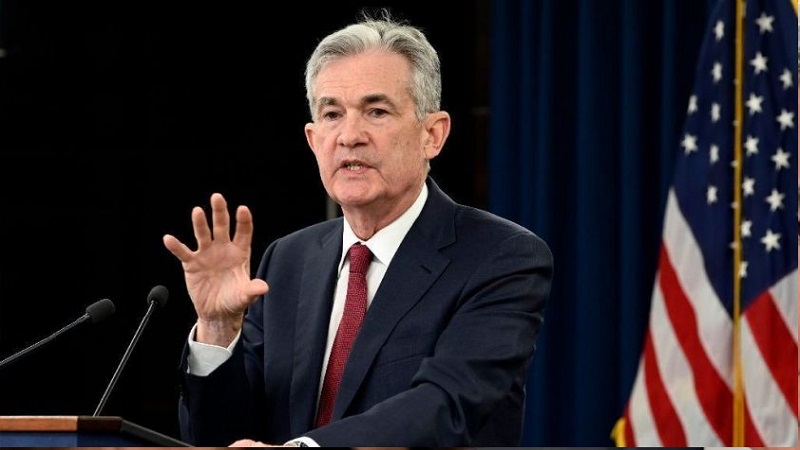
In recent statements, Barry Sternlicht, the CEO of Starwood Capital Group, has voiced his concerns regarding the stability of the banking sector, particularly regional banks, in the face of a struggling real estate market. Sternlicht’s predictions are not to be taken lightly, considering his extensive experience and influence in the real estate investment landscape. He suggests that the pressures from high interest rates and inflation could lead to a bank failure every week.

This forecast comes at a time when the real estate sector is grappling with the repercussions of rapid rate hikes by the Federal Reserve. The primary lenders in real estate, which are often regional and community banks, may find themselves particularly vulnerable due to their exposure to real estate loans. Sternlicht has been consistent in his warnings, having previously indicated an “existential crisis” for the sector and predicting significant losses on office properties alone.

The implications of such a scenario are profound. Bank failures can have a cascading effect on the economy, affecting everything from consumer confidence to the availability of credit. Moreover, the potential for weekly bank closures signals a heightened level of systemic risk that could impact not only the real estate sector but also the broader financial system.

The global banking landscape in 2024 is navigating through a period of significant transformation and uncertainty. A confluence of factors, including a slowing global economy, divergent economic landscapes, and multiple disruptive forces, are reshaping the foundational architecture of the banking and capital markets industry. Banks are facing the challenge of generating income and managing costs amidst higher interest rates, reduced money supply, assertive regulations, climate change, and geopolitical tensions.

The International Monetary Fund (IMF) projects modest global economic growth, with advanced economies experiencing tepid growth and emerging economies, particularly India, expected to see higher growth rates. This economic divergence presents both challenges and opportunities for the banking sector. On one hand, banks must adapt to the new competitive dynamics and pursue new sources of value in a capital-scarce environment. On the other hand, they have the potential to tap into strong consumer demand and improving trade balances in emerging markets.

Early shocks in 2023 have prompted the industry to reassess strategies, focusing on proposed regulatory changes to capital, liquidity, and risk management, especially in the United States during a presidential election year. The exponential pace of new technologies, industry convergence, embedded finance, open data, digitization of money, decarbonization, digital identity, and fraud are influencing how banks operate and serve customer needs, demanding agility and innovation from institutions.

Despite the uncertainties, the outlook for global banking remains sound, although key downside risks persist. Financial institutions are advised to adopt a cautious approach, with higher funding costs, subdued global growth expectations, expanding regulatory requirements, and broadening geopolitical risks being key issues that could impact economic stability and banking-sector performance.

It’s important to note that Sternlicht’s predictions are not isolated. Other industry leaders have echoed similar sentiments, highlighting the challenges faced by regional banks amid changing work patterns and the rise of remote and hybrid work environments, leading to increased vacancies and reduced cash flow to handle loan losses.

The situation calls for a careful examination of the health of regional banks and the real estate sector as a whole. It also underscores the need for prudent risk management and regulatory oversight to mitigate the potential fallout from these predicted bank failures.

As we navigate through these uncertain economic times, the insights from industry experts like Sternlicht serve as a crucial barometer for the health of key economic sectors. It remains to be seen how the predictions will unfold and what measures will be taken to ensure the resilience of the banking system.

GFC bailout on the radar vs what the Federal Reserve is doing today

The Global Financial Crisis (GFC) of 2007-2009 was a significant event that led to unprecedented intervention by central banks around the world. The Federal Reserve (Fed), the central banking system of the United States, played a crucial role in providing liquidity to the banking system during the GFC through various bailout measures. These actions were aimed at stabilizing the financial markets and preventing a complete economic collapse.

Fast forward to the present day, and the scale of the Fed’s interventions has grown considerably. The COVID-19 pandemic has prompted the Fed to implement a range of programs to support the economy. These measures include loans and facilities designed to ensure that banks have the liquidity necessary to continue lending to businesses and individuals affected by the pandemic.

Comparing the GFC bailouts to the current situation, it’s clear that the magnitude of the Fed’s actions today is much larger. During the GFC, the Fed’s programs were primarily focused on securing the repayment of loans and minimizing losses. However, the current crisis has seen the Fed take on more credit risk, with a broader aim of distributing liquidity across various sectors of the economy.

The CARES Act, passed by the U.S. Congress, authorized the Treasury to use $454 billion to backstop Fed programs, potentially leveraging these funds into trillions of dollars of liquidity for the economy. As of mid-2020, the Fed had launched nine programs, offering up to $1.950 trillion of loans backed by $215 billion of Treasury funds.

The current Fed programs are not only larger in scale but also broader in scope, reaching out to corporations, political subdivisions, and small and medium-sized businesses. Some of these programs are accepting riskier collateral than what was accepted under the GFC programs, reflecting the wide impact of the government’s response to the pandemic.

The history of U.S. government financial bailouts shows a pattern of intervention during times of economic distress. From the Panic of 1792 to the Great Depression and the Savings & Loan crisis, the government has stepped in to support the markets and prevent widespread financial ruin.

The Fed’s current actions are part of this historical continuum, but they also represent a new chapter in terms of the scale and risk profile of the interventions. As the economy continues to navigate the challenges posed by the pandemic, the Fed’s role in providing liquidity and supporting financial stability remains critical.

The Federal Reserve’s Strategic Plan for 2024-27 outlines a comprehensive approach to maintaining the stability, integrity, and efficiency of the nation’s monetary, financial, and payment systems. This includes adjusting prudential standards to ensure banks can absorb losses under various conditions and extending support through loans and facilities. The Fed’s proactive stance in 2024 reflects a commitment to safeguarding the financial system amidst evolving economic challenges.

Moreover, the Federal Reserve has been conducting stress tests to assess the resilience of large lenders under severe economic shocks. These tests are crucial in ensuring that banks have adequate capital buffers to withstand potential crises, thereby providing a safety net for the economy.

The scale of the Federal Reserve’s current operations underscores the lessons learned from the GFC and the importance of a robust regulatory framework. The strategic adjustments and regulatory proposals being considered today are a testament to the Fed’s dedication to preventing a repeat of past financial upheavals and promoting a stable economic environment.

OpenAI’s Sam Altman Advocates for an International Agency to Regulate AI

0

As Artificial Intelligence (AI) continues to evolve at a rapid pace, concerns about its safety and the need for effective regulatory frameworks are becoming more pronounced. Elon Musk, cofounder of OpenAI and Grok, xAI, has warned that the technology poses a risk to humanity.

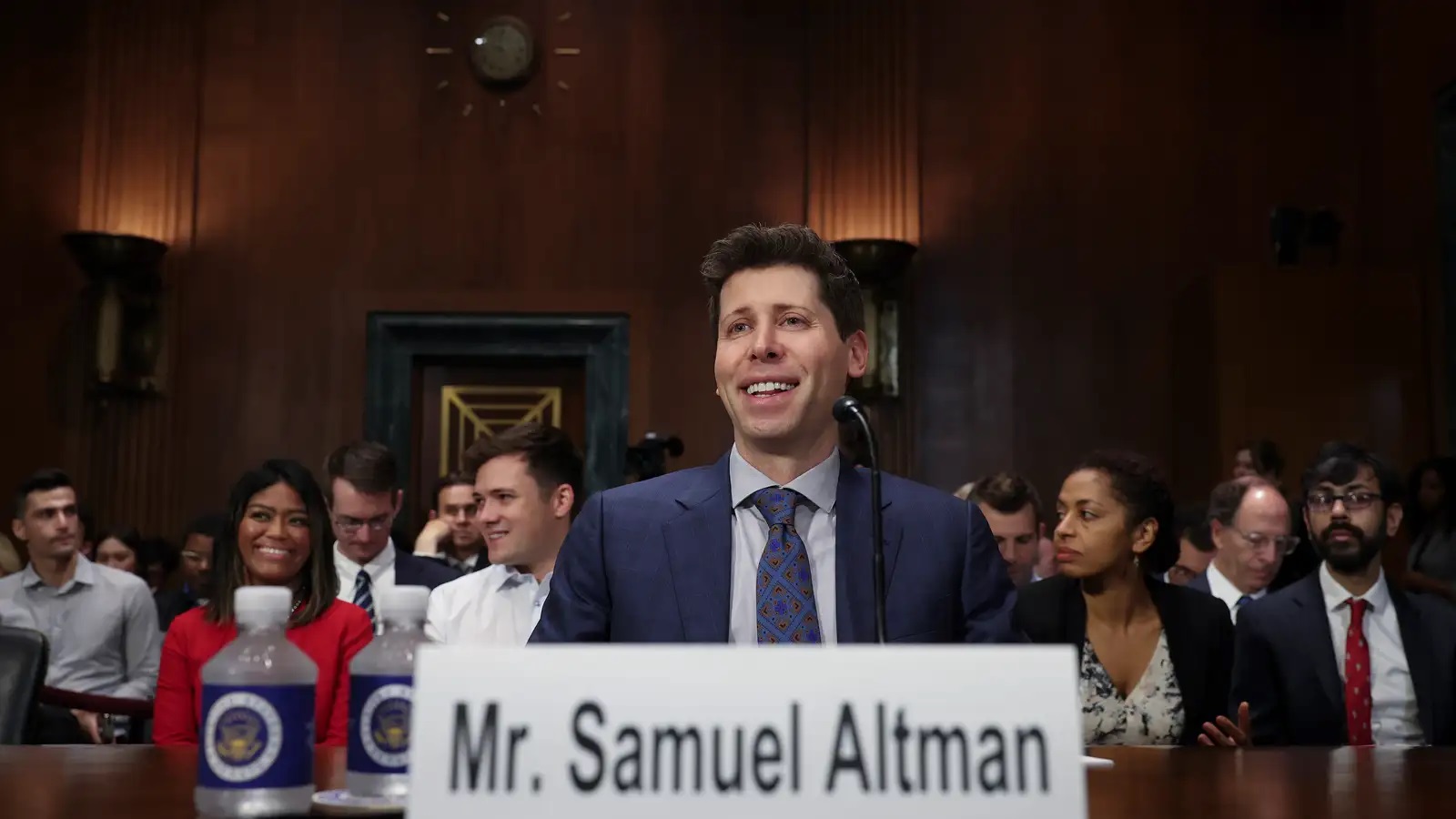
Against this backdrop, Sam Altman, cofounder and CEO of OpenAI, has advocated for an agency-based regulatory approach, drawing parallels between AI and the aviation industry in terms of safety testing requirements.

“I think there will come a time in the not-so-distant future, like we’re not talking decades and decades from now, where frontier AI systems are capable of causing significant global harm,” Altman said on the All-In podcast on Friday.

He emphasized the potential for these systems to have a “negative impact way beyond the realm of one country” and stressed the need for an international body to oversee and ensure their safe deployment. Altman envisions an agency looking at the most powerful systems and ensuring reasonable safety testing.

Altman argues that an international agency would offer the flexibility needed to keep pace with AI’s fast evolution, unlike rigid national legislation which could quickly become outdated.

“The reason I’ve pushed for an agency-based approach for kind of like the big-picture stuff and not like a write-it-in-law is in 12 months it will all be written wrong,” he said.

He believes that even expert lawmakers would struggle to draft policies that could appropriately regulate AI developments 12 to 24 months from now. He also expressed concerns about both regulatory overreach and insufficient regulation, advocating for a balanced approach that adapts to rapid technological advancements.

“I’d be super nervous about regulatory overreach here. I think we get this wrong by doing way too much or a little too much. I think we can get this wrong by doing not enough,” Altman noted.

In Altman’s view, the regulatory needs of AI are akin to those of airplanes, where safety frameworks are essential to prevent significant loss of life.

“When like significant loss of human life is a serious possibility, like airplanes, or any number of other examples where I think we’re happy to have some sort of testing framework,” he said. “I don’t think about an airplane when I get on it. I just assume it’s going to be safe.”

Current legislative efforts to regulate AI vary globally. The European Union has approved the Artificial Intelligence Act, which categorizes AI risks and bans unacceptable use cases. In the United States, President Joe Biden signed an executive order last year calling for greater transparency from the world’s biggest AI models, and California is leading the charge on regulating AI with lawmakers considering more than 30 bills, according to Bloomberg.

However, Altman believes an international regulatory body could better address the global nature of AI’s impact, ensuring more consistent and adaptable oversight.

This push for international regulation is particularly relevant as AI development becomes a major point of competition between the United States and China. Both countries are leading efforts to dominate the AI market, both in the private sector.

On Monday, OpenAI launched GPT-4o, a groundbreaking AI model, alongside a desktop version of ChatGPT and a revamped user interface. This release underscores OpenAI’s commitment to making its acclaimed chatbot technology more accessible while enhancing user experience to unprecedented levels.

However, it contributes to the ongoing rapid advancement of AI, raising safety concerns amidst the lag in regulation. While Europe takes a proactive stance on AI regulation, the US and China are playing catch-up.

Altman’s proposal for international oversight of this burgeoning technology may see fruition, potentially spearheaded by the US and China, which are locked in fierce competition to dominate the AI market, both in the corporate realm and within their respective governments.

This week, the United States is set to initiate a series of diplomatic discussions with China in Geneva concerning the safety and risk standards of artificial intelligence. Yet, the two global powers have yet to reach a consensus on what constitutes safe deployment of the technologies they are advancing.

Senior administration officials disclosed during a briefing on Friday that representatives from the US and China will convene in Switzerland on Tuesday.

The US delegation, led by officials from the White House and State Department, will engage with a Chinese delegation co-led by the Ministry of Foreign Affairs and the National Development and Reform Commission.

The discussions will primarily revolve around AI risk and safety, with a specific focus on advanced systems. Additionally, officials from both countries intend to exchange insights on their respective domestic efforts to mitigate AI risks.

However, the meeting is not billed to birth an international regulatory agency for AI.

New Course: How To Setup And Use OpenAI ChatGPT

0

In the 1990s, people paid to learn how to use Microsoft Word, Excel and other office productivity  tools. In this decade of the 2020s, the productivity tools are evolving, and AI systems like ChatGPT will be catalytic.  Yes, very soon, understanding how to use ChatGPT and other AI tools will provide leverage when you are looking for a job!

“John, have you ever used ChatGPT before?” – the HR manager asked.

“Yes Sir, I understand how to use ChatGPT to improve my productivity. Let me give an example. In my current job, before ChatGPT was adopted, we used to spend 2 days summarizing and understanding customer service feedback. But I took a course at Tekedia Institute. After that course, I set up an environment, and we cut down the time to 10 minutes. After that, I was promoted to lead the team”.

“Very promising John. We saw that use case in your resume. Ken, my colleague who interviewed you on technical competence last week noted you are proficient in ChatGPT.  Let me ask …how soon can you join us? We are looking for a functional expert on ChatGPT to lead our team here. Also, could you share Tekedia Institute’s contact information?”

“Sir, I need to put in a 2 week notice. Tekedia contact is on this link  . It is a very great school and very affordable.  I will recommend every member of our team to attend when I join.”

Win the #Future; attend Tekedia Mini-MBA and Tekedia AI in Business Masterclass. Click and pick your program here.

Another New Tekedia Course: Careers in Artificial Intelligence Era and Co-working with Machines

New Tekedia Course: Careers in Artificial Intelligence Era and Co-working with Machines


New Tekedia Course: Careers in Artificial Intelligence Era and Co-working with Machines

1

At Tekedia Institute, we identify three critical phases in human development: the invention society era, the innovation society era, and the accelerated society era . In the next edition of Tekedia Mini-MBA, we are bringing new courses to help our learners understand careers in the accelerated society era.  

This accelerated society  era is unleashing AI, autonomous systems and centralized economies, concatenating people, firms, and states, in mutually interdependent relationships, with vistas of opportunities which are unbounded and unconstrained by geography. Careers will change and men, and women, will have machines as co-workers in ways that have never existed.

Our Institute will provide academic leadership to our learners. I invite you to register for Tekedia Mini-MBA (June 3-Sept 2, 2024) and Tekedia AI in Business Masterclass as this new course will be made available in those noted programs. Click here and pick your course.

Another new course – How To Setup And Use OpenAI ChatGPT

New Course: How To Setup And Use OpenAI ChatGPT

Crypto Casinos and the Pros and Cons

0

Online casinos are the place you want to be if you want the excitement and adrenaline rush of playing casino games without having to leave your house – and with options like online poker games such as Texas holem, blackjack, roulette, and slots readily available at the point of a mouse (or even in a smartphone app), it has never been easier to get involved.

In this article, we will discuss some basic history of Bitcoin and cryptocurrency, as well as what that means for casinos – then look at some of the pros and cons of choosing a crypto casino for your playing pleasure.

The History of Bitcoin

While we might consider Bitcoin and other cryptocurrencies to be a recent phenomenon, it was first invented back in 2008. Satoshi Nakamoto created the idea of a currency based on cryptographical algorithms created by a blockchain and made the software for this available as open-source code.

The first block was mined by Nakamoto in 2009 and is known as the ‘Genesis Block’, and despite early successes in practical applications, many experts said that it just wouldn’t work; this meant that in the early years, Bitcoin was mainly used for transactions on the dark web and underground economies.

Bitcoin (BTC) was given in the early stages of its lifespan, which is unbelievable when you think about the value of just one BTC, which recently topped $69,000. It wasn’t until 2020 that it became more mainstream, when companies like Tesla, MicroStrategy, and Square Inc. began investing in it.

Other digital currencies are available, including:

  • Ethereum
  • Doge
  • XRP
  • Tether
  • Binance

There are around 10,000 cryptocurrencies of different types available, although not all are in circulation.

Crypto Casinos

In essence, a crypto casino has all the features that you would expect from a ‘normal’ online casino. You’ll find some of the same games that you are familiar with from popular developers like NetEnt and MicroGaming, so you can play slots, poker, roulette, and blackjack. Alongside these traditional options are other games that are ‘provably fair’ because they are built on the blockchain and algorithmically based, which means that it remains on the ledger and is publicly available.

The difference with a crypto casino is that in most cases you won’t need to sign up for an account using personally identifiable information – in a ‘normal’ casino, you will need to provide name, address, and financial information to open the account, but this isn’t needed in a crypto casino.

Pros of Crypto Casinos

Enhanced Security

The basis of using a decentralised system like the blockchain and cryptocurrency is that it is difficult for your information to be used or stolen by hackers. Your digital currency is kept securely in a wallet that needs a private and a personal key to access, and with little personal information involved there isn’t much for a hacker to get hold of.

Privacy

In a similar way, the lack of sharing personal information means that you can keep your transactions private. There is a record kept on the blockchain ledger, which is nominally public, but in practice is not easy to trace to an individual, which is better for privacy.

Cheaper

With crypto, there are no intermediaries in creating deposits and withdrawals. Traditional currency usually needs some sort of payment processing system which can come with fees, but this is not a concern when it comes to BTC or other digital coins.

Borderless

The value of crypto is the same everywhere, which means that you will not need to convert the currency to use it in another country or territory.

Fast

Crypto contracts are executed immediately, which means that withdrawals and deposits are extremely fast – they need no human interaction. If you win a game, the blockchain knows and makes the transaction automatically.

Cons of Crypto Casinos

Lack of Regulation

Cryptocurrency is decentralised and largely unregulated, which means that your transactions are not protected in the same way as they would be if you were using a licensed, traditional online casino.

Availability

Getting hold of crypto is not as easy as going to the bank – you’ll need to buy it on a cryptocurrency exchange and hold it in a digital wallet, which means that it isn’t as readily available as other currencies. Crypto casinos themselves are also not readily available, although they are growing.

Criminal Activity

An anonymous and unregulated payment system is an obvious way for criminals to launder money and make illegal transactions – and this is one of the reasons why governments and financial institutions are not supportive.

Volatile

The price of most digital currencies is not tied to commodities or governments, which means that the value is volatile – it can change wildly even in one day. The price can grow or plummet based on things as inconsequential as a social media post, which makes it quite unreliable.