DD
MM
YYYY

PAGES

DD
MM
YYYY

spot_img

PAGES

Home Blog Page 3356

As Atiku Abubakar Aligns for Peter Obi for Nigeria 2027 Presidential Contest

0

Politicians: no permanent enemy, no permanent friend, but permanent interest. So, the statement by former Vice President Atiku Abubakar, the 2023 presidential candidate for the Peoples Democratic Party (PDP), that he would offer conditional support for Peter Obi, the former presidential candidate of the Labour Party, for the Nigerian  presidency in 2027, is loaded with many variables.

The ex-VP noted that his support is contingent on the PDP’s decision to select a candidate from the South-East region, indicating a potential alliance between the two political figures.

Here is my take: what Nigeria needs is a FREE and FAIR election. Without those, the nation is lost. The legitimacy to lead, and mobilize citizens, towards a national grand vision are things no PR consultant can fix, if broken due to severely imperfect elections.

Good People, the electoral system must make people #believe that they have the capacity to choose their leaders. That is the most important national project for Nigeria right now. On what Atiku and Obi plan to do, that is part of politics. But what Nigeria needs and wants is clear: an electoral system that is evidently FAIR, FREE and CREDIBLE. If that happens, more people will be attracted to go into politics.

https://x.com/ndekekwe/status/1791856578380849526

Importance of Humanitarian Aid and General Principles that Govern its Provision in Conflict Zones

0

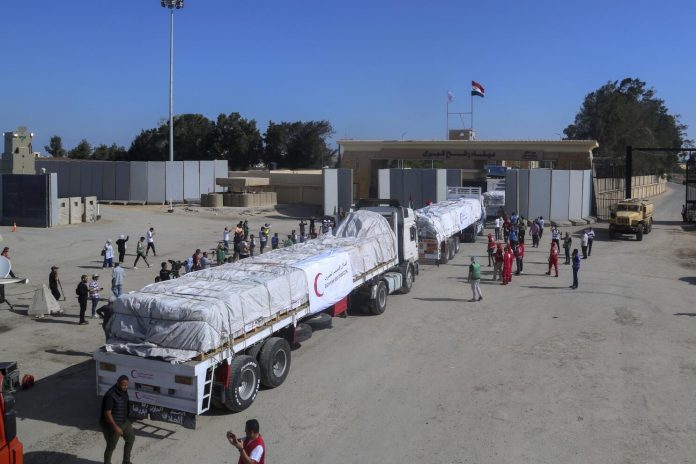
Humanitarian aid is a critical component in the response to crises and conflicts around the world. It is guided by principles of humanity, neutrality, impartiality, and independence. These principles are essential to ensure that aid reaches those in need without discrimination and without being affected by political agendas. These organizations are often the first responders in the wake of natural disasters, conflicts, and other emergencies, working tirelessly to ensure that aid reaches those in need.

Humanity dictates that human suffering must be addressed wherever it is found, with particular attention to the most vulnerable populations, such as children, the elderly, and the sick. Neutrality means that aid must not favor any side in an armed conflict or other disputes. Impartiality ensures that aid is given based solely on need, without discrimination. Independence is crucial for aid organizations to operate free from political, economic, or military objectives.

Here are some examples of prominent humanitarian aid organizations that have made significant impacts globally:

International Federation of Red Cross and Red Crescent Societies (IFRC): With a global presence in 192 national societies, the IFRC is the world’s largest humanitarian network. The organization aids approximately 160 million people annually, providing essentials like water, food, and medical supplies. It is actively involved in disaster relief, health training, and assistance in conflict zones.

The World Health Organization (WHO): As an agency of the United Nations, the WHO monitors global health and coordinates international responses. It operates across six regions with over 150 offices, preparing for health emergencies, developing health tools, responding to emergencies, and supporting supply delivery.

UNICEF: Operating in over 190 countries, UNICEF focuses on the needs of children, with programs in childhood nutrition, safe water, education, and more. It works in both humanitarian and development aid and was awarded the Nobel Peace Prize in 1965.

AmeriCares: Present in 164 countries, AmeriCares responds to emergencies with medical supplies and clinical services. It also runs health programs through more than 4,000 health centers globally and operates free clinics in Connecticut for uninsured individuals.

Save the Children: Founded in 1919, Save the Children is one of the oldest and largest humanitarian NGOs, focusing on programs for children in disaster response, nutrition, health, shelter, and education, with a presence in over 117 countries.

The provision of humanitarian aid in conflict zones is often fraught with challenges. Access to affected areas can be hindered by fighting, blockades, or bureaucratic obstacles. Aid workers themselves can become targets of violence, and aid convoys may be attacked or looted. Despite these challenges, humanitarian organizations strive to deliver aid and alleviate suffering in even the most dangerous and complex environments.

The international community has a responsibility to support these efforts and to uphold international laws that protect the delivery of humanitarian aid. When aid is obstructed, it is not just a violation of these laws; it represents a failure to uphold our collective humanity.

In times of conflict, the role of humanitarian aid becomes even more vital. It is a beacon of hope and solidarity, reminding us that even in the darkest of times, there are those who are committed to helping others, regardless of the risks or challenges involved. It is this spirit of common humanity that drives the provision of aid and underscores its importance in building a more peaceful and compassionate world.

24 Years After, U.S.-Nigeria Air Transport Agreement Officially Comes Into Force

0

The U.S.-Nigeria Air Transport Agreement, initially provisionally applied in 2000, has officially come into force as of May 13, 2024. This milestone, announced by the United States Embassy and Consulate in Nigeria, marks a significant advancement in the bilateral aviation relationship between the two countries.

The agreement, which aligns with the U.S. Open Skies international aviation policy, aims to foster a modern civil aviation relationship. It emphasizes high standards of aviation safety and security, promoting a competitive and consumer-friendly environment. 

According to the statement from the U.S. Embassy, the agreement “establishes a modern civil aviation relationship with Nigeria consistent with U.S. Open Skies international aviation policy and with commitments to high standards of aviation safety and security.”

Key Provisions and Opportunities

The agreement includes several crucial provisions such as:

  • Unrestricted Capacity and Frequency: Airlines from both countries can operate without limitations on the number of flights.
  • Open Route Rights: Airlines can freely choose routes.
  • Liberal Charter Regime: Easier regulations for charter flights.
  • Open Code-Sharing: Enhanced opportunities for airlines to enter code-sharing arrangements.

These provisions are expected to liberalize the international civil aviation sector in Africa, promoting tourism, commerce, and stronger economic and commercial partnerships.

Impact on Economic and Commercial Partnerships

The U.S.-Nigeria Air Transport Agreement strengthens the economic ties between the two nations, promoting people-to-people connections and creating new opportunities for airlines, travel companies, and customers. The agreement is seen as a significant step forward in liberalizing air travel in Africa.

“This agreement with Nigeria is a step forward in liberalizing the international civil aviation sector in Africa and further expands our strong economic and commercial partnership, promotes people-to-people ties, and creates new opportunities for airlines, travel companies, and customers,” the statement highlighted.

With this agreement, air carriers can provide more affordable, convenient, and efficient air services. This is expected to boost tourism and commerce between the U.S. and Nigeria, offering travelers and shippers better options and enhanced services.

The U.S. Open Skies Policy

The U.S.-Nigeria Air Transport Agreement is in line with the U.S. Open Skies policy, which has been promoting airline operational flexibility since 1992. The policy minimizes government interference, encouraging competitive practices and consumer benefits. According to the U.S. Department of State, Open Skies agreements have expanded cooperative marketing, liberalized charter regulations, and improved operational flexibility, all while maintaining high safety and security standards.

The policy has been instrumental in the globalization of U.S. airlines, providing unrestricted market access to international markets. The U.S. currently holds reciprocal Open Skies agreements with over 130 partners, covering more than 70% of international departures from the U.S.

Implications for Nigerian Airlines

For Nigerian airlines, the U.S.-Nigeria Air Transport Agreement offers expanded market access, allowing them to operate more routes to and from the U.S. without capacity and frequency restrictions. This increased flexibility enables Nigerian carriers to enhance their international presence and compete more effectively globally.

The agreement also facilitates better code-sharing opportunities with U.S. carriers, improving connectivity and offering passengers a wider range of travel options. The liberal charter regime allows Nigerian airlines to operate charter flights more freely, addressing seasonal demands and niche markets.

These developments are expected to enable Nigerian airlines to offer more competitive pricing and improved services, thereby attracting more passengers and cargo. The agreement’s benefits extend beyond airlines to travel companies and customers, promoting a more vibrant and interconnected aviation market.

The U.S.-Nigeria Air Transport Agreement’s official implementation marks a historic milestone in the aviation relationship between the two nations. By providing a more competitive and liberalized aviation market, the agreement supports the growth of bilateral trade and investment. It also strengthens people-to-people ties, fostering greater cultural and economic exchange. 

It is expected that domestic players in the Nigerian aviation industry will leverage the agreement and expand their operations beyond domestic routes. 

As UK Universities Run Deficits Over Immigration Laws, We Must Learn Not To Abuse Positioning

0

In the Igbo Nation, it is always a great honour when you call your kinsmen and they gather to listen to you. The UK was a center of gravity in Europe, but it did not see it as an honour. It went to dismantle what made the UK amazing, via BREXIT, etc. Today, even its universities are paying the prices as inflation rises and poverty scales in the land.  After BREXIT, I wrote that it was a huge irony that the “Great Britain which used to annihilate kingdoms and colonized them” would like to be left alone, peacefully! Unfortunately, that would weaken the UK because it did not know the power of its strength. 

Fixing the paralysis of the UK has moved immigration to new dimensions: “Universities across England are grappling with a funding crisis orchestrated by a sharp decline in student applications, a trend believed to have been birthed by the UK’s new immigration laws…The OfS report, seen by the Financial Times, reveals that 40% of England’s universities are expected to run deficits in the 2023-24 academic year, with many institutions facing low cash flows.” Some of these new immigration laws would not have been necessary without BREXIT.

Good People, in this world, most times, we do not understand the privileges we have. That was what happened to Nigeria. One afternoon, some people closed all land borders in Southern Nigeria, distorting decades-old trade routes between Nigeria and its neighbours. By the time we woke up, from scoring those mindless economic own-goals, those countries had moved on. Till today, Nigeria has not recovered because those countries have established new trade routes. Check the data, our economy and Naira  took the worst turns, post border closure.  

The Main Market in Onitsha, Nigeria is the largest market in Africa by volume of goods and geographical size. It serves Niger, Benin Republic and other countries. Those customers come with USD dollars. But because Nigeria did not model the impact, we stopped them, and lost the inflow. When they left, Naira was impacted.

The Main Market in Onitsha, Nigeria is the largest market in Africa by volume of goods and geographical size. It serves Niger, Benin Republic and other countries. The foreign customers always come with USD dollars. But when we  closed the land borders, we stopped them, and lost the inflow. When they left, Naira was impacted.

If the UK cannot fund KNOWLEDGE of the future, it will fade over years. And by now, it is self-evident that BREXIT was an own goal.  Of course, they will reverse some of the unaligned immigration laws as they govern with data, knowing what works and does not work.

My Response on Impact of Brexit on this

As of February 2024, the UK’s GDP per capita has only increased 4% since the 2016 Brexit vote, which is significantly lower than the 8% increase in the Eurozone and 15% growth in the U.S.. The NIESR estimates that Brexit’s negative impact will increase gradually, reaching about £2,300 per capita by 2035”.

I did not write this decline is due to BREXIT but I posit that without BREXIT, the UK will not have this new immigration policy which is affecting enrollment.  You need to acknowledge my inferences; BREXIT did not affect students enrollment directly, but BREXIT triggered many things like lower standard of living, inflation, etc which make the UK seem poorer, pushing for these changes like immigration. 

New UK Immigration Laws: 40% of England’s Universities Expected to Run Deficits in 2023-24 Academic Year

0
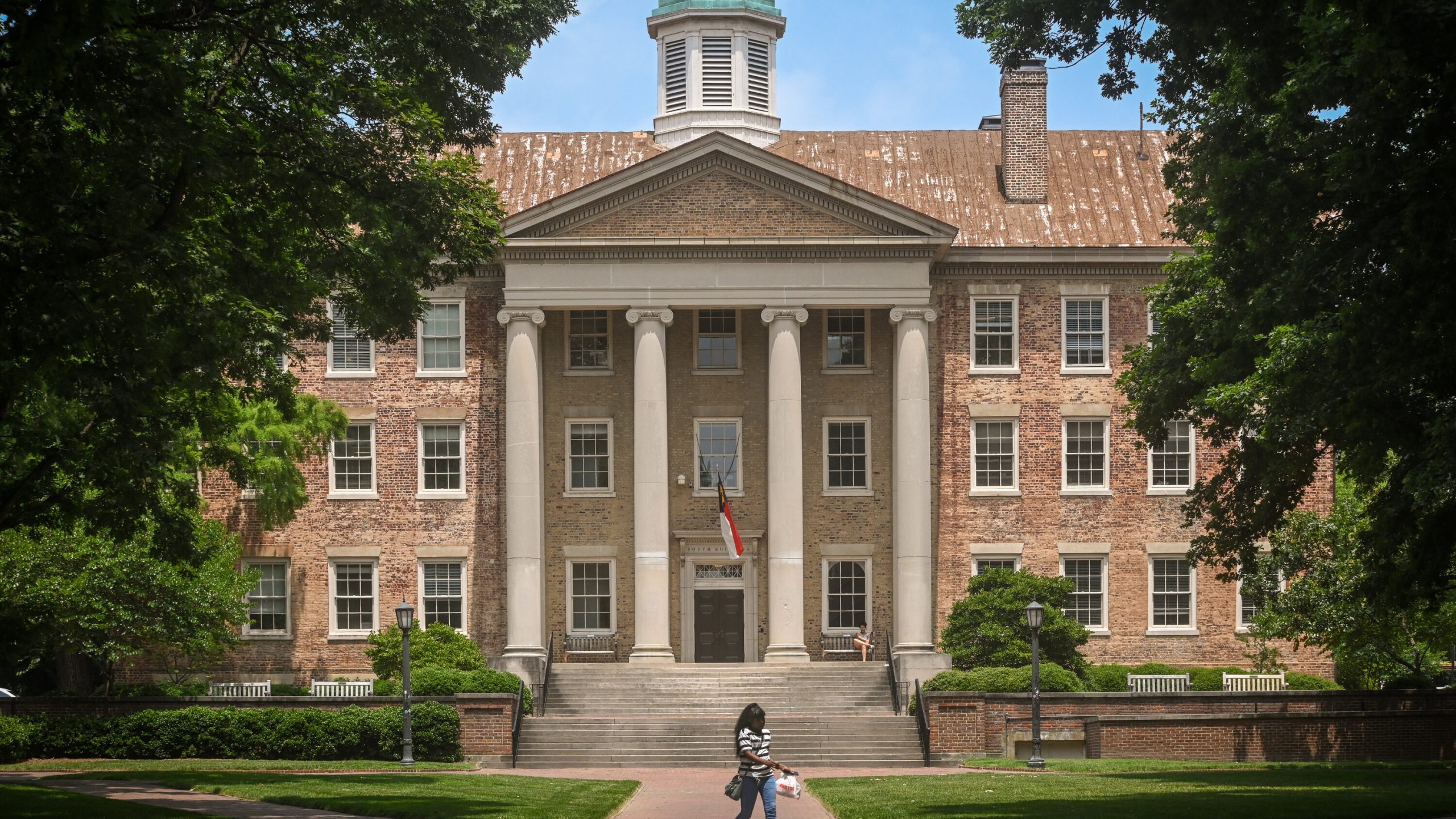
A university

Universities across England are grappling with a funding crisis orchestrated by a sharp decline in student applications, a trend believed to have been birthed by the UK’s new immigration laws. 

The Office for Students (OfS) has highlighted these concerns in its annual report, pointing to a dire financial outlook for the higher education sector.

The OfS report, seen by the Financial Times, reveals that 40% of England’s universities are expected to run deficits in the 2023-24 academic year, with many institutions facing low cash flows. The report cautions that an increasing number of universities will need to overhaul their funding models to avoid the risk of closure.

Immigration Laws and Decline in Student Applications

The recent legislative changes include restrictions on international students’ ability to bring family members to the UK and an increase in the salary threshold for skilled workers from £26,200 to £38,700. These measures have already led to a significant drop in applications from international students, a crucial source of revenue for UK universities.

The Russell Group of top-tier universities has warned that any further reduction in overseas recruitment could destabilize the sector, resulting in less spending in local communities, fewer opportunities for domestic students, and diminished research output. 

As the OfS annual statement notes, “Data on undergraduate applications and student sponsor visa applications indicates that there has been an overall decline in student entrance this year, including a significant decline in international students.”

The financial strain on universities is compounded by a decade-long freeze in the £9,250 annual tuition fees for domestic students. The Russell Group estimates that universities are losing £2,500 per domestic student annually, a figure projected to rise to £5,000 by the end of the decade.

The OfS report contrasts starkly with last year’s assessment, which suggested no immediate concern for the short-term viability of most providers. The current data show a notable decline in both undergraduate applications and student sponsor visa applications, contradicting earlier forecasts that anticipated a 35% increase in international students and a 24% rise in domestic ones.

Broader Economic Impact

The economic ramifications of declining university revenues extend beyond the higher education sector. Universities are major employers and economic contributors in their regions. Over 50 UK universities are making budget and job cuts due to financial pressures, a trend that could lead to reduced student choice and educational opportunities.

The OfS expressed further concern, stating, “Across the sector as a whole this may over time reduce student choice: in some subject areas, or in some regions, or for some types of students.” This reduction in choice could have long-term implications for the diversity and quality of education in the UK.

Government Stance and Potential Solution

The UK government has maintained that the new immigration policies are essential to control migration and ensure that the skills brought by international students meet the country’s economic needs. However, the 14-week independent advisory report on the UK’s visa graduate program concluded that the program is not being abused and should remain in place. Despite this, the government has signaled its intention to possibly further restrict the route, particularly for students attending lower-ranked universities.

In response to these challenges, universities may need to explore alternative revenue streams, increase fundraising efforts, and advocate for policy changes that support international student recruitment and funding stability. The OfS has emphasized the need for universities to adapt their financial strategies to ensure sustainability.

Universities UK, the collective voice for 140 universities across the UK, has been actively lobbying for a more favorable immigration policy. The organization stresses that international diversity is crucial for the academic and financial health of UK universities and urges the government to support measures that enhance the UK’s attractiveness as a study destination.

The OfS also recommends that universities focus on diversifying their international student recruitment efforts to include a broader range of countries. This strategy could mitigate the risk associated with reliance on students from a few key markets, such as China and India, which are significantly affected by the new immigration restrictions.

Long-term Economic Impact

The broader economic impact of declining international student numbers could be substantial. According to a report by the Higher Education Policy Institute, international students contribute over £28 billion annually to the UK economy through tuition fees and spending in local communities. A significant reduction in this income could lead to job losses not only within universities but also in the wider economy, affecting housing, retail, and other sectors that benefit from student spending.