DD
MM
YYYY

PAGES

DD
MM
YYYY

spot_img

PAGES

Home Blog Page 3357

Top 4 ICOs for 2024 Bull Run: BlockDAG Leads Phase 11, Favored by Influencer Shark Number Over ETFS, SLOTH, & WAI

0

Cryptocurrency investing is risky but lucrative. ICOs are ideal for investors seeking high returns but caution is advised to avoid failed projects. As cryptocurrency values fluctuate, focusing on ICOs with strong potential is prudent. The following article discusses the top four promising ICOs for the 2024 bull run: ETFSwap, Slothana, WienerAI, and BlockDAG.

BlockDAG has entered Batch 11 of its presale, attracting investors and influencers, drawn by the project’s burgeoning hype. This momentum is catapulting it to new heights.

ETFSwap: Bridging Tokenization and ETFs

ETFSwap (ETFS) is a pioneering decentralised trading platform merging tokenisation and ETFs. It enables users to access institutional ETFs through tokenisation tech, bridging crypto and traditional finance. Offering Spot Bitcoin ETFs akin to BlackRock and Fidelity, it combines DeFi and traditional finance for broad benefits. With real-world utility and solid fundamentals rooted in the $9.6 trillion ETF industry, ETFSwap stands out among ICOs. Having sold over 30 million tokens, its growing demand signifies recognition from global crypto investors.

Slothana: The Rise of a Meme Coin

Slothana (SLOTH) is a meme cryptocurrency centred around sloth imagery, garnering attention through social media and marketing. Despite lacking utility and being highly volatile, it raised over $15 million in its presale. While lacking tangible value like other cryptos, its community-driven nature may sustain interest among fans. However, it remains vulnerable to market fluctuations, unlike projects with real-world use cases.
WienerAI: Dog-Themed Cryptocurrency with AI and Blockchain Integration

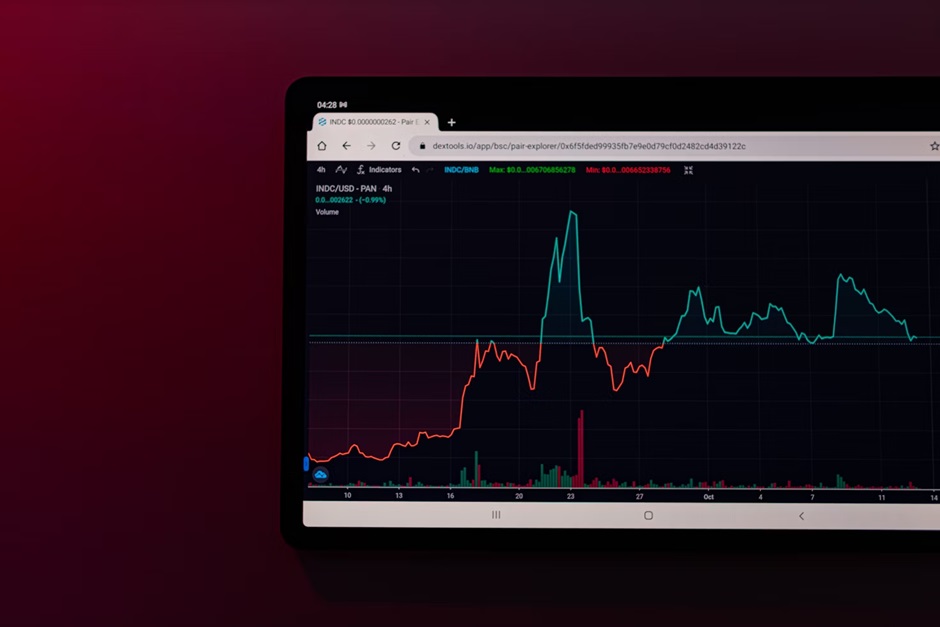
WienerAI combines Artificial Intelligence and blockchain in a dog-themed cryptocurrency aiming for dominance in both sectors. Despite limited popularity, it raised $350,000 in presale with 30% of its 69 million token supply allocated.

Its value derives from meme culture, attracting investors amused by its dog mascot. While lacking real-world utility, WernerAI offers staking rewards with a 1,800% APY.

BlockDAG: Advanced Mining Technology and Massive Growth Potential Endorsed by Shark Numbers

BlockDAG is gaining prominence in crypto, notably endorsed by influential figures like Shark Numbers on YouTube. With support from tech giants and the digital community, it emerges as an enticing investment opportunity promising significant returns. In a recent video, the YouTuber discusses BlockDAG’s keynote that clearly explains BlockDAG’s advanced mining technology and its potential for passive income.

Offering user-friendly mining via mobile apps and home machines, BlockDAG caters to beginners and seasoned miners. The easily accessible X1 app enables users to mine up to 20 BDAG coins daily, while home mining options such as the X10, X30, and X100 offer varying capabilities, with the potential to earn up to $100 daily. By focusing on inclusivity and ease of use, BlockDAG appeals to a broad audience.

Moreover, he highlights the impressive capabilities of BlockDAG’s decentralised network, which utilises the PoW consensus mechanism to facilitate fast and secure transactions. Due to the scalability of its DAG structure, it can process multiple transactions simultaneously. Additionally, it employs the Fantom protocol as a safeguard to prevent false transactions and fraud.

BlockDAG boasts a supply of 150 billion coins, currently priced at $0.007 each in batch 11. As per the influencer’s prediction, if BlockDAG reaches the same total market capitalisation as Solana, the price of BDAG coins could increase by 87 times. Similarly, achieving a market cap comparable to Ethereum could boost BDAG’s value by 431 times.
Conclusion

As we look toward the 2024 bull run, it’s clear that BlockDAG stands out among the top ICO projects. Its innovative mining technology, robust security measures, and user-friendly platform make it a leader and a compelling choice for novice and experienced miners.

Influencer Shark Numbers’ endorsement underscores its potential and viability. While other projects like ETFSwap, Slothana, and WienerAI offer substantial opportunities, BlockDAG’s impressive capabilities and the potential for exponential growth in market value position it as the frontrunner in this dynamic race.


Join BlockDAG Presale Now:

Website: https://blockdag.network

Presale: https://purchase.blockdag.network

Telegram: https://t.me/blockDAGnetworkOfficial

Discord: https://discord.gg/Q7BxghMVyu
BlockDAD Outshines SUI & Injective with Updated Roadmap & Influencers Backing its $2M Giveaway

0

Despite the recent attention paid to SUI and Injective’s market trends, BlockDAG is setting a new standard. Its detailed roadmap, strong influencer backing, and $2 million giveaway highlight unmatched innovation. While SUI and Injective offer trading platforms, BlockDAG’s superior proof-of-engagement algorithm and scalability make it the most advanced investment opportunity for 2024. With analysts predicting a 20,000x ROI, BDAG is the crypto to invest in.

SUI: Streamlining Crypto Trading

SUI, the Super User Interface, stands out for its user-friendly approach to crypto trading. Designed to offer traders and investors a smooth experience, SUI incorporates features like asset management and transparent trading to ensure efficiency. It provides a hassle-free environment for managing digital assets. Despite its ambition to simplify trading with efficiency and transparency, SUI continues to refine its platform to meet the evolving demands of the crypto ecosystem.

Injective: Diversified Trading Protocol

Injective is a decentralised exchange protocol offering diversified trading and financial services. It’s recognised for its ability to provide users with extensive trading options, including derivatives and futures, through its scalable infrastructure. Injective has built a reputation for offering a secure environment with reduced fees and faster transactions. Injective continues to develop its platform, aiming to support more assets and trading strategies to accommodate traders and investors worldwide.

BlockDAG’s Updated Roadmap and Strategic Progress with $2M Giveaway

YouTube influencers play a pivotal role in promoting BlockDAG’s strengths by educating the market on its advanced consensus algorithm and scalable network. With its updated roadmap, coverage from notable YouTube creators has effectively expanded awareness. This growing online buzz ensures the market is primed for mass adoption, making BlockDAG’s ecosystem robust compared to the relatively under-marketed cryptos.

In a recent video, YouTube Influencer ‘Token Galaxy’ highlights that you can earn passive income through BlokDAG’s mining options, like the X1 mobile mining app or the more robust X100 setup designed for mining, which can yield up to 2,000 coins daily. He expressed his astonishment at the incredible $2 million giveaway.

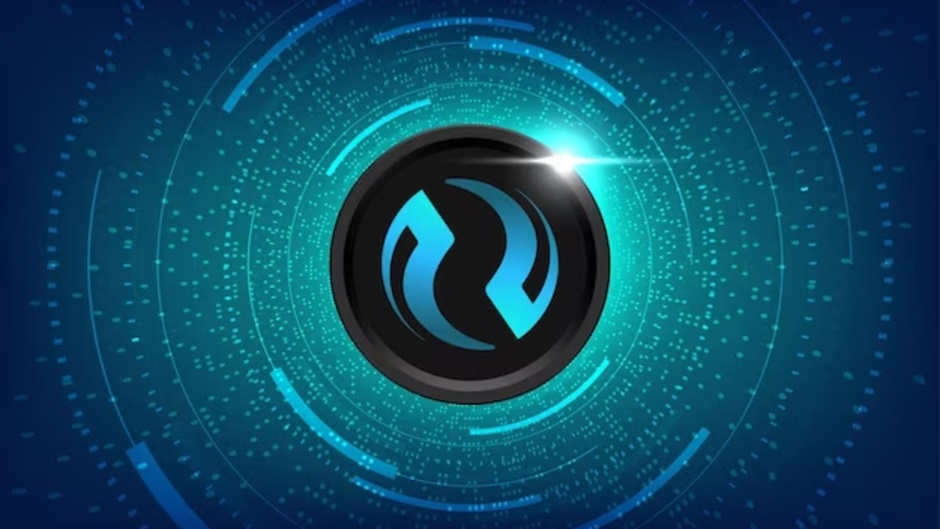
Moreover, BlockDAG’s meticulously planned updated roadmap lays the foundation for its market dominance. The team starts with P2P Engine and DAG algorithm development, then moves to EVM compatibility and a Devnet launch, ensuring seamless integration and interoperability. This strategy is designed to surpass competitors like SUI and Injective by setting new standards in blockchain innovation with efficient node validation and compatibility features.

BlockDAG’s roadmap and influencer partnerships position it as a transformative force in cryptocurrency, enhancing blockchain performance and reshaping decentralised finance. While SUI and Injective offer stable trading platforms, they lack the advanced technological roadmap and strategic outreach that make BlockDAG an ideal choice for 2024 investments. With this rapid progress, BDAG is predicted to offer above 20,000x ROI potential.

Final Thought

BlockDAG’s comprehensive roadmap signals a transformative shift in crypto, promising high scalability, speed, and robust mining opportunities. While SUI and Injective offer established trading solutions, their strategic timelines can’t compete with BlockDAG’s innovative vision and influencer-driven market education. A famous influencer highlighted BlockDAG’s innovative features, creating significant buzz. Its clear strategy, robust influencer backing, and strong presale crypto coin momentum position it as a prime crypto investment for those looking to capitalise on the next breakthrough.

Join BlockDAG Presale Now:

Website: https://blockdag.network

Presale: https://purchase.blockdag.network

Telegram: https://t.me/blockDAGnetworkOfficial

Discord: https://discord.gg/Q7BxghMVyu
Bankrupt FTX Pledges to Repay Creditors all $11bn Debt – thanks to Bitcoin Rebound

0

The saga of the bankrupt cryptocurrency exchange FTX took a surprising turn as it announced its ambitious plan to repay its creditors the staggering sum of $11 billion, a move propelled by the recent resurgence in bitcoin prices typical of the ever-fluctuating habit of the crypto market.

Assuming the mantle of leadership post the downfall of Sam Bankman-Fried, John Ray III expressed confidence in FTX’s capacity to honor its debts in full. With the prospect of netting over $16 billion through the liquidation of its remaining assets, Ray heralded the proposed Chapter 11 plan as a beacon of hope amid the tumult that had engulfed the exchange, according to The Guardian.

“We are pleased to be in a position to propose a chapter 11 plan that contemplates the return of 100% of bankruptcy claim amounts plus interest for non-governmental creditors,” the bankruptcy expert said.

Ray joined FTX shortly after the company filed for bankruptcy, much to the dismay of Bankman-Fried, who sought a replacement committed to maintaining the company’s operations.

Before joining FTX, Ray’s notable role involved overseeing the dissolution of Californian energy giant Enron. He assumed the position of chair of the company after it emerged from bankruptcy in 2004, dedicating five years to winding down its operations and ultimately returning over half of creditors’ funds.

At the heart of FTX’s financial turnaround lies a fortuitous dissonance between its dollar-denominated liabilities and its assets, largely comprising speculative digital assets and stakes in burgeoning startups. The meteoric ascent of bitcoin prices, soaring from the depths of $20,000 during FTX’s nadir in November 2022 to an astronomical valuation presently, has proven instrumental in boosting the exchange’s fiscal viability.

While the legal guarantee of full reimbursement offers solace to FTX creditors, the bitter taste of missed opportunities lingers among former platform users, who were compelled to offload their crypto holdings at discounted rates during the exchange’s collapse.

The winds of fortune further favored FTX with its lucrative stake in the AI startup Anthropic, fetching a handsome sum of $824 million upon divestment earlier this year. However, the shadow of ignominy loomed over the exchange’s erstwhile figurehead, Sam Bankman-Fried, who found himself ensnared in the web of legal tussles, culminating in a 25-year prison sentence handed to him in March.

As part of the courtroom drama, Bankman-Fried attempted to plead for leniency, contending that the anticipated restitution to depositors should mitigate his culpability. However, Judge Lewis Kaplan rebuffed this plea, likening it to a thief seeking absolution after squandering ill-gotten gains in the gambler’s den of Las Vegas.

Bankman-Fried maintained that he was innocent of any fraud throughout the trial, claiming that the implosion of FTX was a result of unintentional mistakes.

 ‘I never thought that what I was doing was illegal. But I tried to hold myself to a high standard, and I certainly didn’t meet that standard,” he said.

The proposed FTX repayment plan awaits court approval before funds can be disbursed to former depositors. John Ray’s intervention and subsequent management of FTX have played a pivotal role in its rehabilitation, notwithstanding initial opposition from Bankman-Fried, who had hoped for a successor committed to maintaining the company’s operations.

Despite facing initial resistance from Bankman-Fried, who harbored hopes of preserving the company’s legacy, Ray’s emergence now signals a new dawn of hope for the depositors of the embattled exchange. 

Nigeria’s Lower Parliament Makes A+ Decision on Central Bank of Nigeria’s Cybersecurity Levy As Senate Punts

0

This is an A+ decision from the lower chamber of Nigeria’s parliament: “The House of Representatives has taken a firm stance against the implementation of the Central Bank of Nigeria’s (CBN) cybersecurity levy, calling for an immediate halt to its execution..

“In a motion presented by Minority Leader Kingsley Chinda (PDP Rivers) on behalf of the members, the House emphasized the need for the CBN to withdraw its previous circular on the levy and issue a new one consistent with the provisions of the Cybercrime Act. Section 44(2a) of the act specifies entities such as GSM and telecom companies, internet providers, banks, financial institutions, insurance companies, and the Stock Exchange as liable for the levy, not individual Nigerians.”

Of course they can add those “extras” to our bills. But there is a difference: at least We The People can decide not to consume those services, and get away from the levy. As we discussed here, there is no law in the books which supports what the apex bank did. We do hope this will bring this distraction to a good conclusion while we wait for another one.

I must commend the House, Senate and also the government for listening. We are saying: if you want more tax revenue, create GROWTH policies so that companies, citizens, etc can make money and pay taxes. But taxing bland bank transactions is not wisdom in any form.

Updated: The Nigerian Senate seems to be supporting this.

Amidst anger from Nigerians, particularly the Organised Private Sector, regarding the 0.5% cybersecurity levy on electronic transactions, the Senate has defended the proposed implementation by the Central Bank of Nigeria (CBN).

By virtue of provisions of the Cybercrime (Prohibition, Prevention, etc) (Amendment) Act 2024, and under the provision of Section 44 (2)(a) of the Act, a levy of 0.5 per cent (0.005) equivalent to half a per cent of all electronic transaction values by the businesses specified in the Second Schedule of the Act is to be remitted to the National Cybersecurity Fund, which the Office of the National Security Adviser shall administer.

Chairman of the Senate Committee on National Security and Intelligence, Senator Shehu Umar Buba, stated in a statement that “the levy is not punitive as it has numerous exemptions to protect and relieve ordinary citizens, particularly the poor.”

The Senate and House On This Matter

The Senate said that the 0.5% cybersecurity levy is the law of the land. And the House of Representatives is in agreement, but where they differ is who is going to pay it. The House thinks the citizens or individuals are not the ones to pay the levy; some companies are to make the payments. Of course, the bird which leaves the ground and perches on the anti-hill is still on the ground. If you ask telcos, banks, etc to make this payment, they will find ways to push it to the citizens!

From Chairman of the Senate Committee on National Security and Intelligence, Senator Shehu Umar Buba: “The Cybercrimes Act of 2015 has provisions for imposing a cybersecurity levy since its enactment, but the vagueness of Section 44 led to different interpretations until the 2024 amendments. The levy is 0.5%, equivalent to half a per cent of the value of all electronic transactions by businesses specified in the Second Schedule to the Act.

“The amendments addressed crucial gaps in the Act and empowered the nation to implement the National Cybersecurity Programme effectively. They also seek to realign and empower the country to combat the inadequate funding and disruptive effects of cyber threats on national security and critical economic infrastructures,” he said.

From House of Reps: “Section 44(2a) of the act specifies entities such as GSM and telecom companies, internet providers, banks, financial institutions, insurance companies, and the Stock Exchange as liable for the levy, not individual Nigerians.”

We will see how this develops.

Nigerian House of Reps asks Central Bank to halt Implementation of Cybersecurity Levy

0

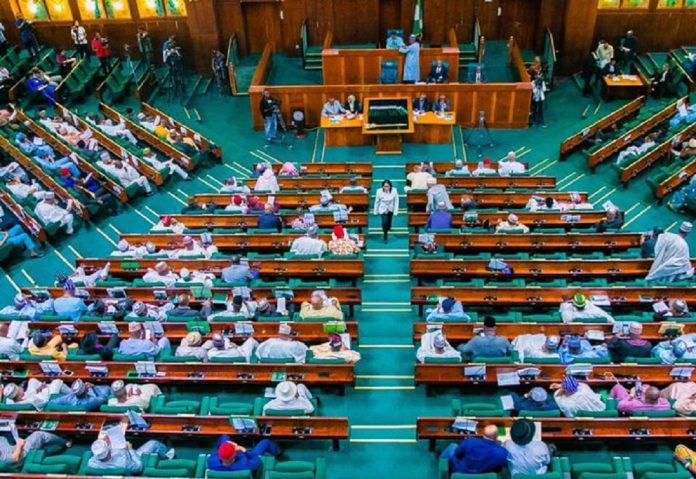
The House of Representatives has taken a firm stance against the implementation of the Central Bank of Nigeria’s (CBN) cybersecurity levy, calling for an immediate halt to its execution. 

This directive comes in response to a circular issued by the apex bank, which the House believes is prone to misinterpretation by Nigerians and violates the provisions of the Cybercrime Act.

In a motion presented by Minority Leader Kingsley Chinda (PDP Rivers) on behalf of the members, the House emphasized the need for the CBN to withdraw its previous circular on the levy and issue a new one consistent with the provisions of the Cybercrime Act. Section 44(2a) of the act specifies entities such as GSM and telecom companies, internet providers, banks, financial institutions, insurance companies, and the Stock Exchange as liable for the levy, not individual Nigerians.

The decision by the House reflects concerns that the implementation of the levy has the potential to aggravate economic hardships faced by Nigerians, particularly in light of ongoing challenges such as the increase in petroleum product prices, and the free fall of the naira resulting in sky-high inflation. 

The circular from the CBN has stirred apprehension across the country, prompting calls for its immediate withdrawal.

Peter Obi, the former presidential candidate of the Labour Party has condemned the Cybersecurity Levy, describing it as ‘‘milking a dying economy.’’ In a statement issued on Wednesday, Obi decried the rate President Bola Tinubu’s government is increasing taxes, despite his assurances to address multiple taxation as a way of creating a conducive business environment.

‘‘The imposition of a Cybersecurity Levy on bank transactions is particularly sad given that the tax is on the trading capital of businesses and not on their profit hence will further erode whatever is left of their remaining capital, after the impact of the Naira devaluation and high inflation rate,’’ he said.

Also, the Centre for the Promotion of Private Enterprise (CPPE) raised alarm over the adverse effects of the newly introduced cybersecurity levy and a barrage of other taxes imposed by various tiers of government in Nigeria. 

A statement signed by Dr. Muda Yusuf, the CEO of CPPE, raised concerns regarding the detrimental impact of these levies on the capacity of businesses to stimulate economic growth.

“Businesses and the generality of citizens are yet to recover from the shocks of current reforms. Inflationary pressures have not abated, high cost of living is still a major worry, operating and production costs for businesses remain elevated, amidst weak consumer purchasing power. This is not a good time to impose an additional levy both on businesses and citizens,” he said.

Socio-Economic Rights and Accountability Project (SERAP) has condemned the policy, giving the federal government a 48-hour ultimatum to retract the 0.5% cybersecurity levy imposed on Nigerians. 

The levy, directed by the CBN to be implemented effective May 20, 2024, entails a 0.5% charge on electronic transactions, with proceeds remitted to the National Cybersecurity Fund administered by the Office of the National Security Adviser (NSA), headed by former Chairman of the Economic and Financial Crimes Commission (EFCC) Nuhu Ribadu.

The CBN’s clarification indicates that the levy will be reflected in customers’ accounts as a “Cybersecurity Levy” and applied at the point of electronic transfer origination, subsequently deducted and remitted by financial institutions. Despite the CBN’s assertion that this directive aligns with previous circulars issued in 2018, criticism persists regarding its potential adverse effects on Nigerians already grappling with economic challenges.