DD
MM
YYYY

PAGES

DD
MM
YYYY

spot_img

PAGES

Home Blog Page 3361

Dogecoin and XLM Potential Surge in 2024

0

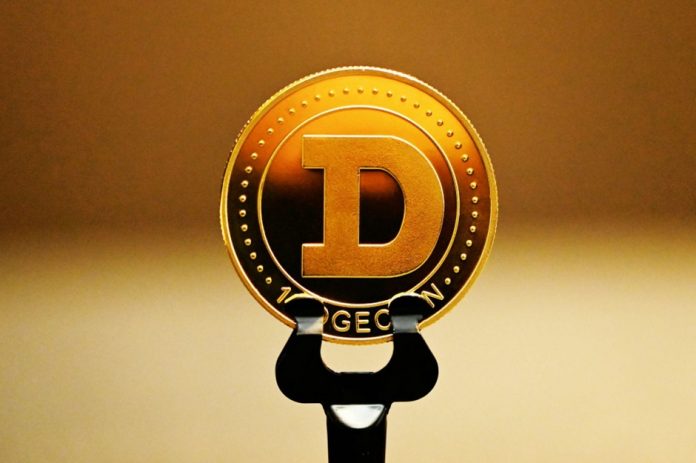
Dogecoin, the cryptocurrency that started as a joke, has become a serious contender in the digital currency market. With an analyst predicting a 250% rally in 2024, it’s worth exploring what could drive such a significant increase in value.

Firstly, the crypto market is known for its volatility, with prices fluctuating based on a variety of factors, including market sentiment, technological advancements, and broader economic trends. For Dogecoin, a few key elements could contribute to its potential surge.

One of the main drivers could be the increasing acceptance of Dogecoin as a legitimate form of payment. With more businesses and online platforms accepting DOGE for transactions, its utility and, consequently, its value could rise. Additionally, the influence of high-profile endorsements, such as those from tech mogul Elon Musk, can’t be ignored. Musk’s support has previously led to significant price movements for Dogecoin.

Stellar XLM

Stellar Lumens (XLM) has been experiencing a significant uptrend, and various factors contribute to its growth. One of the primary drivers is the expanding reach of the Stellar network, particularly in off-ramp transactions.

The Stellar Foundation’s report highlighted the network’s extensive support for off-ramps, with USDC running on the Stellar blockchain being the asset with the highest number of cash off-ramps, estimated at a staggering 322,000 locations. This widespread accessibility has solidified Stellar’s position as a reliable platform for users seeking to convert cryptocurrencies into fiat currencies effortlessly.

Stellar Lumens, which operates on the Stellar network, aims to facilitate cross-border transactions and has been steadily gaining traction in the financial technology sector. The predicted surge is attributed to several factors, including increased adoption by financial institutions, technological advancements within the Stellar network, and a growing awareness of cryptocurrency as a viable investment option.

Another factor is the narrative of real-world adoption that has been embraced by traders and speculators. Metrics surrounding off-ramp locations and strategic global partnerships have attracted organic buying pressure, fueling momentum in the same direction. The market’s response to Stellar’s adoption story has been overwhelmingly positive, reflecting the community’s growing confidence in the project’s viability.

Stellar’s growth also comes in the wake of various market events that have shaped the broader cryptocurrency landscape. Economic developments, including interest rate hikes and GDP growth data, have implications for the crypto market’s risk-off environment. Stellar’s surge amid these trends further underscores its unique value proposition.

Moreover, advancements in blockchain technology and the potential for new features and improvements in Dogecoin’s protocol could make it more attractive to investors. The development of a more robust and scalable network can lead to greater adoption and use cases for DOGE.

However, it’s important to approach such predictions with caution. The cryptocurrency market is unpredictable, and while analysts provide educated guesses based on patterns and market analysis, there are no guarantees in investment. Potential investors should conduct thorough research and consider their risk tolerance before entering the market.

The predicted 250% rally for Dogecoin and surge in XLM accumulation is an intriguing prospect that highlights the dynamic and ever-evolving nature of the cryptocurrency market. Whether or not this prediction comes to fruition, Dogecoin’s journey from meme to mainstream is a testament to the unpredictable and exciting world of digital currencies.
Nigerian Digital Identity Solutions Provider Seamfix, Secures $4.5m to Expand Operations

0

Seamfix, a Nigerian-based digital ID provider that helps businesses and customers globally to create, verify, and access trusted digital identities, has secured $4.5 million to fund the expansion of its digital ID and credential services.

The private equity funding round was secured from Alitheia IDF, a leading professional investment and advisory firm that embodies the philosophy of true profit with a purpose.

According to Seamfix, the funds secured will be used to scale its technology infrastructure, improve data flow for continental trade and integration, and expand its digital ID and credential services into five new African countries.

Commenting on the funding round, Group CEO and co-founder of Seamfix Chimezie Emewulu said,

“We are thrilled to announce this new funding, which marks a significant milestone in our journey of shaping the future of digital ID verification in Africa and connecting Africa to the rest of the world. Digital identity is a right, not a privilege and this belief underpins our innovation and commitment to enabling African individuals and businesses to access all the benefits of having verifiable identities. This investment validates our vision and empowers us to expand our reach and innovate further. We are thankful for the support from Alitheia IF and their commitment to our mission, and we are excited to lead the charge in shaping a digitally inclusive Africa.”

With Digital ID and verification systems crucial to unlocking significant economic value across Africa’s growing and increasingly digital societies, Seamfix has been at the forefront of delivering end-to-end digital ID and credentials solutions for connecting businesses and individuals to disparate identity databases in Africa and around the world.

In Nigeria, the company provides identity creation, verification, and transaction accreditation solutions for large organizations and government agencies. It has delivered a wide range of solutions for organizations such as Veremark, Nigeria’s National Identity Management Commission [NIMC], telcos (MTN, Glo, Airtel, and 9 Mobile), financial institutions (United Bank for Africa, Interswitch and Union Bank) and more, enabling them and their customers globally to seamlessly create, verify and access trusted digital identities and services.

Currently, Seamfix works with major telcos across Africa, on their SIM registration, verification, and linkage to national identities. Thousands of fintechs and SMEs rely on Seamfix’s verification APls for KYC checks during customer onboarding and employee background checks.

It powers them to issue instantly verifiable credentials and reduces the process of certifying credentials such as student transcripts and other official documents from over six months to a few days. With its roots in Africa, Seamfix is passionate about connecting Africans to the rest of the world, eliminating a lot of digital, financial, social, and economic exclusion in Africa, to enable them to have equal access to opportunities both online and offline.

BlockDAG’s Roadmap Promises 600% Surge In Coin Price, Surpassing BTC And ETH Innovations

0

While Bitcoin prepares for a pivotal “Halving” event and Ethereum continues to expand its smart contract capabilities, BlockDAG introduces a groundbreaking roadmap that could revolutionize blockchain technology. With its latest presale batch 10 launching at $0.006 per coin, and an anticipated 600% increase for the upcoming batch from the time of presale inception, BlockDAG is setting itself up for a potential 30,000x ROI, marking significant advancements in blockchain tech and investment opportunities.

Bitcoin: Preparing for the Halving Led Boost

Bitcoin stands as the epitome of decentralized digital currency, eliminating the need for intermediary financial institutions. As Bitcoin heads towards its much-anticipated Halving-inspired bull run, the community expects significant market movements. This event will reduce the reward for mining new blocks, potentially increasing scarcity and boosting Bitcoin’s value.

Ethereum: A Leader in Smart Contract Technology

Ethereum continues to lead with its advanced platform for blockchain applications, particularly smart contracts and decentralized applications (DApps). Known for its flexibility and appeal, especially to newcomers, Ethereum supports a range of applications far beyond simple transactions, making it a cornerstone of the blockchain community.

BlockDAG’s Roadmap Sets a New Standard for Blockchain Innovation

BlockDAG’s updated roadmap reveals its ambitious plans to push the boundaries of blockchain technology. The roadmap outlines significant enhancements, including advanced peer-to-peer networking capabilities, refined blockchain algorithms, and compatibility with Ethereum to broaden application support, setting the stage for a versatile and secure blockchain network.

The roadmap details critical milestones such as the launch of the development network, extensive security audits, and the anticipated launch of the mainnet. These steps are essential for testing the blockchain’s functionality and security in real-world applications. Following these developments, the rollout of the BlockDAG Explorer and the innovative X1 Miner application will improve user interaction and mining efficiency, which is vital for making the blockchain more accessible and transparent.

With the upcoming eleventh batch presale, BlockDAG is poised for dramatic growth, expecting a 600% increase in coin price following a 500% surge in the current batch. This strategic positioning promises substantial ROI and highlights BlockDAG’s potential as a transformative force in the blockchain sector.

BlockDAG Redefines Blockchain Potential

BlockDAG not only aims to outshine traditional giants like Bitcoin and Ethereum but also introduces pioneering blockchain solutions that could redefine the industry. Its strategic roadmap and the upcoming 600% price increase for its next batch place BlockDAG at the forefront of blockchain innovation, offering lucrative opportunities for early investors and setting a new benchmark in the cryptocurrency market.


Join BlockDAG Presale Now:

Website: https://blockdag.network

Presale: https://purchase.blockdag.network

Telegram: https://t.me/blockDAGnetworkOfficial

Discord: https://discord.gg/Q7BxghMVyu

Naira volatility: Nigerian SEC moves to delist naira from P2P platforms

0

In a bid to address the growing concerns surrounding cryptocurrency trading in Nigeria, the Acting Director-General of the Securities and Exchange Commission (SEC), Dr. Emomotimi Agama, has advocated for stringent measures, including blocking P2P trading, aimed at safeguarding the integrity of the Nigerian capital market. 

During a virtual meeting with the Blockchain Industry Coordinating Committee of Nigeria (BICCoN), Agama emphasized the need to clean up the virtual assets space from illegal trading activities, particularly in light of recent developments impacting the Naira’s exchange rate.

Agama’s advocacy for a new cryptocurrency measure signals a departure from the previous SEC’s approach, indicating a potentially more stringent regulatory stance under his administration. The proposed measure aims to remove the Naira as a currency pair from cryptocurrency peer-to-peer platforms, to curb market manipulation and protect national economic interests.

The surge in peer-to-peer (P2P) crypto trading has reportedly had adverse effects on the Naira’s exchange rate, prompting the SEC to consider delisting the Naira from P2P platforms. Agama stressed the importance of a cooperative approach in addressing these challenges, calling on participants in the crypto space to be patriotic and cooperate with regulatory efforts to maintain market integrity.

“Agama stated that one of the things that needs to be done is delisting the naira from P2P space in order to avoid the level of manipulation that is currently happening enjoining participants in the crypto space to be patriotic enough to name and shame those that are involved in disrupting the markets negatively,” a statement from the SEC said. 

In addition to delisting the Naira from P2P platforms, the SEC is in the process of developing inclusive regulatory guidelines for the digital asset sector. These guidelines, crafted with input from various stakeholders, will cover a wide range of crypto-related activities, including wallet services, digital asset custody, and fund management. The aim is to create a well-regulated digital asset marketplace that contributes to Nigeria’s economic progress.

Agama urged the cryptocurrency community to support regulatory efforts by identifying and addressing harmful practices within the market. He emphasized the importance of collaboration and openness in achieving a transparent and thriving digital asset environment, reflecting the government’s commitment to fostering a conducive atmosphere for the burgeoning fintech sector.

“I want to seek your co-operation in dealing with this as we roll out in the coming days the regulations that would take control of these areas. We want to assure you that this management will ensure that people or institutions that require registration with the SEC are quickly licensed. We assure you that we will give guidance when necessary and do well to streamline the processes to make it less difficult

“We ask that those involved in sharp practices that undermine national interest should cease and desist. It is in our interest as a people to protect what belongs to us. We encourage you to reach out to us by naming and shaming the bad actors. Together, I am confident that we can weed out bad actors and harness the immense potential of this progressive technology for the benefit of all Nigerians in tandem with this government’s renewed hope agenda,” the SEC head was quoted as saying. 

The SEC’s advocacy for stringent cryptocurrency regulation comes amid heightened concerns and regulatory actions targeting cryptocurrency trading in Nigeria. Recent developments, including the classification of cryptocurrency trading as a national security issue by Nigeria’s National Security Adviser (NSA) Nuhu Ribadu and directives from the Central Bank of Nigeria (CBN) to block accounts engaged in cryptocurrency transactions, denote the government’s desire to develop robust regulatory measures to address emerging risks in the digital asset space.

The Nigerian crypto space was agog last month, following the government’s decision to clamp down on Binance – the world’s largest exchange. Two of Binance’s executives are still being held in Nigeria by the authorities. The authorities said P2P activities are significantly enabling the naira’s volatility, forcing Binance to disable its P2P feature in February. 

Furthermore, the CBN instructed four fintech startups—Opay, Moniepoint, Paga, and Palmpay—operating in the country to block the accounts of customers involved in cryptocurrency transactions and to report such activities to law enforcement agencies.

Before this, the Economic and Financial Crimes Commission (EFCC) had obtained a court order to freeze at least 1,146 bank accounts linked to various individuals and businesses allegedly involved in illicit foreign exchange dealings. 

This new move by the SEC means its earlier measures that included a proposed regulatory framework has been jettisoned. In 2022, the SEC issued new guidelines on the issuance of digital assets in Nigeria, following calls for regulation of the digital asset industry. The regulator introduced a comprehensive set of regulations covering various aspects of the digital market.

However, despite the consensus from both stakeholders and watchdogs that the digital asset industry requires urgent regulation, the proposed guidelines failed to be adopted. 

Fraud Incidents: Nigeria Orders 1.9 Million PoS Agents to Register With CAC

0

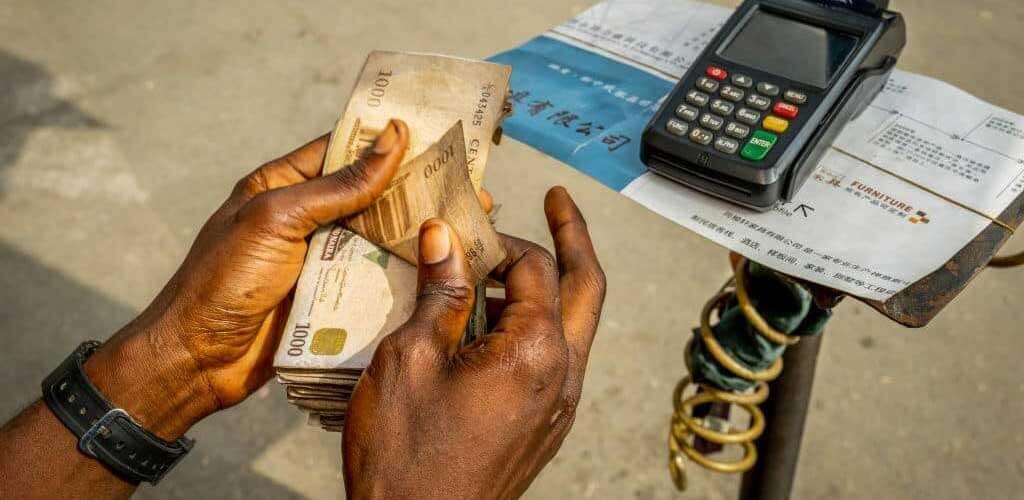
The Federal government of Nigeria through the Corporate Affairs Commission (CAC) has ordered 1.9 million PoS companies to register their business as part of plans to combat fraud.

This agreement was reached on Monday during a meeting between Fintechs and the Registrar-General CAC, Hussaini Ishaq Magaji, in Abuja.

Speaking at the meeting, the CAC boss noted that the directive is aimed at safeguarding the businesses of Fintech customers and strengthening the economy. He further stressed that the action was equally backed by Section 863, Subsection 1 of the Companies and Allied Matters Act, CAMA 2020 as well as the 2013 CBN guidelines on agent banking.

According to the CAC, the timeline allotted for the registration is for a period of two months, which will expire on July 7, 2024

A statement by the commission read,

“The Corporate Affairs Commission and fintech companies in Nigeria, better known as PoS operators, have agreed to a two-month timeline to register their agents, merchants, and individuals with the CAC in line with legal requirements and the directives of the Central Bank of Nigeria. The agreement was reached today during a meeting between Fintechs and the Registrar-General, CAC, Hussaini Ishaq Magaji, in Abuja.”

The CAC’s recent directive comes as fraudulent incidents involving PoS terminals have continued to surge in the country. According to a 2023 fraud report by the Nigeria Inter-Bank Settlement System Plc (NIBSS), PoS terminals accounted for 26.37% of fraud incidents in 2023.

Although PoS has brought significant convenience to financial transactions in Nigeria, which has spared bank customers from enduring extended queues at the banking Hall and ATMs. Meanwhile, despite its positive impact on the populace and the economy, there is a growing sense of unease among Nigerians using the system to carry out transactions due to the rising cases of fraud.

These PoS fraudulent transactions have raised concerns which have spurred different bodies to roll out policies and measures to mitigate fraud in the system. In line with this, in early 2024, Tekedia reported that the Central Bank of Nigeria, in partnership with the Nigerian Electronic Fraud Forum (NeFF), is working alongside the Association of Mobile Money and Banking Agents of Nigeria (AMMBAN) to introduce a new functionality on Point of Sale (PoS) terminals according to reports.

This feature aims to identify potential fraudulent transactions at agents’ locations by prompting for specific Know Your Customer (KYC) details before completing certain transactions.

Reports also revealed that a coalition of security agencies, including the Nigerian police, Department of State Services (DSS), AMMBAN, and NIBSS, has been formed to facilitate the seamless tracking of fraudsters operating at agent locations.