DD
MM
YYYY

PAGES

DD
MM
YYYY

spot_img

PAGES

Home Blog Page 3362

How to Run a Winning Startup? Essentials to Know

0

Every success begins with an idea, and when an ambitious founder has something in mind, they can harness their strong emotional boost and powerful motivation to succeed. But to truly run a winning startup and avoid common pitfalls, it’s crucial to have a strategic plan, understand your capabilities, and be prepared to react to possible changes. Remember, your idea has the potential to become a thriving business.

Rest assured, we’re not here to discourage your idea. On the contrary, we’re here to provide comprehensive support in planning your steps, gaining resources, and taking your first steps on the road to success. In this article, we’ll guide you through the core points that are worth your attention when building a startup.

Develop an Idea

When we say about the idea we mention not only the topic you want to work it. I mean the full concept of your project with proper explanation, value for users, and the approximate income you’ll get from your start-up. If you decide to create a cooking app, you may think of the following:

  • Who is your target audience (chefs only, both chefs and amateurs, amateurs only)?
  • What options does the app have (save recipes, read useful tips, create and add your own recipes to the catalog, etc.)
  • Will it have paid services? If yes, how much will they cost?

Analyze the market and identify your competitors. Check their apps, analyze available options, and take notes. You can improve some of their ideas and create something much better. Pay attention to reviews. If people say they don’t have something in the used apps, you can add the missing options or tools to your project. Focus all your energy on improving the customer experience and solving the major problems. When people see a solution to their major problems, they feel more confident and ready to move on.

Your target audience will be waiting for valuable content, and it’s up to you to provide it. They actually don’t care how cool and unique your startup is. They want to see great content or receive exceptional services that will make their life easier. Also, your product should be quick to adapt, so clients won’t need much time to understand how it works. If you create an app, think of making a short guide and adding tips for every option. Later, when the program will receive updates with new options and features, consider adding a short description for every update. When people enter the application, they quickly understand what exactly was changed and how it impacts the overall performance.

Think of the Adequate Budget

To make your dreams come true, you have to invest. Do it wisely and calculate how much will you spend on promotion, design, SEO and copywriting, software development, and other operations. Whether you craft an essay writing service or a cooking app, everything should be clarified. Understand that once you hire specialists with the cheapest rate on the market, your app won’t blow the market. So, the budget is one of the first things you should think of when developing a startup idea.

If you can monetize your product and generate income, it makes sense to increase your budget. For example, you can improve the design or extend your promotion campaign. You can use other platforms to effectively promote your startup, collaborate with influencers, or cooperate with businesses to reach a wider audience.

Develop Your Business Plan

In your business plan, you should include your marketing strategy (the methods and approaches you use to develop and promote your startup), your value proposition, operational information, and financial projections. With such a plan, you will always be organized and stick to your main goal. You will slowly move from one point to another, fulfilling your goals and seeing how your startup comes alive.

Develop a Strong Brand

The purchase essay startup is not only about ideas, functions, and income. It’s about a strong brand that becomes memorable and draws attention the moment people see it. There are some core things that make your brand strong and noticeable:

  • Unique design. People see something unusual and something that gives them more room for creativity, and they understand: that this is something they’ve been waiting for.
  • You positioned yourself as a game changer and you want to bring something new to your industry. Show it by offering a slogan that will draw attention and give people confidence in your creation. Whether it’s an app, a training program, or a new service that makes people’s lives easier, your goal is to show that this is important.

Don’t focus on copying the competitors’ experience. Use it for inspiration and develop a better product with better optimization, a brighter design, more affordability (or even free), and no issues when using it. Remember: you need to surpass your competitors. Once you do so, their audience will select your product, not theirs.

Monitor the Performance

Once you release your startup, it’s important to test it and see how people react to it. If your target audience is satisfied and gives positive feedback, it’s great. Still, if the overall impression is mixed, you have to go and see what’s wrong. Maybe the optimization is bad, or the design is poor at some point. Anyway, you should react to the feedback and do everything to get rid of the issues. If your startup is about services, watch what people say about the quality, the delivery time of the service, and the final result.

Final Thoughts

Many people don’t want to take responsibility and run the startup themselves because it’s too risky and requires solid investments. Moreover, it may not pay off in the end, so individuals wait for better chances. Still, once you have an idea and want to realize it, don’t hold back. Stay focused, stick to the plan, and write down everything you do on your way. Later, it will help you during the error analysis. You will understand what was wrong, what could be done better, and what was made the best.


Ways to Balance Work and Life While Studying an Online MBA

0

Balancing work and life while studying is one of the biggest challenges, especially when you have kids to take care of and other personal commitments. While it’s not impossible to work and attend to your other obligations, a strategic plan needs to be put in place to ensure one side of your life doesn’t slow down. In this article, we give tips to help you balance work and life while studying for an online MBA.

Create a Schedule

Creating a timetable can be extremely helpful when balancing work and life while studying while taking an online MBA. Set a plan of action that works for you. Don’t copy your colleague’s schedule, as you may have different obligations and priorities. Create a schedule based on your commitments, circumstances, and preferences. Don’t just create a timetable and just put it on your desk. Following it is vital. Why? As your studies progress, you may have more materials to work on. So, getting to follow your schedule early enough will help you stay organized.

A schedule helps you decide how much time you can devote to studying and what time to do your personal tasks. You decide which tasks require much attention and which ones aren’t tedious. Thus, it ensures that all your assignments are done on time, and you won’t get stranded looking for academic helpers from sites like payforessay.net when the deadline is near. Scheduling also eliminates uncertainties and helps you build healthy working habits. You can reduce stress and increase productivity. Create a weekday or monthly schedule that shows your work and life commitments.

Set Realistic Goals and Priorities

Setting a realistic goal is a vital aspect to look into if you want to balance your work and life responsibilities. Think of what you want to learn and achieve and whether you have enough time to dedicate to all those obligations. Don’t overwhelm yourself with so much, yet you don’t have time to attend to some of the responsibilities. Don’t feel the pressure to stand out and set unrealistic goals, as this will cost you in the end. It might make you feel like a failure who can’t manage their goals.

Setting realistic aims gives you direction, motivation, and focus. It helps you focus your efforts on what is truly important and achievable. You also get to experience a sense of accomplishment and motivation, which leads to greater productivity and success. You avoid overwhelming yourself as you only focus on one task at a time. Realistic goals also provide a sense of ownership, purpose, and pride. You also feel fulfilled and satisfied in life. Here are ways to help you set realistic goals:

  • Decide what kind of goals you are setting.
  • Write the goals down and follow the SMART technique.
  • Track your goals.
  • Have an action plan.

Create a Study Routine

Planning is important in all areas, including when studying. If you don’t plan, you might focus less on crucial tasks like doing an assignment. When you finally sit down to do it, you might realize it requires more research, which you were not prepared for. You might be forced to buy an essay online to turn in a good paper.

Having a study timetable helps you focus and achieve your goals and gives you a proper method for studying for your exams. Sometimes, you feel overwhelmed and see that you don’t have adequate time to cover all the study materials. In this case, a study routine can help you achieve your objectives and create a fruitful environment for your studies.

A study routine also keeps you alert as you are aware of what to learn and at what time. You can split your study time into bits, taking breaks and attending to other responsibilities in between. A study routine also helps you prioritize your studies and avoid procrastination. A routine gives you enough time to rest and reduces your studying stress. You’ll also build a sense of accountability as your day will be well organized.

Build a Network

Isolation increases your stress and makes the work-life balance seem more difficult. Thus, having a group of people who can provide you with support while taking the course for the MBA program is important. Be it your co-workers, friends, or family, inform them you are pursuing a degree so that they understand you and not put too much pressure on you. They will be supportive; for instance, during the house chores, you may be helped by your family, and at the workplace, your employer can set a flexible schedule for you. Besides, discussing with them will help you to avoid feeling guilty when you are spending most of your time on your studies.

Networking is a make-or-break factor for an online MBA student who has to balance work, life, and studying. Networking allows you to reach success in your career by connecting you with people in the same field. You also get some important insights and points of view and are able to grow your professional network. Also, networking provides mentorship, job opportunities, and others that help in walking through the career goals and success.

Use Technology

Using technology enables efficient time management and organization. An MBA program requires a lot of time commitment and attention to detail. Technology can help you track your assignments, deadlines, and schedules. Online MBA programs often use digital platforms that offer a wide range of multimedia resources, including webinars, videos, and virtual classrooms. This technology will help you learn and retain information effectively. Furthermore, productivity tools can help you beat deadlines and stick to your timetable. For instance, you can use Notion and Evernote to have proper organization of your notes.

Takeaway

Balancing a job with family and studies is a tough thing and may appear to be a pipe dream. Having too many obligations can be daunting, no matter where you are, how old you are, or what course you are studying. Through the workable approaches aimed at your success, you can balance your work and studies without giving up too much in your personal life. But do not forget about yourself. Rest to preserve your mental and physical health. Most importantly, be disciplined and adhere to your schedule.

Nigeria’s POS Registration Directive: Legitimizing Naira Trading as a Commodity

0

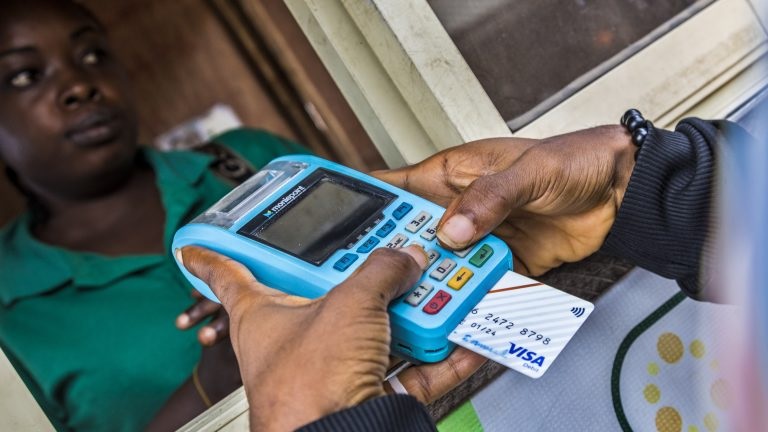
The recent directive from the Nigerian government mandating Point of Sale (POS) operators to register with the Corporate Affairs Commission (CAC) as part of its regulatory oversight to fortify the financial sector, has come under question.

A closer examination reveals underlying implications that demand scrutiny, particularly in the context of legitimizing Naira trading as a commodity amidst concerns of artificial arbitrage.

The Registrar-General of CAC, Hussaini Magaji, while announcing this measure, whose deadline is July 7, noted its alignment with legal requirements and CBN directives, seemingly positioning it as a safeguard for Fintech customers and an economic booster.

He said, “The measure is to safeguard the businesses of Fintech customers and strengthen the economy. The action is equally backed by Section 863, Sub-section 1 of the Companies and Allied Matters Act, (CAMA 2020), as well as the 2013 CBN guidelines on agent banking.’’

Representatives of major players in the industry, such as Opay, Momba, Palmpay Ltd., Paystack, Fairmoney Microfinance Bank, Moniepoint, and Teasy Pay were in attendance at the event. The focal point of the event was the signing of a document by these representatives, signaling their support for the project.

POS operators, as intermediaries in digital transactions, play a pivotal role in the exchange of goods and services for Naira. As of 2022, there’re over 1.8 million POS operators nationwide, making it one of the fastest-growing industries in the country. However, there is a wide belief that the POS operation, approved in 2013 by the CBN to bridge the gap in financial inclusion, only thrives as a Naira exchange means due to the high rate of unemployment in Nigeria. 

Though in support of the new directive, many have noted the need to curtail fraud enabled through POS operators, arguing that the registration of POS operators will significantly mitigate digital financial crimes. In 2023 alone, PoS terminals accounted for a whopping 26.37% of fraud incidents in Nigeria.

While the government’s stated aim is to regulate the burgeoning Fintech industry and protect consumer interests, a critical examination reveals potential pitfalls, particularly concerning the legitimization of Naira trading as a commodity amidst concerns of artificial arbitrage.

Many believe that by mandating their registration with the CAC, the government bestows a semblance of legitimacy upon their operations, implicitly endorsing the trading of Naira as a commodity. Economists say that this move inadvertently sanctions the commodification of Nigeria’s currency, potentially exacerbating existing vulnerabilities within the financial ecosystem.

One of the primary concerns stemming from this directive is the exacerbation of artificial arbitrage within the digital payment industry. Artificial arbitrage occurs when there is a significant variance in the value of the Naira across different platforms or markets, leading to exploitative practices by unscrupulous actors. 

By formalizing the operations of POS operators, the government is believed to have inadvertently provided a platform for the perpetuation of artificial arbitrage, further destabilizing the currency’s value and eroding consumer trust.

“POS can’t take over function of cash deposits and withdrawal from licensed commercial and microfinance banks,” financial analyst, Kalu Aja said. “Are we so debased in expectations of service that licensed trillion naira banks with billions of naira investment in retail branches and ATMs have no cash but a chap with an umbrella down the street has cash?”

Moreover, concerned Nigerians have noted that the registration mandate fails to address the root causes of artificial arbitrage or provide mechanisms for its mitigation. Instead of tackling systemic issues, the directive merely seeks to regulate the symptoms without addressing the underlying pathology. 

The directive’s emphasis on regulatory compliance overlooks the broader socio-economic implications of legitimizing Naira trading as a commodity. 

Since late 2022, a cash shortage induced by the CBN’s currency swap policy has persisted, with banks restricting ATM withdrawals to as little as N5,000 per transaction. Meanwhile, POS operators can dispense cash up to N500,000 for a fee. 

“This is an aberration,” Aja added. “These “umbrellas” [POS stands] are beside banks in the cities, so what’s this financial inclusion excuse? Bank on Broad Street near CBN has no cash but boy under “umbrella” in same Broad Street has cash.”

Critics argue that the government’s focus on the registration of POS operators overlooks more pressing issues such as scarcity of cash in the ATMs. This imbalance in regulatory priorities, they say, risks compounding existing inequalities and perpetuating a cycle of economic disenfranchisement.

While the Nigerian government’s directive to register POS operators with the CAC may be well-intentioned, its unintended consequences merit closer scrutiny. Financial experts warn that legitimizing Naira trading as a commodity amidst concerns of artificial arbitrage may aggravate existing vulnerabilities within the financial ecosystem. 

Binance Must Approach Its Nigeria’s Case Differently; Disparaging Nigeria Is An Own Goal

0

“As our employees were leaving the venue, they were approached by unknown persons who suggested to them to make a payment in settlement of the allegations.’ – Richard Teng, Bianance CEO, on its fight with the Nigerian government.

Richard is making a big mistake, running Nigeria to the ground is a poor strategy. You should stop digging and find a smarter way to help your employees. Your predecessor is going to jail in the US for largely the same reason Nigeria is prosecuting your colleagues. So, Nigeria does have points.

Visit Nigeria, negotiate, pay a $10 million settlement, and Nigeria will move on. That is what Europe does: fines are options. But going on Reuters and TVs to appear like a victim is not a good strategy. Nigeria’s case is clear: there could have been a problem with your KYC. If you do think so, you propose a settlement.

But where you want to educate Nigerian lawyers in their land, you will lose. Nigeria has limited records of prosecuting executives this way, but Nigeria wants to be respected. Your staff did not show respect and that could have been the reason this is going this way. You can still change the trajectory: apologize, offer/accept fines for settlement, agree for operations to be supervised for 12 months, and watch them return to their families.

But going to the media with innuendos is an own goal! This is not New York; this is Naija where men want to be treated with respect over digits in bank accounts. Do not annoy those men…and women.

In the end, this case will be settled. The CEO has to do that as soon as possible and get his men back to their families.

Binance says the Detention of Executives sets a ‘dangerous precedent’, Alleges Nigerian officials Demanded a Payment to Kill the Case

Binance says the Detention of Executives sets a ‘dangerous precedent’, Alleges Nigerian officials Demanded a Payment to Kill the Case

0

Richard Teng, the Chief Executive Officer of Binance, the world’s largest digital asset exchange platform, has launched a scathing critique against Nigerian authorities over the prolonged detention of two of its top executives. 

The detention, according to Teng, not only poses a grave threat to Binance’s operations but also establishes a chilling precedent for companies worldwide.

In an exclusive interview with Reuters on Tuesday, Teng pulled no punches as he condemned the ongoing confinement of Tigran Gambaryan, Binance’s head of financial crime compliance, and his colleague Nadeem Anjarwalla. Both executives have found themselves trapped in a legal tussle in Nigeria, facing charges of tax evasion and money laundering – allegations vehemently disputed by the company.

“To invite a company’s mid-level employees for collaborative policy meetings, only to detain them, has set a dangerous new precedent for all companies worldwide,” Teng said.

Teng provided a detailed account of the events leading up to the executives’ detention, shedding light on the company’s efforts to engage constructively with Nigerian authorities. Meetings held as early as January 2024 aimed at fostering collaboration were abruptly disrupted when Nigerian officials demanded the delisting of the country’s currency, the naira, from Binance’s platform, alongside intrusive demands for user data.

The CEO expressed profound dismay over the protracted detention of Gambaryan, lamenting what he termed as “dubious grounds” for his continued confinement. Despite diplomatic overtures and assurances of cooperation, Nigerian authorities have yet to relent, leaving Binance in a state of limbo.

However, the plot thickened with Teng’s revelation in a recent blog post, wherein he disclosed attempts at bribery directed at Binance executives before their detention. The CEO recounted a brazen encounter following a meeting with Nigerian officials on January 8, during which unidentified individuals purportedly offered to absolve the company of allegations in exchange for a substantial sum in cryptocurrency – a proposition summarily rejected by Binance.

“As our employees were leaving the venue, they were approached by unknown persons who suggested to them to make a payment in settlement of the allegations.

“Later that day, our local counsel — representing us at that time — was summoned by the committee through someone purporting to be their agent, who relayed the committee’s terms and instructed our local counsel to advise us.

“Counsel reported back that he had been presented with a demand for a significant payment in cryptocurrency to be paid in secret within 48 hours to make these issues go away and that our decision was expected by the morning.

“Our team grew increasingly concerned about their safety in Nigeria and immediately departed. We, of course, declined the payment demand via our counsel, not viewing it to be a legitimate settlement offer,” Teng said.

Binance’s ordeal is part of a broader crackdown on the crypto industry by the Nigerian government.

How we got here – the Backstory 

The unfolding drama surrounding the detention of two senior Binance executives, Nadeem Anjarwalla and Tigran Gambaryan, by Nigerian officials, has thrust the global cryptocurrency community into a whirlwind of speculation and intrigue. What began as a routine visit to Nigeria in February, in response to the country’s heightened scrutiny of cryptocurrency trading platforms escalated into a complex legal battle fraught with diplomatic tensions and allegations of impropriety. 

In response to the detention, Binance took decisive action, discontinuing the trading of the Nigerian naira against popular cryptocurrencies like bitcoin and tether on its platform. 

However, the plot thickened with the revelation on March 24 that Anjarwalla had managed to escape from lawful custody, throwing Nigerian authorities into disarray. The British-Kenyan executive, reportedly utilizing a Middle East airliner, fled Abuja despite his British passport remaining in Nigerian custody. The audacious escape prompted swift condemnation from the Nigerian government, which vowed to pursue international avenues, including cooperation with Interpol, to secure Anjarwalla’s extradition.

Amidst the escalating tensions, the Federal Inland Revenue Service (FIRS) in Abuja escalated the legal battle by filing proceedings against Binance, alleging four instances of tax evasion. The FIRS accused the cryptocurrency exchange of failing to remit Value Added Tax (VAT) and Company Income Tax (CIT), neglecting tax return filing obligations, and facilitating tax evasion among its users. The lawsuit also highlighted Binance’s purported failure to register for tax purposes and its alleged violations of Nigerian tax laws.

The gravity of the situation became further apparent as the Federal High Court adjourned the case against Binance and its executives to May 17. The charges, ranging from money laundering to tax evasion, underscored the multifaceted legal challenges confronting Binance in Nigeria. Allegations of manipulation of the local currency by peer-to-peer traders on the platform only added to the complexity of the case.

Throughout the legal proceedings, Binance and its team of executives have maintained their innocence, vehemently denying any wrongdoing. With both sides digging in their heels, the stage is set for a protracted legal battle that could have far-reaching implications for the Nigerian cryptocurrency industry.