DD
MM
YYYY

PAGES

DD
MM
YYYY

spot_img

PAGES

Home Blog Page 3369

Tekedia Mini-MBA edition 13 Certificates Are Ready; Get Yours and Update Your LinkedIn Profile

0
A sample certificate

Congratulations, Tekedia Institute Mini-MBA edition 13 graduates. This is just to update that all the certificates are now ready. Admin has started sending them out . You will get a link, follow the instructions. As always, every certificate issued by our Institute is auto-verifiable using the unique code on the certificate.

Celebrate your achievement and let the world know that you are an alumnus of our amazing Institution. Update your LinkedIn profile as follows:

-Go to Education section in your LinkedIn profile:

-School: Tekedia Institute

-Degree: Mini-MBA

-Field of Study: Business Administration Management, General.

And most importantly, the real value of Tekedia Mini-MBA is in the application. Go and WIN in the markets and advance the wealth in communities. Thanks for co-learning with us. And return for other programs.

The Implications of Relocating US Military Bases to Nigeria

0

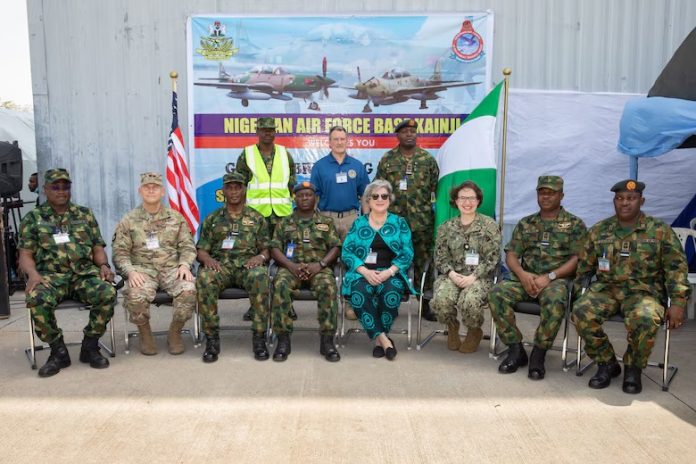
The strategic decision to relocate US military bases to Nigeria has sparked a significant debate among various stakeholders within the country. This move, which comes after the suspension of military agreements with the United States by Niger Republic, carries with it a multitude of implications that warrant careful consideration.

The United States military is recognized globally for its significant presence and influence. With approximately 750 bases in at least 80 countries, the U.S. maintains a vast network of military installations around the world. This extensive reach allows the U.S. to project power and engage in defense cooperation with numerous nations.

The U.S. military is often associated with its technological advancements and capabilities. It is known for having a sophisticated arsenal that includes advanced aircraft, naval vessels, and a wide array of defense systems. The military’s technological edge is a key component of its global reputation.

Moreover, the U.S. military is acknowledged for its role in international security and has been involved in various conflicts and peacekeeping missions. The presence of U.S. troops in strategic locations across the globe is a testament to the country’s commitment to global stability and its alliances.

From a geopolitical standpoint, the presence of foreign military bases on Nigerian soil could potentially alter the balance of power within the region. Nigeria’s strategic location in the Gulf of Guinea makes it an attractive site for military operations, particularly for countries like the United States and France, who are seeking to maintain their influence in the central zone of the Sahel.

However, this move is not without its detractors. Some Northern leaders have expressed their concerns, suggesting that such a relocation could compromise Nigeria’s sovereignty and internal security.

Economically, the establishment of US military bases could bring about infrastructural development and job opportunities. However, it also raises questions about the long-term economic impact and the potential dependency on foreign military spending. The bases could become focal points for Western intelligence and surveillance operations, which may not align with Nigeria’s national interests.

Socially, the presence of foreign troops could lead to cultural exchanges and increased security cooperation. Yet, there is also the risk of social unrest or opposition, as seen in the past with other countries hosting foreign military personnel.

The decision to allow the relocation of US military bases to Nigeria is complex and multifaceted. It involves weighing the benefits of enhanced security and international cooperation against the risks of losing autonomy over national affairs. As discussions continue, it is crucial for Nigerian leaders to consider the long-term implications for the country’s sovereignty, security, and regional stability.

For a more in-depth analysis, one can refer to the detailed reports and open letters by Northern scholars and leaders, which provide a comprehensive overview of the potential consequences of this strategic move. These documents highlight the historical context, the current geopolitical landscape, and the various perspectives of those directly affected by the decision.

However, the perception of the U.S. military is not uniform across the world. While it is seen positively in many advanced economies for its strength and technological prowess, there are also criticisms regarding its interventions and the impacts of its foreign policies. Trust in the military has seen fluctuations over the years, reflecting the complex nature of international relations and public opinion.

The relocation of US military bases to Nigeria is a topic of national importance that requires transparent dialogue and careful deliberation. The outcome of this decision will undoubtedly shape Nigeria’s role in regional and global affairs for years to come.

Fitch forecasts further rise in MPR, says around 30% of Nigeria’s FX reserves consist of FX bank swaps

0

Fitch Ratings, a leading global credit ratings agency, recently released its credit outlook for Nigeria, signaling a positive shift in the country’s sovereign credit default outlook from stable to positive. 

This positive outlook is attributed to recent reforms implemented in Nigeria’s monetary policy and oil and gas sector, which have garnered confidence from international observers.

One significant aspect highlighted in the report is the expectation of further increases in monetary policy rates by the Central Bank of Nigeria (CBN) in the second half of the year. This projection comes on the heels of the CBN’s proactive approach to monetary policy adjustments, including a substantial 600 basis points hike in the Monetary Policy Rate (MPR) to 24.75% since February 2024. 

The CBN’s recent actions indicate a commitment to strengthening monetary policy transmission, particularly evident in the resumption of open market operations at rates closely aligned with the MPR.

Furthermore, Fitch projects a moderation in inflation rates, which have been a major target of the MPR hikes by the CBN. Despite inflation rising to 33.2% year-on-year in March, driven partly by exchange rate pass-through and escalating food prices, Fitch anticipates inflation to average 26.3% in 2024 and further decline to 18.2% in 2025. These projections, while still above the projected ‘B‘ median of 4.5%, indicate a positive trajectory if monetary policy measures continue to be effective.

“Fitch anticipates further increases in the CBN monetary policy rate in 2H24 (following the 600bp hike to 24.75% since February 2024 alongside tightening of reserve requirements) and strengthening of monetary policy transmission, after the recent resumption of open market operations at rates closely aligned to the MPR.

“We project inflation, which rose to 33.2% yoy in March due partly to exchange rate pass-through and rising food prices, to average 26.3% in 2024 and 18.2% in 2025, still well above our projected ‘B’ median of 4.5%,” it said.

The projection follows recent efforts by the CBN to tame inflation through a series of monetary policy adjustments. Despite consecutive hikes in the MPR, inflation has remained stubbornly high, rising from 90% in January to 33.2% in March 2024, with food inflation reaching 40.01% in the same period. These challenges underline the urgency of the CBN’s measures to stabilize prices and restore confidence in the economy.

The report also highlights increased investor appetite for federal government and CBN securities, driven by rising yields exceeding 20% following the MPR hikes. The upcoming MPC meeting scheduled for May 20th and 21st, 2024, presents an opportunity for the CBN to reassess prevailing economic conditions and determine the appropriate course of action regarding monetary policy adjustments.

While Fitch’s credit outlook for Nigeria reflects cautious optimism, it acknowledges the effectiveness of recent reforms while recognizing ongoing challenges to mitigate inflation and foster economic stability.

About 30% of Nigeria’s external reserves consist of FX bank swaps

The recent analysis by Fitch Ratings also sheds light on Nigeria’s foreign exchange (FX) reserves, revealing crucial insights into the composition and management of these reserves. The agency estimates that approximately 30% of Nigeria’s external reserves consist of foreign exchange bank swaps, highlighting a significant portion of reserves tied up in these financial instruments.

This revelation underscores ongoing uncertainties surrounding Nigeria’s net FX reserves, compounded by opaque entries totaling nearly $32 billion in FX forwards, over-the-counter futures, and currency swaps. 

These off-balance sheet commitments, as reported in the Central Bank of Nigeria’s (CBN) consolidated financial statement for 2022, contribute to the lack of clarity over the precise size and composition of Nigeria’s FX reserves, posing challenges to the nation’s sovereign credit profile.

Despite these concerns, Fitch anticipates that most of the FX bank swaps will continue to be rolled over, providing some temporary stability in reserves’ management. However, the lack of transparency surrounding these financial instruments remains a significant constraint on Nigeria’s economic stability and creditworthiness.

Further insights from the report highlight a recent upswing in non-resident inflows into Nigeria, driven by increased formalization of FX activities and tighter monetary policy measures. This influx of foreign capital has contributed to a notable appreciation of the Naira at the official FX window, following a substantial 71% depreciation observed from June 2023 through mid-March 2024.

Despite this recovery, Fitch warns that the exchange rate remains volatile, posing risks to economic stability. The agency also notes a decline in Nigeria’s gross FX reserves from $34.4 billion in mid-March to $32.2 billion by the end of April. This reduction partly reflects debt repayments and FX sales to Bureau de Change operators aimed at bolstering the currency.

“Gross FX reserves fell to USD32.2 billion at end-April, from a peak of USD34.4 billion in mid-March, partly reflecting repayment of existing debt obligations, and FX sales to BDCs to support the currency,” it said.

However, Fitch projects a steady current account surplus averaging 0.5% of Gross Domestic Product (GDP) for 2024-2025, supported by modest increases in oil production and remittances. It also forecasts a further decline in FX reserves, which are projected to cover just 4.2 months of current external payments by the end of 2024, aligning with the ‘B’ median.

“Fitch projects a broadly flat current account surplus, averaging 0.5% of GDP in 2024-2025, supported by a modest rise in oil production and remittances.

“We forecast FX reserves to fall to 4.2 months of current external payments at end-2024 (‘B’ median 4.2), from 4.4 months at end-2023,” it said.

The Severance of ties between Russia and the Baltic countries

0
Visitors experiencing modern technologies from Russian companies and regions at the exhibition Source: Russia Expo, 2023

The recent developments in the Baltic region have brought to light the complexities of international relations and the delicate balance of diplomacy. The severance of ties between Russia and the Baltic countries—Lithuania, Latvia, and Estonia—marks a significant shift in the geopolitical landscape of Eastern Europe.

The Baltic states, once part of the Soviet Union, have been independent since its dissolution in 1991. Their integration into the European Union and NATO has been viewed with apprehension by Russia, which sees the expansion of Western influence in its former territories as a threat to its security and sphere of influence.

Since regaining independence from the Soviet Union, the Baltic states have made significant strides in aligning their foreign and security policies with Western institutions. Their integration into the European Union (EU) and the North Atlantic Treaty Organization (NATO) has been a testament to their commitment to democratic principles and collective security.

The security of the Baltic states is not only pivotal for their own sovereignty but also for the stability of the European continent. The region faces ongoing challenges, such as the assertive posture of neighboring Russia, which views the Baltic states’ independence and their active roles in NATO and the EU as threats to its security and influence.

In response to these challenges, the Baltic states have fostered closer cooperation among themselves and with Nordic countries, aiming to strengthen regional security and defense capabilities. This cooperation is crucial, considering the potential threats and the need for a unified stance against any form of aggression.

Furthermore, the presence of NATO forces in the Baltic region serves as a deterrent and a clear signal of the alliance’s commitment to defend its members. The principle of collective defense under Article 5 of the NATO treaty ensures that an attack on one is considered an attack on all, providing a security guarantee for the Baltic states.

The Baltic states’ role in Europe’s security is not just about their own defense; it’s about the broader principle of maintaining a Europe that is whole, free, and at peace. Their strategic location and historical ties underscore their importance as a linchpin in the security architecture of Europe, highlighting the interconnected nature of global security in the 21st century.

The current situation stems from what Russia describes as “hostile” actions by the Baltic countries. Moscow’s response, promising asymmetric measures, suggests a move away from traditional diplomatic channels towards more unconventional methods of engagement. This could potentially involve economic sanctions, cyber activities, or other forms of indirect confrontation.

The Baltic states, for their part, have expressed concerns over what they perceive as aggressive Russian behavior, including airspace violations and interference with GPS signals. These actions have raised alarms within NATO, pointing to a broader pattern of what the alliance terms “hybrid warfare” employed by Russia.

The tension in the Baltics is a microcosm of the larger post-Cold War dynamics that have defined the relationship between Russia and the West. The full-scale invasion of Ukraine by Russia in 2022 has only exacerbated these tensions, with the Baltic countries fearing for their own security and independence in light of a revisionist Kremlin.

The international community watches with bated breath as the situation unfolds, hoping for a resolution that maintains peace and stability in the region. The Baltic states, with their strategic location and historical ties to both East and West, play a pivotal role in the security architecture of Europe. How they navigate this latest challenge with Russia will have implications far beyond their borders.

America is Sitting on a Powder Keg

0

The phrase “sitting on a powder keg” is a powerful metaphor that describes a situation of potential danger and volatility. It’s often used to refer to a scenario where tensions are high, and the risk of escalation into conflict or chaos is significant. The metaphor suggests that like a keg of gunpowder, the situation could explode with a single spark, leading to unpredictable and potentially devastating outcomes.

In the context of America, this phrase has been used to describe various periods of intense political, social, or economic unrest. It reflects the sentiment that the nation is in a precarious position, where the decisions made, or the events that unfold, could have far-reaching and critical consequences.

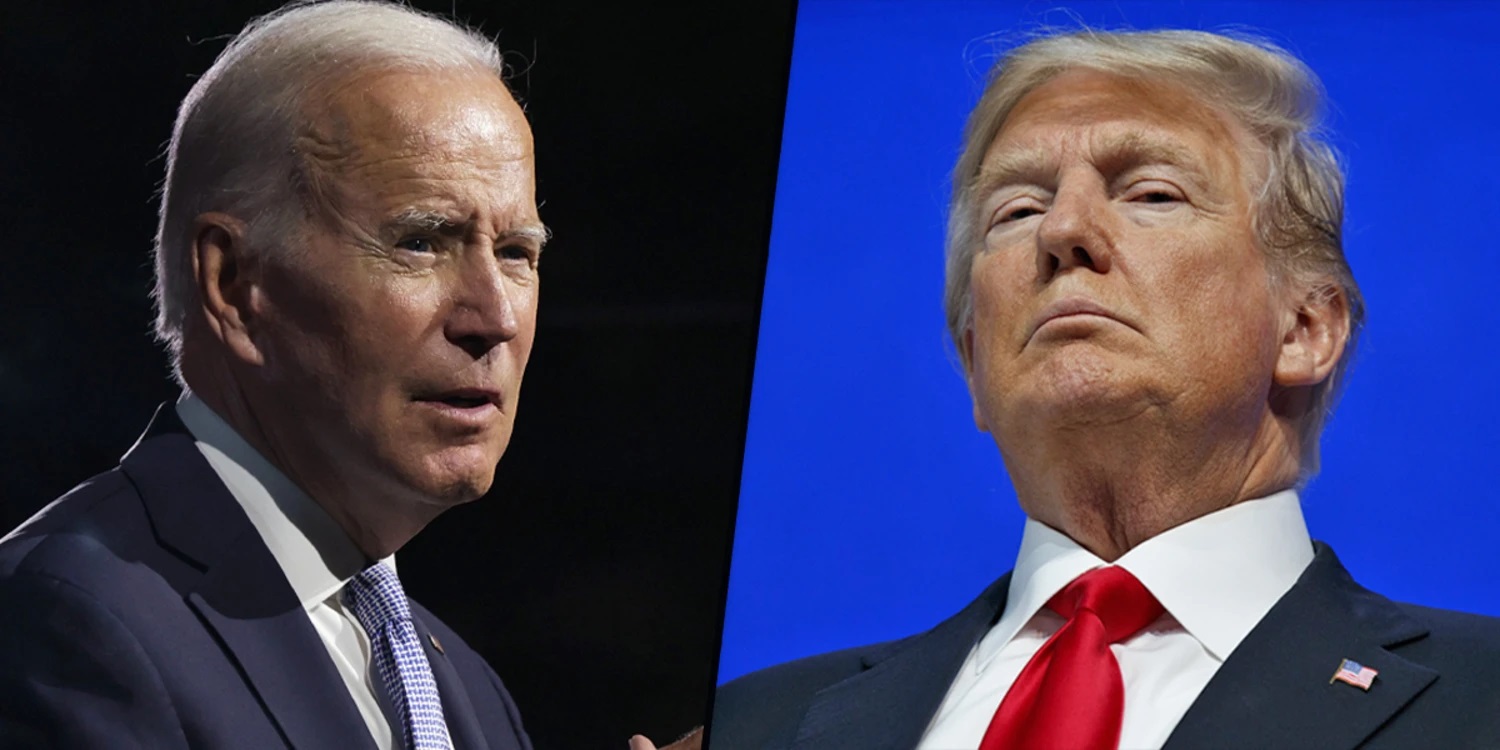
The metaphor is particularly relevant in times of elections, when the political atmosphere is charged, and the stakes are high. The election process is not just a matter of choosing leaders but also a reflection of the nation’s direction and values. It’s a time when the collective pulse of the country is felt, and the outcomes can set the tone for the years to follow.

The recent wave of student protests across American campuses has brought to light a number of pressing issues facing society today. These demonstrations, largely in response to international conflicts, have sparked a nationwide conversation about the role of dissent and the boundaries of peaceful protest.

The protests, which have seen students rallying for various causes, have also raised questions about the balance between freedom of speech and maintaining order on campus grounds. The involvement of non-students in these protests has added another layer of complexity, with authorities having to discern between genuine student activism and external influences.

As the situation continues to evolve, it is clear that universities are grappling with how to manage these protests in a way that respects the rights of students to express their views while ensuring the safety and security of the campus community. The outcome of these protests and the responses by university administrations may well set precedents for how similar situations are handled in the future.

The dialogue surrounding these events is a reminder of the vital importance of open discussion and the exchange of ideas in a democratic society. It underscores the need for institutions to foster environments where students can engage in meaningful activism without fear of undue repression or violence.

As the nation watches these developments unfold, it is hoped that constructive solutions can be found that uphold the principles of free expression and peaceful assembly, which are cornerstones of American democracy. The current climate on campuses may be tense, but it also presents an opportunity for society to reflect on its values and the ways in which it supports the next generation in making their voices heard on critical global issues.

Moreover, the phrase can also apply to international relations, where strategic decisions and alliances can tip the balance of power. In a globalized world, the actions of one nation can have a ripple effect, impacting the geopolitical landscape in profound ways.

It’s essential to approach such “powder keg” situations with a sense of responsibility and a desire for peaceful resolution. History has shown that it’s possible to defuse tensions and find common ground, even in the most challenging circumstances. It requires dialogue, empathy, and a commitment to the greater good.

The metaphor of America, or any other entity, “sitting on a powder keg,” serves as a reminder of the delicate nature of peace and stability. It’s a call to be vigilant, thoughtful, and proactive in preventing the metaphorical explosion that could arise from neglecting the signs of impending danger. Whether in domestic politics or international affairs, the goal should always be to navigate these tense situations with wisdom and foresight.