DD
MM
YYYY

PAGES

DD
MM
YYYY

spot_img

PAGES

Home Blog Page 3380

Implications of Nigeria Backing Down on Charges Against Binance Executive

0

The recent development in the case against a Binance executive in Nigeria has sent ripples through the financial and legal sectors, both within the country and internationally. Nigerian officials have dropped some of the charges against Tigran Gambaryan, a detained Binance executive, although he still faces prosecution.

This moves by Nigeria’s Federal Inland Revenue Service (FIRS) to drop tax charges against Binance executives has significant implications for the cryptocurrency industry and the legal precedents concerning international finance and taxation.

Firstly, the decision to drop charges could be seen as a gesture towards a more favorable environment for cryptocurrency operations in Nigeria. It may signal a shift in the government’s approach to regulating digital currencies, which have been under scrutiny for their potential to bypass traditional financial systems and controls. The initial charges, which included allegations of tax evasion and failure to file tax returns, highlighted the challenges governments face in tracking and taxing transactions within the cryptocurrency space.

Nigeria has become a focal point for cryptocurrency investments, a development that has caught the attention of the global financial community. This trend is driven by a combination of factors that make the country a fertile ground for digital currency transactions.

Firstly, Nigeria has a young, tech-savvy population that has embraced the digital revolution with open arms. With over 22 million cryptocurrency holders, representing about 10% of its population, Nigeria boasts a significant number of individuals who are familiar with and interested in digital currencies.

Secondly, the economic landscape of Nigeria has played a crucial role. The country has faced severe inflation and foreign exchange controls, which have eroded the purchasing power of the Nigerian Naira. In response, many Nigerians have turned to cryptocurrencies as a hedge against inflation and currency depreciation, seeking to preserve their wealth in a more stable and decentralized form of currency.

The recent decision by Nigerian authorities to drop tax evasion charges against Binance executives has significant implications for the cryptocurrency industry and the regulatory landscape in Nigeria. This move comes after a period of legal uncertainty for Binance.

The dismissal of these charges by the Federal High Court in Abuja represents a notable shift in the Nigerian government’s approach to cryptocurrency regulation and enforcement. Previously, the Federal Inland Revenue Service (FIRS) had accused the executives of tax evasion, which had led to heightened tensions between the Nigerian government and the cryptocurrency community.

The dropping of these charges could signal a more favorable environment for cryptocurrency operations in Nigeria, potentially encouraging innovation and investment in the sector. However, the dismissal of these charges could signal a shift in the regulatory landscape for digital currencies in Nigeria. It raises questions about the balance between fostering innovation and enforcing regulatory compliance.

However, it is important to note that while the tax evasion charges have been dropped, the executives still face money laundering charges from Nigeria’s Economic and Financial Crimes Commission (EFCC), with court proceedings set to resume on June 20. The initial charges, which included allegations of tax evasion, had put a spotlight on the regulatory environment surrounding cryptocurrencies in Nigeria.

The case against the Binance executives has been closely watched by the international community, as it touches upon broader themes of cryptocurrency regulation, international cooperation, and the challenges of navigating complex tax laws in a digital age. The Nigerian government’s decision to drop the charges may be interpreted as a move towards a more favorable stance on cryptocurrency operations.
Nigeria’s Inflation Rises to 33.95% in May 2024 Despite CBN’s Monetary Policy Tightening

0

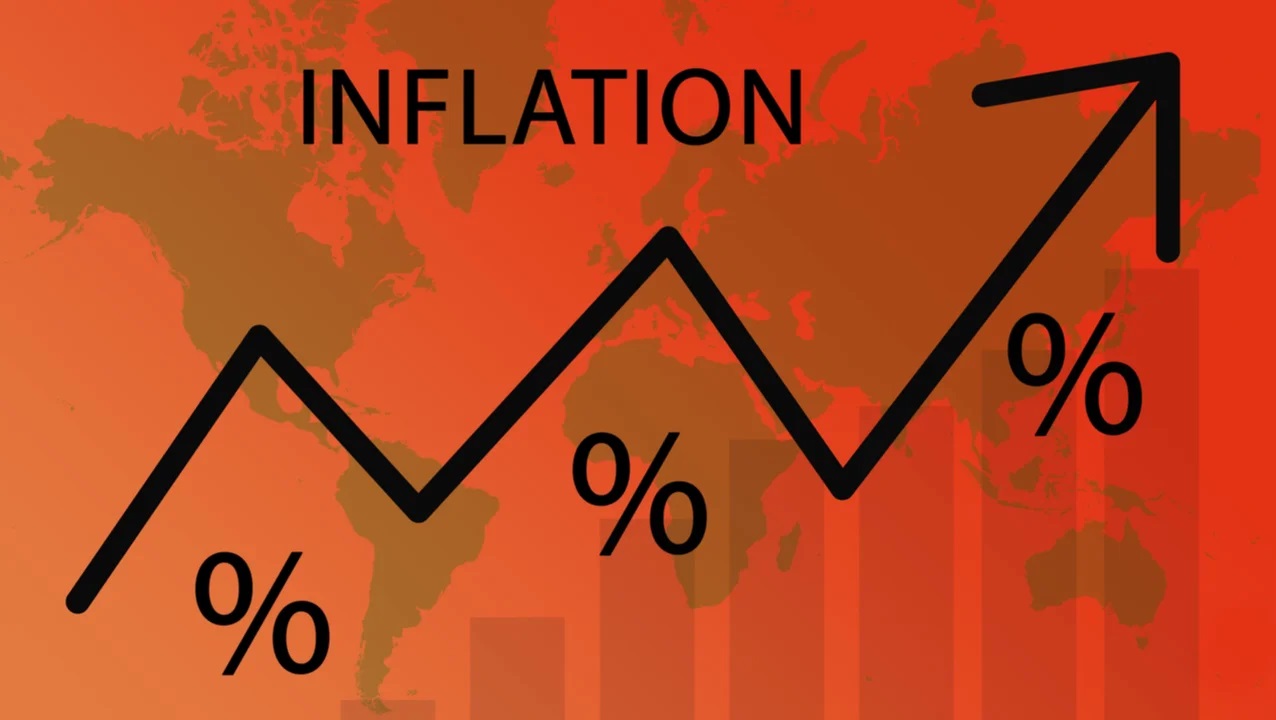
In May 2024, Nigeria’s headline inflation rate rose to 33.95%, up from 33.69% in April 2024, according to the latest Consumer Price Index (CPI) published by the Nigerian Bureau of Statistics (NBS).

This increase of 0.26 percentage points highlights the persistent inflationary pressures in the country, marking its highest rate in 28 years.

Year-on-year, the headline inflation rate increased by 11.54 percentage points, from 22.41% in May 2023 to 33.95% in May 2024. Despite this annual rise, the month-on-month inflation rate showed a slight decrease, falling to 2.14% in May 2024 from 2.29% in April 2024. This indicates a slower rate of increase in the average price level for May compared to April.

The twelve-month average CPI ending May 2024 saw a significant rise of 29.06%, a 7.86 percentage point increase from the 21.20% recorded in May 2023. This data reflects the broader inflationary trends affecting the Nigerian economy over the past year.

“The percentage change in the average CPI for the twelve months ending May 2024 over the average of the CPI for the previous twelve-month period was 29.06%, showing a 7.86% increase compared to 21.20% recorded in May 2023,” the NBS said.

Urban inflation in May 2024 was notably higher, reaching 36.34% year-on-year, up from 23.74% in May 2023. On a month-on-month basis, urban inflation fell slightly to 2.35% from 2.67% in April 2024. The twelve-month average for urban inflation was 31.07%, up from 21.95% in the previous year.

Rural inflation also increased, hitting 31.82% year-on-year in May 2024, compared to 21.19% in May 2023. Month-on-month, rural inflation saw a marginal rise to 1.94% from 1.92% in April 2024. The twelve-month average for rural inflation was 27.27%, higher than the 20.50% recorded in May 2023.

“The corresponding twelve-month average for the Urban inflation rate was 31.07% in May 2024. This was 9.12% points higher compared to the 21.95% reported in May 2023,” the NBS data said.

Food inflation soared to 40.66% year-on-year in May 2024, significantly higher than the 24.82% recorded in May 2023. The increase was driven by rising prices in key food items such as semovita, oatflakes, yam flour, garri, beans, Irish potatoes, yams, palm oil, vegetable oil, stockfish, mudfish, crayfish, beef, chicken, pork, and bush meat. However, on a month-on-month basis, food inflation decreased to 2.28% from 2.50% in April 2024. The twelve-month average for food inflation was 34.06%, up from 23.65% in May 2023.

The NBS noted that “The average annual rate of Food inflation for the twelve months ending May 2024 over the previous twelve-month average was 34.06%, which was 10.41% points increase from the average annual rate of change recorded in May 2023 (23.65%).”

Core inflation, excluding volatile agricultural products and energy, stood at 27.04% year-on-year in May 2024, up from 19.83% in May 2023. This was driven by increases in the prices of rent, intercity bus journeys, taxi rides, accommodation services, and medical services. Month-on-month, core inflation also fell to 2.01% from 2.20% in April 2024. The twelve-month average core inflation rate was 23.45%, higher than the 18.11% recorded in May 2023.

The CPI report also highlights regional variations in inflation rates. Bauchi recorded the highest year-on-year inflation rate at 42.30%, followed by Kogi at 39.38% and Oyo at 37.73%. Conversely, Borno, Benue, and Delta had the slowest year-on-year inflation rises at 25.97%, 27.74%, and 28.67%, respectively. Month-on-month, Kano saw the highest increase at 4.24%, while Ondo, Kwara, and Yobe recorded the slowest rises at 0.57%, 1.19%, and 1.24%, respectively.

Food inflation was highest in Kogi at 46.32%, followed by Ekiti at 44.94% and Kwara at 44.66%. The slowest rises were in Adamawa, Bauchi, and Borno at 31.72%, 34.35%, and 34.74%, respectively. On a month-on-month basis, Gombe, Kano, and Bayelsa saw the highest increases in food inflation, while Ondo, Yobe, and Adamawa recorded the slowest rises.

Why Efforts to Curb the Tide Are Not Yielding Results

Nigeria’s inflation rate continues to rise despite various efforts by the government to stabilize the economy. This persistent rise in inflation is a significant cause of concern for both policymakers and the general populace, as it compounds the economic hardship faced by many Nigerians.

The Nigerian government, through the Central Bank of Nigeria (CBN), has implemented several measures to curb inflation. One of the key strategies has been the continuous raising of interest rates. The CBN has repeatedly increased the Monetary Policy Rate (MPR) to reduce money supply and curb inflationary pressures. Higher interest rates are intended to make borrowing more expensive, thereby reducing consumer spending and slowing down inflation.

However, despite these efforts, inflation has continued to rise.

In recent advisories, the World Bank has warned that simply raising interest rates and other monetary tightening measures are insufficient to curb inflation in Nigeria. The global financial institution has pointed out that Nigeria’s inflation is driven by structural issues that cannot be addressed by monetary policy alone. The World Bank has advised the Nigerian government to focus on the underlying factors contributing to inflation.

One of the main drivers of inflation in Nigeria is insecurity, particularly in the northern regions of the country. Insecurity has severely inhibited farming activities, leading to disruptions in food supply and consequent increases in food prices. The rise in food inflation, which stood at 40.66% year-on-year in May 2024, is a clear indication of how critical the agricultural sector is to the overall inflation picture.

The frequent attacks by insurgent groups and bandits have made it difficult for farmers to cultivate and harvest crops, reducing food production and driving up prices.

To effectively tackle inflation, the Nigerian government has been advised to address these core issues. Experts said that improving security in farming regions is paramount to boosting agricultural productivity and stabilizing food prices. In addition to security, the government has been reminded of the need for investment in agricultural infrastructure, support for farmers, and policies that enhance food supply chains.

The government has also been urged to enhance economic diversification and reduce dependency on oil revenues. Economists advised that by developing other sectors such as manufacturing and services, the economy can become more resilient and less vulnerable to external shocks.

Diversification efforts would not only create jobs but also help stabilize the economy, thereby reducing inflationary pressures, they said.

They further said that fiscal policies need to be aligned with these structural reforms, emphasizing that government spending should prioritize critical infrastructure, healthcare, education, and economic projects that can stimulate sustainable growth and development.

Nigeria Signs $3bn MoU with Afreximbank for Industrialization Financing Facility

0

In a move geared towards economic diversification and industrial development, Nigeria’s federal government signed a Memorandum of Understanding (MoU) with the African Export-Import Bank (Afreximbank) to establish a $3 billion Nigeria Industrialisation Financing Facility.

The signing took place on the sidelines of the ongoing Afreximbank Annual Meetings (AAM) 2024 in Nassau, The Bahamas, with Minister of Industry, Trade, and Investment, Dr. Doris Udoka-Anite, representing Nigeria.

The agreement aims to create special economic and agro-processing zones across Nigeria, expected to generate approximately 20,000 jobs. The financing facility will support several key sectors, including the automotive industry and the Compressed Natural Gas (CNG) value chain, promoting the development of cleaner alternatives to traditional fuels.

The package also includes technical and financial support for a diaspora investment fund framework, encouraging investments from the Nigerian diaspora.

In partnership with Arise IIP and Afreximbank, the MoU aims to revamp Nigeria’s cotton and textile industry, once a significant contributor to the economy in the 1980s and 1990s. This effort is expected to attract over $2 billion in investments and create thousands of jobs, revitalizing the country’s manufacturing capabilities. The facility will also support state-wide investment projects focused on the healthcare sector, ensuring technical viability and improving healthcare infrastructure across Nigeria.

“This is going to cut across the cotton belt in Nigeria and also create a lot of jobs in Nigeria’s core strength in terms of cotton and textile production which used to be the pride of the country 1980s and 1990s. So, we are bringing it back and working together to get that done,” Afreximbank announced.

This partnership is part of the Nigerian government’s commitment to economic diversification, moving away from an over-reliance on oil revenues.

The MoU with Afreximbank follows closely on the heels of another significant financial intervention by the World Bank, which approved a total of $2.25 billion to support Nigeria’s economic reforms and non-oil resource mobilization. The World Bank’s support includes $1.5 billion for the Nigeria Reforms for Economic Stabilization to Enable Transformation (RESET) Development Policy Financing Program (DPF), aimed at strengthening Nigeria’s economic policy framework, creating fiscal space, and protecting the poor and vulnerable.

Additionally, $750 million has been allocated for the Nigeria Accelerating Resource Mobilization Reforms (ARMOR) Program-for-Results (PforR), focused on tax and excise reforms, improving tax revenue and customs administration, and safeguarding oil revenues.

Concern over rising public debt lingers

Despite these promising financial packages, there is growing concern among Nigerians about the government’s spending patterns. Historically, the government has been criticized for its extravagant expenditures, particularly for the luxurious lifestyles of public officeholders.

Recently, the House of Representatives Committee on National Security and Intelligence recommended the purchase of new aircraft for President Bola Tinubu and Vice President Kashim Shettima, citing the current fleet’s poor condition. This recommendation has raised alarms that a portion of the financial support from international institutions could be diverted to fund these high-cost purchases, neglecting the primary goals of economic stabilization and support for the vulnerable population.

Such moves have sparked debates about the government’s priorities, especially at a time when inflation has significantly eroded spending power, crippling economic activities and making it difficult for businesses and ordinary citizens to thrive.

Adding to the public’s concern is Nigeria’s rising debt profile, which has become a significant issue. The government is currently spending more than 90 percent of its revenue on debt servicing, a situation that severely limits the ability to fund critical infrastructure, education, healthcare, and other essential economic projects. The heavy debt burden deprives the country of necessary investments in sectors that could drive long-term growth and improve the quality of life for its citizens.

While the $3 billion MoU with Afreximbank represents a significant step towards Nigeria’s industrial and economic development, economic experts say to truly benefit from this and other financial support packages, the Nigerian government must ensure transparency and accountability in the use of funds. They note that prioritizing the intended economic reforms and support for the poor will be crucial in restoring public trust and achieving sustainable growth.

Elon Musk Retains His $56 Billion Compensation Trophy!

0

Elon Musk: 1

Delaware Court: 0.

“In a remarkable show of support, Tesla shareholders have ratified CEO Elon Musk’s colossal 2018 pay package, which was originally valued at up to $56 billion in Tesla stock. This vote, coming just five months after a Delaware judge ordered the package to be rescinded, underscores the complicated and contentious nature of Musk’s compensation and leadership.” (source)

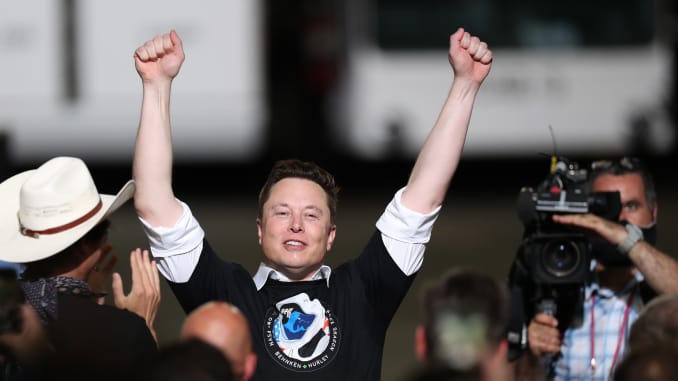
Following the announcement of the preliminary voting results, Musk took the stage with characteristic exuberance. “I just want to start off by saying hot d—! I love you guys,” he exclaimed, reflecting the palpable support from shareholders.

The vote came on the heels of a tumultuous year for Tesla. The company’s stock, despite a recent 2.9% uptick, remains down 27% for the year. Tesla is grappling with declining sales due to an aging lineup of electric vehicles and intensified competition in China.

The annual meeting also included votes on several other proposals, notably Musk’s initiative to move Tesla’s site of incorporation from Delaware to Texas. Shareholders approved the relocation, aligning the company’s legal base with its largest U.S. factory.

Congrats Musk – a labourer deserves his wage. You delivered the numbers which no human believed was possible. While I am against abnormal executive compensation, but on this one, it is not on you. Tesla was worth nothing when they made the deal, and because it was made, it should be taken to the conclusion. A court has no role to play here.

Indeed, there are many companies which will want their CEOs to take them from $45 billion to $800 billion in three years so that they can pay the CEO $56 billion. Yet, I concede that it could be done without the huge payment. Nonetheless, for the fact that it was agreed upon, it must be paid! The shareholders did the right thing by reaffirming it.

Tesla Shareholders Reaffirm Elon Musk’s $56 Billion Pay Package


Tesla Shareholders Reaffirm Elon Musk’s $56 Billion Pay Package

0
Elon Musk

In a remarkable show of support, Tesla shareholders have ratified CEO Elon Musk’s colossal 2018 pay package, which was originally valued at up to $56 billion in Tesla stock.

This vote, coming just five months after a Delaware judge ordered the package to be rescinded, underscores the complicated and contentious nature of Musk’s compensation and leadership.

The Origin of the Pay Package

The story of Musk’s 2018 compensation plan began with an ambitious vision: to incentivize Musk to transform Tesla into one of the most valuable companies in the world. The package set twelve performance milestones, each tied to a $50 billion increase in Tesla’s market capitalization. If all goals were met, Musk would receive 20.3 million stock options in twelve tranches, ultimately granting him the potential to earn over $50 billion if Tesla’s market cap grew to $650 billion. At the time, Tesla’s market capitalization was around $59 billion.

However, the lavish pay plan quickly came under scrutiny, leading to a lawsuit. Critics argued that it was excessive and not properly aligned with shareholder interests. Concerns were raised about the independence of Tesla’s board members, who many believed were too closely aligned with Musk. Moreover, the process through which the package was approved lacked transparency, with shareholders not fully informed before voting on it.

The Legal Battle

In January 2024, Delaware’s Court of Chancery Judge Kathaleen McCormick invalidated the pay package, describing it as “unfathomable” and criticizing Tesla’s board for failing to act independently and negotiate at arm’s length with Musk. The court ruled that the board did not adequately disclose information to shareholders, thus undermining the integrity of the approval process.

Tesla shareholders voted to ratify the pay package in a move that, while not legally overriding the court’s decision, strengthens Musk’s position. The vote occurred during Tesla’s annual meeting in Austin, Texas, where 77% of voting shareholders expressed support for the compensation plan.

Musk’s Response and Tesla’s Trajectory

Following the announcement of the preliminary voting results, Musk took the stage with characteristic exuberance. “I just want to start off by saying hot d—! I love you guys,” he exclaimed, reflecting the palpable support from shareholders.

The vote came on the heels of a tumultuous year for Tesla. The company’s stock, despite a recent 2.9% uptick, remains down 27% for the year. Tesla is grappling with declining sales due to an aging lineup of electric vehicles and intensified competition in China.

The annual meeting also included votes on several other proposals, notably Musk’s initiative to move Tesla’s site of incorporation from Delaware to Texas. Shareholders approved the relocation, aligning the company’s legal base with its largest U.S. factory.

The Polymath and His Challenges

Musk’s far-reaching influence extends beyond Tesla. He remains CEO of SpaceX and Neuralink, and last year, he launched xAI, a new company focused on developing large language models and an AI chatbot named Grok. Despite these commitments, Musk assured Tesla shareholders of the company’s significant progress on vehicle autonomy, predicting that this technology could “10x the value of the company.”

He also outlined ambitions for a ride-hailing network populated with self-driving Teslas, likening it to an Airbnb model where owners could add or remove their cars from the fleet. Regarding the Cybertruck, Musk noted that deliveries are increasing, with a recent weekly record of 1,300 shipments.

In addition, Musk promised that Tesla would begin “limited production” of its humanoid robot, Optimus, in 2025, with plans to test the robots in its factories next year. He envisioned having “over 1,000, or a few thousand” Optimus robots working at Tesla in the near future.

Support and Opposition

While major institutional investors like BlackRock and Vanguard backed Musk’s compensation package, other significant investors, such as Norway’s $1.7 trillion sovereign wealth fund and the California State Teachers’ Retirement System, opposed it. They cited concerns over its size and structure, arguing that it was disproportionate and lacked proper alignment with shareholder interests.

The shareholder vote, however, does not resolve all corporate governance issues at Tesla. Dissatisfied shareholders could challenge the vote’s legality in Delaware, the same court that previously voided Musk’s 2018 compensation plan. In the ruling that voided the pay package, Musk was accused of using “strong-arm, coercive tactics” to secure votes for the compensation and relocation proposals, suggesting that the latest approval process may still face legal scrutiny.