DD
MM
YYYY

PAGES

DD
MM
YYYY

spot_img

PAGES

Home Blog Page 3390

10 Ways to Overcome Nigeria’s Fuel Scarcity and Electricity Tariff Issues

3

Businesses and individuals have been enduring various sorts of hardship for several days as a result of the Federal Government’s announcement of an increase in electricity tariffs for certain customers. According to the government, the hike is essential because it was last reviewed in 2020, and the proceeds would help electricity distribution companies recover expenses and boost investments. 

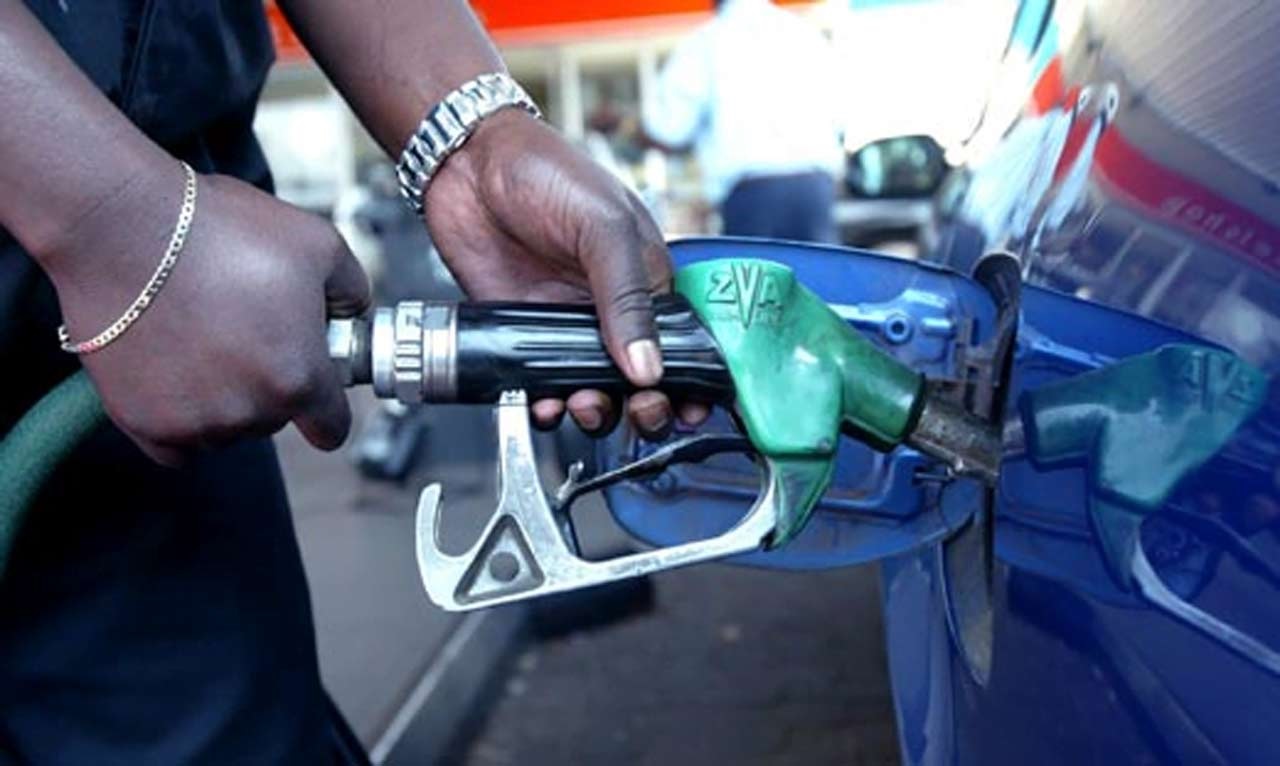
While businesses and individuals strive to figure out how to deal with the aftermath of the energy bill hike, a petroleum shortage has emerged, adding new dimensions to existing issues. Report has it that  Nigeria’s sole supplier of petroleum products, NNPCL, faces challenges due to logistics and vessel problems. A breach in the international supply chain could impact domestic supply, as Nigeria relies on imports.

Refineries in Europe are also undergoing maintenance, making sourcing petroleum products difficult. The CEO of NNPC Group assures that improvements in the supply chain will be made as vessels arrive. Once supply sufficiency is distrusted, it takes two to three months to restore it. NNPC expects to restore supply by next week and normalcy to return within another week. 

Meanwhile, our analyst offers ten strategic ways for businesses and individuals to overcome the energy crisis. Our analyst points out that electricity rate increases and fuel scarcity can be daunting for both enterprises and consumers. However, with strategic planning and flexible tactics, it is possible to limit the effects while remaining profitable. 

Energy Efficiency Measures

Invest in energy-efficient equipment and machinery to lower your electricity consumption. Use energy-saving methods include shutting off lights and equipment when not in use. 

Negotiate Contracts

Negotiate contracts with suppliers for bulk purchases to gain better rates during a fuel shortage. Investigate long-term arrangements with electricity providers to offset the effects of rate increases.

Diversify Energy Sources

Diversify your energy sources by introducing renewable energy options such as solar panels or wind turbines. Investigate hybrid energy systems, which blend traditional and alternative sources for dependability.

Supply Chain Optimization

Optimize supply networks to reduce dependency on petroleum-powered transportation. Consider other modes of transportation, such as rail or marine freight, where possible.

Invest in Storage Solutions

Invest in fuel storage facilities to store petrol at times of scarcity. To avoid stockouts, implement efficient inventory management procedures.

Adapt Business Models

Adapt business models to account for volatility in energy supply and pricing. Consider remote work possibilities to lessen your reliance on office electricity during peak tariff periods.

Advocate for Change

Participate in advocacy campaigns to solve structural factors that contribute to energy challenges. Collaborate with industry associations and government agencies to promote policy changes and infrastructural improvements.

Emergency Preparedness

Create contingency preparations to reduce the effect of unexpected energy shortages or price increases. Maintain emergency fuel supplies and backup generators for vital operations.

Customer Education

Educate customers on the obstacles that businesses face as a result of energy issues. To efficiently control costs, communicate any essential changes to pricing or services in a transparent manner.

Community Collaboration

Collaborate with local communities to exchange resources and help one another amid energy shortages. Consider collective purchase agreements for energy sources to take advantage of economies of scale.

BlockDAG’s Viral Rise With 30,000X ROI Prospects In 2024; More On Cardano and Fantom Movements

0

BlockDAG has carved out a significant niche in the 2024 cryptocurrency landscape, accruing a notable $21.6 million from its presale, highlighting its potential as an influential Cardano alternative and outperforming Fantom’s projections. This comprehensive summary delves into BlockDAG‘s remarkable presale success and examines the performances of Cardano and Fantom, key players in the crypto market.

Cardano’s Steadfast Market Position

Despite a period of market stagnation, Cardano continues to stand out with its strong emphasis on sustainability, scalability, and interoperability. These characteristics ensure Cardano remains a strong contender, distinguished by a well-rounded development strategy that promises to keep it relevant in the ever-evolving cryptocurrency domain.

Cardano’s resilience is evident as it maintains a solid foundation and continuous innovation within its ecosystem, equipping it to adeptly manage market challenges. This positions Cardano as a robust alternative for future crypto investments.

Fantom’s Resilient Performance Amidst Market Fluctuations

Fantom has demonstrated notable resilience, registering a 3.54% increase against Bitcoin during a recent surge, despite a significant drop over the preceding month. The optimistic forecasts for Fantom are supported by its recovery in the past quarter.

In the context of the current Bitcoin halving cycle, Fantom shows a promising long-term perspective with a 69.36% year-on-year growth. The predictions for Fantom anticipate a 26.61% rise in its value, potentially elevating its price to nearly $0.917761, buoyed by critical support and resistance levels.

BlockDAG’s Unprecedented $21.6M Presale Triumph

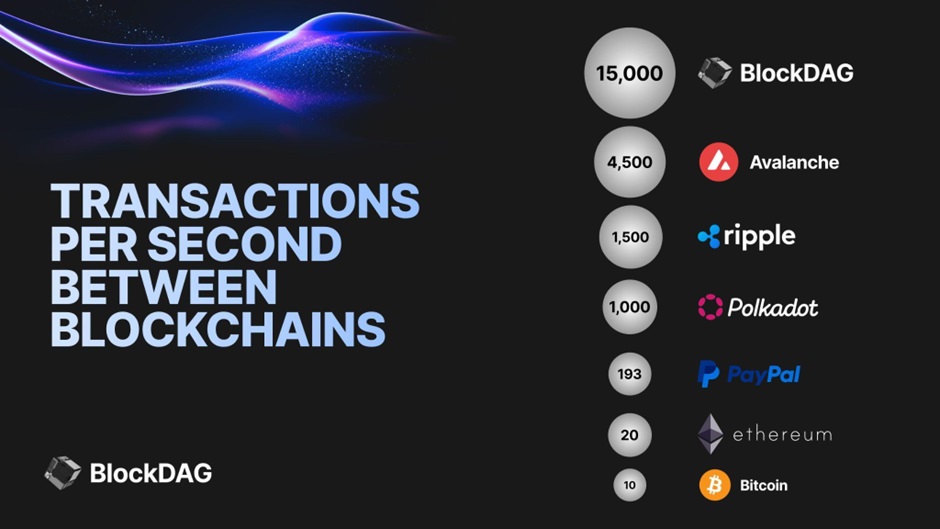
BlockDAG has significantly advanced blockchain technology with its innovative DAG architecture, which improves transaction speed and security. Throughout its tenth presale phase, BlockDAG has successfully attracted considerable investment, with over $21.6 million garnered, showcasing immense market trust in its potential. Currently priced at $0.006 per coin, BlockDAG offers an exceptional long-term investment opportunity, with projections suggesting a potential increase to $30 per coin by 2030.

The ongoing presale provides early investors with affordable access to BDAG coins, paving the way for significant future returns. With more than 5,000 having been sold, the network’s expansion and the rising demand for its capabilities are evident. This phase of investment secures a large volume of tokens at a lower price, offering a lucrative entry point into a promising financial future.

The BlockDAG Edge: Leading the Crypto Race in 2024

As digital currencies continue to transform, BlockDAG positions itself at the forefront of the 2024 cryptocurrency scene, surpassing Cardano and Fantom in performance and investment appeal. With $21.6 million raised in its presale and 8.2 billion coins distributed, BlockDAG’s strategic moves, including significant events like the Shibuya keynote and the release of DAGpaper v2, forecast an extraordinary 30,000x return on investment. This makes BlockDAG an essential consideration for investors aiming for exponential growth within the dynamic crypto market.


Join BlockDAG Presale Now:

Website: https://blockdag.network

Presale: https://purchase.blockdag.network

Telegram: https://t.me/blockDAGnetworkOfficial

Discord: https://discord.gg/Q7BxghMVyu

Australia’s Spot Bitcoin Exchange-Traded Funds, South Africa’s Crypto Policy

6

In a significant move that could reshape the investment landscape, Australia is poised to approve its first spot Bitcoin Exchange-Traded Funds (ETFs) this year. This development, as reported by Bloomberg, marks a pivotal moment for cryptocurrency’s integration into mainstream finance and could unlock billions in institutional investment.

The Australian Securities Exchange (ASX), which dominates the country’s equity market with a 90% share, is at the forefront of this financial innovation. With the anticipated approval, Australia joins a select group of countries, including the US and Hong Kong, that offer regulated Bitcoin funds. This decision is expected to pave the way for a surge in institutional investment, providing a robust platform for investors to gain exposure to Bitcoin without the complexities of direct ownership.

Several firms, such as Monochrome Asset Management and BetaShares, are in the queue awaiting the green light from the ASX and Cboe Australia. The approval process has been meticulous, ensuring that these financial instruments meet the stringent regulatory standards required for such a groundbreaking offering.

The momentum for Bitcoin ETFs in the Asia-Pacific region has been building, especially after the U.S. approvals. Hong Kong recently gave the nod to the first batch of spot bitcoin and ether ETFs, signaling a growing acceptance of cryptocurrency-based financial products. Australia’s move to introduce spot Bitcoin ETFs is not just a local phenomenon but part of a larger, global shift towards embracing digital assets within regulated financial systems.

The introduction of spot Bitcoin ETFs is expected to provide a more accessible and secure avenue for investors, mitigating some of the risks associated with cryptocurrency markets. By offering a regulated, exchange-traded product, investors can rely on established mechanisms for trading and custody, which are crucial for investor protection.

Spot Bitcoin ETFs are likely to increase the liquidity of Bitcoin. With ETFs facilitating large-scale buying and selling, the market could see a more fluid exchange of Bitcoin, potentially leading to greater price stability.

The introduction of Spot Bitcoin ETFs could drive up the demand for Bitcoin in Australia, as it becomes accessible to a broader range of investors, including those in traditional financial markets who may have been hesitant to invest in cryptocurrencies directly.

With increased liquidity and new investors entering the market, the volatility of Bitcoin’s price may decrease. This could make Bitcoin a more attractive investment for those who are risk averse.

The approval of Spot Bitcoin ETFs in Australia is poised to have a profound impact on the cryptocurrency market. It could lead to increased legitimacy, liquidity, and stability while attracting a new wave of investors. As the market continues to mature, Spot Bitcoin ETFs could play a pivotal role in shaping the future of cryptocurrency investments.

As the global financial ecosystem evolves, Australia’s decision to integrate spot Bitcoin ETFs into its market structure reflects a forward-thinking approach to financial innovation. This move could significantly influence the cryptocurrency market, potentially leading to increased liquidity, price stability, and broader adoption of digital assets as a legitimate asset class.

The anticipation surrounding the approval of spot Bitcoin ETFs in Australia is palpable, and the implications for the financial sector are profound. As we await the final decision, the eyes of the world are in Australia, watching as it takes a bold step into the future of finance.

The cryptocurrency market is on the cusp of a transformative era with the anticipated approval of Spot Bitcoin Exchange-Traded Funds (ETFs) in various countries, including Australia. This move is expected to have a significant impact on the market dynamics of cryptocurrencies, particularly Bitcoin.

South Africa’s Election and Crypto Policy

As South Africa approaches a pivotal moment in its political history with the general elections set for May 29, the crypto industry watches with bated breath. However, industry watchers are confident that the election will not disrupt the country’s progressive crypto policy.

In recent years, South Africa has emerged as a forward-thinking player in the cryptocurrency space. The establishment of a licensing regime for crypto firms is a testament to the country’s commitment to embracing digital assets. This regime is expected to grant 60 licenses to crypto firms, signaling a robust regulatory framework that aligns with global trends.

The Financial Sector Conduct Authority (FSCA) has been instrumental in this development, bringing crypto providers into the scope of the Financial Advisory and Intermediary Services Act in 2022. This moves to regulate digital assets as financial products demonstrates a clear, strategic vision for the future of finance in South Africa.

Despite the potential for political upheaval, with the African National Congress (ANC) facing challenges to its 30-year majority, experts believe that the crypto policy will remain unaffected. The independence of the South African Reserve Bank and FSCA from political influence has been a cornerstone of the country’s stability in this area.

Looking ahead, South Africa’s National Treasury has indicated that the Intergovernmental Fintech Working Group will explore use cases for stablecoins and the impact of tokenization on domestic markets. A discussion paper outlining the regulatory implications of tokenization and blockchain-based financial market infrastructure is anticipated by December.

The IFWG’s analytical work is expected to culminate in a discussion paper by December, which will outline the regulatory implications of tokenization and blockchain-based financial market infrastructure. This move aligns with South Africa’s broader strategy to embrace technological innovation in finance, following the previous year’s declaration of crypto as a financial product and the commencement of registering crypto asset service providers.

As the world watches, South Africa’s journey could set a precedent for other nations looking to navigate the complex interplay between technology and finance. With a clear vision and structured approach, the IFWG’s efforts may very well pave the way for a more inclusive and advanced financial system in South Africa and beyond.

The implications of these developments are far-reaching. They signal a shift towards a more digitized economy and a willingness to adapt to the rapid changes in the global financial ecosystem. For investors, entrepreneurs, and everyday consumers, the exploration of stablecoins and tokenization by South Africa’s National Treasury and the IFWG represents a step towards a future where finance is more accessible, efficient, and secure.

As the IFWG continues its work, it will be crucial to maintain a balance between innovation and consumer protection, ensuring that the benefits of these technologies are realized while mitigating the inherent risks. The eyes of the world will be on South Africa as it navigates this new frontier, potentially setting a benchmark for others to follow.

Bitcoin ETF Inflows: A Temporary Pause, Not a Negative Trend – Bernstein

0

The investment world has been closely monitoring the recent developments in Bitcoin ETF inflows. A report from Bernstein, a prominent brokerage firm, has provided a fresh perspective on this matter. According to Bernstein, the observed slowdown in Bitcoin ETF inflows represents a temporary pause rather than the onset of a negative trend.

This analysis comes at a time when the cryptocurrency market is witnessing significant attention from both retail and institutional investors. The introduction of Bitcoin ETFs was seen as a milestone that would potentially bring a new level of maturity and stability to the crypto market. However, the initial enthusiasm has been met with a period of reduced inflow, causing some concern among investors.

Slowdown in bitcoin ETF inflows is a short-term pause and not the beginning of a negative trend, broker Bernstein wrote in a research report on Monday. “There is a natural gestation time to bitcoin becoming an acceptable portfolio allocation recommendation and the platforms establishing the compliance framework to sell bitcoin ETF products,” analysts Gautam Chhugani and Mahika Sapra wrote.

The broker added that there is no clear momentum up or down in bitcoin, which has been largely range-bound since the halving. Bernstein’s expectation is that BTC hits a cycle high of $150,000 by 2025, owing to “unprecedented ETF demand inflows.”

Bernstein’s report suggests that this slowdown is part of a natural gestation period as investment platforms establish the necessary compliance frameworks to sell Bitcoin ETF products. The firm maintains its projection of a Bitcoin cycle high by 2025 of $150,000, reinforcing their conviction in the face of unprecedented ETF demand inflows.

The report also sheds light on the post-halving phase of the Bitcoin mining cycle, which remains healthy with leading players continuing to consolidate market shares. Despite the halving event slowing the rate of growth in Bitcoin supply, network fees have normalized at a healthy 10% of miners’ revenues, indicating a robust ecosystem.

The current consolidation phase in Bitcoin’s price is likened to “the calm before the storm,” suggesting that a potential upswing could be on the horizon. This aligns with the views of cryptocurrency analysts who have long anticipated that the introduction of Bitcoin ETFs could drive Bitcoin’s price to new heights, possibly even surpassing that of gold.

While the slowdown in Bitcoin ETF inflows may have caused some initial unease, the insights from Bernstein provide a reassuring outlook. The firm’s analysis points to a short-term pause that is likely to precede further integration of Bitcoin ETFs into the financial landscape. As the market continues to evolve, it will be crucial for investors to stay informed and adapt to the changing dynamics of cryptocurrency investments. For those interested in delving deeper into Bernstein’s findings, the full report offers a comprehensive analysis of the current state and future prospects of Bitcoin ETFs.

Trump Mugshot Edition is an Intersection of NFT and Bitcoin Ordinals

2

The world of digital assets is continually evolving, with non-fungible tokens (NFTs) and Bitcoin ordinals creating new avenues for collectors and investors. A recent development in this space involves the “Mugshot Edition” NFTs associated with Donald Trump. This unique collection has garnered attention due to its integration with Bitcoin ordinals, a concept that inscribes images or other data onto individual Satoshi’s on the Bitcoin blockchain.

The “Mugshot Edition” NFTs were released as part of a broader collection of digital trading cards featuring the former U.S. president. Collectors who acquired 47 or more of these NFTs in a single transaction were promised additional perks, including exclusive Bitcoin ordinals. These ordinals serve as a digital representation of ownership and authenticity, further enhancing the value of the NFTs.

The decision to inscribe 160 images of Donald Trump on Bitcoin ordinals was a strategic move by the creators of the “Mugshot Edition” NFTs. It not only provided a unique selling point but also tapped into the growing interest in Bitcoin’s potential as a platform for tokenized assets. This initiative has set a precedent for how traditional NFTs can be augmented with Bitcoin ordinals, offering a new layer of exclusivity and collectability.

The collectors who minted these NFTs have been rewarded with a piece of digital history. The Bitcoin ordinals associated with the “Mugshot Edition” NFTs are reserved for those who made significant investments in the collection. This exclusivity has created a buzz in the NFT community, with discussions around the implications for the future of digital collectibles.

Donald Trump’s perspective on Bitcoin and blockchain technology has been a subject of much discussion and evolution over the years. Initially, Trump expressed skepticism about cryptocurrencies, labeling Bitcoin as a “scam” and expressing a preference for the U.S. dollar as the world’s reserve currency. However, recent statements suggest a shift in his stance, indicating a growing acceptance of Bitcoin as an “additional form of currency” and acknowledging its widespread use.

In a CNBC appearance, Trump remarked on the utility of Bitcoin, noting that he wouldn’t want to take it away, given its significant usage. This represents a notable change from his earlier views, where he was concerned about cryptocurrencies undermining the U.S. dollar. Moreover, Trump’s engagement with non-fungible token (NFT) collections and the crypto holdings from these sales have seen substantial gains, further demonstrating his involvement with digital assets.

Despite not personally investing in Bitcoin, Trump has shown openness to accepting cryptocurrencies as a form of payment. This approach aligns with his broader stance of not impeding the use of digital assets or stifling innovation within the crypto industry. His comments suggest a recognition of the decentralized nature of Bitcoin and a readiness to support the fast-growing sector. Speculation from political publications even hints that a Trump victory in future polls could lead to more lenient regulatory policies for the crypto industry.

It’s important to note that while Trump’s recent comments reflect a more constructive view on Bitcoin, he maintains a strong preference for the U.S. dollar. He has emphasized the importance of the dollar remaining the global standard and expressed concerns about countries moving away from it. Nonetheless, his evolving stance and the potential implications for the cryptocurrency landscape highlight the dynamic nature of political leaders’ views on emerging technologies.

The integration of NFTs with Bitcoin ordinals represents a fascinating development in the digital asset space. It showcases the potential for cross-platform innovation and the creation of unique digital experiences. As the market for NFTs continues to mature, we can expect to see more creative uses of blockchain technology that challenge traditional notions of ownership and value in the digital realm.

The “Mugshot Edition” NFTs and their associated Bitcoin ordinals are a testament to the dynamic nature of the digital asset industry. They reflect the ongoing experimentation and exploration that are hallmarks of this rapidly evolving space. For collectors, investors, and enthusiasts alike, these developments offer a glimpse into the future possibilities of NFTs and blockchain technology. Whether this trend will continue to gain traction remains to be seen, but it certainly adds an intriguing chapter to the story of digital collectibles.