DD
MM
YYYY

PAGES

DD
MM
YYYY

spot_img

PAGES

Home Blog Page 3394

US is way ahead of China in the AI race – former Google CEO Schmidt

0

Against this backdrop, both Beijing and Washington have upped their support for domestic chip production to accelerate AI innovation. However, in an interview with Bloomberg and CNBC on Tuesday, which was republished by Business Insider, Schmidt said the US is way ahead of China. 

“In the case of artificial intelligence, we are well ahead, two or three years probably of China, which in my world is an eternity,” Schmidt said. “I think we’re in pretty good shape.”

Schmidt served as Google’s CEO from 2001 until 2011 and remained its chairman until 2015. Following his departure, Schmidt has invested in various AI companies, including Anthropic. He also became the chairman of the Department of Defense’s Innovation Board in 2016 and chaired the National Security Commission on Artificial Intelligence for three years.

Schmidt said the US could win the AI race as long as it doesn’t screw up its lead. Since China is focused on dominating certain industries, he said, the US needs to compete with them and win.

At the start of 2024, China had approved over 40 AI models in a six-month period, including 14 new large language models approved for public use in a week’s span. Baidu, a search-engine giant referred to as “China’s Google,” is leading the pack.

Schmidt talked about four factors that contributed to his view that China is behind in the AI arms race.

Chip shortages

Schmidt said China is “struggling because of chips” and shortages.

In a separate interview with CNBC on Tuesday, Schmidt said China has been set back because the Trump and Biden administrations have restricted access to high-speed chips, particularly Nvidia chips.

“They’re certainly angry about that,” Schmidt said.

The chips serve as a crucial component in the effort to scale AI. Tensions between the US and China have resulted in the US government pushing to produce semiconductors domestically. In November 2023, the Department of Commerce implemented the Advanced Computing Chips Rule making it harder for China to import advanced AI chips from American manufacturers.

In March, the Biden administration considered imposing sanctions on several Chinese semiconductor firms linked to Huawei.

Schmidt thinks there’s less Chinese material to train AI models with

Schmidt also said on CNBC that there’s not as much Chinese material available to train large language models. Since English dominates the internet, research papers, and books that large language models train on, he believes English provides a larger pool of information to learn from.

“That’s why English is so strong in these large language models,” Schmidt said.

Additionally, most training data is in English, he said, which could lead to misunderstandings and misinterpretations in other languages.

Reduced funding

Schmidt said that China is also facing a huge reduction in foreign investment and at-risk venture capital. Meanwhile, the US has exploded in these areas, he said.

China’s economy has declined over the past few years and the country continues to face problems with deflation.

In November 2023, it suffered its first foreign investment deficit as tensions with the US continued and other Western countries leaned away from business involvement.

Focusing on the wrong areas

The former Google CEO said that China is focused on building for-profit application companies. He said some may ultimately be successful but they’re not platform-focused.

“Three or four of the top apps in America are, in fact, of Chinese origin,” Schmidt said. “But at the moment, the leadership is US.”

Though apps like TikTok have been successful, some industry experts think China is lagging when it comes to foundational AI models, CNBC reported.

“We should be very proud to be here,” Schmidt said. “America has invented this future and this particular future, the one which is AI and quantum and the other technologies that people are talking about. We have a shot of actually dominating the world for the next 10 or 20 years if we do it right.”


The Nigeria Nation Needs A Startup-Like-Founder Leader to Unlock Resources for Development

1

My last post is stressing some of our members here. Yes, I explained why South Africa has an edge over Nigeria on budget size, tax revenue and even the capital market. Good People, Nigeria is like a startup which needs funding for growth. Of course, the nation has not fully justified why Nigerians should fund it, looking at how it has handled the small funds it has already received.

That said, if you earn N70,000  per month and have a family of 6, even at the best of your efficiency, you will still struggle when compared with someone who has a family of 4, and makes N5 million monthly. Simply, even if you have the most efficient manager in Nigeria, the nation does not have the funds to drive massive transformation. 

Note this: “In South Africa, property tax is levied by local municipalities and is based on the value of the property. The tax rate varies depending on the location of the property and can range from 0.5% to 1.5% of the property’s value.”

Simply, South Africa collects at least 0.5% of property value yearly. If you do that in Nigeria, the local government areas will have resources to transform our communities. As they say in an ancient axiom, when a poor man is told what it would take to prepare a good soup, he will tell the wife that he is fine with the current quality of the soup. Nigerians must understand that all those nice things in London, New York, etc, happen because taxes are paid. (And the managers do not steal the resources as they deploy them for the general good; I acknowledge that.)

In London, if you make $50,000, you pay a tax of about 40% on that! If your house is worth $400,000 in New Jersey, USA, you pay the government about $8,000 yearly. “Good soup, na money make am”, they say! We like those places, but they collect taxes to make them glitter.

Of course, without a transparent and honest leadership, you cannot expect people to waste their money. That is the chicken and egg matter here, but that does not change the fact that the promises of governments are future taxes of the citizens, and when those are not possible, visions fade!

Just like a startup, you need a leader in Nigeria who can make investors believe by providing a clear roadmap on how the funds they will deploy will be used to advance the nation! That will help us close some gaps with South Africa.

Someone who can create a society to engage our brightest minds in government by evolving a new political system designed to solve problems, rather than holding offices. A person who can engineer Nigeria into rebirth and restoration to offer a prosperous nation that is colorful, fluidic, vibrant and open for change. Someone who will help us solve our problems instead of thinking that World Bank and IMF will. Yes, a person of immense intelligence, competence, pragmatism, and unimpeachable. A person of integrity, broad knowledge, enormous vision and solid experience; one that can stimulate more vibrancy in the private sector and move the public sector out of its stasis. He must tackle corruption and stabilize democracy. And yes, give us electoral reform to remove stagnation, circuitous legal component and time-waste to get parliament focused on their work as soon as possible after elections.

Wearable Tech in Football 

0

Football is being revolutionised by wearable technology, which has changed how player performance is monitored and improved. GPS vests, heart rate monitors, and other devices are now used during training sessions as well as competitive matches, where they provide real-time information that can be used to refine player tactics, fitness levels, and overall team strategy through platforms like Melbet. This technology helps teams to know more about their players’ abilities and limits than ever before, thus making sports management more scientific and accessible via the Melbet app.

Types of Wearable Technology Used in Football

Different types of wearable technologies are used in football today to improve player performance and strategic planning. Among the most common ones are GPS tracking vests, which give detailed data on things like speed and distance covered by a player during games or training sessions, etc. Heart rate monitors are also widely used for assessing cardiovascular exertion and recovery so that athletes can stay at their best fitness levels at all times. There are also other biomechanical sensors that measure muscle activation and fatigue through clothing or equipment, giving coaches a deeper understanding of their players’ physical condition. These devices enable the creation of highly individualised training programmes while ensuring effective workload management for players, which is necessary in keeping them fit throughout the season.

Advantages of Wearable Technology in Training

In football, wearable technology greatly improves training programmes by giving coaches accurate information that affects player growth. Some of the benefits are:

  • Customised Workouts: Coaches can personalise fitness plans according to each player’s data, thereby optimising workload and recovery for better performance.
  • Prevention of Injuries: Monitoring physiological responses helps identify when a player is prone to getting injured, hence allowing timely intervention.
  • Better Fitness Tracking: Continuous monitoring of heart rate and physical strain ensures that during practice sessions, individuals attain their best levels of conditioning without overdoing it.

This detailed method not only sharpens performance but also extends careers by keeping them healthy and fit at all times.

Use of Wearable Tech in Matches

Wearable technology becomes invaluable during games as it helps in monitoring real-time performance levels and stamina among players. Coaches, together with medical teams, rely on GPS vests and heart rate monitor data to make informed decisions regarding substitutions as well as tactical changes. This kind of technology provides deeper insights into how different individuals cope with the physical demands during a match, thus enabling:

  • Tracking Tactical Adherence: Real-time information ensures that players stick to planned formations and exertion levels.
  • Management of Endurance: Understanding one’s stamina assists a coach in making strategic moves on which substitutes to use so that the team remains competitive throughout the game.
  • Performance Trends: Looking at what has been achieved over several matches provides clear indications of output by players plus areas that need working on.

These, among other devices, not only increase football’s strategic depth but also ensure safety for those involved while on the pitch, thus raising overall standards within the sport.

Wearable Technology and Player Health

During training sessions and competitive matches, wearable technology is used to monitor player health. Continuous feedback on player physiology can be given by devices like GPS vests and heart rate monitors, which allow medical teams to better understand and manage risks related to fatigue or injury. This technology records various health metrics such as heart rate variability, exertion levels, recovery rates, etc., which are important in preventing overtraining and ensuring peak performance among athletes. Additionally, this data enables medical staff to quickly detect signs of distress or potential injury conditions before they worsen, thus necessitating immediate action. Not only does this proactive approach towards monitoring health help extend players’ careers by reducing downtime caused by injuries, but it also ensures that they remain at their best throughout the season, thereby enhancing team success and resilience in professional football’s demanding environment.

Making Betting Strategies Better with Wearable Tech Data

The use of wearable tech data in betting strategies gives bettors more information about player fitness and team dynamics than ever before. This wealth of knowledge allows for better decisions to be made, which could change the odds and outcomes of bets based on how well or badly players are performing at any given time.

Betting that is Dynamic Because of Real-Time Information

Wearable technology provides real-time performance data during football matches that can be used by bettors to make more dynamic and informed bets. As the game goes on, figures such as player energy levels, speed of movement, and physical stress are updated continuously, thus giving an indication of where the match is likely headed. This means that instead of relying solely on pre-match predictions, one can adjust their bet according to actual performances recorded during play. Such immediate information helps in taking advantage of changes within a game, like responding to an unexpected drop in form by a player or a sudden increase in pace by the team.

Predictive Analytics plus Player Performance

Predictive analytics, based on historical data collected through wearables, can forecast trends in player performance, thus giving an upper hand when it comes to sports betting. These analytics may show how different environmental conditions affect players’ abilities, how they perform against certain opponents, or even recover during various stages of the season. What this does for gamblers is enable them to predict a person’s shape and fitness more accurately, which is vital when placing bets on individual outcomes such as the first goal scorer or man-of-the-match awards. With this kind of foresight, not only does betting become more exciting, but also there are higher chances for winning since previous results are used as a basis for future choices on what to stake.

Conclusion

Football has been changed by wearable technology. It has improved the way players are monitored and optimised during training sessions and games. Teams can now collect accurate data, which helps them to improve their strategies, manage health better, and develop players more effectively. This shift in thinking not only gives teams an advantage over one another but also helps those who bet on games by giving them more information about what’s going on with individual players or teams that they may not have had access to before.

Worldwide Tablet Shipments up 0.5% in Q1 2024, Apple Retains Top Spot

0

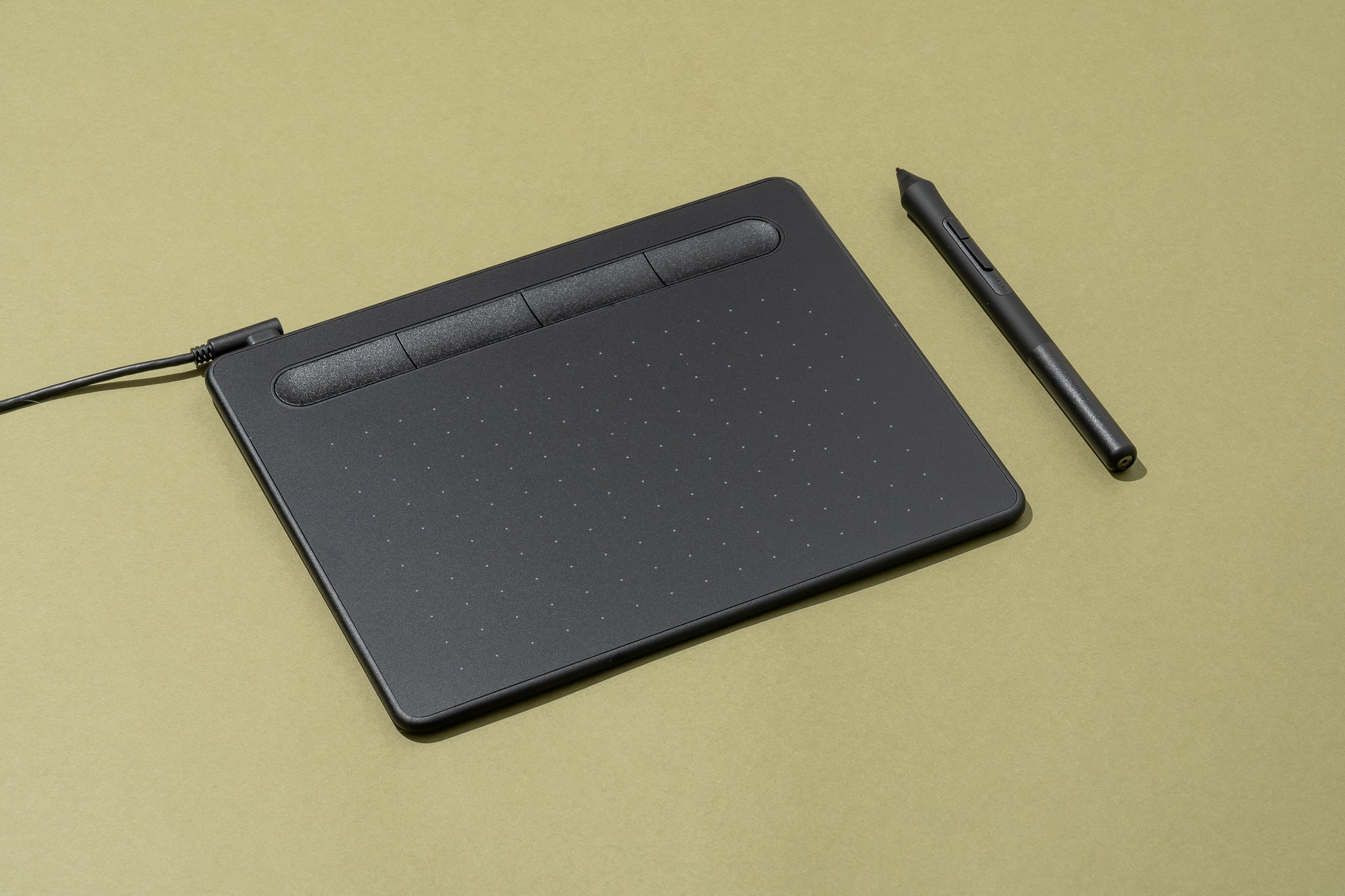
According to IDC preliminary data, report has revealed that Worldwide Tablet shipments in the first quarter of 2024 saw a slight increase of 0.5% totaling 30.8 million units.

This growth followed a decline lasting over two years since the second quarter of 2021, mainly due to market saturation.

Despite ongoing economic challenges, the tablet market started showing signs of recovery in the first quarter, which was driven by the beginning of a refresh cycle.

With the overall growth in tablet shipments, major players in the market recorded decline in units shipped. Apple which currently leads the market with 9.9 million units shipped, reported 8.5% year-over-year decline due to economic conditions and a lack of new models.

In second position, Samsung recorded a 5.8% decline in shipments, influenced by competitive promotions and a shortage of new products. Notably, the tablet market is currently dominated by Apple and Samsung. The two companies hold a combined market share of over 50%.

Meanwhile, Chinese multinational technology company Huawei, maintained its third position and achieved an impressive 43.6% year-over-year growth, likely benefiting from the resurgence of its smartphone business.

Here is an overview of Top Five Tablet Companies, Worldwide Shipments, and Year-over-Year Growth

1.) Apple shipped 9.9 units in Q1 2024, and faced a 8.5% decline in shipments compared to the previous year.

2.) Samsung shipped 6.7 units in Q1 2024, and faced a 5.8% decline in shipments influenced by competitive promotions and a lack of new products.

3.) Huawei shipped 2.9 units in Q1 2024, achieving a remarkable 43.6% year-over-year growth with 2.9 million units shipped. Analysts predict that the resurgence of its smartphone business likely played a crucial role to this growth.

4.) Lenovo in fourth place, shipped 2.1 in Q1 2024, recording a 13.2% increase in shipments.

5.) Xiaomi retained its position in the top 5, shipped 1.8 units in Q1 2024, with an impressive 92.6% year-over-year growth. The company saw significant growth outside its largest market, China, across various regions.

Despite the challenges facing the tablet market, analysts are optimistic that there would be a shift towards premium tablets as consumers seek productivity oriented devices. Although, the tablet market is poised to face PCs and Smartphones, which could contribute to a lackluster outlook.

On the other hand, leveraging AI technologies could enable tablets to enhance user interactions, optimise performance, and offer personalised experiences, potentially revitalising the market. This trend underscores the potential for AI to drive transformative changes in tablet functionalities, making them more competitive in the evolving landscape of personal computing.

Looking ahead, while challenges persist with strong competition from PCs and smartphones, AI-driven innovations hold promise for tablets to regain relevance and appeal to consumers.

Nigeria Should Replace Cybersecurity Levy with All-Inclusive Property Tax, and Boost Tax Revenue

1

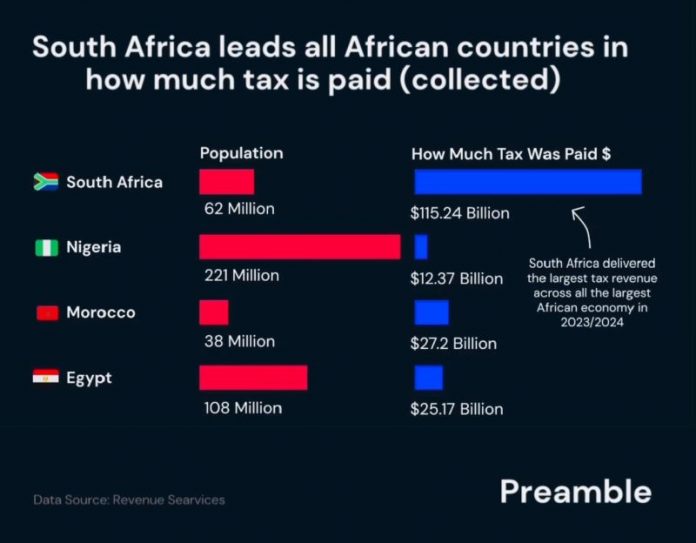
South Africa’s stock market is valued at more than $1.1 TRILLION than Nigeria’s. South Africa’s budget is about $100B more than Nigeria’s. And on tax, they’re up by more than $100B also.

Why that tax disparity? It is very simple: Nigeria allows most of us free pass on asset taxes. You pay property tax in South Africa while we live free in Nigeria.

Nigeria can triple its tax revenue by a single line of code in the books: every year, all properties will pay 0.5% of the property value as tax. But if you do that, you will lose the next election, and no poliician wants to do that.

That is why they have not modified that in the National Assembly. Understand that property tax is among the few taxes that will affect the rich more than the poor since the poor have no property. More so, if you begin that, some empty estates in Abuja would be forced to have tenants as taxes pile up.  (Please what I am writing is not Land Use charges as Lagos currently does; I am writing of taxing the valuation of the property.)

In my 3T2030 Agenda for Nigeria,  which is my federal governing philosophy, I posited that by 2030 Nigeria could become a $3 trillion economy. A core part of my playbook is  fixing rural Nigeria through capitalization of rural assets, changes in land use act and regional fiscal autonomy. I published the document in 2021. Of course, my plan was to have a conversation about it, but when they released the forms for the presidency, I quickly realized that I am a teacher!!! 

Of course, it comes down to this: people willingly pay taxes when taxes are working on their lives. And that is the challenge in Nigeria since you can still pay the taxes, and still be responsible for your own police station, water board, electricity board, and everything!

In New Jersey, USA, real estate tax is more than 2%, and that means the state collects 2% of the property value. If you just replace the controversial 0.5% cybersecurity levy with 0.5% property value levy, the government will even extract more resources, but that will not happen as to a large extent only the rich will pay. Sure, I get the point: they can tap that on rents. But at least, they have to pay it first!