DD
MM
YYYY

PAGES

DD
MM
YYYY

spot_img

PAGES

Home Blog Page 3399

Nigerian Government Denies Talks on Locating US, French Military Bases in the Country

0

Amidst growing speculation and concerns regarding the establishment of foreign military bases in Nigeria, the federal government has categorically denied any discussions or proposals on the matter. 

In a statement issued by Mohammed Idris, the Minister of Information and National Orientation, on Monday, the government urged Nigerians to disregard the “falsehood” surrounding the alleged discussions.

According to the statement, the federal government has neither received nor considered any proposal for the establishment of foreign military bases in the country. It explained that Nigeria already enjoys foreign cooperation in tackling ongoing security challenges and remains committed to deepening these partnerships to achieve national security objectives.

“The Nigerian government already enjoys foreign cooperation in tackling ongoing security challenges,” the statement reads.

 “The president remains committed to deepening these partnerships, with the goal of achieving the national security objectives of the Renewed Hope Agenda.”

The denial comes in response to recent reports suggesting that Nigeria may be in discussions with foreign countries, particularly the United States and France, regarding the siting of foreign military bases within its borders. Some northern leaders, in a letter addressed to both the presidency and the national assembly, cautioned against accepting such proposals, citing potential dangers to the country’s sovereignty and security.

The signatories of the open letter expressed a strong belief in the profound and far-reaching economic and environmental impacts of hosting foreign military bases. They highlighted concerns about the potential damage such bases could inflict on the relationship between Nigeria and Niger Republic.

“Therefore, in this circumstance, Nigeria must be bold enough to reject the proposal, if for no other reason than to return a good turn. At least since independence Nigeria and Niger have maintained relatively cordial relations that have always helped in stabilizing the sub-region on several occasions. The two countries have come to the aid of one another during their moment of crises,’’ they said.

The background to these speculations lies in the strained relationship between the Niger Republic and France following a military coup in the Sahel country. France, a key security ally of Niger, had stationed over 1,500 troops in the country to combat jihadist groups and prevent the spread of terrorism in the Sahel region. However, after the coup, the junta announced the expulsion of French forces, signaling a shift in diplomatic and military relations.

The US also faced setbacks in Niger. In March, the junta nullified an agreement with the US government permitting American troops to operate on two of its bases. The US reportedly agreed to shut down its $100 million military drone base near Agadez. 

Constructed six years ago, the base played a crucial role in the US-France strategy to counter jihadist activities in West Africa. 

In response, Russia capitalized on anti-Western sentiments in the Sahel, offering military cooperation and training to the Nigerien army. This move raised concerns about Russia’s growing influence in the region and its implications for regional security dynamics.

These developments fueled speculation that the US and France might seek alternative locations for their military operations, including Nigeria.

However, security analysts assert that Nigeria must carefully consider its decision regarding hosting military bases for France and the United States.

Lawrence Alobi, a security expert, argues that the nation would gain more by adhering to a policy of non-alignment.

Nigeria’s foreign policy has always followed the tradition of nonalignment that dates from the early 1960s and which helped the country greatly during the period of the Cold War”.

“I don’t foresee anything that will warrant a change in that policy, either in the immediate or even shortly, because, even currently, we have a robust relationship with China and Russia”.

Alobi added that sticking to the ‘non-alignment policy’ will yield more benefits for Nigeria.

“If we sign such a security pact with these nations, they can continue to monitor your security apparatuses. Building a base in Nigeria will expose Nigeria to top security risks. We have always been non-allied, we will have more benefits and respect if we keep things as they are,” he said.

BlockDAG X1 Mobile Mining App Launch Sparks Frenzy with Early Investors Amid Scorpion Casino’s Bitmart Debut

0

Investors have been intrigued by BlockDAG‘s commitment to innovation and shifted their focus following the Scorpion Casino listed to BitMart. BlockDAG has captivated the crypto market by securing a staggering $23.6 million in its recent presale, setting a robust foundation for the upcoming launch of its X1 mobile mining app. This move comes as Scorpion Casino opts for a BitMart listing, pivoting away from Binance amid growing regulatory scrutiny.

BlockDAG Sets New Presale Records and Prepares for the X1 App Release

BlockDAG’s latest presale round has successfully raised $23.6 million, with the price of BDAG coins expected to rise from $0.006 to $0.007 in the upcoming batch. This indicates a positive market response and points to a bright future, with projections suggesting a potential value of $30 per coin by 2030. The introduction of the X1 app, scheduled for release on June 1, 2024, is anticipated to revolutionize further the way individuals mine cryptocurrency, offering an efficient, user-friendly solution that transforms smartphones into effective mining devices.

The X1 app, compatible with iOS and Android, allows users to mine up to 20 BDAG coins daily without draining battery life or device performance. It eliminates the need for expensive mining hardware and reduces energy consumption, making mining accessible to a broader audience. The app’s unique “lightning button” feature also enables users to enhance their mining capabilities with just a simple tap, optimizing earnings potential.

Scorpion Casino Listed on BitMart Finds New Home

In the wake of increased regulatory pressures on platforms like Binance, Scorpion Casino has transitioned to BitMart, aligning with its goal for more excellent stability and security. The community well-received this shift, as it follows a successful presale where Scorpion Casino raised over $3.2 million, showcasing strong investor confidence. The listing on BitMart marks a strategic move and reinforces Scorpion Casino’s commitment to providing a secure and reliable platform for its users.

As Scorpion Casino embarks on its new journey with BitMart, it continues to offer exciting opportunities for gamers and investors alike. The platform’s innovative approach to gaming, combined with strategic partnerships and a focus on a secure investment environment, positions it well within the competitive online casino market.

Expanding Payment Options and Enhancing User Accessibility

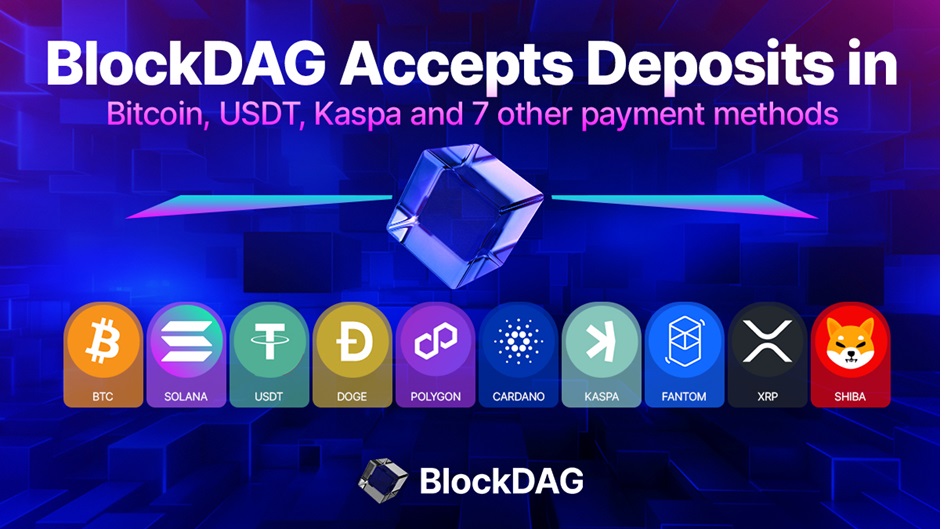
BlockDAG is broadening its reach by adding various payment options, including Bitcoin, USDT (Tron), Doge, SHIB, Solana, XRP, Polygon (MATIC), Kaspa, Fantom, and Cardano. This expansion simplifies the investment process and attracts a more diverse group of global investors, enhancing the platform’s accessibility and appeal.

Final Thoughts on BlockDAG and Scorpion Casino

As BlockDAG prepares to launch its groundbreaking X1 mobile app on June 1st, it exemplifies innovation and strategic growth in the crypto sector, promising substantial returns for its investors. Meanwhile, Scorpion Casino, which is listed on BitMart, illustrates a tactical shift designed to safeguard its operations and ensure long-term stability for its patrons. Both developments signify pivotal moments in their respective domains, highlighting the cryptocurrency and blockchain industries’ dynamic and rapidly evolving nature.


Invest in the BlockDAG Presale Now:

Website: https://blockdag.network

Presale: https://purchase.blockdag.network

Telegram: https://t.me/blockDAGnetworkOfficial

Discord: https://discord.gg/Q7BxghMVyu


Spending Central Bank of Nigeria’s N1.5 Trillion from Cybersecurity Levy

1

In 2023, Nigeria’s electronic payment transactions reached an all-time high of N600 trillion, a 55% increase from 2022’s N387 trillion. This was reported by the Nigeria Inter-Bank Settlement System (NIBSS).

If the country imposes a 0.5% cybersecurity levy on these transactions, the home run will be N3 trillion. If you model that not all these transactions will qualify, you can have N1.5 trillion or $1.5 billion in the coffers of the government.

First, I am not in support of this levy. But if it has to go through, the government must not be tempted to spend additional $1.5 billion on cybersecurity yearly on top of whatever we’re spending now. I think $300m should be fine while the other $1.2 billion should go towards improving digital commerce. 

Fixing Nigeria Postal Service will boost the rural economy significantly.  Again, nothing justifies this policy because it is wrong. Another idea is elevating primary and secondary education in Nigeria. Till today, no one has explained why Colleges of Education should have the lowest JAMB scores, well below universities and polytechnics. Does it mean the worst performers should be teachers in Nigeria?

The Joint Admissions and Matriculation Board (JAMB) has set the minimum cut-off marks for the 2024/2025 academic session in Nigeria as follows:
  • Federal and state universities: 160
  • Private universities: 140
  • Federal and state polytechnics: 120
  • Private polytechnics: 110
  • Colleges of education: 100

Meanwhile, I commend the reversal on the cash deposit tax

In a surprising move, the Central Bank of Nigeria (CBN) has announced a temporary suspension of charges on cash deposits for a three-month period, starting from May 6, 2024. This decision, revealed in a circular signed by the Director of Banking Supervision, Adetona Adedeji, aims to encourage more cash transactions and reduce the cost of banking services for customers. However, the move has sparked mixed reactions among users, with some questioning the irony of the CBN’s decision given the various charges associated with cash transactions. As the banking landscape adapts to this change, only time will tell if this measure will indeed lead to a more cost-effective banking experience for Nigerians.

Naira Is Improving – Twitter

From Twitter: “In a surprising turn of events, the Nigerian Naira has made a significant leap against the US Dollar, appreciating by a notable margin following the Federal Government’s recent measures aimed at stabilizing the currency. This development comes amidst ongoing discussions and reactions from the public, with the Naira’s value fluctuating in both official and parallel markets.

“As of Tuesday, May 7, 2024, the exchange rates stood at 1 USD to ?1384, 1 GBP to ?1734, 1 EUR to ?1491, 1 CAD to ?1009, 1 AUD to ?914, 1 GHS to ?100, 1 ZAR to ?74, and 1 XOF to ?2. This unexpected boost in the Naira’s value has sparked a wave of optimism among Nigerians, with many taking to social media to express their relief and hope for a more stable economy. As the nation continues to navigate the ever-changing landscape of global finance, only time will tell if these new measures will have a lasting impact on the Naira’s value and the overall economic stability of Nigeria.”

A Closer Look at Central Bank of Nigeria’s New Cybersecurity Levy

0

The Central Bank of Nigeria (CBN) has recently implemented a new directive that mandates a 0.5% cybersecurity levy on most electronic transactions. This move is part of the efforts to bolster the nation’s cybersecurity infrastructure in the wake of increasing digital threats. The levy, as stipulated by the Cybercrime (Prohibition, Prevention, etc.) (amendment) Act 2024, is to be remitted to the National Cybersecurity Fund (NCF), managed by the Office of the National Security Adviser (ONSA).

The cybersecurity levy is applied at the point of electronic transfer origination and is reflected in the customer’s account statement as “Cybersecurity Levy”. This directive exempts only 16 categories of transactions, including salaries, loans, cheques, and clearing and settlements, from the levy. The collected funds are intended to provide financial support for the nation’s cybersecurity initiatives, which are crucial in safeguarding Nigeria’s digital space.

The implementation of this levy has been met with mixed reactions. On one hand, it represents a proactive step towards addressing the growing concerns of cyber threats and the need for robust cybersecurity measures. On the other hand, it adds to the list of existing charges that customers have been paying over the years, raising concerns about the additional financial burden on consumers and businesses alike.

One of the key documents that provide a basis for the application of charges on various products and services offered by financial institutions is the “Guide to Charges by Banks, Other Financial and Non-Bank Financial Institutions” which took effect from January 1, 2020. This guide aims to enhance flexibility, transparency, and competition within the Nigerian banking industry.

The guide covers a wide range of charges, including but not limited to:
Interest on deposits.
Interest rates and lending fees.
Current account maintenance fees.
Commission on bonds, guarantees, and indemnities.
Foreign exchange commission/charges.
Electronic banking charges.

For instance, customers are charged an electronic money transfer levy for deposits of 10,000 naira or more. There are also fees for electronic funds transfers, SMS alerts, quick balance enquiry, card maintenance, and ATM withdrawals.

It’s important for customers to note that some charges are negotiable, and they have the right to discuss these with their financial institutions. The CBN requires that any new product, service, or charge not covered by the guide must be presented to it for prior written approval.

The CBN’s effort to review and reduce most charges and fees for banking services reflects its commitment to making banking more affordable for Nigerians. Customers are encouraged to stay informed about the charges they incur and to engage their banks if they have any concerns or need clarifications.

The introduction of the cybersecurity levy comes at a time when Nigeria is grappling with economic challenges, including the removal of fuel subsidies and the resultant inflation. The decision to implement this levy reflects the government’s prioritization of cybersecurity, recognizing the critical role it plays in the stability and integrity of the nation’s financial systems.

As the country navigates through these changes, it will be important to monitor the impact of the cybersecurity levy on electronic transaction habits, customer experience, and the overall effectiveness of the cybersecurity measures funded by this initiative. The balance between securing the digital economy and ensuring affordability for users will be a key factor in the success of this policy.

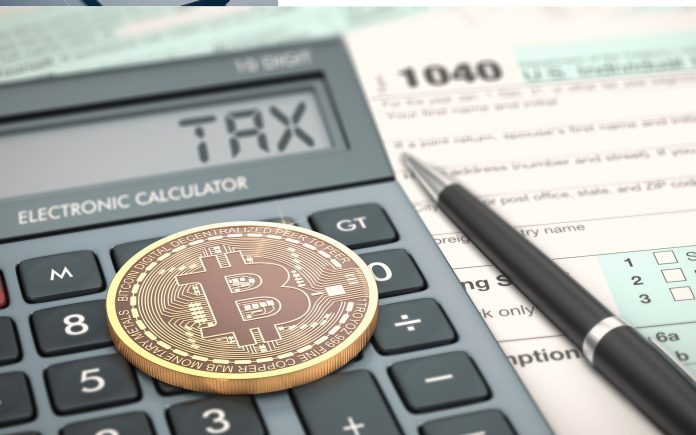
Whiskey Rebellion of the 21st Century: Cryptocurrency and Taxation

0

The term “Crypto’s Whiskey Rebellion” conjures images of a modern-day standoff between government authorities and proponents of decentralized finance. It harks back to the historical Whiskey Rebellion of the 1790s, where American farmers protested against a federal excise tax on whiskey. This event was one of the first major tests of the authority of the newly formed U.S. government.

Fast forward to the present, and we find a modern-day “rebellion” unfolding within the cryptocurrency sector. This movement is not characterized by physical confrontations or armed resistance but by a growing discontent among crypto enthusiasts and investors over regulatory measures that are perceived as heavy-handed or unfair.

Today, we are witnessing a similar scenario unfold within the realm of cryptocurrency. Just as the farmers viewed the whiskey tax as an unfair burden, many in the crypto community see government regulation and taxation as an infringement on the financial freedom that digital currencies offer. The decentralized nature of cryptocurrencies means they are not controlled by any single entity, which is a fundamental appeal to users who value privacy and autonomy over their financial transactions.

The parallel between the two rebellions is striking. In the 18th century, whiskey was a common currency among frontier communities, and the tax imposed by the government was seen as an attack on their economic independence. In the present day, cryptocurrency has emerged as a new form of currency, one that transcends borders and offers a level of anonymity not available through traditional banking systems.

The “Crypto’s Whiskey Rebellion” is not a physical confrontation but a clash of ideologies. On one side are the crypto enthusiasts who advocate for minimal regulation, arguing that the innovative nature of blockchain technology and its applications should not be stifled by outdated regulatory frameworks. On the other side are the regulators and governments, who are concerned about the potential for tax evasion, money laundering, and other illegal activities that can be facilitated by the anonymity of digital currencies.

The outcome of this modern rebellion is yet to be determined. It is a complex issue that involves balancing the need for regulation to prevent illegal activities and protect consumers, with the desire to foster innovation and maintain the core principles of decentralization that are at the heart of cryptocurrency.

As the debate continues, it is clear that the resolution will require dialogue and cooperation between the crypto community and regulatory bodies. The hope is that a middle ground can be found, one that allows for the growth and development of the cryptocurrency market while ensuring it operates within a framework that is fair and legal.

The “Crypto’s Whiskey Rebellion” is a testament to the ongoing evolution of finance and governance. It is a reminder that as technology advances, so too must our systems and regulations evolve to address the new challenges and opportunities that arise.