DD
MM
YYYY

PAGES

DD
MM
YYYY

spot_img

PAGES

Home Blog Page 3403

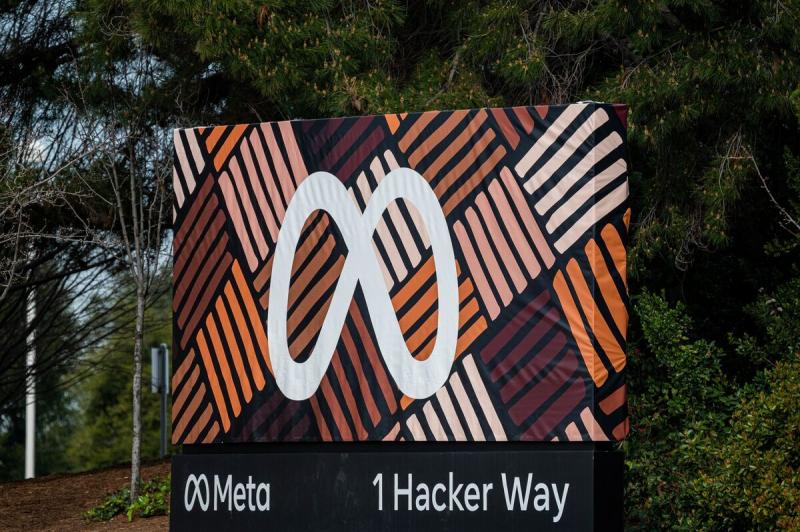
Meta’s Stock Plummets 19%, wiping $200bn off market cap as Zuckerberg Pushes AI and Metaverse Vision

0

Meta Platforms Inc., under the leadership of CEO Mark Zuckerberg, faced a turbulent earnings call as investors responded with skepticism to the company’s focus on artificial intelligence (AI) and the metaverse. 

Despite the social media conglomerate reporting stronger-than-anticipated profit and revenue for the first quarter, shareholders expressed disappointment, causing Meta’s shares to nosedive by as much as 19% in extended trading on Wednesday. 

This downturn resulted in a staggering loss of over $200 billion in market capitalization, underlining a significant backlash against Meta’s ambitious plans.

According to CNBC, Zuckerberg, in a bid to assuage investor concerns, addressed the sell-off directly, acknowledging the historical volatility of Meta’s stock during periods of product expansion and investment. Drawing parallels with past initiatives like Reels and Stories, he underscored Meta’s steadfast commitment to scaling new products despite initial financial setbacks.

“I think it’s worth calling that out, that we’ve historically seen a lot of volatility in our stock during this phase of our product playbook where we’re investing in scaling a new product but aren’t yet monetizing it,” Zuckerberg said.

While Meta currently relies heavily on digital advertising for 98% of its revenue, Zuckerberg hinted at future avenues for monetization through AI-driven innovations. He outlined potential revenue streams, including business messaging, ads, and paid content integrated into AI interactions. 

Highlighting Meta’s advancements in AI technology, such as Meta Llama 3 and Meta AI, Zuckerberg positioned the company as a formidable contender in the emerging competitive AI industry.

“There are several ways to build a massive business here including scaling business messaging, introducing ads or paid content into AI interactions,” he said.

Transitioning to Meta’s ventures in mixed reality headsets, Zuckerberg said there are opportunities for expansion in work and fitness applications. The recent decision to grant access to the operating system powering Meta’s Quest headsets is expected to fuel growth in the mixed reality ecosystem. 

Additionally, the CEO touted Meta’s AR glasses as an ideal platform for AI assistants, leveraging their capacity to provide real-time visual and auditory feedback.

Despite these ambitious plans, Meta’s Reality Labs unit, tasked with developing hardware and software for the metaverse, continues to grapple with significant losses. Despite reporting sales of $440 million for the first quarter, Reality Labs incurred staggering losses of $3.85 billion, bringing cumulative losses since the end of 2020 to over $45 billion.

Zuckerberg’s cost-cutting initiatives have previously buoyed Meta’s stock price, with a nearly threefold increase in 2023 following a tumultuous 2022. Emphasizing operational efficiency and strategic investments in AI, Zuckerberg’s leadership has garnered investor favor, propelling Meta’s stock price to record highs.

For the future, Zuckerberg outlined Meta’s plans to accelerate infrastructure investments to support its AI roadmap, with capital expenditures for 2024 expected to range from $35 billion to $40 billion. Despite the long-term potential of AI, Meta anticipates a multiyear investment cycle before AI products become profitable services.

Susan Li, Meta’s finance chiefechoed Zuckerberg’s sentiments, stressing the importance of developing advanced models and scaling products to generate meaningful revenue. However, Meta’s cautious revenue forecast for the second quarter dampened investor sentiment, leading to further sell-offs.

In conclusion, Zuckerberg urged investors to tag along as investing in Meta’s AI-driven initiatives offers long-term benefits. 

“Historically, investing to build these new scaled experiences in our apps has been a very good long-term investment for us and for investors who stuck with us and the initial signs are quite positive here too,” Zuckerberg said. “But building a leading AI will also be a larger undertaking than the other experiences we’ve added to our apps and this is likely going to take several years.”

Li echoed Zuckerberg’s sentiment, telling investors, “While there is tremendous long-term potential, we’re just much earlier on the return curve.”

Russia to seize $440 million from JPMorgan

0

In a significant development amidst ongoing international tensions, a Russian court has ordered the seizure of $440 million from JPMorgan Chase’s bank accounts in Russia. This move comes after the largest American lender froze these accounts following the invasion of Ukraine by Russia. The court’s decision aligns with a lawsuit filed by state-owned VTB Bank, which was sanctioned after the military actions in Ukraine began.

The legal battle between VTB Bank and JPMorgan Chase highlights the complex interplay of international law, sanctions, and corporate operations. JPMorgan Chase, adhering to US sanctions laws, found itself in a challenging position as it faced litigation in Russia for actions that are compliant and obligatory under US regulations. The situation underscores the difficulties multinational corporations face when navigating the conflicting legal demands of the countries in which they operate.

Over the years, JPMorgan Chase has been involved in various financial services in Russia, including investment banking operations and banking services for clients, primarily international companies. The bank’s activities have been focused on facilitating global commerce and providing a bridge between Russian businesses and the international financial system.

However, the bank’s operations in Russia have not been without challenges. The annexation of Crimea by Russia in 2014 led to a series of international sanctions, prompting JPMorgan Chase and other financial institutions to reassess their exposure and business strategies in the region. Since then, JPMorgan Chase’s lending and investment exposure to Russia has been significantly reduced.

The court’s ruling to freeze JPMorgan’s assets in Russia, including funds in bank accounts and property rights, is a reflection of the retaliatory measures taken by Russia against sanctions imposed by the US and its allies. This legal dispute is set against the backdrop of the US administration’s efforts to bolster Ukraine’s defense capabilities, with President Joe Biden signing a foreign aid bill that grants new powers to locate and seize Russian assets in the US.

The specific allegations against JPMorgan Chase in the context of the Russian court’s decision to seize $440 million from the bank’s accounts involve a complex legal dispute rooted in international sanctions and banking laws. The crux of the matter lies in JPMorgan Chase’s adherence to US sanctions against Russia following the latter’s military actions in Ukraine. As a result, JPMorgan Chase froze accounts belonging to VTB Bank, a state-owned Russian bank that was sanctioned in the wake of the conflict.

VTB Bank has filed a lawsuit against JPMorgan Chase, seeking to regain the funds that were blocked due to the sanctions. The Russian court’s order to seize the funds from JPMorgan Chase’s accounts is a direct response to this lawsuit. JPMorgan Chase, on the other hand, has sued VTB Bank in New York, aiming to halt VTB’s efforts to recover the funds, arguing that such actions are a blatant breach of their agreement to resolve disputes in New York and that US law prohibits the release of the funds in question.

As the case progresses, with the next hearing scheduled for July 17, the international community watches closely. The outcome of this legal tussle could have far-reaching implications for international banking, the efficacy of sanctions as a diplomatic tool, and the broader geopolitical landscape.

Complexities of a Potential Bitcoin Mining Ban in USA amid Block Developing Full Bitcoin Mining System

0

In recent news, discussions have emerged regarding the Biden administration’s approach to Bitcoin mining within the United States. The administration has proposed a plan that could potentially impact the American Bitcoin mining industry significantly.

This proposal includes the introduction of the Digital Asset Mining Energy tax (DAME), which aims to impose a 30% excise tax on the cost of electricity used for Bitcoin mining. The rationale behind this proposal is to address the environmental concerns associated with the energy-intensive process of mining digital currencies.

The DAME tax, first proposed in May 2023, was reintroduced as part of the fiscal 2025 budget proposal. The White House suggests that this measure would raise $3.5 billion over a decade. However, this proposal has sparked a debate over its potential effects on the industry. Critics argue that such a tax could drive Bitcoin mining companies out of the U.S. to countries with less stringent environmental regulations, potentially leading to even greater environmental impact globally.

The administration’s stance appears to be influenced by the desire to align with other nations that have taken steps to regulate the cryptocurrency industry, citing China as an example. The U.S. has seen significant growth in its share of global Bitcoin mining, rising to 37.8% in 2022, making it the world’s largest Bitcoin mining market. This growth reflects the industry’s adaptation to cleaner energy grids and the potential for innovation within the sector.

The debate around Bitcoin mining and its environmental impact is complex. On one hand, there is a clear need to address the carbon footprint of such activities. On the other hand, the proposed measures must be balanced against the economic and technological advancements that the industry brings. It is a delicate balance between fostering innovation and ensuring environmental responsibility.

Critics of the proposal argue that such a tax could drive the Bitcoin mining industry out of the United States, potentially leading to a loss of jobs and innovation. They also point out that the U.S. Bitcoin mining industry operates on a cleaner energy grid compared to many other countries, and a tax could push operations to regions with dirtier energy standards and practices.

Supporters of the measure, however, highlight the need for the industry to address its environmental footprint and contribute to the costs of its impact. They believe that the tax could incentivize the adoption of cleaner energy sources and more efficient mining practices.

As the discussion continues, it is essential to consider the broader implications of any regulatory changes. The outcome of this debate could set a precedent for how digital asset industries will be treated in terms of taxation and regulation. It is a pivotal moment that could shape the future of cryptocurrency and its role in the American economy and beyond.

Block led by Jack Dorsey is Developing Full Bitcoin Mining System

In the dynamic world of cryptocurrency, innovation is a constant. The recent announcement from Block, the company led by Jack Dorsey, is a testament to this relentless pursuit of advancement. Block, formerly known as Square, has taken a significant leap into the future of bitcoin mining with the development of a full bitcoin mining system.

This move is not just about creating another product in the market; it’s about revolutionizing the way bitcoin mining hardware is distributed and utilized. With the introduction of a standalone three-nanometer bitcoin mining chip, Block is setting new standards for efficiency and performance. This chip is at the forefront of semiconductor technology, promising to enhance the capabilities of mining operators across the globe.

The implications of such an innovation are far-reaching. By decentralizing the supply of bitcoin mining hardware, Block aims to address one of the critical challenges in the cryptocurrency space: the concentration of mining power. This decentralization is not only a step towards more democratic access to bitcoin mining but also a move to protect the network from potential vulnerabilities associated with centralized mining operations.

Block’s approach is holistic. They are not stopping at chip development; they are creating a full mining system designed to tackle the various challenges faced by mining operators. This includes considerations for pre-sales discovery, purchasing processes, reliability, maintenance, software features, transparency, and post-sale support. Such a comprehensive system could potentially lower the barriers to entry for new miners and foster a more inclusive mining community.

The transition to 3nm technology is a significant milestone for several reasons. Firstly, the 3nm manufacturing process allows for a substantial increase in transistor density. This means that more transistors can be packed into the same space, leading to chips that are more powerful and efficient than their predecessors. With up to 35% higher transistor density, devices can perform more complex computations without increasing their physical size.

Secondly, 3nm technology brings about a considerable reduction in power consumption. Chips manufactured with this process can operate with up to 50% less power, which is crucial for battery-powered devices like smartphones and laptops. This improvement not only extends the battery life of devices but also reduces the heat generated during operation, which can enhance the longevity and reliability of the device.

The company’s commitment to innovation and community collaboration is evident. They have called for input from the bitcoin mining community to further enhance the design and functionality of their system. This collaborative spirit may lead to a more resilient and efficient mining ecosystem, benefiting the entire bitcoin network.

As we witness the evolution of bitcoin mining, it’s clear that companies like Block are not just participants but pioneers, shaping the future of this critical aspect of the cryptocurrency world. Their efforts could lead to a more balanced and robust bitcoin network, ultimately contributing to the stability and growth of the cryptocurrency as a whole.

BlockDAG Soars Past Polygon (MATIC) & PEPE With $20.6M Presale & Moon-Shot Keynote, Projects 30,000x ROI

0

BlockDAG has catapulted to the forefront of the cryptocurrency market, surging past competitors like Polygon (MATIC) and PEPE with an impressive $20.1 million presale and an exhilarating moon-shot keynote. This groundbreaking initiative has set the stage for an ambitious 30,000x ROI, highlighting BlockDAG’s potential to revolutionise the blockchain landscape.

Leveraging advanced Directed Acyclic Graph (DAG) technology, BlockDAG offers unmatched scalability and efficiency, positioning it as a leader in the digital finance arena. As investors and enthusiasts look towards the future, BlockDAG stands out as a beacon of innovation and immense growth potential in the ever-evolving crypto world.

Polygon (MATIC) Faces Market Downturn

Currently, Polygon (MATIC) is navigating a challenging market landscape, with its value dipping below $0.9. Despite this downturn, MATIC shows potential for recovery within its long-term ascending channel, with price predictions for 2024 suggesting a possible rebound to $1.13. This optimistic outlook is supported by bullish divergences in technical charts and on-chain data, which indicate an ongoing accumulation phase. The anticipated Napoli upgrade could further bolster MATIC’s market position, making its near-term future cautiously optimistic if it remains above crucial support levels.

PEPE Struggles Amid Market Pullback

Conversely, PEPE has witnessed a significant price drop of 26.5% over recent days, reflecting the broader market pullback led by Bitcoin. This decline has been marked by bearish technical signals, suggesting that selling pressure may continue. PEPE’s immediate future appears precarious as it teeters near critical support levels that could determine its market trend.

BlockDAG’s Breakthrough in Blockchain Technology

In stark contrast to its competitors, BlockDAG is making substantial strides with its Directed Acyclic Graph (DAG) technology, enhancing both scalability and security in the blockchain arena. With a presale total exceeding $20.6 million and over 8 billion coins sold, BlockDAG’s technological promise and investor confidence are evident. This platform not only facilitates rapid transaction processing, with speeds between 10,000 to 15,000 transactions per second, but also supports diverse applications across sectors like logistics, insurance, and finance, underpinning a robust decentralised financial ecosystem.

Investor Confidence and Upcoming Sales

The enthusiasm for BlockDAG is palpable, with the current tenth batch of sales priced at $0.006 nearing completion and the forthcoming eleventh batch set to adjust to $0.007. This pricing strategy reflects the growing investor confidence in BlockDAG’s potential to revolutionise blockchain technology.

The Impending Impact of BlockDAG’s Innovation

The launch of BlockDAG’s detailed Technical Whitepaper, combined with a high-profile display on the Las Vegas Sphere, has underscored the project’s ambitious vision and solidified the community’s trust in its revolutionary capabilities. This initiative goes beyond traditional cryptocurrency projects, proposing a new paradigm in blockchain technology with significant potential for a 30,000x ROI.

Why BlockDAG?

Comparing the current landscapes of Polygon (MATIC) and PEPE with BlockDAG, it becomes clear that BlockDAG offers a more stable and promising investment opportunity. Equipped with cutting-edge DAG technology, comprehensive security features, and a clear strategic vision, BlockDAG is not just poised for efficiency and scalability; it stands on the brink of redefining the future of blockchain technology. As the crypto market continues to evolve, BlockDAG’s robust presale performance and forward-looking technology establish it as the top cryptocurrency choice for investors aiming for substantial growth in 2024.

The BlockDAG team is further enhancing the project’s excitement by announcing a teaser for a keynote video from the moon. This pioneering initiative in the crypto industry will undoubtedly elevate the project’s fame and outreach, setting the BlockDAG presale apart as a historic event in cryptocurrency, promising to reshape the future of digital finance.


Join BlockDAG Now!

Website: https://blockdag.network

Presale: https://purchase.blockdag.network

Telegram: https://t.me/blockDAGnetworkOfficial

Discord: https://discord.gg/Q7BxghMVyu

Best Crypto to Invest in: BlockDAG’s $20.6M Presale and Moon Keynote Video Teaser Shift Focus from Galaxy Fox Presale End

0

BlockDAG is making waves in the cryptocurrency arena with its innovative combination of speed, scalability, security, and potential for high profits, offering investors up to a 30,000x ROI after its mainnet launch. Having raised over $20.6 million in its presale and set a cap of 150 billion coins to maintain value and scarcity, BlockDAG is positioning itself as a dominant force. The recent release of its moon keynote has significantly shifted investor attention, coinciding with the end of the Galaxy Fox presale.

BlockDAG’s Market Strategy and Token Allocation

BlockDAG is structured around a finite supply of 150 billion coins, underscoring the project’s commitment to sustaining long-term value. A substantial 33% of these tokens were available during the presale, allowing early adopters to engage with and benefit from the project’s growth. Moreover, 66% of the total supply is earmarked for community support, with 80% allocated to mining rewards, 15% to community initiatives, and 5% to liquidity provisions. An additional 1% is reserved for the BlockDAG team, ensuring their interests are aligned with the project’s long-term objectives.

Challenges Following Galaxy Fox’s Presale Conclusion

As Galaxy Fox presale ends, there’s rising speculation about the sustainability of its tokenomics model. Although it raised $3 million, doubts persist about the long-term value and practical application of $GFOX. As initial enthusiasm wanes, investors reassess the project’s economic strategies, including staking mechanisms and token burns meant to enhance scarcity and value.

BlockDAG’s Ambitious $600M Roadmap Draws Investor Interest

The successful $20.6 million raised during BlockDAG’s presale provides early investors with favorable pricing and integration into an expanding community. This phase is critical in setting the groundwork for a projected market cap of $600 million by 2024, offering substantial growth opportunities for seasoned investors and newcomers to mining.

This strategic move increases liquidity and primes the market for favorable post-presale trading conditions, laying a solid foundation for future profitability.

Advantages for Early BlockDAG Investors

Recognizing the importance of early supporters, BlockDAG has allocated 33% of its presale tokens at discounted rates. This strategy offers early investors significant benefits and incentivizes wider participation by lowering the entry barrier to the crypto market. Such incentives highlight BlockDAG’s commitment to rewarding its early backers with potentially huge returns, underscoring the attractive investment opportunities it presents.

Final Thoughts

As the Galaxy Fox presale ends with lingering uncertainties about its future, BlockDAG continues to attract significant interest with its strong strategic framework and groundbreaking technology. Positioned as a participant and a frontrunner in the cryptocurrency landscape, BlockDAG is rapidly becoming a key innovator set to transform the financial sector. The enthusiasm following its $20.6 million presale and captivating moon-themed keynote video further solidifies its leading status in the market.


Join BlockDAG Presale Now:

Website: https://blockdag.network

Presale: https://purchase.blockdag.network

Telegram: https://t.me/blockDAGnetworkOfficial

Discord: https://discord.gg/Q7BxghMVyu