DD
MM
YYYY

PAGES

DD
MM
YYYY

spot_img

PAGES

Home Blog Page 3408

The Severance of ties between Russia and the Baltic countries

0
Visitors experiencing modern technologies from Russian companies and regions at the exhibition Source: Russia Expo, 2023

The recent developments in the Baltic region have brought to light the complexities of international relations and the delicate balance of diplomacy. The severance of ties between Russia and the Baltic countries—Lithuania, Latvia, and Estonia—marks a significant shift in the geopolitical landscape of Eastern Europe.

The Baltic states, once part of the Soviet Union, have been independent since its dissolution in 1991. Their integration into the European Union and NATO has been viewed with apprehension by Russia, which sees the expansion of Western influence in its former territories as a threat to its security and sphere of influence.

Since regaining independence from the Soviet Union, the Baltic states have made significant strides in aligning their foreign and security policies with Western institutions. Their integration into the European Union (EU) and the North Atlantic Treaty Organization (NATO) has been a testament to their commitment to democratic principles and collective security.

The security of the Baltic states is not only pivotal for their own sovereignty but also for the stability of the European continent. The region faces ongoing challenges, such as the assertive posture of neighboring Russia, which views the Baltic states’ independence and their active roles in NATO and the EU as threats to its security and influence.

In response to these challenges, the Baltic states have fostered closer cooperation among themselves and with Nordic countries, aiming to strengthen regional security and defense capabilities. This cooperation is crucial, considering the potential threats and the need for a unified stance against any form of aggression.

Furthermore, the presence of NATO forces in the Baltic region serves as a deterrent and a clear signal of the alliance’s commitment to defend its members. The principle of collective defense under Article 5 of the NATO treaty ensures that an attack on one is considered an attack on all, providing a security guarantee for the Baltic states.

The Baltic states’ role in Europe’s security is not just about their own defense; it’s about the broader principle of maintaining a Europe that is whole, free, and at peace. Their strategic location and historical ties underscore their importance as a linchpin in the security architecture of Europe, highlighting the interconnected nature of global security in the 21st century.

The current situation stems from what Russia describes as “hostile” actions by the Baltic countries. Moscow’s response, promising asymmetric measures, suggests a move away from traditional diplomatic channels towards more unconventional methods of engagement. This could potentially involve economic sanctions, cyber activities, or other forms of indirect confrontation.

The Baltic states, for their part, have expressed concerns over what they perceive as aggressive Russian behavior, including airspace violations and interference with GPS signals. These actions have raised alarms within NATO, pointing to a broader pattern of what the alliance terms “hybrid warfare” employed by Russia.

The tension in the Baltics is a microcosm of the larger post-Cold War dynamics that have defined the relationship between Russia and the West. The full-scale invasion of Ukraine by Russia in 2022 has only exacerbated these tensions, with the Baltic countries fearing for their own security and independence in light of a revisionist Kremlin.

The international community watches with bated breath as the situation unfolds, hoping for a resolution that maintains peace and stability in the region. The Baltic states, with their strategic location and historical ties to both East and West, play a pivotal role in the security architecture of Europe. How they navigate this latest challenge with Russia will have implications far beyond their borders.

America is Sitting on a Powder Keg

0

The phrase “sitting on a powder keg” is a powerful metaphor that describes a situation of potential danger and volatility. It’s often used to refer to a scenario where tensions are high, and the risk of escalation into conflict or chaos is significant. The metaphor suggests that like a keg of gunpowder, the situation could explode with a single spark, leading to unpredictable and potentially devastating outcomes.

In the context of America, this phrase has been used to describe various periods of intense political, social, or economic unrest. It reflects the sentiment that the nation is in a precarious position, where the decisions made, or the events that unfold, could have far-reaching and critical consequences.

The metaphor is particularly relevant in times of elections, when the political atmosphere is charged, and the stakes are high. The election process is not just a matter of choosing leaders but also a reflection of the nation’s direction and values. It’s a time when the collective pulse of the country is felt, and the outcomes can set the tone for the years to follow.

The recent wave of student protests across American campuses has brought to light a number of pressing issues facing society today. These demonstrations, largely in response to international conflicts, have sparked a nationwide conversation about the role of dissent and the boundaries of peaceful protest.

The protests, which have seen students rallying for various causes, have also raised questions about the balance between freedom of speech and maintaining order on campus grounds. The involvement of non-students in these protests has added another layer of complexity, with authorities having to discern between genuine student activism and external influences.

As the situation continues to evolve, it is clear that universities are grappling with how to manage these protests in a way that respects the rights of students to express their views while ensuring the safety and security of the campus community. The outcome of these protests and the responses by university administrations may well set precedents for how similar situations are handled in the future.

The dialogue surrounding these events is a reminder of the vital importance of open discussion and the exchange of ideas in a democratic society. It underscores the need for institutions to foster environments where students can engage in meaningful activism without fear of undue repression or violence.

As the nation watches these developments unfold, it is hoped that constructive solutions can be found that uphold the principles of free expression and peaceful assembly, which are cornerstones of American democracy. The current climate on campuses may be tense, but it also presents an opportunity for society to reflect on its values and the ways in which it supports the next generation in making their voices heard on critical global issues.

Moreover, the phrase can also apply to international relations, where strategic decisions and alliances can tip the balance of power. In a globalized world, the actions of one nation can have a ripple effect, impacting the geopolitical landscape in profound ways.

It’s essential to approach such “powder keg” situations with a sense of responsibility and a desire for peaceful resolution. History has shown that it’s possible to defuse tensions and find common ground, even in the most challenging circumstances. It requires dialogue, empathy, and a commitment to the greater good.

The metaphor of America, or any other entity, “sitting on a powder keg,” serves as a reminder of the delicate nature of peace and stability. It’s a call to be vigilant, thoughtful, and proactive in preventing the metaphorical explosion that could arise from neglecting the signs of impending danger. Whether in domestic politics or international affairs, the goal should always be to navigate these tense situations with wisdom and foresight.

Hamas Accepts Egyptian-Qatari-Brokered Ceasefire Deal As the world waits on Israel

0

In a pivotal moment in the ongoing conflict between Israel and Hamas, the militant group Hamas announced on Monday its acceptance of an Egyptian-Qatari-led proposal for a cease-fire, the AP has reported.

This declaration came at a critical juncture, with tensions escalating and fears mounting over the possibility of an imminent ground invasion by Israeli forces. The decision by Hamas to accept the cease-fire proposal marked a significant development in the seven-month-long war that has ravaged the Gaza Strip and claimed countless lives on both sides of the conflict.

The conflict was ignited by an unprecedented raid into southern Israel on October 7, during which Hamas and other militants killed approximately 1,200 people, mostly civilians, and abducted around 250 hostages. Despite exchanges during a November cease-fire, Hamas is believed to still hold about 100 Israelis captive, along with the bodies of around 30 others.

The announcement by Hamas followed closely on the heels of Israel’s issuance of evacuation orders to approximately 100,000 Palestinians in the southern city of Rafah. The evacuation orders came as a stark reminder of the looming threat of a ground invasion, intensifying anxieties among civilians already grappling with the devastating impact of the conflict.

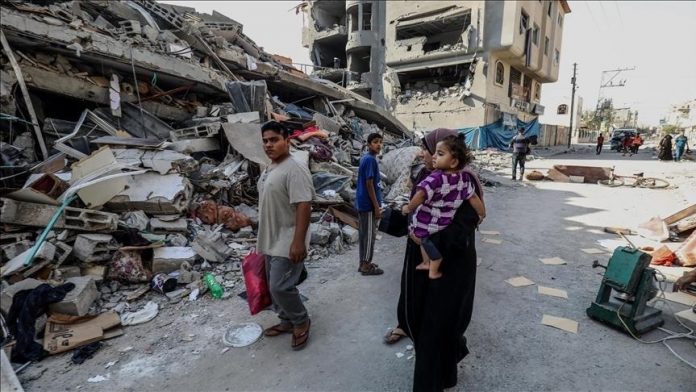
According to Gaza health officials, Israel’s bombardment and ground offensives in Gaza have resulted in the deaths of over 34,700 Palestinians, with approximately two-thirds of them being children and women. The tally does not differentiate between civilians and combatants. Additionally, more than 80% of the population of 2.3 million have been displaced from their homes, and hundreds of thousands in the north are facing the threat of famine, as reported by the U.N.

The proposed cease-fire offers a glimmer of hope for a reprieve from the relentless violence that has engulfed the region for months. However, the fate of the agreement hangs in the balance as Israel has yet to provide an official response, leaving the details of the proposal cloaked in uncertainty.

Netanyahu stated on Monday that the seizure of Rafah, which Israel identifies as the last significant Hamas stronghold in Gaza, was crucial to preventing the militants from rebuilding their military capabilities and launching another attack on Israel similar to the one on October 7 that sparked the war.

As anticipation mounts regarding the potential cease-fire, both sides remain on edge, bracing for the possibility of further escalation. The specter of a ground invasion in Rafah looms large, fueling fears of increased bloodshed and devastation in an already war-torn region.

Aid agencies have cautioned that an offensive would exacerbate Gaza’s humanitarian crisis and lead to a surge in civilian casualties in an Israeli campaign that, over nearly seven months, has resulted in the deaths of thousands of people and the devastation of the territory.

Hamas’s acceptance of the cease-fire proposal came following discussions between its top leader, Ismail Haniyeh, and officials from Qatar and Egypt. The news was met with cautious optimism among Palestinians in Rafah, who viewed the agreement as a potential reprieve from the threat of an imminent Israeli assault.

However, concerns linger among Israel’s allies, including the United States, regarding the ramifications of a ground invasion in Rafah. President Joe Biden emphasized the urgency of reaching a cease-fire agreement to protect the lives of Israeli hostages held in Gaza, noting the need for a swift resolution to the conflict.

However, in a fiery speech on Sunday evening commemorating Israel’s Holocaust Memorial Day, Netanyahu dismissed international pressure to cease the war, declaring that “if Israel is compelled to stand alone, Israel will stand alone.”

The potential consequences of a ground invasion are dire, with aid agencies and humanitarian organizations warning of an impending humanitarian catastrophe. The UN and humanitarian agencies said the displacement of tens of thousands of Palestinians in Rafah underpins the urgency of finding a peaceful resolution to the crisis and mitigating the suffering of civilians caught in the crossfire.

In response to Israel’s evacuation orders, Palestinians in Rafah grapple with the daunting prospect of uprooting their lives once again. The imminent threat of an attack has left many residents feeling anxious and uncertain about their future, as they confront the harsh realities of life in a conflict zone.

Tensions heightened on Sunday as Hamas launched rockets at Israeli troops stationed near Gaza’s main humanitarian aid crossing, resulting in the deaths of four soldiers. Simultaneously, Israeli airstrikes in Rafah claimed the lives of 22 people, including children and two infants, according to a hospital report.

The fate of Gaza hangs significantly on the implantation of the cease-fire deal. The coming days will be pivotal in determining whether the proposed agreement will hold and pave the way for a lasting peace in the war-torn region.

Nigeria’s 0.5% Cybersecurity Levy On Electronic Transactions Does Not Inspire

0

What a nation: “In a move said to be aimed at fortifying Nigeria’s digital defenses, the Central Bank of Nigeria (CBN) has issued a directive mandating financial institutions to enact a cybersecurity levy. This levy, amounting to 0.5% of the value of all electronic transactions, is intended to boost the National Cyber Security Fund administered by the Office of the National Security Adviser (NSA).”

We’re already paying NITDA Levy (information technology),  ITF (training), TETFUND (education), and now Cybersecurity Levy, besides other auxiliary fees. I expect by 2027 for a Federal Labour Levy to be enacted to help pay salaries of workers.

Nigeria does not need this playbook. What we need is to GROW the economy so that corporate taxes can take care of these auxiliary fees. America waived online sales taxes for more than a decade to grow the ecommerce sector, knowing that when companies like Amazon ascend, all the lost taxes would be made up.

In other words, there is a clear plan with a big picture. We need to learn something because this piecemeal disparate approach of charging this and that, as fees, on people’s properties, seems non-optimal in my view. Taking 0.5% is a lot of money, and it makes the Office of the National Security Adviser (NSA) the most investable fintech in Nigeria if it is open for investments.

Meanwhile, the plan to register POS agents in Nigeria is a good policy. There is no more room in Nigeria for informal players: “Nigeria’s 1.9 million PoS agents are now required to register with the Corporate Affairs Commission (CAC) by the Federal Government to tackle fraud and enhance financial inclusion. This move, which includes providing a unique terminal identification number to each PoS agent and may require Know Your Customer (KYC) documents for certain transactions, is expected to be completed within a two-month timeline with the support of fintech companies.”

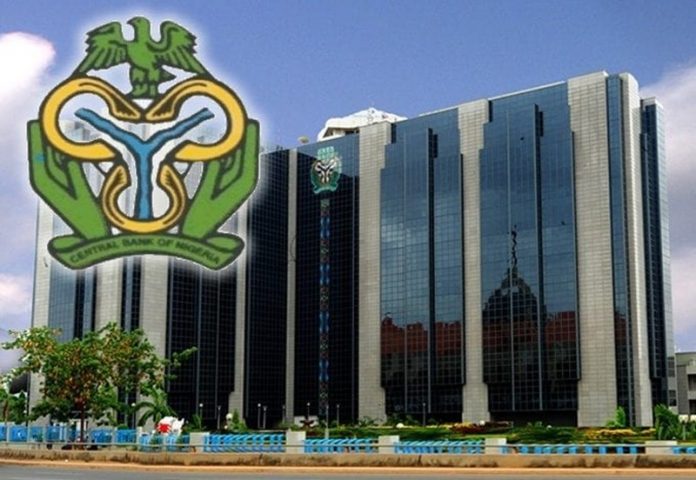
Nigeria’s Central Bank Directs Financial Institutions to Charge 0.5% Cybersecurity Levy on all Electronic Transactions

0

In a move said to be aimed at fortifying Nigeria’s digital defenses, the Central Bank of Nigeria (CBN) has issued a directive mandating financial institutions to enact a cybersecurity levy. This levy, amounting to 0.5% of the value of all electronic transactions, is intended to boost the National Cyber Security Fund administered by the Office of the National Security Adviser (NSA).

The CBN’s directive, communicated via a circular signed by Chibuzor Efobi and Haruna .B. Mustafa, Directors of payments system management and financial policy and regulation respectively, signifies a proactive approach to combating the escalating threat of cybercrime. This move comes in response to the enactment of the 2024 Cybercrime (Prohibition, Prevention, etc) Amendment Act, which provides the legal framework for the implementation of the cybersecurity levy.

According to the circular, financial institutions, including banks, mobile money operators, and payment service providers, are required to commence the deduction and collection of the cyber security levy within two weeks of the circular’s issuance. The levy will be calculated as 0.5% of the value of all electronic transactions, with the funds channeled into the National Cyber Security Fund to enhance Nigeria’s cybersecurity capabilities.

“Following the enactment of the Cybercrime (Prohibition, Prevention, etc) (Amendment) Act 2024 and pursuant to the provision of Section 44 (2)(a) of the Act, a levy of 0.5% (0.005) equivalent to a half percent of all electronic transactions value by the business specified in the Second Schedule of the Act, is to be remitted to the National Cybersecurity Fund (NCF), which shall be administered by the Office of the National Security Adviser (ONSA).

“Accordingly, all Banks, Other Financial Institutions, and Payments Service Providers are hereby required to implement the above provision of the Act as follows.

“Calculate the levy based on the total electronic transfer origination, then deducted and remitted by the financial institution.

“The deducted amount shall be reflected in the customer’s account with the narration: ‘Cybersecurity Levy’.

The CBN’s directive comes amid escalating threats posed by cybercriminals. With the rapid digitization of financial services and the increasing reliance on electronic transactions, Nigeria’s digital infrastructure has become a prime target for cyberattacks. The Nigeria Inter-Bank Settlement System (NIBSS) said that financial institutions lost about N17.67 billion to fraud in 2023.

Thus, the implementation of the cybersecurity levy is believed to be a proactive measure to safeguard against these threats and protect the integrity of Nigeria’s digital economy.

However, while the cybersecurity levy is a step in the right direction, its implementation also raises several challenges and implications for both consumers and businesses. 

Everyday users may experience concerns about the potential increase in the cost of digital services, as the levy is likely to be passed on to consumers in the form of higher transaction fees. This could impact consumer behavior and adoption rates of digital financial services, particularly among low-income individuals who are more sensitive to changes in transaction costs.

Similarly, businesses will need to adjust their financial strategies to accommodate the levy, balancing the need for compliance with the imperative of managing operational costs. The stringent penalties for non-compliance, including fines amounting to no less than 2% of the annual turnover for defaulting businesses, underscore the seriousness of this initiative and the importance of adherence to cybersecurity protocols.

Despite these challenges, many believe the implementation of the cybersecurity levy is a representation of a crucial step forward in Nigeria’s efforts to strengthen its digital resilience. They believe that by investing in cybersecurity infrastructure and capabilities, Nigeria can better protect its digital assets and safeguard against the potentially devastating impact of cyberattacks.