DD
MM
YYYY

PAGES

DD
MM
YYYY

spot_img

PAGES

Home Blog Page 3420

BlockDAG’s $2.3M X1 Miner Sale and Lunar Keynote Display Outshine Toncoin Price Prediction: Can Ethereum Overtake Bitcoin?

0

BlockDAG’s original keynote is trending with the revolutionary X1 miner, which amassed over $2.3 million and has an astounding 30,000x ROI potential. This innovative approach has sparked significant investor interest, propelling the BlockDAG coin to new heights.

While Ethereum and Toncoin continue to make waves—with Ethereum challenging Bitcoin’s supremacy and Toncoin price predictions showing a bullish outlook—the spotlight is on BlockDAG’s dynamic growth and potential. This segment of the crypto market exemplifies how advanced technology and strategic investment are reshaping what’s possible in digital finance. Let’s find out: Can Ethereum overtake Bitcoin?

Disruptive Potential Beyond: Can Ethereum Overtake Bitcoin?

Ethereum, a decentralised platform enabling smart contracts and decentralised applications (dApps), is poised for significant growth. Analysing its trajectory reveals Ethereum’s capacity to disrupt traditional systems across various sectors. Its unique proposition lies in its programmability, allowing developers to build diverse applications from finance to gaming.

Ethereum’s transition to Ethereum 2.0 promises scalability and sustainability, addressing current limitations. Can Ethereum overtake Bitcoin? While Ethereum’s market cap trails Bitcoin, its utility and innovation position it as a formidable contender. Ethereum’s potential to surpass Bitcoin hinges on continued technological advancements and broader acceptance.

Toncoin Price Prediction: Bullish Outlook

The Toncoin price prediction indicates promising prospects for the cryptocurrency. Analysing market trends and expert forecasts, Toncoin appears poised for bullish momentum, with potential price surges anticipated. Factors such as technological advancements, adoption rates and market sentiment contribute to this positive outlook.

However, it’s crucial to consider the inherent volatility of the cryptocurrency market, which may influence Toncoin’s trajectory. Investors should conduct thorough research and exercise caution. Despite fluctuations, Toncoin price prediction suggests favourable conditions for potential growth and investment opportunities. 

BlockDAG Mining Spree with X1 App & 30,000x ROI!

BlockDAG is currently soaring in its presale, with the 10th batch reaching new heights and earning a staggering $21.8 million at a coin price of $0.006. The presale momentum continues with the successful miner sale, with over 5156 units sold and generating a remarkable $2.3 million. This substantial revenue from the miner sale alone highlights the robust interest and investment in BlockDAG’s innovative approach to cryptocurrency mining.

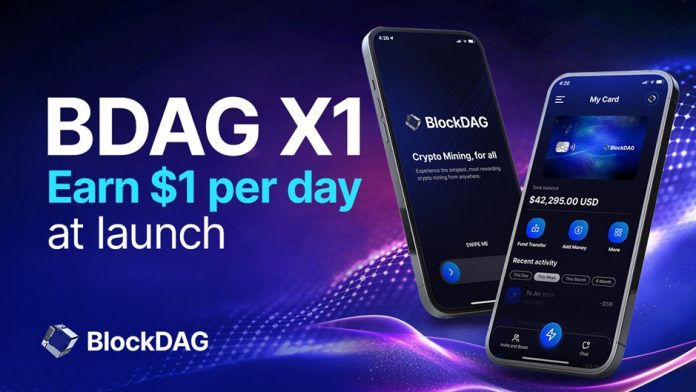
In its original keynote, displayed at the iconic Shibuya Crossing, BlockDAG highlighted its visionary miner application, X1. This innovative app transforms smartphones into efficient mining devices for BDAG coins, offering advanced yet energy-efficient consensus algorithms.

The X1 app seamlessly integrates proof of engagement into users’ daily routines, ensuring mining activities do not drain battery life or consume excessive data. With its user-friendly interface and intuitive features, X1 simplifies the mining process, while its unique referral system and daily engagement rewards enhance user participation and mining efficiency.

Moreover, BlockDAG’s X Series miners represent the pinnacle of efficient cryptocurrency mining technology, combining power optimisation with peak performance. These rigs are equipped with power supplies that exceed wattage requirements, enhancing cooling, efficiency, and longevity. With the potential to earn up to 20 BDAG coins daily and boasting an exceptional 30,000x ROI, BlockDAG is rapidly ascending in the competitive crypto market, offering a sustainable and rewarding path for miners of all backgrounds.
Takeaway

BlockDAG’s X1 miner app continues to captivate the market, promising unprecedented returns with a 30,000x ROI and notable achievements like the $2.3 million miner sale. The question of Ethereum overtaking Bitcoin remains sceptical, as Toncoin predicts bullish trends. Among these, BlockDAG revolutionises mining technology, setting a new standard for innovation and profitability to range among the top 10 cryptos.

Join BlockDAG Presale Now:

Website: https://blockdag.network

Presale: https://purchase.blockdag.network

Telegram: https://t.me/blockDAGnetworkOfficial

Discord: https://discord.gg/Q7BxghMVyu

Fascination with Rare “Epic Satoshi” Bitcoin Assets as Binance’s CZ Goes To Prison

0

The world of cryptocurrency is no stranger to excitement and novelty, and the recent auction of an “Epic Satoshi” is a testament to that. On April 25, 2024, a piece of Bitcoin history was made when one of only four “Epic Sats” was auctioned off for a staggering 33.3 BTC, equivalent to over $2.1 million. This event not only highlights the value placed on rare digital assets but also underscores the cultural and historical significance these assets hold within the Bitcoin community.

An “Epic Sat” is the first Satoshi of each halving epoch, a period that occurs approximately every four years when the block reward for Bitcoin miners is reduced by half. These sats are part of the Ordinals numbering system, which categorizes Satoshi’s based on rarity and significance within Bitcoin’s historical milestones. The auctioned “Epic Sat” was mined by ViaBTC during the fourth Bitcoin halving, marking a significant moment in the cryptocurrency’s timeline.

The auction, conducted on the CoinEx exchange platform, saw fervent bidding as collectors and enthusiasts vied for this rare Satoshi. Starting at 1 BTC, the bids quickly escalated, reflecting the high demand and the collectors’ willingness to pay a premium for such a unique asset.

The sale of this “Epic Sat” for over $2.1 million is not just about the monetary transaction; it represents the widespread embrace of Bitcoin and the community recognition of its value beyond just a currency. The Ordinals’ numbering scheme has sparked both controversy and excitement, creating an emerging market for Satoshi collectors and investors. The rarity levels within Ordinals range from “common” to “mythic,” with “epic sats” being among the rarest and most sorted after.

The market for these rare Satoshi’s is burgeoning, with specialized marketplaces witnessing increased activity and rare Satoshi’s fetching prices well above their nominal value. This trend is not just about the financial worth of these assets but also about the stories they tell and the legacy they carry. Collectors and investors are not merely purchasing a fraction of a digital currency; they are acquiring a piece of Bitcoin’s history.

The auction of the “Epic Sat” for over $2.1 million is a testament to the growing interest in collectible Satoshi’s and the broader potential of the Bitcoin market. It represents a new frontier where finance meets collectability, where each Satoshi can have a story, and where the rarity of an asset can elevate its value to new heights.

As we witness these developments, it’s clear that the fascination with rare Bitcoin assets goes beyond mere speculation. It’s about being part of a narrative that is still being written, about owning a token that has traversed the blockchain, and about embracing a future where the lines between currency and collectible are increasingly blurred.

The “Epic Sat” auction is not just a footnote in cryptocurrency history; it’s a harbinger of the diverse and dynamic future that awaits the world of Bitcoin and beyond.

CZ Binance Sentenced to 4 Months Prison Term in the US

The recent sentencing of Changpeng Zhao, the founder of Binance, to four months in prison has been a significant development in the cryptocurrency industry. The sentence was handed down after Zhao pleaded guilty to charges related to allowing money laundering activities through the Binance platform. This case has highlighted the ongoing issues of regulatory compliance within the crypto space and the need for companies to adhere strictly to anti-money laundering laws and practices.

Zhao’s sentence serves as a reminder to the crypto industry that growth and innovation must be balanced with legal and ethical responsibilities. The judge’s decision reflects a broader movement within the financial sector to ensure that companies are not only pursuing expansion but also prioritizing adherence to regulations designed to prevent financial crimes.

Binance has faced a series of legal challenges that have tested the resilience and adaptability of the platform. These challenges range from allegations of tax evasion to accusations of regulatory non-compliance across various jurisdictions.

One of the most significant legal hurdles for Binance came from Nigeria, where the Federal Inland Revenue Service (FIRS) filed criminal charges against the exchange for tax evasion. The FIRS accused Binance of failing to pay Value-Added Tax (VAT) and Company Income Tax, among other charges. This situation was further complicated when two Binance executives were detained and later escaped custody, leading to an international arrest warrant issued through Interpol.

The legal issues extended beyond Nigeria. In the Philippines, the Securities and Exchange Commission (SEC) blocked local access to Binance’s website due to the exchange’s lack of necessary operational licenses, barring it from offering investment and trading services within the country. This action reflects the increasing scrutiny that cryptocurrency exchanges are facing globally as regulators aim to protect investors and ensure market integrity.

In the United States, Binance has been embroiled in a high-stakes legal battle with the SEC, which has accused the exchange and its U.S. arm of artificially inflating trading volumes and diverting customer funds. These allegations point to the broader challenges that crypto platforms face in terms of market surveillance and investor protection.

The cumulative effect of these legal challenges has been significant, with Binance experiencing a decline in market share amid the controversies. The exchange’s response to these issues will be crucial in determining its future in the highly competitive and rapidly evolving cryptocurrency market.

As the crypto market continues to evolve, this case underscores the importance of robust compliance frameworks. It is a call to action for crypto platforms to implement stringent measures to detect and prevent illicit activities. The industry must work collaboratively with regulators to foster a secure and trustworthy environment for users.

Bitcoin Price Falls Below $57k, Faces Worst Month Since FTX Crash

0

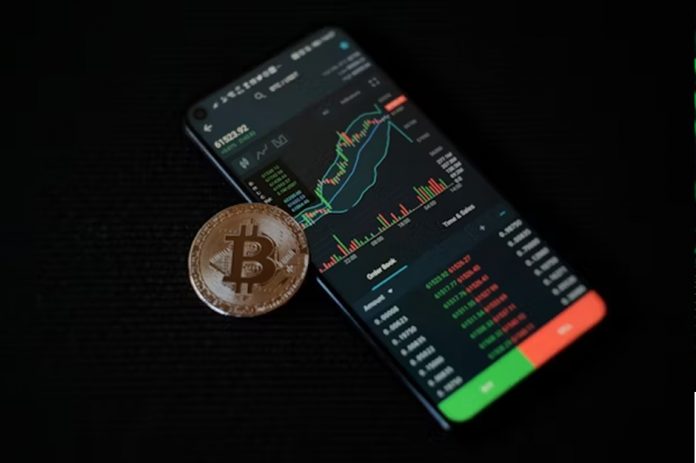
The price of Bitcoin has plummeted massively below the $57k price, as the crypto asset faces its worst trading month since the collapse of the crypto exchange FTX.

The cryptocurrency value was down by nearly 16% in April, only slightly better than the decline witnessed in November 2022, according to data from Bloomberg.

Amid renewed fears of U.S. stagflation, a worst-case scenario for risk assets, crypto markets are in the red. With the price of Bitcoin trading at $56,913 as at the time of writing this report, the calls for dip buying have reportedly surged.

With the price of Bitcoin significantly dropping in the last 24 hours, this has spurred a very high level of fear, doubt, and unrest among traders amidst predictions that the price of Bitcoin could decline further to the $52k price or below.

In a recent analysis, cryptocurrency expert Ali Martinez highlighted a significant trend concerning Bitcoin’s price dynamics. He noted that the last time Bitcoin tested the 100-day Exponential Moving Average (EMA) with the Relative Strength Index (R$I) dipping to 36 was in late January, which subsequently triggered a substantial price rebound. Now, Bitcoin finds itself once again at these critical levels.

However, Martinez cautioned investors to be vigilant, suggesting that a sustained close below the 100-day EMA could potentially indicate a downward movement toward the 200-day EMA, which is at the $52,000 level.

Recall that the surge in demand fueled by the anticipation of ETFs propelled Bitcoin to an all-time high of almost $74,000 in March. The approval of these funds by the US Securities and Exchange Commission (SEC) in January

had created a new avenue for engagement, surpassing everyone’s expectations. However, a sharp drop of approximately 5% on ETFs has pushed the market down with a ripple effect on the rest of the crypto market.

Ethereum, the second-largest cryptocurrency, suffered an 18% decline in April, marking its largest monthly drop since June 2022. Also, smaller cryptocurrencies such as Ether, Solana, and several Meme coins experienced substantial losses, while shares of crypto companies also closed lower.

Notably, the highly anticipated Bitcoin halving, a four-year event that reduces the supply of new coins and historically acts as a price catalyst, which occurred on April 20, had minimal impact this time around. While the halving did not directly affect transaction processing, it did cut the amount of new Bitcoin awarded to miners in half.

While there are hopes that the price of Bitcoin will likely rally back up this new month, several experts have stated that in terms of seasonality, May is not a good month for BTC. Over the past 13 years, bitcoin has ended a given month up on seven occasions and down six times. The average rise was 31.3%, and the average decline was 14.5%. Meanwhile, over the last three years, during May, BTC has slid 20% on average.

The market appears to be on a precipice currently, as it debates which direction to take, with significant bullish and bearish narratives.

Prominent Bitcoin detractor Peter Schiff recently took to his X handle to predict that the price of Bitcoin will plunge back to the $20,000 level.

He wrote,

“To manipulate the price of #Bitcoin higher $MSTR now owns 214,400 Bitcoin, at an average price of $35,180. The average price was under $12K when @saylor first bought. When Bitcoin trades back down to $20K, still a high price, MSTR will have an unrealized loss of $3.25 billion.”

Schiff has also accused MicroStrategy, which owns a total of 214,400 Bitcoin, of manipulating the largest cryptocurrency. 

However, even though Bitcoin has experienced a daunting ride over the past few months, Pomp Investments founder and partner, Anthony Pompliano says Bitcoin can cross $100,000 in the next 12-18 months.

Dynamics of Japanese Yen Depreciation and Bitcoin Interest

0

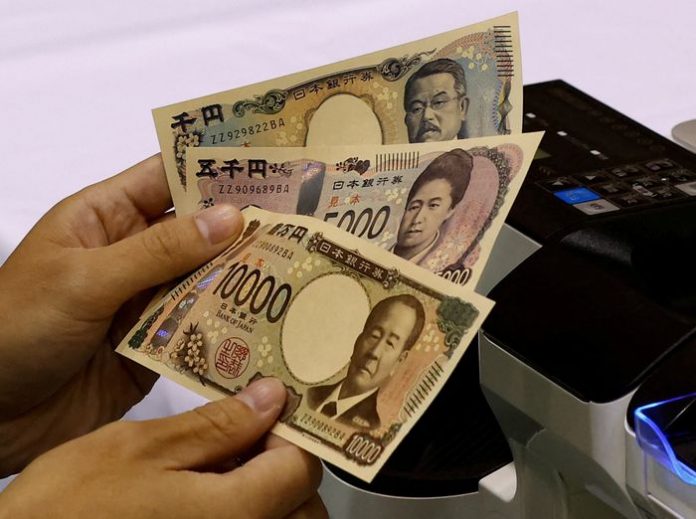
The Japanese yen’s depreciation to levels not seen in over three decades has sent ripples through the global financial markets. Amidst this currency turmoil, one might expect a surge in interest towards alternative assets like Bitcoin, which is often heralded as a hedge against fiat currency volatility. However, contrary to expectations, retail interest in Bitcoin has seen a decline.

This phenomenon presents a complex picture of investor sentiment and market dynamics. On one hand, the yen’s sharp fall should theoretically drive investors towards assets that are perceived as safe havens during times of currency devaluation. Bitcoin, with its decentralized nature and limited supply, has been considered by many as such an asset. Yet, the current trend shows a waning retail interest in the cryptocurrency.

Several factors could be contributing to this unexpected trend. The global economic landscape is witnessing unprecedented shifts, with inflationary pressures and interest rate policies by central banks, notably the U.S. Federal Reserve, influencing investor behavior. The Bank of Japan’s stance on maintaining low interest rates amidst the yen’s fall has further complicated the scenario.

Bitcoin’s position as a stable beacon amidst the yen’s crisis has been recognized, with its value against the Japanese currency experiencing a significant rise. This has sparked discussions about the potential of Bitcoin as ‘sound money’ and its role in an era marked by monetary instability. Despite this, the retail sector’s hesitation could be attributed to a myriad of reasons, including market saturation, the maturity of the cryptocurrency market, or a shift in the retail investors’ strategies.

Institutional interest in Bitcoin, however, tells a different story. Reports of substantial investments in Bitcoin by Japanese firms suggest a growing acceptance of cryptocurrencies as legitimate financial assets. This institutional confidence may eventually influence retail investors, potentially leading to a delayed reaction in retail interest.

The yen’s depreciation has not significantly impacted cryptocurrency prices yet, but the situation remains fluid. Any intervention by the Bank of Japan to bolster the yen could have far-reaching consequences for Bitcoin and other digital assets. As the financial world keeps a close watch on these developments, the interplay between fiat currency volatility and cryptocurrency interest continues to evolve.

In conclusion, the decline in retail interest in Bitcoin amidst the yen’s depreciation is an intriguing anomaly that challenges conventional wisdom. It underscores the complexity of market forces and investor psychology in today’s interconnected financial ecosystem. As the situation unfolds, it will be interesting to observe how retail sentiment adapts to the ongoing currency fluctuations and the broader economic context.

Unpacking the Maersk and Nigeria $600M Deal…and No Deal

0

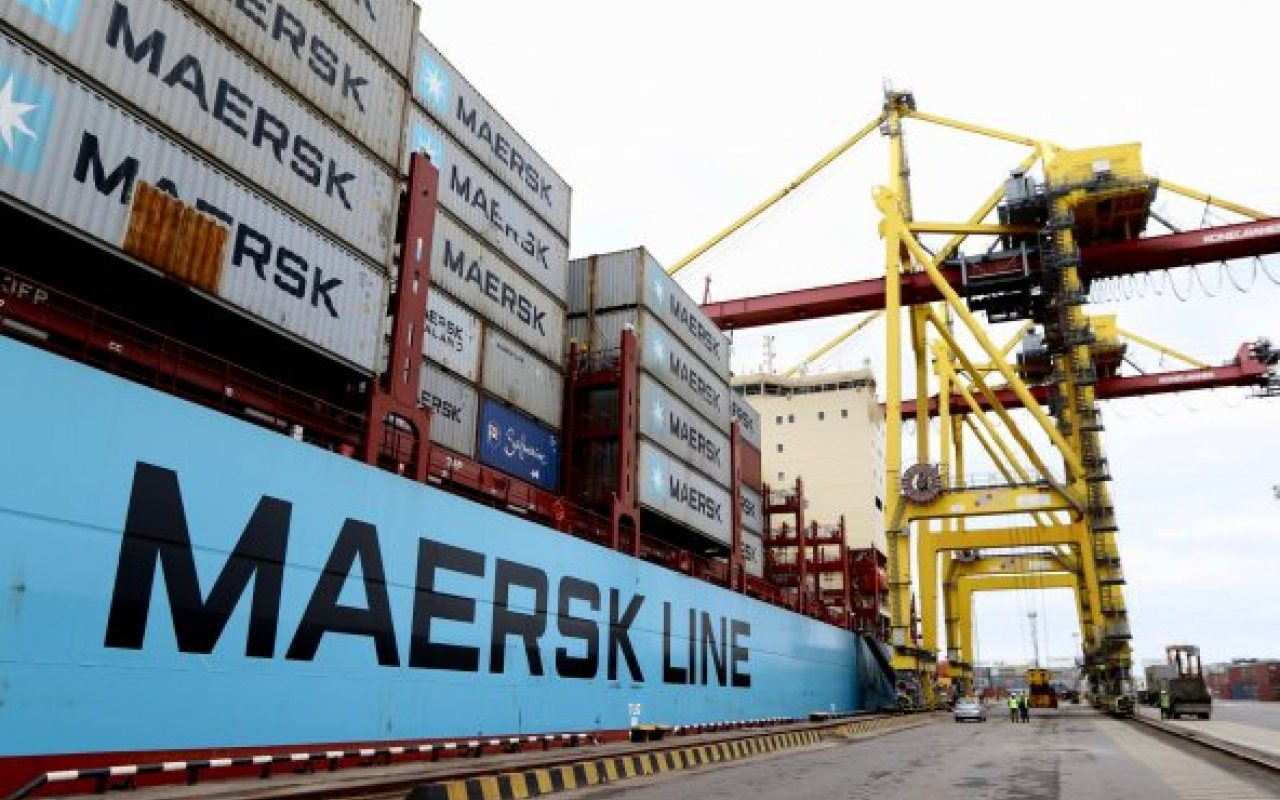
The business world was recently abuzz with the news of a significant investment deal involving A.P. Moller-Maersk, the Danish shipping giant, and the Nigerian government. The deal, reportedly worth $600 million, was intended to bolster Nigeria’s port infrastructure, a move that could revolutionize the country’s maritime logistics and trade facilitation. However, the waters have been muddied by controversy, with conflicting reports about the finalization of the agreement.

The conflicting reports between the Nigerian government and Maersk could lead to a sense of uncertainty among current and potential investors. This is particularly significant for Nigeria, as the country seeks to attract more foreign investment to diversify its economy and improve its infrastructure.

On one hand, the administration of President Bola Tinubu in Nigeria announced the investment as a done deal, a substantial boost to the nation’s port sector that would complement the existing $1 billion government allocation for seaport reconstruction. This investment was poised to enhance Nigeria’s capacity to accommodate larger container ships, reducing the need for trans-shipments and potentially positioning Nigeria as a maritime hub in West Africa.

The announcement detailed plans for modernization and automation of ports, including the implementation of a national single window project to streamline trade processes. The investment was also seen as a vote of confidence in Nigeria’s economy, with President Tinubu stating, “A bet on Nigeria is a winning bet.”

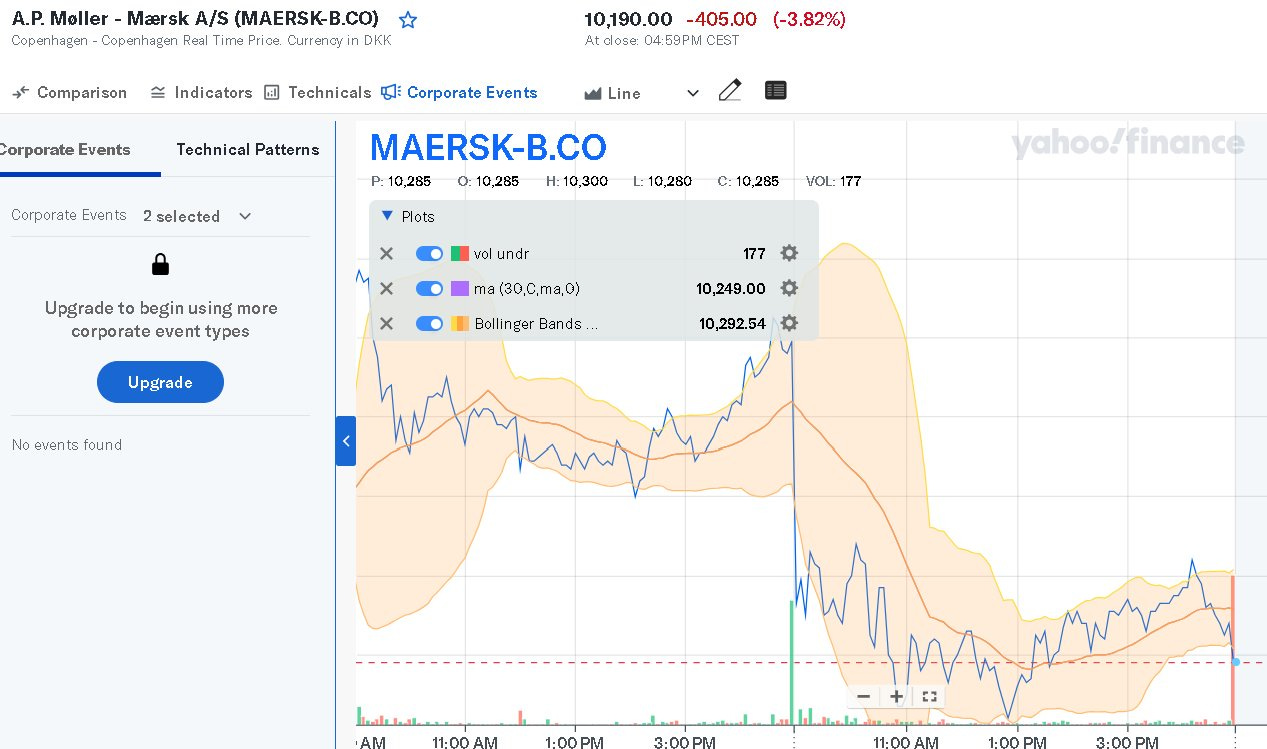
However, the narrative took a turn when reports emerged suggesting that Maersk had not finalized any such agreement. This discrepancy has led to a plunge in Maersk’s shares, as investors and stakeholders seek clarity on the situation. The uncertainty has highlighted the complexities of international investment agreements and the importance of clear communication between all parties involved.

The situation underscores the delicate balance between the enthusiasm for foreign investment and the need for due diligence and transparency. It also reflects the challenges faced by emerging economies in attracting and securing foreign investments that are critical for infrastructure development and economic growth.

The implications of the Maersk and Nigeria investment controversy are multifaceted, affecting investor confidence, political credibility, business communication, international negotiation protocols, and diplomatic relations. It is a situation that will likely prompt introspection and possibly reforms in how such international investment news is handled and disseminated in the future.

Moreover, the incident could prompt a reevaluation of the processes and protocols involved in negotiating international deals. It may lead to stricter guidelines and more rigorous checks to ensure that all claims of investment and partnership are substantiated and officially agreed upon before being made public.

As the story unfolds, it serves as a reminder of the intricate dance between global business giants and national interests, where every step must be carefully choreographed to ensure mutual benefit and success. The potential for Nigeria’s ports to handle larger vessels and the promise of increased efficiency and reduced logistical costs remain compelling. Still, the path to realizing these benefits is paved with the need for clear agreements and unwavering commitments.

For now, the business community will be watching closely as further details emerge, hoping for a resolution that leads to a prosperous partnership between Maersk and Nigeria. The outcome of this deal could set a precedent for future investments in the region and beyond, highlighting the importance of trust and reliability in international business relations.