DD
MM
YYYY

PAGES

DD
MM
YYYY

spot_img

PAGES

Home Blog Page 3426

How CBN’s Policy Triggered Destruction of Banking Sector Values in Nigerian Stock Exchange (NGX)

1

Right here when the Central Bank of Nigeria (CBN) pushed the banking sector recapitalization, and voided the use of bank profits as part of the paid-up capital requirements, I lamented that the process will make existing shareholders poorer, by diluting them, on the voyage of looking for “vapour” foreign investors or new funds. That policy made capital inefficient as the apex bank excluded retaining earnings. I was not happy about that, understanding the implications on existing investors.

If you read AO Lawal’s O’Level Economics textbook, he did not divide Capital into two forms when he explained Factors of Production. Yes, capital is capital, and should be treated that way, but when you begin to make capital to have tiers, you distort market equilibrium, and smart investors will punish you, especially in a public market.

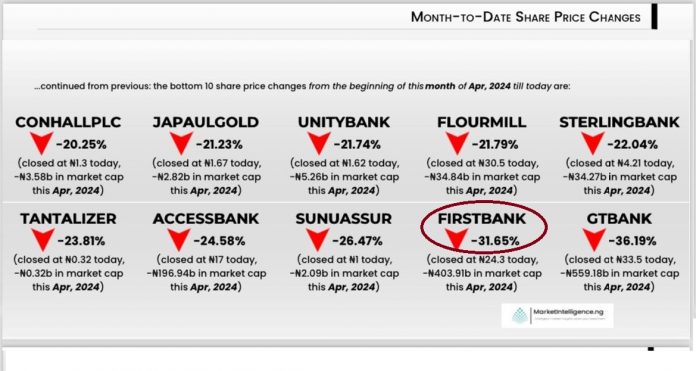
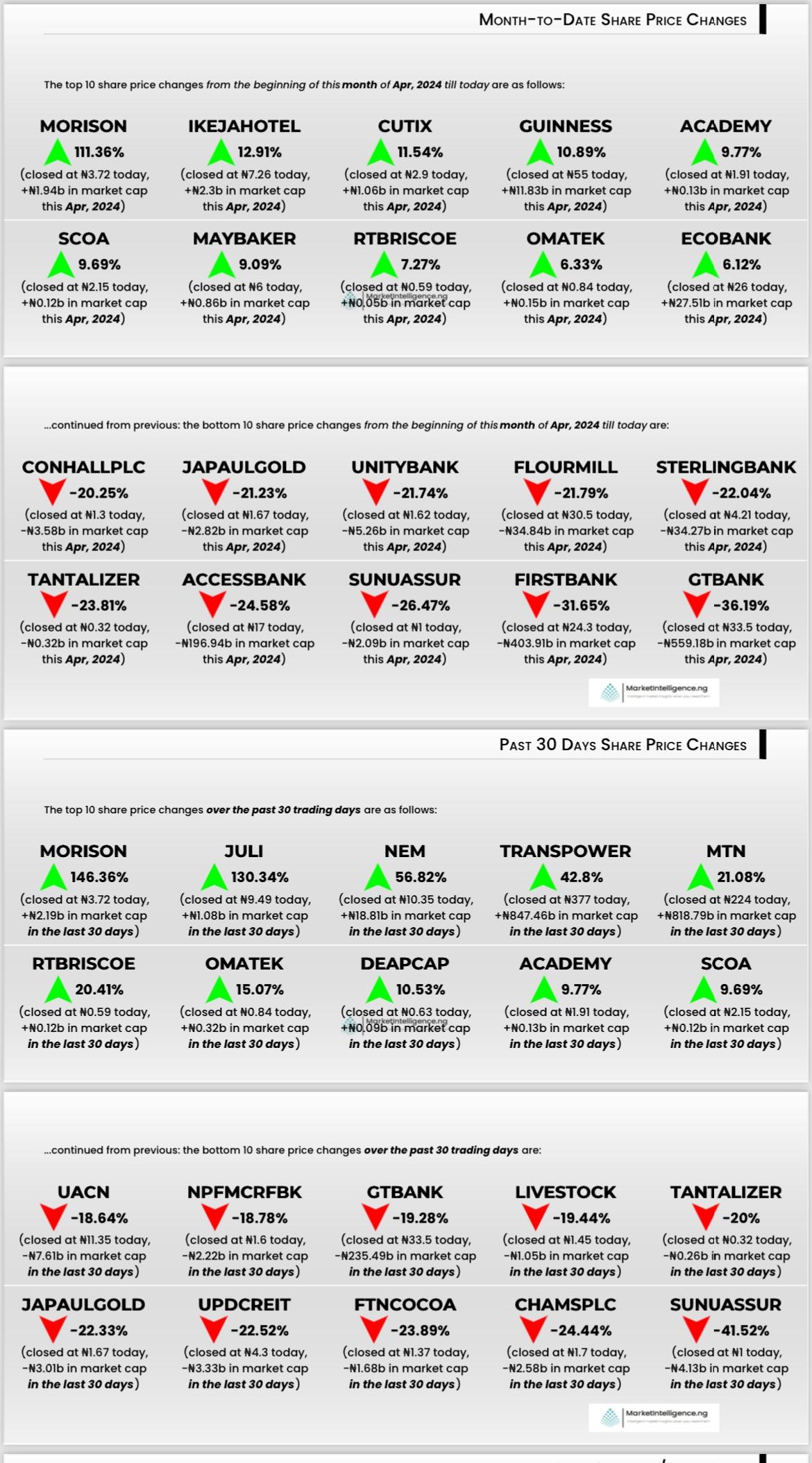
Since I dropped my note -”Bank Recapitalization In Nigeria Could Make Capital Inefficient Through Exclusion Of Retained Earnings “  on April 1, 2024, this is how some banks in Nigeria have performed (full report on click). I ended my April 1 2024 piece with a call: “I agree, this is a village boy, but I want someone to educate me why the retained earnings cannot be used for this playbook.” 
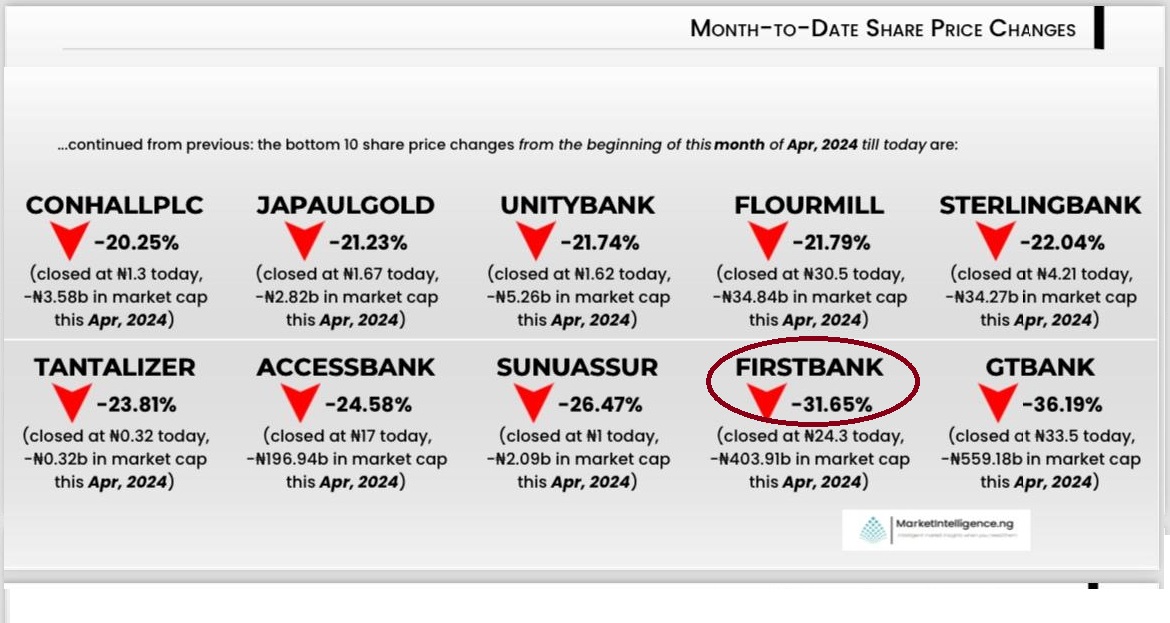
Needless to add that no one explained that to my satisfaction. But today, investors have explained, and the report is a massive trauma on the valuations of banks in the Nigerian stock exchange (NGX). You can also extrapolate that the exit of FirstBank CEO could be linked to the loss of 31% of the company value since April 1, 2024!

My concern was also what investors saw: you do not punish existing investors because you want some “foreign investors” in London, New York, etc to come. Today, they have made way, and in the process, causing problems for the banks.

It is arrogant to tell investors that you cannot get dividends and the retained earnings cannot be used for recapitalization. In other words, they get nothing for their risks even as they’re being diluted!

Comment On Feed

Comment 1: Prof. Ndubuisi Ekekwe Though I am not an economist by profession, but with the little I learned about it, I will specifically state here that the implementation of the apex bank policy, particularly in the banking sector recapitalization, had profound implications for existing investors, notably in diluting their holdings and hindering the retention of earnings within the system. By restricting the use of bank profits as part of the paid-up capital requirements, the policy effectively marginalized existing shareholders, compelling them to navigate a landscape seeking foreign investors or new funds, often leading to a diminishment of their wealth and influence in the market.

This departure from conventional economic principles, as exemplified in AO Lawal’s O’Level Economics textbook, where capital is traditionally viewed as a singular entity within the factors of production, underscores a distortion of market equilibrium. Dividing capital into tiers not only deviates from established economic paradigms but also invites scrutiny and aversion from astute investors, particularly in public markets where transparency and stability are paramount.

Ultimately, the policy’s repercussions extend beyond mere financial ramifications…

Comment 2: Prof, you need to think about this like a Central Banker with a Financial Stability mandate. The best form of capital for a bank is Common Equity Tier 1 (CET1) Capital: This is the highest quality capital, consisting mainly of common shares and retained earnings. It is the most effective capital to absorb potential losses. In this case, the CBN decided to back out retained earnings to have an even better quality capital, given it is an accounting form of capital which has been subjected to principle-based assumptions (accounting principles). CBN’s focus is on the best possible capital base in the capitalization drive. It’s all about financial stability. I hope this helps.

Comment 3: Prof, I beg to differ markedly from your position. Using AO Lawal’s textbook published 4 decades ago to measure CBN’s decision in 2024 is rather inappropriate, respectfully. Financial management is not artificial intelligence, a lot is dependent on human factor which is highly dynamic and largely unpredictable. Yes AO Lawal never divided capital into many forms because of what was available then. 25 years ago Venture capital was largely nonexistent globally. Today venture capital is virtually the only source of capital for start ups.

History is the study of change, ironically used as a map for the future. Financial indexes hardly behave like electromagnetic waves whose direction are determined by movement of electrons.

The import of the scenario lies in the objective of what CBN wants to achieve, they need FDI in foreign currency. They should be encouraged to pursue their objective with zest.
If the govt policies are consistent and uncertainties are reduced to the barest minimum, they will succeed, however there is room for error. My take is that the govt should sync their policies with the CBN objective especially in dealing with insecurities.

My Response: There is no capital form you mentioned that was not around when Lawal wrote his book. Yet, you might not have gotten my message. I am simply saying: Naira is Naira, do not start saying this is from London or New York or Umuahia or Kano. If you start doing that, you will offend some people. CBN was doing that when it told banks: you cannot pay dividends, but go and get new investors, and after that you can do that. You know what? Those NEW investors will then partake in the dividends, created months before they joined. Read that piece again…
Why Banking Stocks Continue to Bleed in Nigerian Stock Exchange (NGX)

1

When the Central Bank of Nigeria (CBN) announced the policy of recapitalization of Nigerian banks, I noted that if these banks should go through rights issues, existing shareholders would lose value, as they would be diluted: “Rights issue will increase the number of outstanding shares even though the valuation has remained the same, thereby diluting current shareholders.”

As Nigerian banks begin the playbook on how to raise capital, investors are calibrating the implications of many moves.  In the last few weeks, bank stocks have lost value in the Nigerian Stock Exchange (NGX). We have seen double digit percentage losses for most banks on their valuations.  That is expected: if they plan to dilute, you can get out, with big returns, and then rejoin later. 

For the low-tier banks, there is also going to be an issue of survival. In other words, the pressure will be huge on them to raise funds in a world of the big players.

Furthermore, there is another structural challenge. If banks raise these huge sums, they would be expected to inject them into the economy via loans and other product classes. As that happens, we can see increased inflation in the land. 

So, the monetary policy of the apex bank which has been to curtail inflation via rate increases could be muted as banks release more funds into the economy to stay within standard ratios on loans and broad assets. Largely, investors are modeling that inflation will stay high over the long-term and are making changes on their portfolios.

Full report here (PDF)

That said, if Naira remains STABLE irrespective of the exchange rate with US dollars, global investors will come. The instability of the Naira is more challenging to investors than its actual value in the mid- and long-terms. In the short-term, you focus on the exchange rate, but later, it is about stability. If Nigeria can get through Q3 2024 with a stable Naira, it will begin to rain again, not just for NGX players, but also startups!

Finally Nigeria needs to do all possible to ensure all the banks survive. Merging them does not really serve customers at the bottom that much, even as they support corporations which need banks with more capacities for loans. When Hallmark Bank, Citizens Bank and other regional banks folded in the Southeast, I have not seen replacements in what they were doing. So, my point is that we still need “small” commercial banks as their services remain catalytic.

How Digital Burnout is Depleting the Productivity of Remote Workers

0
Virtual event or meeting has gone mainstream, benefiting Zoom

The prevalence of remote work comes with a lot of benefits and a lot of challenges, too. One critical challenge that has recently come to the fore is Digital Burnout.

What is digital burnout?

Do you know how people get burned out at work? Well, it is similar, but this time, it is particular to digital tools.

The World Health Organization (WHO) 2019 defined burnout as “a syndrome conceptualized as resulting from chronic workplace stress that has not been successfully managed,” they add that it can affect a person’s health.

The WHO added that burned-out individuals have “feelings of energy depletion or exhaustion, increased mental distance from one’s job, or feelings of negativism or cynicism related to one’s job and reduced professional efficacy.”

Working from home has significantly increased the frequency and the way people use digital tools. They use it for communication – to send messages to colleagues and bosses. They use it for social reasons – like checking on a colleague, even outside work hours. These tools are also used for meetings and conferences, for preparing and turning in reports, and even for preparing to-do lists and scheduling things to be done.

Succinctly put, there is a tool or tools for everything you do at work. From social interactions to all forms of internal and external communications, technology is indispensable now. But it is also fast, leading to digital burnout among remote work staff.

This started as far back as the Coronavirus pandemic lockdown when, after working for months from home, people started complaining of burnout. Some might have questioned the reason for the burnout, seeing as they were working from home, but we now understand it as digital burnout.

A 2019 Workplace Productivity Report showed that 87% of American office workers spent an average of seven hours a day staring at screens, and more than half of 1057 people reported fatigue or depression stemming from digital overload.

There is the fact that they intrude on our time, of course, especially when you are about to have a shower and you get a notification on your Teams app showing you that your boss has just initiated a meeting outside official work hours. But this is just one part of all that digital burnout entails.

Common symptoms of digital burnout

Fatigue or reduced energy/motivation

If you feel constantly tired, even at the start of a new work day, it might indicate that you are experiencing digital burnout. Often, this will happen alongside other symptoms.

Insomnia, headaches, and muscle pain

This mostly follows the stress, and you get less sleep, both in quality and quantity. Headaches and muscle pains can also accompany it, and if a medical check shows nothing is wrong with your health, you may be dealing with digital burnout.

Forgetfulness and inability to concentrate

With the constant beeps of notifications, emails, phone calls, conference meetings, and reminders, it could become hard to concentrate on a single task, and you would find yourself forgetting details.

Decline in Performance

Once you are dealing with the other symptoms, performance first stagnates and then naturally begins to decline.

Anxiety, Depression, and Frustration

What to do about digital burnout?

The first thing to do is take a leave. Don’t wait till you get to the point where you mentally disengage from the job. Take a week’s leave or two from work. Ensure it’s a clean break, not where you are on leave but still working. Turn off all notifications and emails, and take a break from all your gadgets. If you notice a staff is experiencing a digital burnout, have them take a break.

Create boundaries and be strict with them. There is no point working remotely if it means working all around the clock. Have definite hours for work, and if you have to go outside of these hours now and then, it is cool. But you can’t be on call at all hours and every day of the week.

Work-life balance is necessary, too. It is okay to work remotely, but make sure you are not sitting inside your house all the days of the week. Once you finish work, stroll, see a friend, or garden at the back of the house. Whatever it is, do something that does not involve a digital device, and for context, television is a digital device.

If you are an employer, you should encourage your employees to do this regularly.

Influencer Marketing: What Really Works?

0

I do believe we are no longer just in the digital age but actually in the social media age. One of the forms of marketing that have become popular recently is Influencer marketing. Influencer marketing isn’t entirely new, but its prominence has skyrocketed recently.

Essentially, it involves partnering with individuals who have a dedicated following (or influence) on social media platforms to promote products or services. These influencers, ranging from celebrities to micro-influencers, are believed to wield significant sway over their audience’s purchasing decisions.

Understanding Influencer Marketing

At its core, influencer marketing is really about authenticity and trust. Unlike traditional advertising, which can feel impersonal and intrusive, influencer marketing leverages the credibility and relatability of influencers to create genuine connections with consumers. By aligning with influencers whose values and interests resonate with their target demographic, businesses can effectively tap into niche markets and foster brand loyalty.

Let’s talk Hyper-Niche influencers

While influencer marketing traditionally focused on partnering with high-profile personalities with massive followings, there’s been a noticeable shift towards hyper-niche strategies. Instead of targeting broad audiences, businesses are increasingly turning to micro-influencers – individuals with smaller but highly engaged followings within specific niches.

So, instead of just going with a very popular celebrity with over 1 million followers, a food brand can choose to go with a Food vlogger and chef with a dedicated following of 500,000 followers. The difference for businesses is just the assurance that all of the dedicated following of the micro-influencer are people interested in cooking, which constitutes their potential audience.

This is a more focused and targeted (and I dare say more effective) form of influencer marketing. If you think of it this way, why should the audience take advice on cooking brands from a celebrity just because they love her acting skills when they could take cooking advice from a celebrity chef whose recipes they are constantly trying to recreate?

Why Hyper-Niche?

Hyper-niche influencers offer several advantages over their more prominent counterparts. Firstly, they often have a deeper connection with their audience, resulting in higher engagement rates and increased authenticity. Secondly, hyper-niche influencers are more cost-effective, making them an attractive option for businesses with limited marketing budgets.

Also, tapping into hyper-niche communities allows brands to reach highly targeted audiences with a genuine interest in their products or services.

When to Go Offline

While digital influencer marketing continues to thrive, there’s a growing recognition of the value of offline strategies. In an increasingly saturated online environment, offline tactics can help businesses cut through the noise and make a lasting impression on consumers. You know how you skip those ads when they interrupt your viewing experience, right?

Influencer marketing can sometimes be taken offline into scenarios like experiential marketing events, product launches, and pop-up shops offering opportunities. They allow face-to-face consumer interaction, allowing brands to create memorable experiences and foster genuine connections. Additionally, partnering with influencers for offline collaborations, such as sponsored events or community initiatives, can help amplify brand messaging and reach new audiences meaningfully.

The point is that offline and online influencer marketing aren’t mutually exclusive. They can complement each other. You can integrate offline activations with digital campaigns to extend your reach and maximize impact. You can generate buzz on social media, driving online conversations and engagement while doing offline activations. The ultimate goal is forging deeper connections with consumers and driving tangible results.

Ultimately, whether online or offline, the key to successful influencer marketing lies in authenticity, relevance, and creativity.

BlackRock’s Strategic Embrace of Bitcoin

0

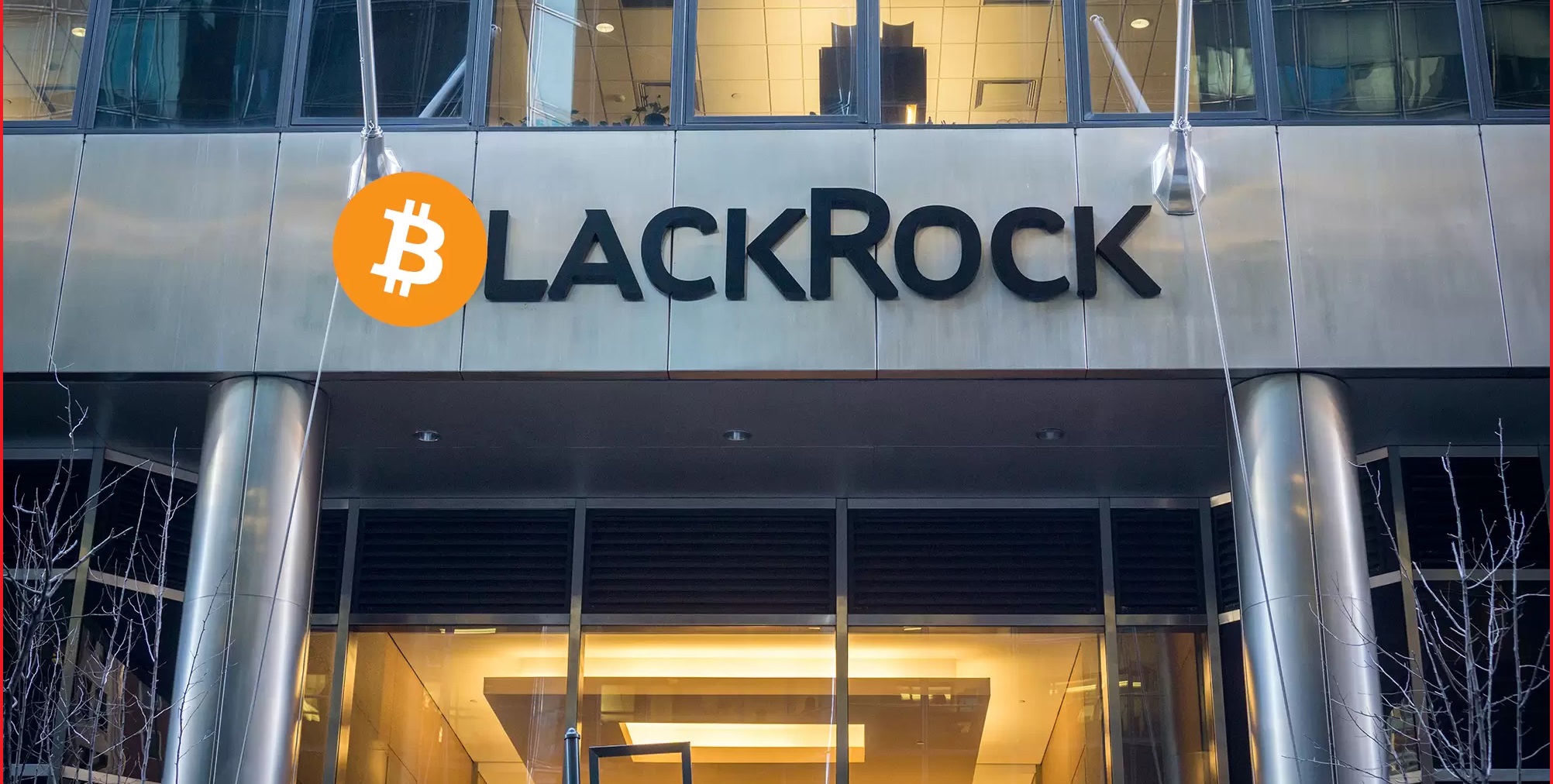
In the face of mounting inflationary pressures, BlackRock, the world’s largest asset manager, has made a significant move by diversifying into Bitcoin. This strategic pivot is not just a mere addition to their vast portfolio; it is a profound statement on the evolving nature of asset management in an era of digital disruption and economic uncertainty.

The decision by BlackRock to adopt Bitcoin as a hedge against inflation comes at a critical time when the traditional financial markets are grappling with the challenges posed by rising inflation figures. The Bureau of Labor Statistics’ recent warnings about the uptick in inflation for March have only added to the concerns over the US dollar’s stability and the global financial trends that are shaping the economy.

Bitcoin, with its finite supply and decentralized nature, offers an alternative avenue for preserving value. This is particularly relevant in the context of the BRICS bloc’s efforts to reduce dependency on the US dollar. Countries like Brazil, Russia, India, China, and South Africa are exploring alternatives to the greenback, and digital assets such as Bitcoin present themselves as technologically advanced options.

Larry Fink, CEO of BlackRock, has expressed a bullish outlook on Bitcoin, noting the positive market response to the firm’s application for a Spot Bitcoin ETF. His remarks underscore the firm’s recognition of Bitcoin’s potential to act as a hedge against inflation and currency devaluation. This endorsement from a top executive is a significant nod to the cryptocurrency’s role in the future of finance.

The implications of BlackRock’s move are manifold. It signals a growing acceptance of digital assets among institutional investors and indicates potential shifts in global financial practices. As cryptocurrencies continue to gain traction, they could play a pivotal role in redefining how value is stored and exchanged in an increasingly digital world economy.

Moreover, this transition aligns with the rising gold prices driven by increased demand from central banks. The trend complements the growing interest in Central Bank Digital Currencies (CBDCs) and other digital assets, indicating a shift towards more diversified and technologically integrated financial systems.

As we look ahead, BlackRock’s strategy to use Bitcoin as an inflation hedge not only highlights the asset’s growing acceptance but also signals a broader trend towards cryptocurrency adoption. Whether this move heralds a new era for asset management or is a response to the immediate economic conditions, it certainly marks a significant moment in the intersection of traditional finance and the burgeoning world of digital currencies.

The future of global finance may well be shaped by these developments, as the world watches closely how traditional and digital assets will coexist and complement each other in a rapidly changing economic landscape.