DD
MM
YYYY

PAGES

DD
MM
YYYY

spot_img

PAGES

Home Blog Page 3430

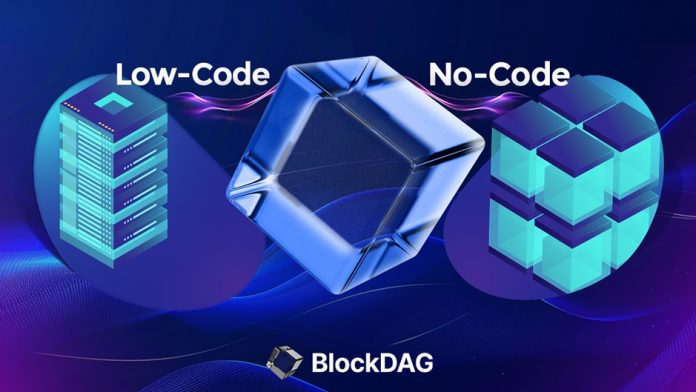
BlockDAG’s Novel Low-Code/No-Code Platform Captures the Attention of Solana Meme Coin Developers Amid XRP Volatility

0

Amid the unpredictable fluctuations of Solana meme coins and the uncertain price trends of XRP, BlockDAG is emerging as a clear leader in the cryptocurrency space. While Solana faces the fallout from its devalued meme coins and investors question XRP’s stability after short-lived rallies, BlockDAG offers a reliable and accessible solution. Its cutting-edge low-code/no-code platform empowers even novice developers, particularly those interested in meme coin creation. It sets it apart as a solid investment in innovative digital assets while gaining investors’ trust with $21.4 million secured in presale.

The Challenges of Solana Meme Coins

Solana’s meme coin sector recently experienced a significant downturn, with a notable investment decline following several projects’ abandonment. This included the meme coin ‘I Like This Coin,’ which saw a drastic 99.2% drop post-launch, highlighting the risks inherent in these volatile investments. This sharp downturn echoes the unpredictability of the 2017 ICO boom, underscoring the speculative nature of meme coins.

XRP Struggles with Market Instability

XRP recently enjoyed a brief price surge of 25%, climbing in the wake of the Bitcoin halving event. However, this gain was short-lived, as a significant decrease in trading volume hinted at an impending price drop. Such fluctuations underscore the ongoing challenges XRP faces, reinforcing the market’s demand for more reliable investment alternatives.

BlockDAG: A Beacon of Stability and Innovation

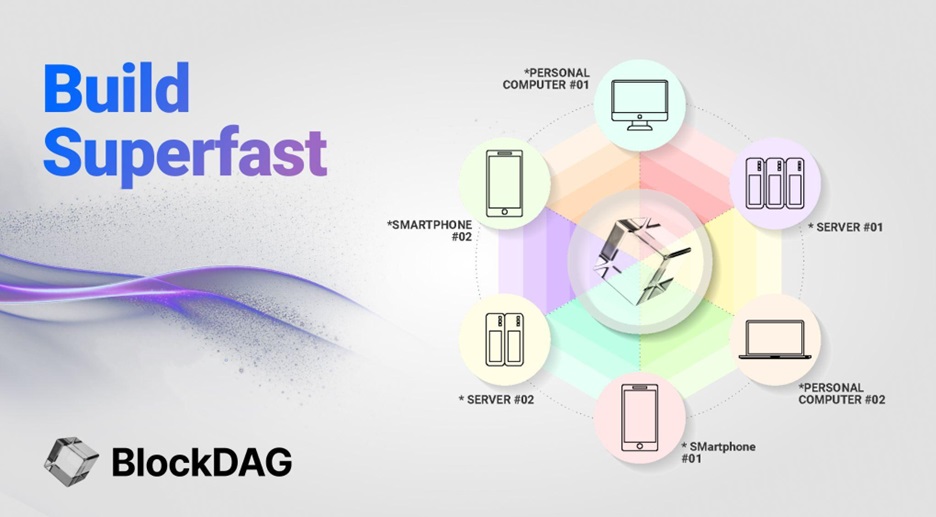
In contrast, BlockDAG’s platform introduces an easy-to-use low-code/no-code approach that dramatically simplifies blockchain development. This particularly appeals to creators in the volatile meme coin market, providing them the tools to launch projects without needing deep technical expertise. BlockDAG’s platform supports the rapid deployment of digital assets, offering a stable and straightforward alternative to the often complex and speculative traditional cryptocurrency investments while showcasing investors’ trust with $21.4 million secured in presale.

BlockDAG’s commitment to accessibility is evident in its user-friendly interfaces and pre-built templates, which empower users to bring their innovations to market efficiently. This approach democratizes blockchain technology and supports a diverse range of applications, making it an attractive option for those discouraged by the complexities of other cryptocurrencies like Solana and XRP.

Why BlockDAG is the Superior Choice

The instability of investments in Solana meme coins and the uncertain future of XRP highlight the value of BlockDAG’s robust, developer-friendly platform. With its innovative low-code/no-code capabilities, BlockDAG offers a secure and lucrative opportunity for seasoned investors and crypto market newcomers.

By prioritizing ease of use and broad accessibility, BlockDAG attracts a wide audience and positions itself as a leader in the next wave of crypto innovation, making it a top pick for anyone looking to invest in reliable and promising digital assets while displaying investor’s trust by gaining $21.4 million in presale.


Join BlockDAG Presale Now:

Website: https://blockdag.network

Presale: https://purchase.blockdag.network

Telegram: https://t.me/blockDAGnetworkOfficial

Discord: https://discord.gg/Q7BxghMVyu

How Sensible Are You Before Creating and Sharing Information

0

Information and communication are two key components of human and organisational relationships that cannot be ignored for long. When they are not prioritised or completely neglected, there is potential for rumour and gossip. Scholars and professionals believe that the world is now in a post-truth era, implying that individuals are generally unwilling to tell the truth. The failure to disclose the truth has resulted in what the world today refers to as information pollution, which includes disinformation, misinformation, mal-information, hate speech, and propaganda. 

The ability to generate and disseminate viewpoints is more powerful than ever in the digital age, where platforms are plentiful and information is easily shared. However, a concerning trend has surfaced in the middle of this abundance: a deterioration in moral awareness. It is becoming more and more important for people to stop and consider the moral consequences of their acts as news items are included into digital platforms.

The essential question at the core of this problem is how rational we were before producing and disseminating information online? In order to respond to this question, we must first acknowledge the enormous influence that our words and deeds can have on influencing the attitudes and views of others. It is impossible to overestimate the possible ramifications of our digital footprint in a connected society where information is shared instantly.

Information creation and sharing is a moral obligation rather than just a way for us to use our right to free speech. Each and every material we create has the capacity to inspire, inform, and influence. However, this authority also entails a responsibility to use it sensibly and cautiously. We need to think about the ethical ramifications of the information we offer in addition to its veracity and applicability.

In the context of digital communication, moral sensibility includes a variety of qualities such as respect for diversity, empathy, and integrity. Before pressing the “share” button, we must take a moment to consider whether our words and images advance the conversation or if they exacerbate hurt, disinformation, or division.

Furthermore, morality requires us to deliberately seek out different viewpoints and politely converse with those who hold opinions that are different from our own. It is all too simple to surround ourselves with like-minded people in this day and age of echo chambers and filter bubbles and to write off opposing opinions out of hand. However, genuine moral development happens when we are prepared to leave our comfort zones and interact with viewpoints that contradict our presumptions and convictions.

It takes a community to develop moral awareness in the digital era, as well as a dedication to promoting an ethical communication culture. The rules and values that guide our online interactions are greatly influenced by digital platforms, which operate as the gatekeepers of online conversation. They need to be proactive in promoting responsible sharing, dispelling false information, and creating a community based on respect and understanding.

In the end, the relationships and communities we establish, together with the content we produce and distribute, are what truly determine our moral sensibility in the digital age. We can leverage the revolutionary power of digital communication to build a more equitable, inclusive, and compassionate society by adopting empathy, integrity, and respect in our online relationships. Let’s take advantage of this chance to set an example and change things for the better in the digital world and beyond.

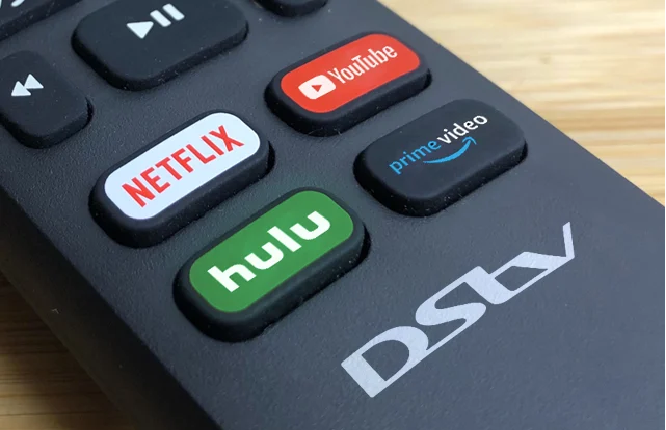
As Court Pauses DStv, GOtv Price Increases, MultiChoice Nigeria Now Has Limited Choices To Remain in Business

2

What a nation: “A Federal High Court in Abuja, on Monday, has ordered the stoppage of the planned increase in DStv and GOtv subscription prices by Multichoice Nigeria.” Yes,  a court has aborted MultiChoice’s plan to raise subscription prices of its products.

Good People, I do not like this playbook by our courts. I hate it when courts influence markets this way. I have been checking when the court will rule on a case brought by some citizens, against the electricity regulator, for putting customers in pricing bands. Those customers had posited that they were being discriminated against, by using their locations to determine the prices they pay for electricity. They have no response yet, but they have time for DStv and GOtv.

Personally, I do think the increase on these products makes sense considering that Naira has lost value against the pounds. This attitude of the court is very unfortunate. I do not understand how watching the European Champions League is enshrined in the Nigerian constitution for the judges to become this involved over years, on this matter.

I do not live in Nigeria to care about DStv. But what I know is that DStv’s core product (European football) is a foreign product, created in Europe. If MultiChoice does its agreements every 5 years, there is a likelihood that it paid for its current rights when Naira was going for say N415/$. It paid the Europeans in foreign currency and never in Naira. If that remains the case, and with Naira hovering around N1000/$, if MultiChoice does not increase price, it has to be assessed for running a charity as a for-profit company.

I get it, the price of DSTv is more expensive compared with prices in Kenya and South Africa. Unfortunately, the person has not considered that every business in Nigeria runs its own security unit, waterboard, electricity board via generators, etc, and there is no way any business can have those costs, and still deliver prices which are comparable in other markets.

Last year, MultiChoice recorded massive losses in its business. That is partly coming because it has struggled to align its prices, as courts have made that nearly impossible. Indeed, MultiChoice offers customers multiple choices, but here, it has only a single choice to remain in business: jack up prices since it cannot return to Europe to renegotiate rates because the Naira has crashed! But Nigerian courts do not agree! That is unfortunate!

Apple’s Potential Integration of OpenAI AI into Next iPhone

0

The smartphone industry is on the cusp of a new era, one that promises to intertwine cutting-edge artificial intelligence with the daily lives of users more intimately than ever before. Recent reports suggest that Apple Inc. is in advanced discussions with OpenAI to integrate generative AI technology into its upcoming iPhone models. This collaboration could herald a transformative shift in how users interact with their devices, offering unprecedented levels of personalization and efficiency.

The integration of OpenAI’s AI into the iPhone could unlock a myriad of functionalities. Users might soon enjoy automatic text generation for messages and emails, sophisticated article summarization, and even real-time language translation, all powered by the most advanced AI algorithms. The potential for enhanced productivity and streamlined communication is immense, with AI features seamlessly woven into the fabric of iOS.

Apple’s move to incorporate AI into its ecosystem is not entirely surprising. The tech giant has always been at the forefront of innovation, and its interest in AI has been evident through various acquisitions and research initiatives. However, the partnership with OpenAI represents a significant leap forward, potentially bringing the capabilities of platforms like ChatGPT directly to users’ fingertips.

The implications of such integration are far-reaching. For one, it could redefine the scope of mobile technology, making smartphones not just tools for communication but also for learning, creativity, and problem-solving. Imagine asking your iPhone to draft a complex report, compose a piece of music, or even generate a workout plan tailored to your preferences and goals. The possibilities are as vast as the capabilities of AI itself.

Moreover, this integration could set a new standard for user privacy and data security. OpenAI’s commitment to ethical AI development aligns with Apple’s stringent privacy policies, suggesting that the user’s data could be handled with the utmost care. This partnership could also accelerate the development of AI applications that respect user privacy, a critical concern in today’s digital landscape.

The integration of artificial intelligence (AI) into smartphones is not just a trend; it’s a revolution that’s reshaping the way we interact with our devices. With Apple reportedly in talks with OpenAI, the potential for AI-powered features in the next iPhone is a topic of great excitement and speculation. Here, we delve into the possibilities that could enhance the iPhone’s capabilities and redefine user experience.

AI could significantly enhance the iPhone’s camera system by introducing more sophisticated computational photography techniques. This could include better low-light performance, enhanced detail preservation, and real-time photo editing suggestions based on the context of the scene.

Imagine an iPhone that not only tracks your daily activities but also provides health insights and early warnings by analyzing data trends. AI could enable the device to detect irregular patterns and suggest medical consultations when necessary.

Battery life remains a crucial aspect of the smartphone experience. AI could manage battery usage more efficiently by learning the user’s habits and optimizing power consumption for apps and services accordingly.

AI could tailor the iPhone’s user interface to individual preferences, learning from interactions to prioritize apps and features. This personalization could extend to adaptive icons, widgets, and even control gestures that evolve with the user’s behavior.

Security is paramount, and AI could offer more robust protection against threats. This might include intelligent detection of phishing attempts, malware, or unusual activity that could compromise user data.

With AI, the iPhone could become a universal translator, allowing for real-time, conversation-level translation across multiple languages, making communication seamless and more accessible than ever.

As we await further details on this exciting development, one thing is clear: the future of smartphones is intelligent, adaptive, and deeply personalized. With Apple and OpenAI potentially joining forces, we are looking at the dawn of a new chapter in mobile technology, one that promises to make our digital experiences more intuitive and empowering than ever before.

Samourai Wallet Founders Arrested and Charged over $2B Money Laundering Transactions

0

The recent arrest of the Samourai Wallet founders has sent shockwaves through the cryptocurrency community. Keonne Rodriguez and William Lonergan Hill have been charged with operating an unlicensed money-transmitting business that allegedly facilitated over $2 billion in unlawful transactions. This case highlights the ongoing debate around the use of cryptocurrency mixing services, which are designed to enhance privacy but can also be misused for illicit activities.

Samourai Wallet is a Bitcoin wallet application known for its emphasis on user privacy and security. It was designed to provide users with a platform that enhances the anonymity of their Bitcoin transactions. The wallet offers various features such as stealth mode, remote SMS commands, and a Segregated Witness (SegWit) implementation, which helps in reducing transaction fees by optimizing the size of transactions.

Cryptocurrency mixers, or tumblers, are services that mix various streams of potentially identifiable cryptocurrency, making it more difficult to trace the funds back to their original source. While these services can be used for legitimate privacy reasons, they also pose a significant challenge for law enforcement agencies trying to combat money laundering and other financial crimes.

One of the key features of Samourai Wallet is its commitment to privacy. It includes integrated access to a Bitcoin mixer, which is a service that mixes different streams of potentially identifiable cryptocurrency. This process makes it more difficult to trace the funds back to their original source, thereby increasing privacy. However, it’s important to note that while these services can be used for legitimate privacy reasons, they can also be misused for illicit activities, such as money laundering.

Samourai Wallet also provides its users with a self-hosted full node server, which allows them to validate their own transactions without relying on third-party services. This feature is part of the wallet’s aim to empower users to be sovereign over their own financial transactions.

Despite its features aimed at enhancing user privacy, it’s crucial for users to understand the legal implications of using any financial tool, especially those that operate in areas with strict financial regulations. The recent events involving the Samourai Wallet founders have highlighted the potential risks and legal responsibilities associated with the use of privacy-centric financial tools.

The indictment alleges that the Samourai Wallet, which has been in operation since 2015, facilitated more than $100 million in money laundering transactions from illegal dark web markets. The charges against Rodriguez and Hill include conspiracy to commit money laundering and conspiracy to operate an unlicensed money transmitting business, carrying a maximum sentence of 20 years and five years, respectively.

The case against the Samourai Wallet founders underscores the delicate balance between the right to privacy and the need for transparency in financial transactions to prevent criminal activities. It also raises important questions about the responsibilities of technology providers in ensuring their platforms are not misused for illegal purposes.

As the legal proceedings continue, the cryptocurrency community will be watching closely to see how this case impacts the future of privacy-focused financial services and the broader regulatory landscape for digital currencies. The outcome could set a precedent for how similar services are treated under the law and how much scrutiny they face from authorities.

For now, the arrests serve as a reminder of the potential legal risks associated with providing or using privacy-centric financial tools, especially those that operate in the gray areas of the law. It is a wake-up call for the industry to foster innovation while ensuring compliance with existing financial regulations to prevent misuse.

The full implications of this case will unfold over time, but it is clear that it marks a significant moment in the ongoing dialogue between privacy advocates, regulators, and law enforcement agencies. As the cryptocurrency space continues to evolve, so too will the discussions around privacy, security, and the ethical use of technology.

Impending Removal of Phoenix Wallet from the US App Store

The digital finance landscape is undergoing a significant transformation, and the latest development in this rapidly evolving sector is the removal of Phoenix Wallet from the US App Store, slated for May 3rd, 2024. This move is a direct consequence of heightened regulatory scrutiny over cryptocurrency services, particularly those enabling self-custody of digital assets.

Phoenix Wallet, a non-custodial Bitcoin lightning wallet, has been a prominent player in the crypto space, offering users the ability to manage their digital assets without intermediary control. However, recent regulatory developments have cast a shadow over the operations of such services. The US authorities’ increasing focus on cryptocurrency firms, especially those considered potential Money Services Businesses (MSBs), has led to a crackdown on unregistered entities.

The case of Phoenix Wallet is particularly noteworthy as it follows the indictment of the founders of Samourai Wallet, another service in the crypto space, on charges of facilitating illegal transactions. This has sent ripples through the industry, with the Federal Bureau of Investigation (FBI) issuing warnings about operations targeting various unregistered crypto firms.

This incident highlights the ongoing debate between the principles of decentralization and the established policies of centralized app stores. Decentralization advocates argue for a more open and less restrictive digital ecosystem, where users have greater control over their data and transactions. On the other hand, app stores, such as the one operated by Apple, maintain strict guidelines to ensure a secure and consistent user experience, which often includes a cut of in-app transactions.

The crux of the issue lies in the app’s tipping feature, which utilizes Bitcoin’s Lightning Network to facilitate transactions. Apple’s guidelines require that digital content transactions go through its in-app purchase system, ensuring the company receives a percentage of the revenue. The app developers made adjustments to comply with these rules, but the app was still slated for removal, prompting a public response from Dorsey and plans for an appeal.

This situation raises important questions about the future of app distribution and the role of cryptocurrency in digital transactions. As decentralized platforms gain popularity, the tension between these new models and traditional app store policies is likely to increase. The outcome of this particular case could set a precedent for how decentralized apps operate within the confines of centralized marketplaces.

Phoenix Wallet’s decision to exit the US market is a reflection of the broader challenges faced by the cryptocurrency industry. The regulatory environment in the United States has become increasingly uncertain, with authorities taking a hard stance on services they believe could be involved in money laundering or other illicit activities. This has led to a situation where companies like Phoenix Wallet are choosing to withdraw their services rather than navigate the murky waters of compliance.

For users of Phoenix Wallet in the US, the company has issued guidance on how to empty their wallets before the app’s removal from the store. This includes instructions on closing channels for Android users and draining wallets for those on iOS, with a recommendation to avoid force-closing channels due to the potential for significant on-chain fees.

The departure of Phoenix Wallet from the US App Store is a significant event that highlights the ongoing tension between innovation in the fintech sector and the regulatory frameworks designed to oversee it. As the landscape continues to shift, it will be crucial for both industry participants and regulators to find a balance that fosters innovation while ensuring the security and legality of financial transactions.