DD
MM
YYYY

PAGES

DD
MM
YYYY

spot_img

PAGES

Home Blog Page 3434

A Stay-at-Home Dad Made a Fortune With a Modest BNB Investment, BlockDAG’s Presale Success and Potential 30,000x ROI

0

The tales of ordinary individuals amassing wealth through modest investments captivate us, highlighting the vast potential of burgeoning markets like cryptocurrency.

This narrative delves into the life of a stay-at-home dad who transformed his financial future with a small investment in BNB coin. It also examines the promising opportunity BlockDAG presents, which is expected to deliver returns as high as 30,000 times the investment.

From Domestic Life to Financial Independence With Binance Coin

Balancing his responsibilities at home with a keen interest in the cryptocurrency market, this stay-at-home dad chose to invest in Binance Coin (BNB) just as its value began to climb. What started as a curiosity evolved into a well-timed investment. He entered the market when BNB was priced low and watched as its value climbed to a six-month peak of $602, turning his initial investment into a fortune worth millions.

This transformation is a personal victory and a beacon for potential investors, showing that the cryptocurrency market is accessible to anyone willing to explore it. It emphasises that significant gains are within reach with the right timing and choice, even for those new to the field.
BlockDAG: A New Frontier for Investment with Exceptional Growth Prospects

BlockDAG emerges as a novel investment prospect with its ability to diversify income sources and balance investment portfolios, thereby reducing risks while enhancing growth opportunities. The platform’s standout feature is its user-friendly mobile mining application, which permits users to mine about 20 BDAG coins each day effortlessly. This feature broadens its appeal across a wide range of investors. During its presale phase, BlockDAG has shown remarkable growth.

The coin’s value surged by 500% from its initial price, accumulating over $30 million and selling more than 8.2 billion coins. With a consistent value increase of 100% with each subsequent batch released, the final presale batch is projected to see a 4900% rise from the initial price, spotlighting the substantial profit potential for early backers.

BlockDAG: Poised to be the Next Major Investment Breakthrough

The success of the stay-at-home dad not only serves as inspiration but also underscores the critical role of timing and seizing opportunities in achieving extraordinary financial success. For those who missed BNB’s quick rise, BlockDAG presents a similar, and potentially even more lucrative, opportunity.

The future looks promising for BlockDAG, with a planned mainnet launch in six months and an ambitious target market capitalisation of $600 million by 2024. If forecasts are accurate, the coin’s price could reach $30 by 2030, potentially turning a modest $50 investment into a staggering $250,000. Given these projections, BlockDAG stands out as an attractive option for investors aiming to replicate the success stories of the past in the crypto market.
A New Chapter in Cryptocurrency Success Stories

The story of the stay-at-home dad transitioning from managing household tasks to becoming a millionaire exemplifies the life-changing impact of embracing timely opportunities. BlockDAG represents the next frontier in such narratives, offering both seasoned investors and novices the chance to engage in a venture with returns that could reach up to 30,000 times the initial outlay. Investing in BlockDAG now might just be the step that leads to your own remarkable story of financial triumph.


Don’t Miss Out: Invest in the BlockDAG Presale Today!

Website: https://blockdag.network

Presale: https://purchase.blockdag.network

Telegram: https://t.me/blockDAGnetworkOfficial

Discord: https://discord.gg/Q7BxghMVyu
67% of Nigerians Trust Bitcoin Over Traditional Banks For Savings – Report

0

According to recent findings, 67% of Nigerians trust Bitcoin more than traditional banks when it comes to safeguarding their savings.

The report revealed the crucial role being played by Bitcoin in Nigeria and several other emerging markets in terms of understanding, usage, and confidence around the crypto asset. It further revealed that 20 percent constituting at least one in five Nigerians are using Bitcoin to carry out transactions every day.

The research was compiled from over 1,400 self-defined tech-savvy respondents from 7 countries across the globe which include Nigeria, Brazil, Germany, South Korea, UAE, UK, and US.

Part of the report reads,

“Nigerian respondents’ levels of usage and trust compare starkly with those expressed from so-called ‘established’ markets such Germany and the UK and Germany where daily usage levels are just 8% (for German respondents) and (9% for their UK counterparts). In terms of trust in addition to Nigeria, significant proportions of respondents from Brazil (35 percent) and the UAE (32 percent) would have more confidence in Bitcoin-based services to protect their life savings compared to those from markets such as the UK (20 percent) and Germany (22 percent).

“When it comes to ensuring the integrity of online transactions, emerging market respondents also revealed their relative confidence in Bitcoin, compared to alternatives. According to the data, 66 percent of Nigerian respondents and 35 percent from Brazil have more confidence in Bitcoin-based systems than alternatives such as banks, or national Governments, compared to figures of just 16 percent (Germany) and 21 percent (UK) who feel the same.”

Commenting on the report, Global Head of Business Development & ESG, Jonathan Hargreaves stated that the fact that over two-thirds of Nigerian consumers and a third of their counterparts from the UAE and Brazil would feel more confident entrusting their life savings in Bitcoin than traditional financial instruments speaks volumes about the protagonism these regions are already playing.

Notably, Cryptocurrency usage in Nigeria has continued to grow after reports revealed that the country is the second highest in the adoption of crypto in the world after India. However, the adoption rate has been spurred by several factors such as soaring inflation rate, and weakening currency amongst several other factors. A significant amount of Nigerians use crypto for P2P trading and to hedgeagainst problems like inflation, as well as for investment, with 90% expressing an interest in investing in cryptocurrencies in a survey released in 2023.

Meanwhile, it is worth noting that Crypto adoption has had a difficult history in Nigeria, from bans to restrictions. In a different twist, on December 2023, the Nigerian government lifted its crypto ban which saw the Nigerian Securities and Exchange Commission (SEC) reverse its stance, prompting the Central Bank of Nigeria (CBN) to release guidelines for banks opening cryptocurrency accounts in January 2024.

However, in the first months of 2024, Nigeria came back into the crypto headlines following currency fluctuations and a dispute with Binance over untraceable funds. In mid-March, media reported that two executives were being detained.

The Binance controversy led to the government turning up the heat on exchanges operating in the country. On March 7, the SEC updated its guidelines for crypto service providers post the government’s block to access several crypto platforms like Binance by the locals.

Tether to Freeze Wallets of Users Evading sanctions on Venezuela Oil Exports

0

In a significant move within the cryptocurrency space, Tether, the company behind the widely used stablecoin USDT, has announced its intention to freeze wallets that are utilizing USDT to bypass sanctions on Venezuelan oil exports. This decision underscores the increasing scrutiny and regulatory compliance efforts being undertaken by cryptocurrency entities in the face of international sanctions.

The context of Tether’s decision is rooted in the actions of Venezuela’s state-run oil company, PDVSA, which reportedly increased its use of USDT following the reimposition of U.S. sanctions on the country’s oil exports. The sanctions, aimed at pressuring Venezuela for electoral reforms, have led PDVSA to seek alternative methods, such as cryptocurrencies, to facilitate its oil sales and avoid the seizure of funds by the U.S. in foreign bank accounts.

Tether’s response to these developments is a clear indication of the company’s commitment to adhere to the Office of Foreign Assets Control (OFAC) sanctions list. By freezing wallets associated with sanctioned entities, Tether aims to prevent the circumvention of these international directives and maintain the integrity of its operations within the legal framework.

The use of cryptocurrencies like USDT in international trade, especially in scenarios involving sanctions, presents both opportunities and challenges. On one hand, digital currencies offer a level of flexibility and efficiency in transactions that traditional financial systems may not provide. On the other hand, they also pose significant risks related to compliance and the potential for misuse in evading regulatory measures.

Tether’s proactive stance in this matter reflects a broader trend in the cryptocurrency industry towards greater regulatory compliance. As digital currencies continue to gain mainstream acceptance, the need for transparent and lawful conduct becomes increasingly paramount. This move by Tether could set a precedent for other entities in the space, highlighting the importance of cooperation with regulatory bodies to ensure the sustainable growth of the cryptocurrency ecosystem.

The implications of Tether’s decision are far-reaching, affecting not only the immediate parties involved but also setting a tone for the future of cryptocurrency regulation. It serves as a reminder that while cryptocurrencies operate on a decentralized network, their use is still subject to the laws and regulations of the jurisdictions in which they operate.

Tether’s action may prompt other cryptocurrency entities to reassess their compliance strategies. As regulatory scrutiny intensifies globally, crypto companies may be compelled to implement more robust measures to avoid being used as vehicles for sanction evasion or other illicit activities. This could lead to a surge in the adoption of compliance tools and services that monitor transactions and wallet activities.

Tether’s decision to freeze wallets linked to sanction evasion is a pivotal moment for the cryptocurrency industry. It highlights the growing intersection between digital assets and global regulatory standards. The implications of this decision will likely reverberate throughout the cryptocurrency market, influencing compliance practices, market perceptions, regulatory developments, and the overall evolution of the industry.

By taking a firm stance against sanction evasion, Tether is contributing to the narrative that the crypto industry is capable of self-regulation and is serious about deterring financial crimes. This could help improve the reputation of cryptocurrencies and potentially foster greater trust among regulators and the public.

Nigeria Needs To Fix Calabar Port and Build A Deep Seaport in Either Akwa Ibom or Cross River

0

There is no way Nigeria can advance economically without fiscal federalism. Just as we had the fastest development rate when the nation was organized around regions, fiscal federalism will make it possible for Nigeria to make decisions based on facts, and comparative advantages in the nation, over stupid political calculus.

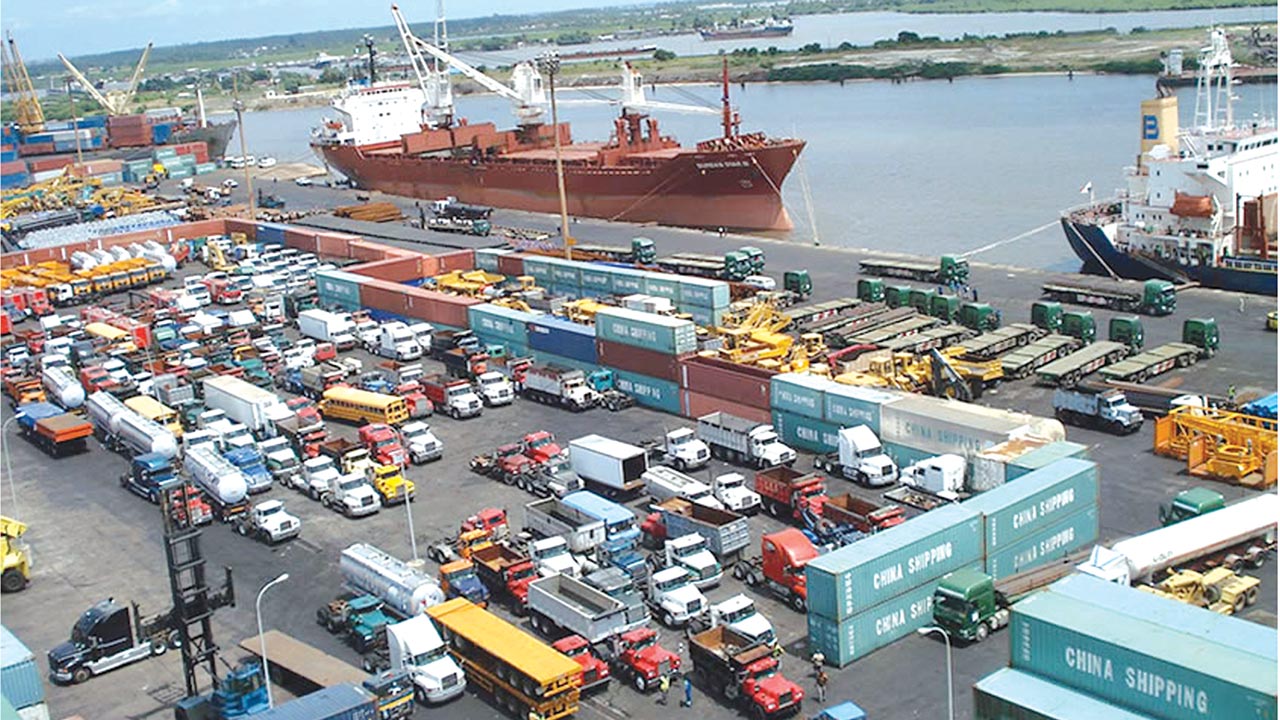
Yes, we can build a port and decide NOT to use it when at the same time we are overloading Lagos: “In a startling revelation, Lumati Festus, the manager of the Calabar Port, has disclosed that the port has languished in obscurity, devoid of any container vessels for the past quarter-century.”

Indeed, a working port in Calabar will make the South South, South East and North East corridors of Nigeria to save money on logistics due to improved supply chain and cost competitiveness. But again, Nigeria likes to score own-goals, and that is very unfortunate!

I continue to hope that the Senate President will help to build a deep seaport in Akwa Ibom.

Greetings! I am writing to send this reminder that We The People of Southeast and Southsouth are expecting you to use your influence to make a DEEP seaport possible in either Akwa Ibom state or Cross River state. I write this with the full understanding that you have the capacity to deliver this  for Nigeria.

A DEEP seaport in any of these states will make Nigeria more efficient. Transporting a container from Ibom, Akwa Ibom, to Maiduguri will be cheaper by 30% than from Lagos to the same destination. In short, if you model the routes, it is far cheaper to move items from Akwa Ibom/Cross River to Southeast and the Northeastern corridors of the  nation, compared with moving everything from Lagos.

Calabar Port Nigeria Has Not Received Vessels in 25 Years

0

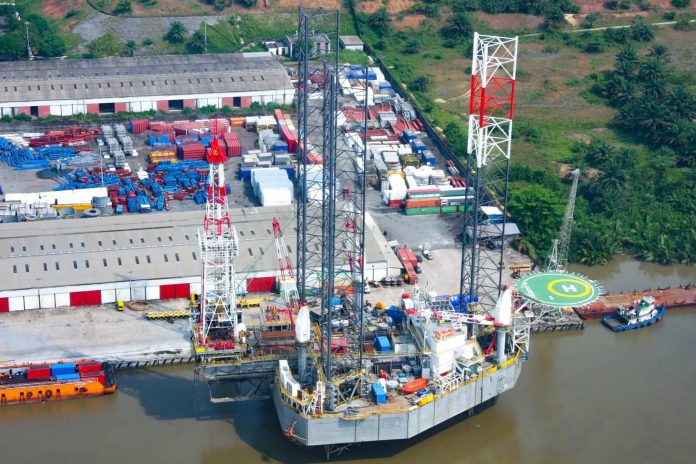
In a startling revelation, Lumati Festus, the manager of the Calabar Port, has disclosed that the port has languished in obscurity, devoid of any container vessels for the past quarter-century. 

Mr. Festus made this astonishing declaration during an investigative visit to the port by the House of Representatives Ad hoc Committee on Ports and Harbours in Calabar on Friday, according to NAN.

Highlighting the dire situation, Mr. Festus pointed out that the Calabar channel has remained largely untouched by dredging efforts, rendering it unsuitable for accommodating larger vessels. He said that the absence of dredging has severely hampered the port’s capacity to attract significant maritime traffic, thus stunting economic growth in the region. 

Mr Festus said, “Bigger vessels can’t come in because of this. The situation is affecting the economy of the zone. If more vessels come into the port, the economy will receive a boost, more employment will be created.”

Moreover, Mr. Festus disclosed the deplorable condition of the road leading to Calabar, citing it as yet another impediment to the port’s functionality. He described the access road as a “complete nightmare for cargo owners,” citing prolonged transit times and navigational risks associated with low tides.

“The access road into Calabar is a complete nightmare for cargo owners. A cargo bearing truck from Calabar to Akwa Ibom now takes between four and five hours. To remain afloat, we had to develop a technique: we ask vessels to come in only when the tides are high because any vessel that comes when the tide is low runs the risk of going under,” he said.

Addressing the urgent need for intervention, Mr. Festus implored the federal government to take decisive action in addressing the port’s challenges. He emphasized the potential economic benefits of revitalizing the Calabar Port, urging for immediate dredging efforts to deepen the channel and accommodate larger vessels.

”The draft of the Calabar channel is about 5.2 meters which is quite shallow, it needs to be dredged to about nine metres to enable the vessels come in.”

Despite the port’s dismal state, Mr. Festus highlighted efforts undertaken during his tenure to increase vessel traffic. He revealed that through proactive engagement with industry stakeholders, the port managed to augment its monthly vessel count from a mere four to six to an impressive 20 to 21.

”When we assumed duty, the port only received about four to six vessels monthly, but we increased this number to about 20 to 21 vessels monthly.

”We achieved this by going out to different stakeholders in the industry to get them to use the port,” he said.

In response to these pressing concerns, Nnaji Nnolim, the leader of the House of Representatives delegation, acknowledged the need to rehabilitate the Calabar Port and dredging its channels. Mr. Nnolim pledged government support for a forthcoming program aimed at port rehabilitation, assuring that the Calabar Port would be a priority beneficiary.

Echoing Mr. Nnolim’s sentiments, Deputy Governor Peter Ode noted the strategic significance of the Calabar Port but pointed out that it is only serving as an essential evacuation corridor for the Gulf of Guinea. He underscored the potential for job creation and regional economic development through the port’s revitalization, emphasizing its critical role not only for Nigeria but for West Africa as a whole.

This revelation comes amid calls for the federal government to dismantle Lagos’ port monopoly, by dredging other ports in the country and equipping them to function.