
DD
MM
YYYY

PAGES

DD
MM
YYYY

spot_img

PAGES

Home Blog Page 3441

HBAR token surge exemplify the delicate balance between hype and reality

0

The cryptocurrency market is no stranger to volatility, and the recent events surrounding Hedera’s HBAR token exemplify the delicate balance between hype and reality. On April 24, 2024, the crypto community witnessed a dramatic surge in the value of HBAR, following the announcement that BlackRock’s ICS U.S. Treasury money market fund had been tokenized on the Hedera blockchain in collaboration with Archax. This news sent HBAR’s price soaring by over 107%, only to see a subsequent 25% correction as the market digested the information.

The price of HBAR saw an impressive 96% surge following news that BlackRock’s money market fund had been tokenized on the Hedera blockchain. The excitement stemmed from a widely misinterpreted post by the HBAR Foundation, which led many to believe that BlackRock was directly involved in the tokenization process. This misunderstanding was amplified by social media and crypto influencers, further fueling the price rally.

This incident highlights the sensitivity of cryptocurrency prices to news and market sentiment. It also raises questions about the responsibility of blockchain projects to ensure clear and accurate communication. Misinterpretations can lead to exaggerated market reactions, both positive and negative, which can affect not only investors but also the reputation of the involved entities.

However, it was later clarified that BlackRock had no direct involvement in the development. The tokenization was carried out by blockchain trading and infrastructure firms Archax and Ownera, without any partnership with BlackRock. This clarification led to a correction in the market, with HBAR’s price experiencing a significant drop.

Despite the correction, HBAR managed to maintain a 50% increase over the previous 24 hours, trading at 13 cents. This resilience suggests a strong underlying interest in Hedera’s technology and potential applications. Hedera Hashgraph is known for its high-throughput, low-fee transactions, and its use of a directed acyclic graph (DAG) rather than a traditional blockchain, which sets it apart from other crypto platforms.

The Hedera platform has been making strides in various sectors, including finance, where it aims to provide a more efficient and secure infrastructure for transactions and services. The tokenization of a money market fund, even if not directly chosen by BlackRock, is a significant step forward for Hedera and the broader adoption of blockchain technology in traditional finance.

As the dust settles on this eventful day for HBAR, it serves as a reminder to the crypto community to approach news with a critical eye and to seek out verified information before making investment decisions. The crypto market is maturing, but it is still young and susceptible to the ebbs and flows of news cycles and investor sentiment. For Hedera and HBAR, the journey continues as they navigate the complex landscape of blockchain innovation and market dynamics.

Despite the short-lived surge, the tokenization of traditional financial assets on blockchain platforms like Hedera is a noteworthy development in the cryptocurrency space. It represents a growing trend of integrating real-world assets with digital technology, potentially paving the way for more mainstream adoption of blockchain and cryptocurrencies.

As the market stabilizes from the HBAR event, investors and enthusiasts alike will continue to watch the space closely. The incident underscores the potential and the pitfalls of the crypto market, reminding us that with innovation comes the need for informed and cautious participation.
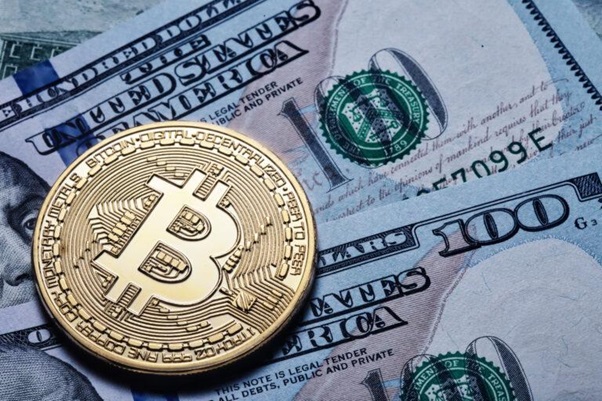

Interplay of Bitcoin and the Dollar; a Rally in the Making?

0

The cryptocurrency market is abuzz with anticipation as Bitcoin enthusiasts, often referred to as ‘BTC Bulls,’ are closely monitoring the strength of the U.S. dollar in hopes of extending Bitcoin’s rally. The relationship between the two is a fascinating dance of economics and investor sentiment, where the value of one can significantly impact the other.

Bitcoin, the pioneering cryptocurrency, has seen a remarkable journey since its inception, with its value experiencing dramatic fluctuations. In recent times, Bitcoin has traded between $60,000 and $70,000, showing resilience and an upward trend that began in October of the previous year. This rally, however, has paused, likely influenced by a complex interplay of factors including Federal Reserve interest rate expectations and the performance of the dollar index (DXY), which tracks the greenback’s value against a basket of major fiat currencies.

The DXY experienced a surge to a five-month high last week, but has since seen a slight pullback, sparking optimism among crypto traders. This pullback is critical as it could signal a potential weakening of the dollar, which historically has been beneficial for risk assets like Bitcoin. A weaker dollar tends to incentivize risk-taking in financial markets, as USD-denominated debt becomes less expensive, encouraging investment in higher-risk assets.

Some financial institutions, however, offer a different perspective, forecasting continued dollar strength based on divergent interest rate expectations and potential geopolitical tensions. This presents a contrasting view to the bullish sentiment held by many in the crypto community.

Amidst this backdrop, investors and analysts alike are speculating on the future movements of both Bitcoin and the dollar. Mike Alfred, a value investor, suggests that a further retreat in the DXY could “turbocharge” the Bitcoin rally, potentially leading to a short-term target of $90,000. This sentiment is echoed by other market observers who note patterns such as the ‘expanding triangle’ in the DXY, indicating a possible downturn for the dollar and a consequent boost for cryptocurrencies.

The global role of the U.S. dollar as a reserve currency adds another layer of complexity to the equation. Its strength or weakness can have far-reaching implications, not just for Bitcoin, but for the entire spectrum of financial markets.

As the world watches the unfolding events, the question remains: will the dollar’s movements pave the way for a continued Bitcoin rally? Only time will tell, but one thing is certain—the interplay between these two financial forces will continue to captivate and influence the decisions of investors worldwide.

Today is D-Day – Tekedia Capital Demo Day is today

0

Today is D-Day. Tekedia Capital Demo Day is today and the 10 startups (click for a video overview of them) will be pitching to our members for investments:


Date: Saturday, April 27, 2024

Time: 4pm – 6pm WAT

Venue: Zoom


Learn more and join our community.


Impacts of Bitcoin and Ethereum ETFs approval in Hong Kong

0

The financial landscape of Hong Kong is poised for a significant development with the official approval of spot Bitcoin and Ethereum exchange-traded funds (ETFs), set to begin trading on April 30th. This marks a notable advancement in the integration of cryptocurrency into regulated financial markets.

The Securities and Futures Commission (SFC) of Hong Kong has given the green light for these ETFs, which are anticipated to offer both retail and institutional investors a new avenue for investment in digital assets within a structured and regulated framework.

The launch of these ETFs allows investors to gain exposure to Bitcoin and Ethereum without the complexities of direct ownership, such as managing wallets and keys. It simplifies the investment process and could attract a new wave of investors who were previously hesitant due to the technical barriers associated with cryptocurrency investments.

A noteworthy aspect of this development is the emergence of a “potential fee war” among issuers. For instance, Harvest has waived all fees for the first six months, after which it will charge a 0.3% management fee for both its spot BTC and ETH funds. This undercuts the fees of other funds, such as those managed by Bosera-HashKey and ChinaAMC, which charge 0.6% and 0.99%, respectively. Such competition may benefit investors through lower costs and could set a precedent for fee structures globally.

Investing in Bitcoin and Ethereum ETFs offers several benefits, particularly for those looking to integrate cryptocurrency into their investment portfolios without the complexities of direct ownership. One of the primary advantages is the ease of access; investors can buy ETF shares through conventional brokerage accounts, bypassing the need for digital wallets and private key management.

This simplifies the investment process and opens up cryptocurrency markets to a broader audience. Additionally, ETFs provide a layer of security and are subject to regulatory oversight, which can offer peace of mind to investors wary of the unregulated nature of crypto markets.

Diversification is another significant benefit, as cryptocurrencies represent a unique asset class that can potentially enhance portfolio performance through low correlation with traditional financial assets. Furthermore, the liquidity and price stability of cryptocurrencies may improve as ETFs attract more institutional investment, leading to increased capital inflow and reduced volatility.

However, it’s important to note that while ETFs mitigate some risks associated with direct cryptocurrency investments, they do not eliminate the inherent volatility and regulatory uncertainties of the crypto market. Investors should consider these factors and their individual risk tolerance when contemplating an investment in Bitcoin and Ethereum ETFs.

The approval of these ETFs is expected to not only bolster the credibility of cryptocurrencies as a legitimate asset class but also potentially catalyze market growth through competitive pricing strategies, as suggested by industry analysts. With this move, Hong Kong further solidifies its position as a dynamic financial hub in Asia, embracing the burgeoning sector of digital finance.

The approval by the Hong Kong Securities and Futures Commission (SFC) is also indicative of the regulatory progress being made in legitimizing cryptocurrency as an asset class. This move could bolster Hong Kong’s position as a leading financial hub in Asia and instill greater confidence in the safety and legitimacy of cryptocurrency investments.

Any Real Difference Between Work From Home vs. Work From Anywhere

0

These two terms have come to be used interchangeably, but there is actually a difference between the both terms.

Work from home means that you have to set up a workspace in your home, from where you would carry out your official responsibilities. For the most part, it means you have to work from your home within the state where the company is located, and you may be called in to the office if and when there is a need to. Work from anywhere (commonly known as remote work) means working outside the company’s dedicated office space, in a location of your choice. But it may not necessarily mean that you are working from home. You could be working from a workspace somewhere, a client’s office, an event where you have to network and source for potential clients etc. In such situations, you may not necessarily be available to jump on a team meeting with colleagues at any time of the day, and you may not even be within the state to rush in for any collaborative task.

It is possible for a company to adopt either or both of them, depending on the specific details of your job role and responsibilities. For instance, a media house can have its editor work from home, but the reporters may not have that luxury. They may have to go out to locations to conduct interviews, meet up with potential sources, travel to check out projects, attend conference and the likes, to get information to write up their reports.

Another example can be a software development company. The software developers may use collaborative tools and work from their homes, while the sales and marketing team may be out on the fields, trying to get the product into the market, by making travels, attending events, meeting up with clients, and other things required to meet on their deliverables.

The key distinction here is that remote work can be done from several locations as it more flexible, but work from home requires you to create a workspace in a single location where you will work from. What most of us were forced to do during the lockdown, is work from home. But now that movement restrictions have eased, a lot of people are simply working remote.

Work from home also tends to have a better sense of routine and stability, since you have a defined work location outside the office. Remote work or work from anywhere is, however, more dynamic and flexible, and your work location could change every single day.

In terms of technological requirements, both of them are heavy on communication and collaboration tools to facilitate work flow. But the remote worker needs to be more adaptable, as his several locations might come with connectivity challenges encountered in diverse locations, and thus require varying network infrastructures.

Like mentioned earlier, some companies may adopt one, both or none of the two concepts, and it is totally based on the peculiarity of their business operations. If you are still wondering why your company will not allow you work remotely, even though you think your job can be performed outside the office locations, here are some possible reasons.

Security Concerns

Allowing employees to work outside the office location introduces additional security risks, depending on the tools the employee uses to get his job done.  Accessing sensitive company data from unsecured networks or devices, may compromise the integrity of a company’s data systems and proprietary information, especially if they do not have robust cybersecurity measures in place.

Communication and Collaboration

Tools or not, one cannot deny the fact that working together in a physical location takes communication and collaboration to better levels. Having employees scattered across disparate locations could potentially hinder real-time interaction and collaboration,and so a company may decide to stick to on-site model.

Accountability and Oversight

While we all want to believe that we can work unsupervised and stay productive, truth is that a lot of employees have not shown the results that convinces their employers that they can work unsupervised. Supervising remote employees presents challenges in terms of monitoring performance and ensuring accountability, and if you are talking about employees that have not first shown themselves to be self-starters, productivity can drop significantly.

In conclusion, remote work is an exciting concept, but don’t feel bad if your employer has not implemented it yet. It may not work for your job role and responsibilities. It could also be that they do not have the requisite infrastructure in place to make it work yet. So, work towards fixing the issues and see how it pans out.