DD
MM
YYYY

PAGES

DD
MM
YYYY

spot_img

PAGES

Home Blog Page 3459

Tech’s Treasure Trove: Unveiling the Digital Yuan

0

In the ever-evolving world of finance, digital currencies are at the forefront of a technological revolution, with China’s Digital Yuan, or the Digital Renminbi (RMB), leading the charge. This article takes an in-depth look at the historical origins, technical intricacies, global financial implications, security and privacy considerations, and future potential of the Digital Yuan. The yuan-international.io is a dependable solution for individuals who want to take their investment education to the next level. We connect individuals to educational firms to begin their learning journey.

The Genesis of Digital Currencies

Digital currencies, in one form or another, have been in development for decades. However, it was the advent of Bitcoin in 2009 that captured the world’s attention and laid the groundwork for the proliferation of digital currencies. China’s interest in digital currency can be traced back to the early 2010s, with the central bank exploring the possibilities of a state-backed digital currency.

China’s Motivation

The People’s Bank of China (PBOC) embarked on this journey with several motivations in mind. Firstly, it sought to reduce the cost of traditional cash circulation. Secondly, it aimed to counter the dominance of private digital payment giants like Alibaba’s Alipay and Tencent’s WeChat Pay. Lastly, it saw the Digital Yuan as a means to increase financial inclusion by reaching underserved populations.

Digital Yuan vs. Traditional Cryptocurrencies

While the Digital Yuan shares some similarities with traditional cryptocurrencies like Bitcoin and Ethereum, it differs in crucial ways. It is a centralized digital currency, controlled by the PBOC, unlike the decentralized nature of Bitcoin. This centralization allows the Chinese government to maintain control over the currency’s issuance, distribution, and circulation.

Understanding the Digital Yuan

Technical Underpinnings

The Digital Yuan is built on a blockchain-based infrastructure. This blockchain, however, differs from those used by decentralized cryptocurrencies. It is permissioned and centralized, with the PBOC serving as the ultimate authority. This design choice ensures control and regulatory oversight.

Key Features and Functionalities

  • Digital Wallets: Users can access the Digital Yuan through official digital wallets provided by authorized banks. These wallets allow for easy storage, transfer, and use of the currency.
  • Anonymity and Privacy: The Digital Yuan offers varying levels of anonymity, with transactions being traceable by the government. This balance between privacy and control is a defining feature.
  • Smart Contracts: The Digital Yuan supports smart contracts, enabling programmable and automated transactions. This feature has significant implications for various industries, including finance and supply chain management.

Implementation and Adoption

Pilot Programs and Testing Phases

China has conducted extensive pilot programs in several cities, including Shenzhen and Suzhou, to test the Digital Yuan’s feasibility and gather user feedback. These trials involved various use cases, from salary payments to transportation.

Adoption and Usage Within China

The Digital Yuan is already in use for everyday transactions in China. It has gained traction in e-commerce, public transportation, and government services. Many Chinese citizens have embraced this digital currency, further solidifying its position.

International Perspectives and Concerns

Outside of China, the global community is closely monitoring the development of the Digital Yuan. Some nations are concerned about its potential to challenge the dominance of the US dollar in international trade, while others are exploring their own central bank digital currencies in response.

Implications for Global Finance

Impact on the Global Reserve Currency System

The rise of the Digital Yuan has the potential to reshape the global reserve currency landscape. While it may not immediately challenge the US dollar’s supremacy, it could gradually erode its dominance over time, diversifying the basket of reserve currencies.


Role in International Trade

The Digital Yuan can simplify cross-border transactions, reduce currency conversion costs, and enhance transparency. This could make it an attractive option for international trade partners and further promote its global adoption.

Regulatory Challenges and Responses

Governments and regulatory bodies worldwide are grappling with how to regulate digital currencies like the Digital Yuan. They are keen on balancing innovation with financial stability, customer protection, and anti-money laundering efforts.

Security and Privacy Concerns

Cybersecurity Measures and Safeguards

The Digital Yuan is backed by robust cybersecurity measures to protect against hacking and fraud. The centralization of control allows for swift response to security threats.

Data Privacy Concerns and Surveillance

Critics raise concerns about potential government surveillance due to the traceability of Digital Yuan transactions. Striking the right balance between privacy and security remains an ongoing challenge.

Comparison with Other Digital Currencies

Compared to decentralized cryptocurrencies, the Digital Yuan offers greater stability but potentially less privacy. Each digital currency model has its strengths and weaknesses, catering to different user needs.

Future Prospects and Challenges

Predictions for the Future

The future of the Digital Yuan is promising, with potential growth both domestically and internationally. It could become a model for other countries developing their digital currencies.

Challenges and Obstacles

Obstacles such as international regulatory harmonization, competition from other digital currencies, and technological hurdles will need to be addressed as the Digital Yuan continues to evolve.


Conclusion

The Digital Yuan stands as a testament to China’s commitment to technological innovation and financial modernization. Its impact on the global financial landscape is undeniable, and as it continues to evolve, it will be fascinating to witness how this digital treasure trove shapes the future of finance and international trade. Stay informed, as the story of the Digital Yuan is far from over.


On-chain vs. Off-chain: Navigating Bitcoin’s Scalability Solutions

0

Since its inception, Bitcoin, the pioneering cryptocurrency, has experienced a meteoric rise in popularity and widespread adoption. However, this growth brings with it scalability issues, primarily how the Bitcoin network manages an increasing volume of transactions. Scalability is a crucial factor for any blockchain network, aiming for efficient transaction processing capabilities. The original architecture of Bitcoin presents certain constraints in this area, necessitating the exploration and development of innovative scalability solutions. These solutions are categorized into on-chain and off-chain strategies, each with unique benefits and drawbacks. Amidst these developments, Bitcoin Buyer website, an online trading interface, has surfaced as a significant aid, providing a user-friendly and efficient avenue for users to navigate and engage with the dynamic world of Bitcoin trading. This article offers a comprehensive analysis of both on-chain and off-chain scalability solutions within the Bitcoin framework, shedding light on their respective strengths, limitations, and the possibility of their combined application for enhanced network performance.

Understanding On-chain Scalability

Definition and concept of on-chain scaling

On-chain scalability primarily focuses on making changes to the Bitcoin blockchain itself to accommodate more transactions within each block. The key component in this approach is the block size limit, which determines the maximum number of transactions that can be included in a single block. Historically, Bitcoin has had a small block size to ensure decentralization and network security.

Role of block size limits in on-chain scalability

Increasing the block size limit would enhance the transaction throughput of the Bitcoin network. However, this approach has been a subject of intense debate within the Bitcoin community due to concerns about centralization. Larger blocks could make it more difficult for smaller miners to participate, potentially leading to centralization around a few powerful mining entities.

Pros and cons of on-chain scaling

Increased transaction throughput: On-chain scaling allows for a higher number of transactions to be processed per second, improving network capacity.

Centralization concerns: Raising the block size limit may risk centralizing the network, as larger blocks could favor larger mining operations.

Historical perspective: Bitcoin’s block size debate

The Bitcoin community has been divided over the years regarding the block size limit. The scaling debate culminated in the creation of Bitcoin Cash, a fork of the original Bitcoin, which increased the block size limit to achieve greater on-chain scalability.

Exploring Off-chain Scalability

Definition and concept of off-chain scaling

Off-chain scalability solutions aim to reduce the burden on the Bitcoin blockchain by moving some transactions off the main chain. This approach seeks to enable fast and cost-effective transactions while maintaining the decentralization and security of the network.

Lightning Network as a prominent off-chain solution

The Lightning Network is a prominent off-chain scaling solution for Bitcoin. It operates by establishing a network of payment channels off the main blockchain, allowing users to conduct transactions instantly and with minimal fees. Payments within these channels can be settled on the main chain when necessary, reducing congestion.

Advantages and limitations of off-chain scaling

  • Instant transactions: Off-chain solutions like the Lightning Network offer nearly instant transaction confirmation, making Bitcoin more suitable for everyday use.
  • Network security and privacy considerations: Off-chain solutions introduce different security and privacy considerations compared to on-chain transactions, as funds are held in payment channels.

Other off-chain solutions: Sidechains and state channels

Apart from the Lightning Network, Bitcoin also explores off-chain scalability through sidechains and state channels. Sidechains allow assets to be transferred between different blockchains, while state channels enable off-chain interactions between users.

Comparing On-chain and Off-chain Scalability

Transaction speed and throughput comparison

On-chain scaling increases transaction throughput by increasing block sizes, while off-chain solutions like the Lightning Network offer instant transactions with minimal congestion.

Network security and decentralization implications

On-chain scaling can potentially compromise network security and decentralization, while off-chain solutions aim to maintain these core principles by reducing the load on the main chain.

User experience and adoption factors

Off-chain solutions provide a superior user experience, with faster transactions and lower fees, potentially driving wider adoption of Bitcoin for everyday transactions.

Case studies: Real-world examples of on-chain and off-chain scaling in action

Examining real-world use cases can offer valuable insights into the effectiveness of on-chain and off-chain scalability solutions.

The Synergy of On-chain and Off-chain Solutions

The role of layering in Bitcoin’s scalability strategy

Bitcoin’s future scalability may rely on a layered approach, with on-chain and off-chain solutions working together to optimize transaction throughput and user experience.

How on-chain and off-chain solutions complement each other

On-chain and off-chain solutions are not mutually exclusive. They can work in tandem to create a more versatile and scalable Bitcoin ecosystem.

Lightning Network and the potential for mass adoption

The Lightning Network, in particular, holds the potential to make Bitcoin a viable alternative to traditional payment methods, furthering its mass adoption.

Challenges and Concerns

Regulatory and legal challenges for off-chain solutions

Off-chain solutions like the Lightning Network may face regulatory challenges, as they operate differently from traditional financial systems.

The need for further research and development

Scalability remains an ongoing concern, necessitating continued research and development efforts within the Bitcoin community to address emerging challenges.

User education and awareness

Wider adoption of scalability solutions requires educating users about the benefits and risks associated with both on-chain and off-chain approaches.

Conclusion

In the ever-evolving landscape of Bitcoin scalability, on-chain and off-chain solutions play pivotal roles in addressing the network’s challenges. While each approach has its advantages and limitations, the synergy between them holds the key to Bitcoin’s future scalability and its potential to become a global digital currency. As the crypto space continues to innovate, adaptability and collaboration within the community will remain essential to navigating Bitcoin’s scalability solutions successfully.

Enhanced Security for Decentralization: Komodo and Bitcoin

0

Cryptocurrencies operate on the fundamental principle of decentralization, where no single entity or authority wields control over a network, ensuring resistance to censorship, immutability, and trustlessness. However, this core tenet faces security challenges. In this article, we delve into how Komodo, a blockchain platform, bolsters security in the decentralized realm, with a specific focus on its impact on the Bitcoin network. In this context, it’s crucial for cryptocurrency enthusiasts to explore innovative solutions such as the Immediate Peak site to further fortify the security and stability of the decentralized landscape. This website developed to create a connection between people who want to expand their knowledge about investing with investment education firms.

The Foundations of Bitcoin

The Genesis of Bitcoin

Bitcoin, created by an anonymous entity known as Satoshi Nakamoto, was introduced in 2008 through a whitepaper titled “Bitcoin: A Peer-to-Peer Electronic Cash System.” It sought to revolutionize the financial industry by providing a decentralized digital currency. Bitcoin operates on a blockchain, a distributed ledger that records all transactions in a transparent and immutable manner.

How Bitcoin Achieves Decentralization

Bitcoin’s decentralization is achieved through a network of nodes, each maintaining a copy of the blockchain. Miners, who validate and add new transactions to the blockchain, play a crucial role. The consensus mechanism, Proof of Work (PoW), ensures that no single entity can control the network.

Security Challenges in the Bitcoin Network

Despite its robust design, Bitcoin faces security challenges. The most prominent threat is the 51% attack, where a malicious entity gains control of over 50% of the network’s mining power, potentially leading to double-spending and network manipulation.

Komodo: A Platform for Enhanced Security

Introduction to Komodo

Komodo, founded in 2016, is an innovative blockchain platform that offers a range of features designed to enhance security, interoperability, and customization. It serves as a bridge between various blockchains, including Bitcoin, providing solutions to address vulnerabilities in the decentralized ecosystem.

Innovative Technologies and Features

Komodo boasts several cutting-edge technologies:


  • Delayed Proof of Work (dPoW): dPoW acts as an additional layer of security for blockchains like Bitcoin. It notarizes transactions onto the Bitcoin blockchain, making it extremely difficult for malicious actors to attack.
  • Cross-Chain Atomic Swaps: These enable trustless and secure trading of cryptocurrencies across different blockchains without the need for intermediaries.
  • Customizable Smart Chains: Komodo allows users to create their own blockchain with custom parameters, enabling tailored solutions for various use cases.

dPoW: The Backbone of Security

Understanding Delayed Proof of Work

dPoW works by notarizing the state of a blockchain onto a more secure and established blockchain, like Bitcoin. This provides an additional layer of protection against 51% attacks.

How dPoW Protects Against 51% Attacks

In a 51% attack, an attacker needs to control both the target blockchain and the notarization process on the Bitcoin blockchain. This significantly increases the cost and complexity of an attack, making it economically unfeasible.

Case Studies: Successful Defense Against Attacks

Komodo has a track record of thwarting attacks through dPoW. Notable examples include the thwarting of the VerusCoin and Einsteinium attacks, demonstrating the robustness of this security mechanism.

Cross-Chain Atomic Swaps: Fostering Interoperability

The Significance of Interoperability

Interoperability is crucial for the growth of the blockchain ecosystem. It enables different blockchains to communicate and exchange value seamlessly, reducing reliance on centralized exchanges.

How Cross-Chain Atomic Swaps Work

Cross-Chain Atomic Swaps use smart contracts to ensure that two parties can exchange cryptocurrencies across different blockchains in a trustless and secure manner, without the need for a third party.

Strengthening Security Through Interoperability

By enabling secure cross-chain exchanges, Komodo contributes to the overall security of the blockchain space, reducing counterparty risks associated with centralized exchanges.

Customizable Smart Chains: Tailoring Security Solutions

Exploring Customizable Smart Chains

Komodo’s customizable smart chains allow users to create their blockchain with specific parameters. This flexibility enables tailoring security solutions to the unique needs of each blockchain project.

Use Cases and Benefits

Customizable smart chains have diverse applications, from supply chain management to token creation. Each use case can benefit from tailored security measures.

The Role of Custom Chains in Enhancing Security

Security isn’t one-size-fits-all. Customizable smart chains empower developers to implement security features that match their project’s requirements, enhancing overall resilience.

Komodo’s Contribution to Bitcoin’s Security

Komodo’s Integration with Bitcoin

Komodo’s integration with Bitcoin makes it an integral part of Bitcoin’s security ecosystem. By providing notarization services, Komodo strengthens the security of Bitcoin and other blockchains connected to it.

Strengthening Bitcoin’s Resilience

As an additional layer of security, Komodo’s dPoW enhances Bitcoin’s resilience against potential threats, safeguarding the world’s most valuable cryptocurrency.

Future Prospects and Collaborations

The collaboration between Komodo and Bitcoin opens doors to future innovations in blockchain security. It sets a precedent for cross-blockchain partnerships that prioritize security.

Conclusion

In conclusion, the decentralized nature of cryptocurrencies like Bitcoin is a fundamental strength, but it also comes with inherent security challenges. Komodo, through its innovative technologies like dPoW, Cross-Chain Atomic Swaps, and customizable smart chains, contributes significantly to enhancing the security and functionality of the decentralized ecosystem. As the crypto space continues to evolve, Komodo’s role in securing and advancing decentralized networks is likely to become even more critical.

Privacy Coins and Bitcoin: A Comparative Analysis of Anonymity Protocols

0

Since Bitcoin’s inception in 2009, the world of cryptocurrencies has seen remarkable growth and evolution. As the crypto market matures, user privacy becomes increasingly significant. This article offers an in-depth comparative analysis of privacy coins and Bitcoin, delving into the intricacies of the anonymity protocols that drive them, and examining their implications for the future of digital currencies. As a beginner, using theflik.io can help you overcome the initial learning curve and start trading with confidence. This website simplifies the process of learning by connecting you to tutors who can teach you about investments.

Understanding Anonymity in Cryptocurrencies

Anonymity vs. Pseudonymity

Cryptocurrencies are often touted as anonymous, but it’s important to distinguish between anonymity and pseudonymity. While cryptocurrency transactions are pseudonymous, meaning they are not directly tied to real-world identities, they are not inherently anonymous. Transactions are recorded on a public ledger, known as the blockchain, making them traceable.

The Role of Privacy Coins in Enhancing Anonymity

Privacy coins are designed to address this traceability issue by implementing advanced cryptographic techniques that obscure transaction details, sender and receiver addresses, and transaction amounts. These privacy features enhance the anonymity of users.

Challenges and Concerns Related to Anonymity in Cryptocurrencies

Despite the emergence of privacy coins, challenges remain. Regulatory concerns, potential misuse for illicit activities, and the ongoing debate between privacy and transparency in the crypto space are significant factors that shape the landscape of anonymity in cryptocurrencies.

Bitcoin: The Pioneer of Cryptocurrencies

Bitcoin’s Transparent Ledger System

Bitcoin, the first cryptocurrency, introduced the concept of blockchain technology and a transparent ledger system. While transactions are pseudonymous, they are openly recorded on the public blockchain, allowing anyone to trace funds through the network.

Challenges with Bitcoin’s Privacy

Bitcoin’s transparency has raised concerns about user privacy. Transactions can be linked, and analysis tools can be employed to identify the parties involved. This lack of privacy has prompted the development of privacy-focused solutions.

Efforts to Improve Bitcoin’s Privacy

The Bitcoin community has taken steps to enhance privacy. Technologies like CoinJoin and Schnorr signatures have been proposed and implemented to improve transaction privacy. While these solutions offer some level of privacy, they are not as robust as those found in dedicated privacy coins.

Privacy Coins: A Closer Look

Introduction to Privacy Coins

Privacy coins, such as Monero and Zcash, are specifically designed to address the privacy concerns inherent in Bitcoin. They utilize advanced cryptographic techniques to obfuscate transaction details.

Zero-Knowledge Proofs: The Foundation of Privacy Coins

Zero-knowledge proofs are cryptographic methods that allow one party to prove knowledge of a secret without revealing the secret itself. Privacy coins leverage zero-knowledge proofs to validate transactions without disclosing sender, receiver, or transaction amount.

Comparative Analysis of Privacy Coin Protocols

Privacy coins differ in their approaches to anonymity. Monero relies on ring signatures and stealth addresses, while Zcash employs zk-SNARKs. Each approach has its advantages and limitations, contributing to the ongoing debate about the best method for achieving privacy in cryptocurrencies.

Monero: The Leader in Privacy

Monero’s Confidential Transactions

Monero utilizes confidential transactions to hide transaction amounts. This technology makes it impossible for observers to determine the exact amount being transferred.

Ring Signatures and Stealth Addresses

Ring signatures mix multiple transactions together, making it difficult to trace individual transactions. Stealth addresses further obscure the recipient’s identity, enhancing privacy.

Recent Advancements in Monero’s Privacy Technology

Monero continues to evolve its privacy features. Bulletproofs and Triptych are examples of recent advancements that have improved scalability and privacy within the Monero network.

Zcash: Privacy with Selective Transparency

Zcash’s Use of zk-SNARKs

Zcash’s privacy approach relies on zk-SNARKs, allowing users to choose between shielded and transparent transactions. Shielded transactions are fully private, while transparent transactions resemble Bitcoin transactions.

Shielded and Transparent Transactions in Zcash

Shielded transactions in Zcash provide strong privacy guarantees, but the network also allows for transparent transactions when privacy is not a primary concern.

Pros and Cons of Zcash’s Approach to Privacy

Zcash’s selective transparency approach provides users with choices, but it has raised concerns about fungibility and potential regulatory scrutiny.

Regulatory Challenges and Privacy Coins

Government Concerns and Regulatory Actions

Governments worldwide have expressed concerns about the use of privacy coins for illicit activities such as money laundering and tax evasion. Some jurisdictions have taken regulatory actions to restrict or ban privacy coins.

The Debate on Privacy vs. Transparency

The tension between privacy and transparency in cryptocurrencies continues to shape the regulatory landscape. Some argue that privacy is essential for individual financial autonomy, while others emphasize the need for transparency to combat illegal activities.

Potential Future Regulations and Their Impact on Privacy Coins

The regulatory environment for privacy coins remains uncertain. Future regulations could impact the availability and use of privacy-focused cryptocurrencies.

The Future of Anonymity in Cryptocurrencies

Technological Advancements in Privacy Protocols

Ongoing research and development in cryptographic techniques promise further advancements in privacy protocols for cryptocurrencies.

Potential Integration of Privacy Features into Mainstream Cryptocurrencies

Mainstream cryptocurrencies like Bitcoin may adopt privacy features to enhance user privacy while maintaining transparency where necessary.

Predictions for the Evolution of Privacy Coins

The evolution of privacy coins will depend on technological advancements, regulatory developments, and the preferences of the cryptocurrency community.

Conclusion

In conclusion, privacy coins have emerged as a significant innovation in the cryptocurrency space, offering enhanced anonymity compared to Bitcoin’s transparent ledger. While Bitcoin continues to be a pioneer in the crypto world, privacy coins like Monero and Zcash provide robust privacy solutions. The ongoing debate between privacy and transparency, coupled with regulatory challenges, will continue to shape the future of anonymity in cryptocurrencies. As the technology evolves, users and regulators alike must find a balance that preserves individual privacy while preventing illicit activities.

Embracing the Synergy of Ethereum and Smart Home Technology: Pioneering a Modern Lifestyle

0
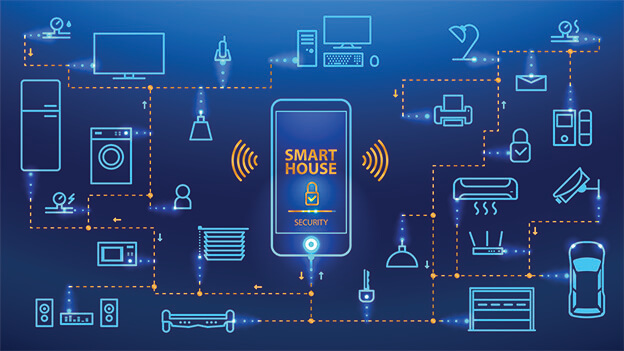
Figure 1.6: Smart Home [25]

In an era of rapid technological advancement, smart homes have become an integral part of modern living. These connected spaces are designed to enhance convenience, security, and energy efficiency. In this article, we delve deep into the convergence of Ethereum and smart home technology, exploring how this synergy is reshaping the way we live. Visit https://ethereum-proair.com/ if you want to stay updated with the current crypto craze. Ethereum is the way to go and stands as a helpful connector for those eager to learn about investments. It’s not a teaching website. Instead, it links those hungry for knowledge to specialized educational firms that shed light on the vast landscape of investments.

Understanding Ethereum and Smart Contracts

What is Ethereum and How Does It Work?

Ethereum, often referred to as the second-generation blockchain, is a decentralized platform that enables the creation of decentralized applications (DApps) through smart contracts. Unlike Bitcoin, which primarily serves as a digital currency, Ethereum focuses on programmable smart contracts that execute automatically when predefined conditions are met. These contracts are executed on a global network of computers, ensuring transparency and security.

Smart Contracts: The Backbone of Ethereum

Smart contracts are self-executing agreements with the terms of the contract directly written into code. They run on the Ethereum Virtual Machine (EVM) and are immutable once deployed. This feature makes smart contracts highly reliable and tamper-resistant, a crucial aspect for smart home applications where security is paramount.

The Potential of Ethereum in Smart Home Applications

Ethereum’s ability to create decentralized, secure, and automated systems is a perfect fit for smart homes. By integrating Ethereum and smart contracts, homeowners can create a seamless ecosystem where devices communicate and execute tasks autonomously, without relying on centralized intermediaries.

Decentralized Identity and Access Control

Traditional Access Control Systems vs. Decentralized Solutions

Traditional smart home access control systems often rely on centralized servers or third-party services. These systems can be vulnerable to data breaches and service outages. Ethereum offers a decentralized alternative, allowing homeowners to manage access control through blockchain-based identities.

Using Ethereum for Secure User Identity Verification

Ethereum’s decentralized identity management ensures that only authorized individuals can access the smart home system. Users can have unique digital identities on the Ethereum blockchain, granting them secure and tamper-proof access to their devices and data.

Benefits of Decentralized Identity in Smart Homes

  • Enhanced Security: With decentralized identity, the risk of unauthorized access is significantly reduced, as it eliminates the need for centralized databases that are often targeted by hackers.
  • User Control: Homeowners have full control over who can access their smart home systems, ensuring privacy and security.
  • Interoperability: Ethereum-based decentralized identity can be integrated with various smart home devices and platforms, creating a unified and user-friendly experience.

Automating Smart Homes with Ethereum

Ethereum-Powered Smart Home Devices

Manufacturers are increasingly incorporating Ethereum compatibility into smart home devices. These devices can connect to the Ethereum blockchain, allowing homeowners to control and monitor them through smart contracts.

Creating Smart Contracts for Home Automation

Smart contracts enable automated actions based on predefined conditions. For instance, a smart contract could automatically adjust the thermostat when it detects the homeowner’s arrival, reducing energy consumption and increasing comfort.

Real-Life Use Cases of Ethereum in Smart Homes

In the realm of smart homes, Ethereum’s integration offers a range of practical applications. For instance, it can optimize energy usage by coordinating appliances and renewable energy sources, leading to cost savings and reduced environmental impact. Ethereum also strengthens security through decentralized access control, ensuring only authorized users can access the home. It facilitates automated payments for utilities, simplifying billing processes. Additionally, Ethereum empowers homeowners to control their data, enhancing privacy. These applications showcase Ethereum’s transformative potential in making smart homes smarter, more secure, and privacy-focused.

Enhancing Security and Privacy

Ethereum’s Contribution to Smart Home Security

Ethereum’s robust security measures, including cryptographic techniques and decentralized verification, make it highly resilient to cyber threats. By eliminating single points of failure, Ethereum enhances the overall security of smart home ecosystems.

Protecting User Data with Blockchain Technology

In traditional smart home systems, user data is often stored on centralized servers, leaving it vulnerable to breaches. With Ethereum, data can be encrypted, hashed, and stored on the blockchain, providing an extra layer of data protection.

Potential Privacy Concerns and Solutions

While Ethereum enhances security and privacy, it’s essential to address potential concerns. One concern is the transparency of the blockchain, which exposes transaction details. However, techniques like zero-knowledge proofs can be employed to protect sensitive data while still benefiting from the blockchain’s advantages.

The Future of Smart Homes with Ethereum

Emerging Trends and Innovations

The synergy between Ethereum and smart homes is still in its infancy, but it holds immense promise. Emerging trends include:


  • Decentralized Energy Grids: Smart homes can contribute excess energy to decentralized grids, earning Ethereum-based tokens in return.
  • AI Integration: Ethereum-powered smart homes can leverage AI for predictive maintenance and energy optimization.

Integration with IoT and Blockchain

Ethereum’s integration with the Internet of Things (IoT) and other blockchains is on the horizon. Interoperability between different smart devices and blockchain networks will create a more interconnected and intelligent living environment.

Impact on Sustainable Living

Ethereum-powered smart homes can lead to more sustainable living by optimizing energy consumption, reducing waste, and enabling homeowners to participate in green energy initiatives.


Challenges and Considerations

Scalability and Performance Issues

Ethereum faces scalability challenges due to its consensus mechanism. As more users and devices adopt Ethereum for smart homes, addressing scalability is crucial to prevent network congestion and high transaction fees.

Regulatory and Legal Aspects

The regulatory landscape for blockchain and smart homes is evolving. Homeowners and manufacturers must navigate regulatory considerations, such as data protection laws and smart contract legality.

User Adoption and Education

For Ethereum-powered smart homes to become mainstream, user adoption is essential. Educating homeowners about the benefits and intricacies of Ethereum and blockchain technology is a vital step in this process.

Conclusion

The convergence of Ethereum and smart home technology marks an exciting evolution in modern living. By leveraging Ethereum’s decentralized capabilities, homeowners can enjoy enhanced security, privacy, and automation in their daily lives. As the technology continues to mature and overcome its challenges, the future of smart homes looks bright, promising a more connected, secure, and sustainable lifestyle for all.In embracing this synergy, we pioneer a modern lifestyle that empowers us to make our homes not just smarter but also safer, more efficient, and environmentally conscious. As we journey into this exciting future, further research and development in this field will undoubtedly bring even more innovations and possibilities to our connected homes.