DD
MM
YYYY

PAGES

DD
MM
YYYY

spot_img

PAGES

Home Blog Page 3520

Rug Radio merger with Decrypt Media, and Pudgy Penguins reaching new ATH of 12 ETH

0

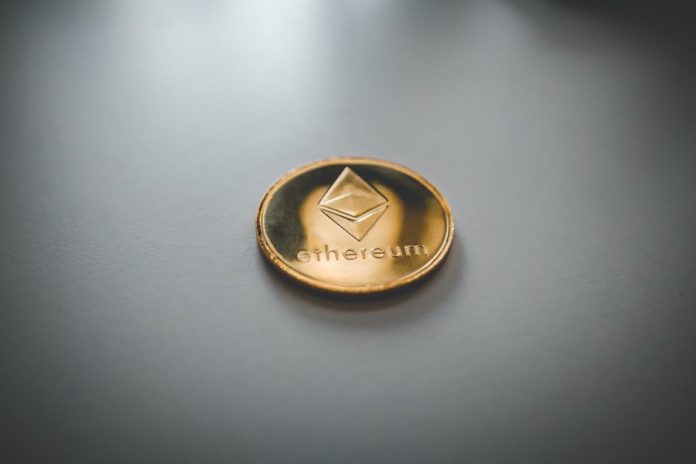
Rug Radio, the leading podcast for crypto enthusiasts, has merged with Decrypt Media, the premier platform for blockchain news and analysis. This strategic move will allow us to leverage our combined resources and expertise to create more engaging and informative content for listeners and readers.

As part of this merger, they have also partnered with Arbitrum, one of the most innovative scaling solutions for Ethereum. Arbitrum will help build out their tech stack which will enable Rug Radio and Decrypt Media to offer more interactive and immersive experiences for their audience.

We believe that Arbitrum’s technology will revolutionize the way we consume and create crypto content- We are confident that this merger and partnership will benefit both our existing and new fans, as well as the wider crypto community. We look forward to bringing you more quality content, more insights, and more fun on Rug Radio and Decrypt Media, Farokh Cofounder Rug Radio opined.

Pudgy Penguins hit new ATH of 12 ETH

Pudgy Penguins, one of the most popular NFT collections on the Ethereum blockchain, has reached a new milestone in its market value. According to data from OpenSea, the floor price for a Pudgy Penguin NFT is now 12 ETH, which is equivalent to about $48,000 at the current exchange rate. This is the highest level ever recorded for the adorable digital penguins, and it shows the strong demand and enthusiasm from collectors and investors alike.

The Pudgy Penguins project was launched in July 2021, and it consists of 8,888 unique pixel art penguins with different traits and rarities. The creators of the project wanted to make a fun and engaging community around their NFTs, and they have succeeded in doing so. The Pudgy Penguins have a loyal fan base that supports them on social media platforms such as Twitter and Discord, where they share memes, art, and stories about their penguins. The project also organizes giveaways, contests, and charity events to reward and empower their community.

The Pudgy Penguins have also attracted the attention of some celebrities and influencers, who have bought and promoted their NFTs. For example, rapper Tyga recently revealed that he owns a Pudgy Penguin NFT, and he even changed his Twitter profile picture to it. Other notable Pudgy Penguin owners include NBA player Josh Hart, comedian Tom Green, and entrepreneur Gary Vaynerchuk.

The rise in popularity and value of the Pudgy Penguins is part of a larger trend of NFT mania that has swept the crypto space in recent months. NFTs, or non-fungible tokens, are digital assets that represent ownership of unique items such as art, music, games, or collectibles. They are powered by blockchain technology, which ensures their authenticity, scarcity, and security. NFTs have become a new form of expression and creativity for artists and creators, as well as a new source of income and investment for buyers and sellers.

The Pudgy Penguins are not the only NFT collection that has seen a surge in demand and price. Other examples include Bored Ape Yacht Club, CryptoPunks, Cool Cats, Mutant Ape Yacht Club, and many more. These collections have generated millions of dollars in sales and have created a vibrant and diverse NFT ecosystem. However, they also face challenges such as competition, regulation, environmental impact, and market volatility.

The future of the Pudgy Penguins and the NFT space in general is uncertain but exciting. As more people discover and participate in this new digital frontier, the possibilities are endless. The Pudgy Penguins have proven that they are more than just cute pictures on the internet; they are a cultural phenomenon that has captured the hearts and wallets of many.
Nigeria’s Inflation Surges to 28.20% in November 2023 – Highest Since August 2005

0

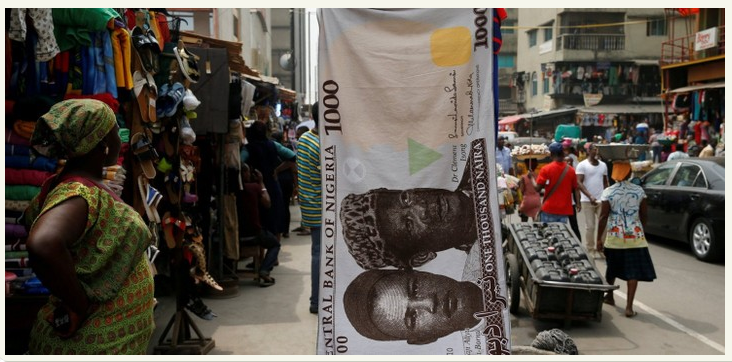
The Nigerian Bureau of Statistics (NBS) has unveiled its Consumer Price Index (CPI) report for November 2023, revealing a drastic escalation in the headline inflation rate to 28.20%, marking a sharp uptick from October 2023’s 27.33%.

This soaring inflation rate hasn’t been witnessed in Nigeria since August 2005.

Analyzing the data, November 2023’s headline inflation surged by 0.87% points in contrast to October 2023. Moreover, on a year-on-year basis, the inflation rate saw an alarming spike of 6.73% points from November 2022’s 21.47%, signifying an unsettling annual leap in price levels.

“Furthermore, on a month-on-month basis, the headline inflation rate in November 2023 was 2.09%, which was 0.35% higher than the rate recorded in October 2023 (1.73%),” the NBS said.

“This means that in November 2023, the rate of increase in the average price level is more than the rate of increase in average price level in October 2023.”

Food Inflation, the major driver

The report spotlighted the persistent driver behind this inflationary surge: the exorbitant cost of food items. Food inflation climbed to 32.84% year-on-year, escalating by 8.72% points from November 2022’s 24.13%. This surge is attributed to the soaring prices of essential food items such as Bread and cereals, Oil and fat, Potatoes, Yam and other Tubers, Fish, Fruit, Meat, Vegetables, Coffee, Tea, and Cocoa.

In assessing the month-on-month scenario, November 2023 witnessed a 2.09% inflation rate, surpassing October 2023’s 1.73%. This accelerated increment in the average price level indicates an aggravated inflationary trend from the preceding month.

“The rise in Food inflation on a month-on-month basis was caused by rise in the rate of increase in the average prices of Bread and Cereals, Oil and fat, Meat, Coffee, Tea and Cocoa, Pota-toes, Yam & Other Tubers,” the report stated.

State-by-state inflation

The regional disparity in inflation rates further amplifies the concerns. Kogi (33.28%), Lagos (32.30%), and Rivers (32.25%) recorded the highest year-on-year inflation rates, while Borno (22.47%), Katsina (24.91%), and Plateau (25.53%) exhibited the slowest increases. Moreover, Kano (3.55%), Kebbi (3.34%), and Borno (3.24%) witnessed the highest month-on-month rises, whereas Taraba (0.74%), Anambra (1.00%), and Enugu (1.18%) faced the least upticks.

Delving into food inflation disparities, Kogi (41.29%), Kwara (40.72%), and Rivers (40.22%) experienced the highest year-on-year surges, while Bauchi (26.14%), Borno (27.34%), and Jigawa (27.63%) witnessed the slowest rises. Cross River (4.37%), Edo (3.95%), and Rivers (3.91%) topped the month-on-month food inflation, with Anambra (0.63%), Oyo (0.91%), and Bauchi (1.00%) showing the most moderate increases.

The latest inflation report confirms the fears expressed by experts that the soaring cost of living, especially food items, if not mitigated, will shoot inflation above 30% in the first quarter of 2024.

“Specifically, our model suggests that the combined influence of fuel subsidy removal and foreign exchange liberalization may drive headline inflation to about 30 percent by December 2023,” KPMG said in its macroeconomic review for the first and second half of 2023.

Though the latest inflation rate slightly falls short of the KPMG’s projected 30%, it underscores the slowness of the government’s reforms in revitalizing the economy.

The central bank said Thursday it expects exchange rate and inflationary pressures may to decline in 2024.

ICPC Survey Puts The Level of Pervasive Corruption in Nigeria at 42%

0

In a stark revelation, the Independent Corrupt Practices and other related offences Commission (ICPC) has unveiled staggering statistics highlighting the pervasive extent of corruption across Nigeria’s government arms and the private sector.

The disclosure, reported by NAN, was made by Tunde Babawale, the Provost of the Anti-Corruption Academy of Nigeria, during the validation meeting of the Nigeria Corruption Index (NCI) Survey held in Abuja.

According to Babawale, the survey conducted between 2022 and 2023 portrayed a dire scenario, with the corruption level identified within the legislative, judiciary, executive, and private sectors clocking in at 42%.

“Our findings have unequivocally revealed a deeply entrenched culture of corruption spanning all facets of the country’s governance structures and private enterprises. Corruption has permeated society to an extent where it demands a collective change in mindset, behavior, and intolerance towards corrupt practices,” Babawale said.

”All the sectors have been found culpable and found to be highly corrupt, the legislature, the judiciary, and the executive, all of them have been found to be corrupt.

”Although at the level of the state, the score differs from one state to the other, but the bottom line is that there is an overall score that we found is that over 42 per cent in our own scale is highly corrupt for the entire country.”

The NCI Survey aimed to assess the grand corruption impact in Nigeria, exploring sectors predominantly affected by corruption and gauging the societal perspective on this critical issue.

Babawale highlighted a significant distinction between this survey and previous assessments conducted by entities like the National Bureau of Statistics and the United Nations Office on Drugs and Crime. He said that the NCI zeroed in on the implications of grand corruption, particularly within the government’s arms and the private sector.

“The difference in what we are doing is that we are surveying the impact of the effect of grand corruption and we are also looking at it from the perspective of different sectors of society, the legislature, the executive, the judiciary, as well as the sub-national government,” he said.

“So, the thinking that it is better for us to talk about grand corruption because of the greatest impact on living conditions of Nigerians when policemen collect bribes on the roadside – that has effects, but not as much as somebody stealing N109 billion.

”So, we want to weigh the impact of such on society, how it differs from one sector to the other, and the ultimate objective is also to ensure that we are able to advise the government on policies that should be put in place in order to develop anti-corruption initiatives and interventions.”

Drawing attention to the disconcerting revelations, Babawale revealed how the private sector’s involvement in corrupt practices, often disguised as Corporate Social Responsibility (CSR), has fueled corruption in public institutions.

He said: “One of the things we found out is that people have built the concept of Corporate Social Responsibility fraudulently, they have used it to disguise corruption to also disguise the perpetration of corruption between the private and public sector.

“What I mean by that, is private companies sometimes bring out the concept of corporate social responsibility as real corporate social responsibility, when what it is, is actually perpetuating corruption by giving officials bribes and even equipment.

“Some get cars bought for them and all of it we found out in the course of our survey. So, the government has to take a look at that. And purge it of all those impunity.”

He called for stringent measures to eliminate such unethical practices and advocated for the government’s intervention in scrutinizing legislative oversight, often misused to extract bribes from both public and private sectors.

Supporting Babawale’s observations, Elijah Okebukola, a lead researcher on the NCI project, highlighted the comprehensive nature of their findings. “Our survey has underscored the prevalence of corruption at every level and in every sector across Nigeria. It’s an alarming indicator that demands immediate and effective intervention,” Okebukola asserted.

The Secretary of the ICPC, Mr. Clifford Oparaodu, echoed the sentiment, highlighting the insidious impact of corruption on the nation’s fabric and the urgent need for collective action against this societal menace.

The validation meeting intends to shed light on critical areas outlined in the NCI data, aiming to formulate robust strategies to combat corruption across government and private sectors.

Instances of controversial court judgments in recent times have added fuel to these concerns. The court decisions have faced criticism from various quarters, citing potential biases, lack of transparency, and alleged involvement of financial interests.

The judiciary, often considered a bastion of justice, has witnessed public skepticism due to rulings perceived as favoring political affiliations or powerful entities. These instances have reinforced the narrative of corruption’s permeation across the country’s systems, compelling an urgent reassessment of Nigeria’s governance structures to restore trust and integrity in the nation’s judicial mechanisms.