DD
MM
YYYY

PAGES

DD
MM
YYYY

spot_img

PAGES

Home Blog Page 3524

Tesla isn’t a Car Company, Musk declares as he sells Robotaxi Vision to Investors

0

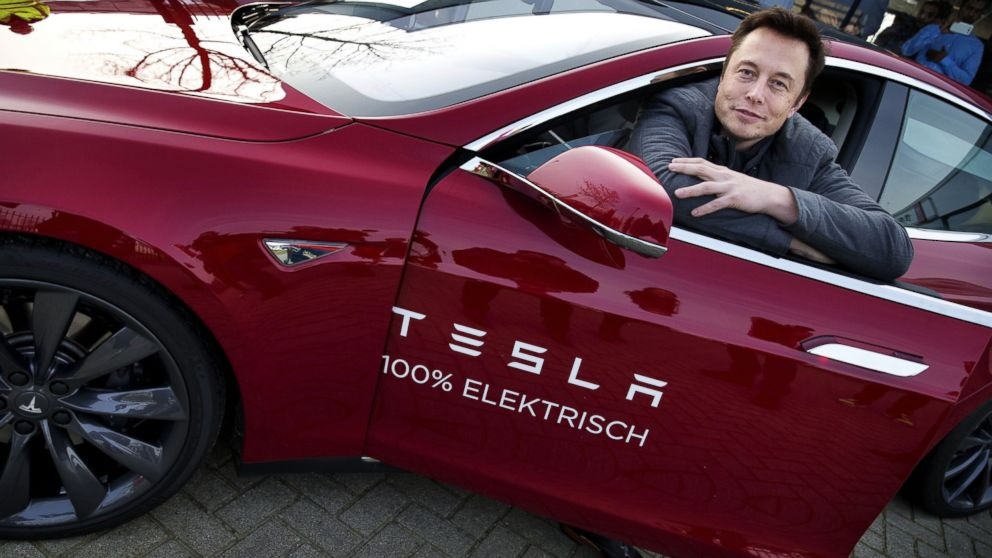
In the wake of Tesla’s latest quarterly results, CEO Elon Musk made a bold reiteration of what he had always stated: Tesla isn’t a car company. 

This declaration comes amidst a backdrop of concerning financial figures in the most recent quarter, with sales dropping by 9% from the previous year, the first drop in four years, and operating profit plummeting by over 50%. 

Despite these gloomy metrics, Tesla’s stock displayed resilience, reflecting an aura of anticipation rather than trepidation. Following the earnings release, shares experienced a significant jump, with momentum carrying over into morning trading on Wednesday. The stock surged as much as 14%, indicating positive investor sentiment.

Musk’s pivot hinges on the promise of Tesla’s future endeavors, particularly its ambition in the space of autonomous ridesharing. Emphasizing Tesla’s potential as a digital platform akin to industry giants like Uber and Airbnb, Musk aims to redirect investors’ focus from the current downturn in car sales toward the tantalizing prospects of a future dominated by autonomous fleets.

“We should be thought of as an AI robotics company. If you value Tesla as just an auto company — it’s just the wrong framework. If you ask the wrong question, then the right answer is impossible,” he said.

During Tesla’s earnings call, Musk repeatedly reiterated this narrative, urging investors to envision Tesla not as a conventional automaker but as an AI robotics company poised to revolutionize transportation. 

“The way to think of Tesla is almost entirely in terms of solving autonomy and being able to turn on that autonomy for a gigantic fleet,” he said.

He teased forthcoming details about a mass-market $25,000 vehicle and underscored the company’s commitment to unveiling its robotaxi initiative on August 8th, leapfrogging dedicated self-driving companies like Waymo.

However, skepticism lingers amidst Musk’s grand proclamations. Analysts from Jefferies and UBS voiced concerns over Tesla’s ambitious plans, citing a lack of clarity regarding timelines and business models. While Musk exudes confidence in Tesla’s ability to lead the autonomous revolution, critics remain doubtful, recalling past promises and questioning the feasibility of Musk’s vision.

The divergence between Musk’s aspirational rhetoric and Tesla’s current challenges underscores a broader theme of market dissonance. While Musk seeks to redefine success for Tesla beyond traditional metrics, such as profitability from car sales, doubts persist regarding the company’s ability to deliver on its lofty promises.

Even as Tesla’s quarter jolted the stock, market observers expressed some skepticism over the company’s ambitious plans. “Commitment to robotaxi is unwavering, still without providing clarity on timeframe and business model,” the Jefferies note said. 

A note from UBS analysts referring to Tesla’s Full Self-Driving technology, or FSD, was even more critical. “We don’t doubt that FSD is making progress, but TSLA has talked up autonomy before, and we are skeptical that TSLA will have a ‘cyber-cab‘ or ride-hailing service this decade,” analysts at UBS wrote after earnings.

The divergence between Musk’s bold vision and the skepticism of market observers underscores the challenges ahead for Tesla. While Musk envisions a future where Tesla dominates the autonomous ridesharing market, doubts persist regarding the feasibility and timeline of such endeavors.

Ultimately, Musk’s audacious reimagining of Tesla’s identity reflects a strategic maneuver to shift the narrative away from short-term setbacks towards a future brimming with potential. Yet, as the market grapples with skepticism and uncertainty, the true test lies in Tesla’s ability to translate vision into reality and convince skeptics that its ambitions are not mere fantasies but achievable goals.

Philippines SEC orders Apple and Google to remove Binance App from App Stores

0

In a significant development for the cryptocurrency sector in the Philippines, the Securities and Exchange Commission (SEC) has ordered tech giants Apple and Google to remove the Binance app from their respective app stores. This move comes amid growing concerns over the operations of Binance, one of the world’s largest cryptocurrency exchanges, within the country.

On April 19, the SEC issued separate letters to both Apple and Google, requesting the removal of applications controlled by Binance.com from their respective app stores. The SEC’s decision was driven by concerns over the security of Filipino investors’ funds and the overall impact on the country’s economy. Binance, the world’s largest cryptocurrency exchange by trading volume, has been operating without the necessary licenses from the SEC to solicit investments or to operate a securities exchange as required by the Securities Regulation Code (SRC).

The SEC’s Chairperson, Emilio B. Aquino, emphasized the importance of this directive by stating that the public’s continued access to Binance’s services poses a threat to the security of investing Filipinos’ funds. By removing and blocking Binance applications, the SEC aims to prevent the proliferation of illegal activities and protect the investing public from their detrimental effects.

The SEC’s decision is rooted in the accusation that Binance has been offering unregistered securities to Filipinos and operating as an unregistered broker, which is a violation of the country’s securities laws. The regulatory body has emphasized that the continued availability of Binance’s app poses a threat to the security of investing Filipinos’ funds.

This is not the first time Binance has faced regulatory challenges. The exchange has been under scrutiny in several countries for similar reasons. The Philippines’ SEC has been considering this action since November of the previous year, warning the public against using Binance and investigating the possibility of blocking the exchange’s services.

The SEC’s directive to Apple and Google is part of a broader effort to safeguard Filipino investors from potential risks associated with unregulated cryptocurrency platforms. The commission has also urged Filipinos with investments in Binance to close their positions or transfer their holdings to crypto wallets or exchanges that are registered in the Philippines.

The implications of this order are significant for both Binance and the cryptocurrency market in the Philippines. It highlights the ongoing tension between regulatory bodies and the rapidly evolving digital currency space. As the situation develops, it will be crucial to monitor the responses from Binance, Apple, and Google, as well as the impact on Filipino investors and the broader cryptocurrency ecosystem in the country.

The SEC’s proactive stance reflects the growing need for regulatory oversight in the rapidly evolving cryptocurrency market. As digital currencies continue to gain popularity, the risks associated with unregulated platforms become more pronounced, necessitating decisive action from market regulators to safeguard investors’ interests.

As the situation develops, it will be interesting to observe how other countries respond to the challenges posed by cryptocurrency exchanges and whether they will follow the Philippines’ lead in prioritizing investor protection in the digital age. For now, the Philippines SEC’s directive is a clear message to the global community: the safety and security of investors take precedence over the unchecked expansion of cryptocurrency platforms.

Tesla’s Impact on California’s Job Market

0

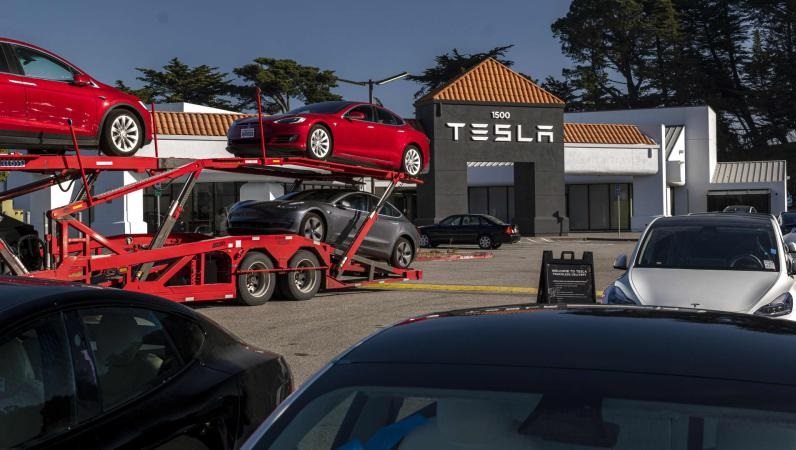
Tesla, the renowned electric vehicle and clean energy company, has made significant strides in boosting the job market in California. With over 30,000 manufacturing jobs created, Tesla is not just revolutionizing the automotive industry but also playing a pivotal role in job creation and economic growth in the state.

The company’s approach to manufacturing is unique, blending innovative technology with skilled labor. Tesla’s manufacturing jobs range from production associates to specialized engineering roles, reflecting the diverse opportunities available within the company. The positions are spread across various locations, including the notable Fremont Factory, which stands as one of the largest manufacturing sites in California[2].

Tesla’s commitment to the California job market is evident in its extensive hiring and training programs. The Tesla START program, for instance, is an immersive 12-week training initiative that equips students with the skills necessary for a successful career at Tesla or in the broader automotive industry[3]. This program underscores Tesla’s dedication to developing a skilled workforce and fostering long-term employment opportunities.

The economic impact of Tesla’s manufacturing jobs extends beyond the company’s walls. The influx of jobs has stimulated local economies, supporting ancillary businesses and services. Moreover, Tesla’s presence has attracted a talented pool of individuals to California, further solidifying the state’s reputation as a hub for innovation and technology.

Tesla’s manufacturing jobs offer competitive wages and comprehensive benefits, including full medical, dental, and vision coverage, as well as generous paid time off and 401(k) matching. These benefits not only attract top talent but also contribute to a higher standard of living for Tesla employees and their families.

The future looks bright for Tesla in California, with the company continuously innovating and expanding its operations. As Tesla grows, so does its contribution to the job market, promising more opportunities for Californians and a stronger economy for the state.

Tesla’s impact on California’s job market is a testament to the company’s vision of accelerating the world’s transition to sustainable energy. By creating thousands of manufacturing jobs, Tesla is not only leading the charge in the electric vehicle industry but also empowering individuals with stable and rewarding careers.

Tesla’s Financial Performance and Bitcoin’s Role.

Despite the decision to hold onto its Bitcoin, Tesla faced financial challenges in Q1 2024. The company reported a significant drop in revenue, falling short of earnings and revenue estimates. This marked the third consecutive earnings miss for Tesla, following a streak of beating expectations. However, the value of Tesla’s Bitcoin holdings surged due to the cryptocurrency hitting a record high of $73,250 in March, showcasing the volatility and potential of digital assets as part of a diversified investment strategy.

Looking ahead, Tesla’s commitment to its Bitcoin holdings suggests a belief in the integration of blockchain technologies within its business model. The company’s strategic decision to maintain its cryptocurrency assets, despite market fluctuations, positions it to potentially benefit from future appreciation in Bitcoin’s value. This approach aligns with Tesla’s innovative and forward-thinking ethos, as it continues to explore new frontiers in technology and sustainable energy.

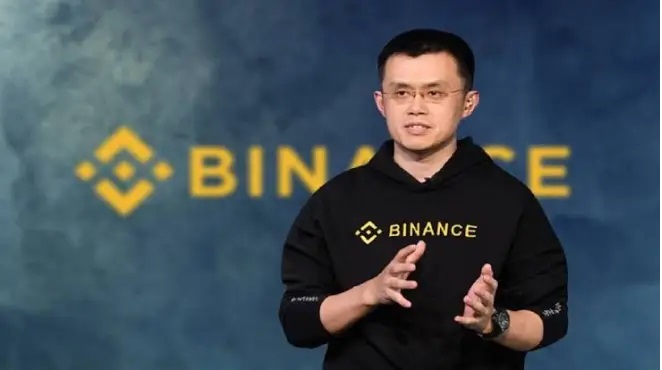
US seeks Three years of Jail Time for Binance founder Changpeng Zhao

0

The recent news surrounding the founder of Binance, Zhao Changpeng, has caught the attention of the global financial community. The United States prosecutors have recommended a 36-month prison sentence for Zhao after he pleaded guilty to charges related to violating anti-money laundering laws. This case highlights the ongoing discussions about the regulation of cryptocurrency exchanges and the importance of compliance with financial laws.

Zhao, commonly known as CZ, founded Binance in 2017, and it quickly rose to become the world’s largest cryptocurrency exchange by trading volume. The platform’s rapid growth and international reach brought significant scrutiny from regulatory bodies worldwide. The charges against Zhao stem from allegations that Binance failed to implement adequate anti-money laundering (AML) measures and knowingly allowed transactions linked to criminal activities.

The recommended sentence is part of a broader settlement that includes a substantial financial penalty for the exchange. Binance agreed to pay a total of $4.32 billion, which comprises a $1.81-billion criminal fine and $2.51 billion in restitution. Zhao has also agreed to step down from his role at Binance and pay a personal fine of $50 million.

Ahead of his sentencing, CZ has publicly apologized for his actions, accepting full responsibility for not establishing the necessary compliance controls at Binance. His sentencing, scheduled for April 30, follows a settlement with the U.S. Department of Justice (DOJ) in November 2023. The DOJ is reportedly seeking a 36-month sentence, emphasizing the need for a strong deterrent against similar violations in the future.

The case against Zhao and Binance underscores the challenges that the cryptocurrency industry faces in terms of regulatory compliance. As digital currencies become more mainstream, governments and financial institutions are calling for stricter oversight to prevent money laundering and other illicit activities. The outcome of this case could set a precedent for how similar cases are handled in the future and influence the development of regulatory frameworks for the crypto industry.

For investors and users of cryptocurrency platforms, this situation serves as a reminder of the importance of due diligence and the potential risks associated with the rapidly evolving digital asset space. It also emphasizes the need for crypto exchanges to prioritize transparency and adherence to legal standards to foster trust and stability in the market.

The sentencing of CZ comes at a time when Binance has established itself as a leading player in the cryptocurrency exchange market. The potential incarceration of CZ poses several questions regarding the continuity of leadership, the maintenance of operational integrity, and the company’s strategic direction.

The sentencing of CZ is a watershed moment for Binance and the cryptocurrency industry at large. It highlights the growing pains of a rapidly evolving market and the need for mature governance and compliance structures. As Binance navigates through this challenging period, the crypto community will be watching closely to see how the company adapts and evolves in response to its founder’s legal predicament.

Philippines SEC orders Apple and Google to remove Binance App from its store

In a significant development for the cryptocurrency sector in the Philippines, the Securities and Exchange Commission (SEC) has ordered tech giants Apple and Google to remove the Binance app from their respective app stores. This move comes amid growing concerns over the operations of Binance, one of the world’s largest cryptocurrency exchanges, within the country.

On April 19, the SEC issued separate letters to both Apple and Google, requesting the removal of applications controlled by Binance.com from their respective app stores. The SEC’s decision was driven by concerns over the security of Filipino investors’ funds and the overall impact on the country’s economy. Binance, the world’s largest cryptocurrency exchange by trading volume, has been operating without the necessary licenses from the SEC to solicit investments or to operate a securities exchange as required by the Securities Regulation Code (SRC).

The SEC’s Chairperson, Emilio B. Aquino, emphasized the importance of this directive by stating that the public’s continued access to Binance’s services poses a threat to the security of investing Filipinos’ funds. By removing and blocking Binance applications, the SEC aims to prevent the proliferation of illegal activities and protect the investing public from their detrimental effects.

The SEC’s decision is rooted in the accusation that Binance has been offering unregistered securities to Filipinos and operating as an unregistered broker, which is a violation of the country’s securities laws. The regulatory body has emphasized that the continued availability of Binance’s app poses a threat to the security of investing Filipinos’ funds.

This is not the first time Binance has faced regulatory challenges. The exchange has been under scrutiny in several countries for similar reasons. The Philippines’ SEC has been considering this action since November of the previous year, warning the public against using Binance and investigating the possibility of blocking the exchange’s services.

The SEC’s directive to Apple and Google is part of a broader effort to safeguard Filipino investors from potential risks associated with unregulated cryptocurrency platforms. The commission has also urged Filipinos with investments in Binance to close their positions or transfer their holdings to crypto wallets or exchanges that are registered in the Philippines.

The implications of this order are significant for both Binance and the cryptocurrency market in the Philippines. It highlights the ongoing tension between regulatory bodies and the rapidly evolving digital currency space. As the situation develops, it will be crucial to monitor the responses from Binance, Apple, and Google, as well as the impact on Filipino investors and the broader cryptocurrency ecosystem in the country.

The SEC’s proactive stance reflects the growing need for regulatory oversight in the rapidly evolving cryptocurrency market. As digital currencies continue to gain popularity, the risks associated with unregulated platforms become more pronounced, necessitating decisive action from market regulators to safeguard investors’ interests.

As the situation develops, it will be interesting to observe how other countries respond to the challenges posed by cryptocurrency exchanges and whether they will follow the Philippines’ lead in prioritizing investor protection in the digital age. For now, the Philippines SEC’s directive is a clear message to the global community: the safety and security of investors take precedence over the unchecked expansion of cryptocurrency platforms.

Naira Hits N1,400 Against US Dollar, Further Erasing Recent Gains

0

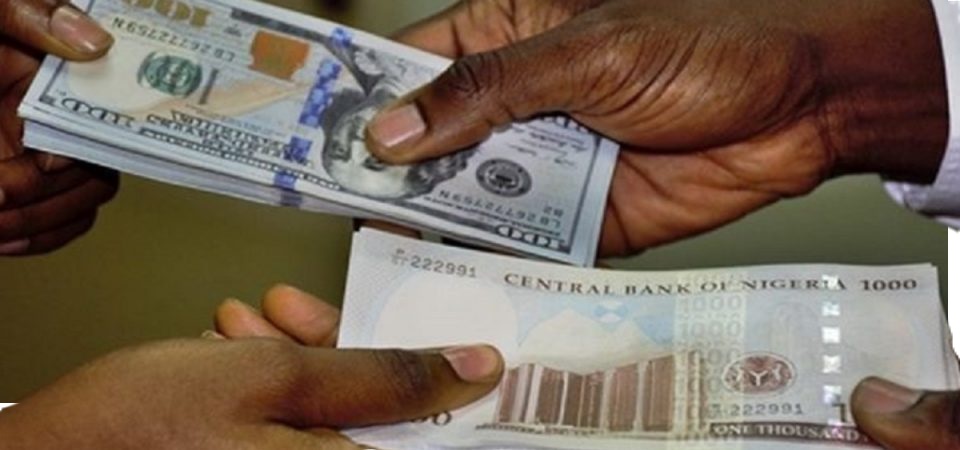
The Nigerian naira experienced a significant decline on Thursday, reaching N1,400 against the US dollar on the black market. This plunge follows renewed demand pressure in the foreign exchange (FX) market, signaling a setback after the currency’s recent rally to N1,120 against the dollar.

The current depreciation of the naira represents a 19.64% loss in value over the past two weeks, compared to its rate of N1,125 per dollar recorded on April 12, 2023. Data from the Nigerian Autonomous Foreign Exchange Market (NAFEM) revealed that the naira depreciated to N1,308.52 per dollar on Wednesday, marking a 12.69% decline from its value two weeks ago.

Analysts attribute the recent downturn to a lack of hedge options for foreign investors, spooked by global geopolitical tensions such as the Israel-Hamas conflict and a strengthening US dollar. BusinessDay, citing sources, reported that the absence of exchange rate hedging products has left foreign portfolio investors (FPIs) vulnerable to market volatility.

There’s a lack of hedge – no NDFs and no ETDs – so FPIs are exposed to the Israel-Hamas war and with a statement of no intention to intervene by the CBN, they are selling their fixed income securities to take out their capital,” a source familiar with the matter told BusinessDay.

According to the same source, the market urgently requires exchange rate hedging products to manage volatility effectively.

In response to the market pressure, the Central Bank of Nigeria (CBN) has continued its foreign exchange supplies to Bureau De Change (BDC) operators. On Monday, the CBN approved the allocation of $15.83 million to 1,583 BDC operators to stabilize the FX market and ensure foreign currency accessibility to eligible end users.

In a letter addressed to BDCs, the CBN announced the allocation of $10,000 to each operator at a rate of N1,021 per US dollar. BDCs are directed to initiate payments to specified CBN Naira Deposit Account Numbers starting from April 22, 2024. Upon submission of payment confirmation and necessary documentation, the CBN will disburse foreign exchange at respective CBN branches.

Furthermore, BDCs are instructed to sell the allocated foreign currency to eligible end users at a spread not exceeding 1.5% above the purchase price, aiming to promote transparency and fair pricing in the FX market.

While the drop in naira is believed to be influenced by global uncertainties, analysts note that is a sign that the Nigerian FX market is still significantly short of adequate liquidity.

Acknowledging the potential influence of foreign investors on the Nigerian FX market, the CBN governor, Yemi Cardoso, said: “The response from the foreign portfolio investors has been very positive and it shows in the numbers and we expect from what the reactions that we got during the course of the past few days, that positive sentiment will continue to improve.”

Cardoso also admitted that the market is still volatile, and will require the CBN to continue rolling out measures to achieve price stability.

“Again, to be honest, I think we should expect that there will be increases here and there, ups and downs and even from what you’ve reported yesterday [last week], from what I gather, the naira has begun strengthening overnight,” he said.

“So I think the most important thing to say here is that we are doing everything possible to ensure that we have a stable exchange rate and an exchange rate that finds its adequate price discovery level. That is a process that will continue.”