DD
MM
YYYY

PAGES

DD
MM
YYYY

spot_img

PAGES

Home Blog Page 3532

Abia State Government Plans Contributory Pension Scheme for Civil Servants

0

In a move geared towards improving pension administration in Abia State, the government has announced plans to implement a Pension Contributory Scheme for civil servants.

This decision comes in the wake of the recent repeal of the controversial jumbo pension scheme for ex-governors, reflecting the government’s commitment to fiscal responsibility and transparency.

Okey Kanu, the Commissioner for Information and Culture, made this announcement during a press briefing held on Tuesday at the Government House in Umuahia.

“The state government has concluded plans to introduce a contributory pension scheme for Abia civil servants,” stated Kanu, emphasizing the advanced stage of preparations for the scheme’s establishment. “The plans for establishing the scheme have gone very far and very soon we would start the cutover to a contributory pension scheme,” he added, underlining the government’s determination to modernize the pension system and ensure its sustainability.

The proposed contributory pension scheme aims to streamline the pension payment process, ensuring timely disbursement and full payments to pensioners.

Kanu highlighted that under the new scheme, pensioners would receive their pensions in full and on the 28th of every month, aligning with the payment schedule for civil servants.

This initiative seeks to provide pensioners with financial security and a sense of dignity in retirement, addressing longstanding challenges in pension administration.

Efforts are also underway to address issues related to pension arrears payment, with the Ministry of Finance establishing a help desk to assist pensioners with inquiries and resolve any discrepancies in payments. This proactive approach aims to ensure a smooth and transparent process, restoring confidence in the pension system and fostering trust between the government and pensioners.

In addition to pension reforms, the state government is prioritizing infrastructure development to enhance the overall well-being of its citizens. Kanu announced the approval for the reconstruction of the 3.5-kilometer Ekeakpara road, emphasizing the importance of improving connectivity and aesthetics in the area. The road rehabilitation project will include the installation of a concrete drainage system, enhancing its durability and lifespan for the benefit of residents and commuters.

Furthermore, preparations are underway for the upcoming Association of Nigerian Physicians in the Americas Medical Mission in the state, reflecting the government’s commitment to improving healthcare delivery.

Kanu highlighted the overwhelming interest shown by prospective patients, with registrations exceeding expectations. The medical mission is expected to provide essential healthcare services to hundreds of patients, addressing critical healthcare needs in the community.

“The Ministry of Health and ANPA joined forces to have about 200 patients undergo surgery but the number has now increased to about 350 patients because of the massive interest people have shown. The number of registered patients shows that it is going to be a hectic period for those involved. This means that they will be carrying out surgeries on about 25 patients per day; that’s very huge by any stretch of imagination,” Mr Kanu said.

The Abia State Government has continued to be praised for implementing reforms and investing in infrastructure and social programs. The introduction of the contributory pension scheme is seen as a significant move in ensuring financial security for civil servants and retirees, fostering a more sustainable and inclusive economy in the state.

N225kwh: Federal Government Approves Electricity Tariff Hike for Band A Consumers

0

In a move bound to affect a segment of electricity consumers, the Nigerian Electricity Regulatory Commission (NERC), acting on behalf of the federal government, has given the green light for an increase in electricity rates for consumers categorized under Band A.

This development, disclosed in a press statement by Musliu Oseni, the Vice Chairman of NERC, marks a significant adjustment in electricity tariffs, which the Minister of Power, Chief Adebayo Adelabu, has long advocated.

Oseni highlighted that the tariff hike would see consumers under Band A paying N225 per kilowatt-hour, a substantial increase from the existing rate of N66 per kilowatt-hour. Band A consumers, comprising 15% of the nation’s 12 million electricity consumers, are primarily urban consumers.

The decision to revise the tariffs stems from the failure to meet the required electricity supply hours, leading to the reclassification of some Band A customers to Band B. Oseni explained that upon reviewing the performance of various feeders, the Commission has reduced the number of Band A feeders from 800 to under 500, with only 17% now qualifying as Band A feeders.

In response to concerns about the impact of the tariff hike, Oseni clarified that the revised rates would only affect a fraction of the customer population. The April supplementary order issued by the Commission ensures that less than 15% of customers in the Nigerian Electricity Supply Industry (NESI) will experience the rate increase. Oseni disclosed that the adjustment would not affect customers in other tariff bands.

He said: “We currently have 800 feeders that are categorized as Band A, but upon reviewing those feeders’ performance, the Commission has now reduced it to under 500. This means that 17% now qualify as Band A feeders. These feeders only service 15% of total electricity customers connected to the feeders.

“The commission has issued an order which is titled April supplementary order taking effect from today.

“The commission now reviewed further the application by the distribution companies and has decided that only the 17% feeders and less than 15% customers will be affected by any rate increase that the commission will ever approve for the distribution company.

“The order takes effect from today and in that order the commission has approved a rate review of N225 per killowatt hour for just under 15% of the customer population in NESI. That means that less than 15% of the customers will be affected.”

Backstory and Context

Earlier reports indicated that the federal government was poised to implement a substantial increase in electricity tariffs, aiming to attract investment into the sector. Sources familiar with the situation revealed to Bloomberg, plans to raise tariffs for urban consumers to N200 per kilowatt-hour, up from N68, with urban centers accounting for 15% of the population but consuming approximately 40% of the nation’s power.

Bayo Onanuga, the Special Adviser to the President on Information and Strategy, confirmed that NERC would announce a price increase soon, emphasizing that the government would refrain from commenting until the regulator’s decision. Onanuga said there are ongoing discussions between the regulator, distribution companies, and generating companies in determining tariff adjustments.

The review is believed to have stemmed from the need to minimize the burden of electricity subsidies being borne by the federal government for long. In February, the Minister of Power declared that Nigeria should transition to a full cost-reflective tariff regime to address the challenges plaguing the country’s electricity sector.

He disclosed that the country is currently indebted to the tune of N1.3tn to generating companies (GenCos) and $1.3bn owed gas companies and that it will require an additional N2 trillion to subsidize power for Nigerians, whereas only N450 billion was budgeted for that in 2024.

While Nigerians and the Senate rejected the proposed tariff due to multi-faceted challenges – including epileptic electricity supply, Adebayo appears to have streamlined the framework to protect consumers.

However, the recent tariff adjustment has sparked new concerns, particularly regarding its impact on consumers. With the tariff revision affecting only 15% of consumers, there is a growing fear that these consumers will become the primary focus of the Distribution Companies (DisCos).

Currently, Nigeria is generating approximately 4,000MW of electricity, which falls significantly short of meeting the needs of its 12 million consumers. This shortfall has raised fears that the DisCos, who were recently fined N10 billion and warned against issuing exorbitant bills to consumers, may prioritize the 15% of consumers who pay higher tariffs, leaving the rest in dense darkness.

Moniepoint Unveils USSD Service to Enhance User’s Mobile Transaction And Combat Fraud

0

Nigerian fintech company Moniepoint has recently launched its Unstructured Supplementary Service Data (USSD) service, to enhance customers’ mobile transaction and combat fraud.

The newly rolled-out code (*5573#) will offer users a fast, secure, and user-friendly platform to conduct their banking activities with ease, from any mobile device without the need for an internet connection.

According to the managing director of Moniepoint Mr. Babatunde Olofin, he disclosed that the new code aims to improve convenience and accessibility, demonstrating the bank’s dedication to financial inclusion and bolstering safety and security within the digital payment ecosystem.

He noted that the USSD banking suite includes a variety of services such as funds transfer, airtime and data purchase, account balance and details inquiry, PIN management, and account security measures like blocking and unblocking access for oneself or others.

He further added that the introduction of *5573# was a security measure against unauthorized access, safeguarding customer funds in case of loss or theft of mobile phones, ATM Cards, or hardware tokens, and in situations where account details may be compromised.

In his words,

“This code empowers customers to secure their accounts promptly from any mobile device, without needing to contact the bank, especially in cases of suspected fraud. At Moniepoint MFB, our top priorities are delivering exceptional customer service through digital innovation and ensuring the highest security standards.

“We have always been guided by our mission to create a society where everyone experiences financial happiness, and in these times, what that looks like for us is increasingly empowering consumers to take charge of their bank accounts, even as we curate a seamless and secure banking experience”.

Existing customers, encompassing business and personal accounts, can initiate transactions and manage their accounts, by navigating to USSD banking settings on their mobile banking app in order to activate this feature while new users will have the feature activated by default upon sign up.

It is worth noting that the USSD code feature remains Africa’s most popular payment channel despite growing alternatives such as apps and QR codes. The feature has been key in facilitating transactions that go beyond traditional mobile money services, including transactions between different financial institutions.

It also presents a cost-effective solution for delivering financial services, especially in areas with limited smartphone usage and high data costs. Unlike other options, USSD does not rely on expensive data plans, making it accessible to a broader range of individuals.

Notably, the feature plays a very crucial role in enhancing security and trust among users, ultimately increasing their willingness to adopt and utilize mobile financial services with minimizing the risk of fraud.

BlockDAG’s Potential For 20,000x Gains Wows Market Amid 60 Billion Milestone For Solana DEX & Catcoin’s Future Looks Bright

0

The Solana blockchain’s decentralized exchange, Solana DEX, has achieved an impressive feat with transactions amounting to $60 billion in March, highlighting its widespread acceptance and scalability. At the same time, the meme cryptocurrency, Catcoin, is generating significant buzz with over 30,000 discussions online, leading to optimistic forecasts about its price trajectory.

Furthermore, the introduction of BlockDAG Network (BDAG) innovative layer 1 blockchain technology, featuring the PHANTOM protocol and GHOSTDAG algorithm, as outlined in its most recent technical paper, is drawing attention to its potential to revolutionize blockchain architecture. The excitement surrounding this new cryptocurrency is palpable with predictions pointing towards a staggering 20,000x return on investment for BlockDAG’s investors.

Solana DEX Achieves New Heights with $60 Billion in Transactions

The decentralized exchange operating on the Solana blockchain, Solana DEX, recently broke records by facilitating $60 billion in cryptocurrency transactions in the month of March, setting a new benchmark. This milestone underlines the platform’s escalating appeal and solid foundation. Solana DEX’s success in managing such a vast amount of transactions showcases the Solana blockchain’s scalability and effectiveness.

The exchange’s competitive edge is further strengthened by its lower fees and quicker transaction times, attracting users looking for alternatives to other decentralized exchanges. As the cryptocurrency market grows, Solana DEX is expected to become a key player in the decentralized finance landscape.

Optimistic Projections for Catcoin’s Value

The prediction of Catcoin’s value has become a topic of widespread interest as this meme coin continues to attract attention, evidenced by over 30,000 posts on X. The influx of traders to Catcoin is driving its rapid growth, leading to speculative forecasts about its future value.

Although the cryptocurrency market is known for its volatility, the considerable buzz and trading activity surrounding Catcoin suggest a potential increase in its value. However, given the unpredictable nature of meme coins, which are often influenced by market sentiment and hype, investors are advised to proceed with caution and conduct comprehensive research before making any investments.

BlockDAG’s Presale and Technical Whitepaper Catalyze Excitement

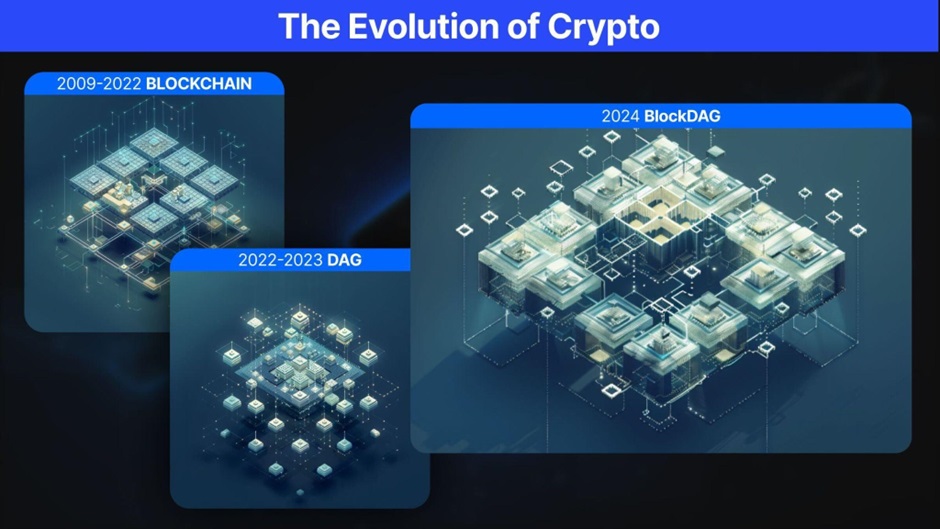
The release of BlockDAG’s latest technical whitepaper and the success of its presale, which surpassed $12.4 million, have marked a significant milestone for this pioneering blockchain project. The excitement generated by the technical whitepaper’s launch has considerably boosted presale figures, with projections indicating a 20,000x profit increase for BlockDAG. This surge in interest stems from BlockDAG’s innovative departure from traditional blockchain models, opting instead for a Directed Acyclic Graph (DAG) architecture.

The technical document provides an in-depth explanation of the algorithms that underpin BlockDAG, detailing the creation, organization, and protection of blocks within the DAG. It introduces advanced concepts such as k-clusters and addresses the maximum k-cluster SubDAG problem, along with the selection and sorting mechanisms essential for ensuring network stability and scalability.

BlockDAG’s introduction of the PHANTOM protocol and GHOSTDAG algorithm for consensus within its DAG structure promises a network that is secure against attacks and capable of efficiently processing transactions. With the presale already achieving $12.4 million, selling over 6.3 billion BDAG, and the price of coins in its 6th batch at $0.0035 each, BlockDAG’s growth momentum is evident.

Key Insights

BlockDAG stands out in the blockchain sector with its technical breakthroughs and the potential for a 20,000x increase in profits. While Solana DEX and Catcoin have garnered significant attention for their recent achievements and bullish price predictions, BlockDAG’s unique layer 1 blockchain technology has impressed the crypto community. Its PHANTOM protocol and GHOSTDAG algorithm are set to offer secure, efficient transactions that challenge conventional blockchain models.

As the industry continues to evolve, BlockDAG’s innovative concepts and solid infrastructure position it as a pivotal figure in decentralized finance. Stakeholders in the crypto space should keep a close watch on BlockDAG’s advancements, as its disruptive technology has the potential to alter the blockchain landscape significantly.

Join BlockDAG Presale Now:

Website: https://blockdag.network

Presale: https://purchase.blockdag.network

Telegram: https://t.me/blockDAGnetworkOfficial

Discord: https://discord.gg/Q7BxghMVyu

Singapore’s Progressive Stance on Crypto Regulation, as Deribit secures Conditional VASP License in Dubai

0

Singapore Enacts Licensing Requirements for Crypto Custody Services.

In a significant move to strengthen its financial regulatory framework, Singapore has enacted new licensing requirements for cryptocurrency custody services and other related activities. This development is part of the city-state’s ongoing efforts to establish itself as a global hub for financial innovation while ensuring the stability and security of its financial system.

The Monetary Authority of Singapore (MAS), the nation’s central bank, has expanded the scope of regulated cryptocurrency-related activities to include custodial services, cross-border money transfers, and the facilitation of crypto transactions between accounts and exchanges. This regulatory update follows the amendments to the Payment Services Act (PS Act) passed in 2021, which aimed to provide a comprehensive framework for payment service providers.

The amendments to the PS Act were initially set to be enacted in the fourth quarter of 2021. However, the MAS has only recently made these changes operational. The delay can be attributed to the need for a thorough preparation phase to ensure that the new regulations would be effectively integrated into the existing financial system.

The recent turmoil in the cryptocurrency sector, highlighted by the crash of FTX, has underscored the importance of robust regulatory measures. Singapore’s response has been to introduce user protection and financial stability-related requirements for digital payment token (DPT) or cryptocurrency service providers. These requirements include segregating customers’ assets, maintaining proper books and records, and implementing effective systems and controls.

Entities currently engaged in crypto-related activities under the PS Act must initiate a transition process within 30 days and submit a license application within six months from April 4, 2024. This allows them to continue their operations temporarily until their applications are reviewed. A crucial aspect of the application process is the submission of an attestation report of compliance with anti-money laundering and countering the financing of terrorism requirements, verified by an external auditor within nine months.

Non-compliance with these new regulations will result in entities having to cease all crypto-related activities. This firm stance by the MAS reflects Singapore’s commitment to preventing the misuse of cryptocurrencies for illicit purposes while fostering a secure environment for legitimate crypto transactions.

The introduction of these licensing requirements is a testament to Singapore’s proactive approach to managing the risks associated with the burgeoning crypto market. By doing so, Singapore not only protects its financial ecosystem but also positions itself as a responsible and forward-thinking leader in the global financial landscape.

As the crypto industry continues to evolve, Singapore’s regulatory framework will likely serve as a model for other nations seeking to balance innovation with financial security. The MAS’s actions demonstrate a clear understanding of the complexities of the crypto market and a willingness to adapt its regulations to meet the challenges of a rapidly changing financial sector.

The expansion of regulated cryptocurrency-related activities by the MAS is a testament to Singapore’s dynamic approach to financial regulation. It demonstrates a clear recognition of the importance of adapting to technological advancements while ensuring that the integrity of the financial system is preserved. As the digital asset space matures, the MAS’s measures will undoubtedly play a crucial role in shaping the future of cryptocurrency regulation, not only in Singapore but across the globe.

Deribit secures Conditional VASP License in Dubai

The cryptocurrency landscape is witnessing a significant shift as Deribit, a leading crypto options exchange, secures a conditional Virtual Asset Service Provider (VASP) license for its Dubai-based unit, Deribit FZE. This development marks a pivotal moment for the exchange and highlights the evolving regulatory environment for digital assets.

Dubai has rapidly emerged as a global hub for the cryptocurrency industry, attracting some of the world’s leading crypto exchanges. This surge is largely attributed to the city’s progressive regulatory stance and its ambition to become a blockchain and Web3 technology center. Here’s a look at some of the prominent crypto exchanges that have established a presence in Dubai.

Deribit’s journey began as a Panama-based platform, renowned for its robust infrastructure that facilitated low latency trading and deep liquidity. With over 85% of the global crypto derivative activity, Deribit has established itself as a trusted name in the market, offering a range of products including bitcoin, ether, and Solana options, as well as bitcoin and ether perpetual futures.

The conditional VASP license, granted by Dubai’s Virtual Asset Regulatory Authority (VARA), is a testament to Deribit’s commitment to compliance and governance standards. The license remains non-operational until all conditions set by VARA are met, but once fully operational, it will enable Deribit FZE to serve institutional and qualified investors, while continuing to cater to retail investors through its Panama-based broker affiliate.

This strategic move is accompanied by the appointment of Luuk Strijers as the new CEO, who brings a wealth of experience from his tenure as Chief Commercial Officer. Under his leadership, Deribit aims to raise the quality and governance standards of its platform, having already obtained ISO and SOC2 certification and appointed non-executive directors to its board.

Dubai’s progressive regulatory framework presents a fertile ground for innovation in the digital asset space. A year ago, VARA introduced a comprehensive regulatory framework for crypto, requiring companies to secure licenses to operate legally within the country. The VASP license is mandatory for conducting virtual asset business in Dubai and reflects the city’s ambition to become a global hub for blockchain and Web3 technologies.

Deribit’s decision to relocate its global headquarters to Dubai is a strategic move that aligns with the city’s vision. The exchange’s commitment to security and transparency is further underscored by its ISO 27001 certification, which sets international standards for information security management systems.

The conditional VASP license is more than a regulatory milestone; it signifies Deribit’s unwavering dedication to providing a secure, transparent, and innovative platform for its users. With the addition of two Non-Executive Directors, Dennis Dijkstra and Willem Meijer, Deribit is poised for strategic growth and long-term success.

As the crypto industry continues to mature, the importance of regulatory compliance cannot be overstated. Deribit’s move to Dubai and the acquisition of the conditional VASP license are giant strides towards realizing an ambitious vision, steering the crypto industry to new horizons. This is a clear indication that the future of crypto is not just about technological innovation, but also about integrating into the global financial regulatory framework.