DD
MM
YYYY

PAGES

DD
MM
YYYY

spot_img

PAGES

Home Blog Page 3535

Why US SEC has been reluctant to approve spot Bitcoin ETF Applications

0

A spot Bitcoin?ETF would track the price of the underlying cryptocurrency directly, rather than relying on futures contracts or other derivatives. This would provide investors with a more transparent and cost-effective way to gain exposure to the digital asset class.

BlackRock, the world’s largest asset manager, has not given up on its ambition to launch a spot Bitcoin?ETF in the US. The company has been in talks with the Securities and Exchange Commission (SEC) to address the regulator’s concerns and demonstrate the feasibility of such a product.

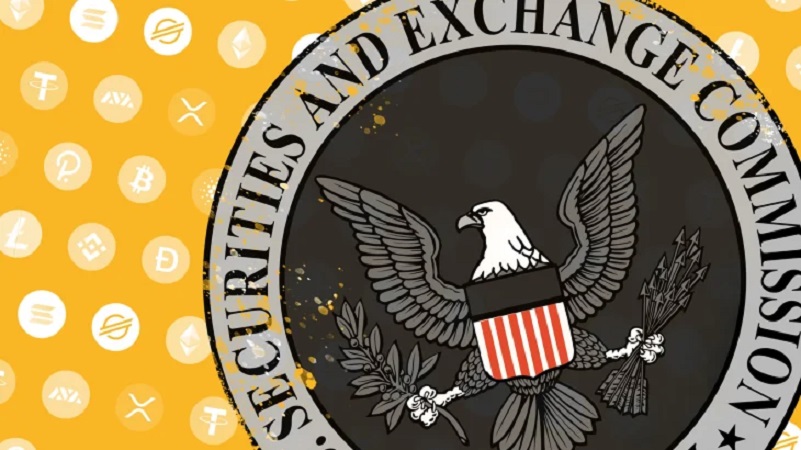
However, the SEC has been reluctant to approve any spot Bitcoin?ETF proposals, citing issues such as market manipulation, custody, liquidity, and investor protection. The regulator has repeatedly delayed or rejected applications from various firms, including VanEck, Valkyrie, and WisdomTree.

BlackRock, which already offers two funds that invest in Bitcoin futures, believes that it can overcome these challenges and convince the SEC to greenlight its spot Bitcoin?ETF. The company has been working closely with the regulator to address its questions and provide evidence of the maturity and robustness of the Bitcoin market.

According to sources familiar with the matter, BlackRock has presented data and analysis on various aspects of the Bitcoin ecosystem, such as price discovery, volatility, arbitrage, trading volume, and custody solutions. The company has also highlighted the benefits of a spot Bitcoin?ETF for investors, such as diversification, hedging, and innovation.

BlackRock is confident that its spot Bitcoin?ETF would meet the SEC’s standards and expectations and hopes to receive a positive response from the regulator soon. The company believes that a spot Bitcoin?ETF would be a game-changer for the crypto industry and would attract significant inflows from institutional and retail investors alike.

Franklin Templeton, one of the world’s largest asset managers, has filed an amendment to its Bitcoin spot ETF application with the US Securities and Exchange Commission (SEC). The firm is seeking to launch the Franklin Templeton Bitcoin ETF, which would track the performance of Bitcoin based on the prices from selected spot exchanges. The ETF would not use derivatives or futures contracts, but rather hold Bitcoin directly in a custodial arrangement with NYDIG Trust Company.

The amendment, submitted on November 29, 2023, provides additional details on the proposed ETF’s investment objective, strategy, risks, fees, and valuation methods. The document also outlines how the ETF would comply with the SEC’s requirements for investor protection, liquidity, transparency, and market integrity.

According to the filing, the ETF would have a total annual operating expense ratio of 0.75%, which includes a management fee of 0.50% and other expenses of 0.25%. The ETF would trade on the NYSE Arca exchange under the ticker symbol FTBT.

The Franklin Templeton Bitcoin ETF is one of several spot Bitcoin ETF applications that are currently under review by the SEC. The regulator has not yet approved any such products in the US, despite growing demand from investors and increasing competition from other jurisdictions that have already authorized Bitcoin ETFs. The SEC has expressed concerns about the potential for fraud, manipulation, and volatility in the Bitcoin market, as well as the lack of reliable and consistent pricing data.

Franklin Templeton believes that its Bitcoin spot ETF would address these issues by using a robust methodology to select the spot exchanges that would provide the reference price for the ETF. The firm also claims that its custodial arrangement with NYDIG would ensure the security and safety of the Bitcoin holdings, as well as facilitate the creation and redemption of ETF shares.

Moreover, the firm argues that its Bitcoin spot ETF would offer investors a convenient and cost-effective way to gain exposure to Bitcoin without having to deal with the technical challenges of buying, storing, and transferring the digital asset.

The SEC has not yet announced a decision date for the Franklin Templeton Bitcoin ETF application, but it is expected to do so within 45 days of receiving the amendment. If approved, the Franklin Templeton Bitcoin ETF would be the first spot Bitcoin ETF in the US, and a major milestone for the crypto industry.

Paxos secures in principle approvals for Stablecoin Issuance and Crypto services in Dubai

Meanwhile, Paxos, a leading blockchain infrastructure platform, announced today that it has received in principle approvals from the Financial Services Regulatory Authority (FSRA) of Abu Dhabi Global Market (ADGM) to operate a regulated crypto-asset business and provide stablecoin services.

This is a significant milestone for Paxos, as it will be one of the first companies to offer regulated crypto services in the Middle East and North Africa (MENA) region. Paxos will be able to provide custody, trading, settlement, and issuance of digital assets to institutional and professional clients in ADGM.

Paxos will also be able to issue its own stablecoins, such as Paxos Standard (PAX) and Binance USD (BUSD), which are backed 1:1 by US dollars and audited monthly by a third-party firm. Paxos stablecoins are widely used across the global crypto ecosystem, with over $16 billion in circulation as of November 2021.

Charles Cascarilla, CEO and Co-Founder of Paxos, said: “We are thrilled to receive these in principle approvals from the FSRA, which demonstrate our commitment to operating at the highest level of regulatory standards. We look forward to bringing our innovative solutions to the MENA market and expanding access to the digital economy.”

CEO of the FSRA of ADGM, said: “We are pleased to welcome Paxos to ADGM’s leading and dynamic digital asset ecosystem. As a pioneer of blockchain technology and a provider of regulated crypto services, Paxos will contribute to the development and growth of this sector in ADGM and the wider region.”

The main features and differences between these two digital assets that are both pegged to the US dollar.

PYUSD is the stablecoin launched by PayPal, the payment processing giant, in August 2023. It is fully backed by US dollar deposits, US treasuries, and similar cash equivalents. On PayPal, you can buy and sell 1 PYUSD for 1 USD. PYUSD is designed for digital payments and Web3 environments, meaning that it can be used for online shopping, peer-to-peer transfers, smart contracts, decentralized applications, and more.

PYUSD is issued by Paxos Trust Company, a regulated entity that also issues USDP and other stablecoins. PYUSD is an ERC-20 token that runs on the Ethereum blockchain, so it can be stored in any compatible wallet and transferred to any Ethereum address.

USDP is another stablecoin issued by Paxos Trust Company. It was formerly known as PAX or Paxos Standard, and it rebranded to USDP in June 2023. Like PYUSD, USDP is also backed 1:1 by the US dollar and it is also an ERC-20 token on Ethereum. However, USDP has some features that distinguish it from PYUSD. For example, USDP has a lower gas fee than PYUSD, meaning that it costs less to send and receive USDP transactions on the Ethereum network.

This is because USDP uses a smart contract optimization technique called CREATE2 that reduces the amount of data stored on the blockchain. Another difference is that USDP has more integrations with other platforms and services than PYUSD.

For instance, USDP can be used on Binance Smart Chain, Solana, Polygon, Avalanche, and other blockchains that support cross-chain bridges. USDP can also be used on various decentralized exchanges, lending platforms, yield farming protocols, and other DeFi applications that accept stablecoins.

PYUSD and USDP are both stablecoins that are pegged to the US dollar and issued by Paxos Trust Company. They are both ERC-20 tokens on Ethereum, but they have some differences in terms of gas fees, integrations, and use cases. Both PYUSD and USDP offer a way to access the benefits of cryptocurrencies without the volatility of other assets like Bitcoin or Ether.

World Peace is Being Threatened by Continuous Conflicts Between Hamas vs Israel and Ukraine vs Russia

0

The world is facing a serious challenge to maintain peace and stability in the face of escalating tensions and violence in some regions. Two of the most prominent examples are the ongoing conflict between Hamas and Israel in the Middle East, and the rising threat of war between Ukraine and Russia in Europe. These situations pose a grave risk to the security and well-being of millions of people, as well as to the global order and cooperation.

I will provide a brief overview of the causes and consequences of these conflicts and discuss some possible ways to resolve them peacefully and diplomatically. I will also highlight the role and responsibility of the international community, especially the United Nations, in preventing further escalation and promoting dialogue and negotiation.

Hamas vs Israel: A Longstanding Struggle

The conflict between Hamas and Israel is rooted in the historical dispute over the land of Palestine, which both sides claim as their ancestral homeland. The establishment of the state of Israel in 1948, following the end of the British mandate, led to a series of wars and clashes with the Arab states and Palestinian factions, resulting in the displacement and occupation of millions of Palestinians.

Hamas, which stands for Islamic Resistance Movement, is a militant Islamist group that emerged in 1987 as an offshoot of the Muslim Brotherhood. It rejects the existence of Israel and seeks to establish an Islamic state in all of historic Palestine. It has been designated as a terrorist organization by many countries, including the United States, the European Union, and Israel.

Hamas controls the Gaza Strip, a densely populated coastal enclave that has been under an Israeli blockade since 2007, when Hamas seized power from its rival faction, Fatah, which governs the West Bank. The blockade has severely restricted the movement of goods and people in and out of Gaza, creating a humanitarian crisis and fueling resentment and anger among the population.

The conflict between Hamas and Israel has flared up periodically, with rockets fired from Gaza into Israeli territory, and airstrikes and ground incursions by Israel into Gaza. The most recent escalation occurred in May 2021, when Hamas launched more than 4,000 rockets at Israel, following violent clashes at the Al-Aqsa Mosque compound in Jerusalem, a holy site for both Muslims and Jews.

Israel responded with a massive bombing campaign that targeted Hamas’s infrastructure, leaders, and militants, as well as civilian buildings and infrastructure. The 11-day war killed more than 250 people in Gaza, mostly civilians, and 13 people in Israel, including two children.

The war ended with a ceasefire brokered by Egypt, with the mediation of other countries such as Qatar and Turkey. However, the underlying issues that fuel the conflict remain unresolved, such as the blockade of Gaza, the expansion of Israeli settlements in the West Bank, the status of Jerusalem, and the fate of Palestinian refugees. Without addressing these issues through a political process that respects the rights and aspirations of both sides, there is a high risk of another outbreak of violence in the future.

The role of UN in this conflict

The United Nations has been involved in various efforts to resolve the conflict between Hamas and Israel since its inception. The UN General Assembly adopted Resolution 181 in 1947, which proposed a partition plan for Palestine into two states: one Jewish and one Arab. However, this plan was rejected by the Arab states and Palestinian leaders, who considered it unfair and unjust.

The UN Security Council adopted Resolution 242 in 1967, after the Six-Day War between Israel and its Arab neighbors. This resolution called for the withdrawal of Israeli forces from territories occupied during the war, and for the recognition of every state’s right to live in peace within secure and recognized boundaries. This resolution has been widely accepted as the basis for a two-state solution to the conflict.

The UN also established several agencies and missions to provide humanitarian assistance, protection, and monitoring to the Palestinian people. These include:

  • The United Nations Relief and Works Agency for Palestine Refugees in the Near East (UNRWA), which provides education, health care, social services, and emergency aid to more than five million Palestinian refugees in Gaza, West Bank, Jordan, Lebanon, and Syria.

  • The United Nations Truce Supervision Organization (UNTSO), which monitors ceasefires and other agreements between Israel and its Arab neighbors.

  • The United Nations Special Coordinator for the Middle East Peace Process (UNSCO), which represents the Secretary-General’s efforts to support peace negotiations between Israelis and Palestinians.

  • The Office for the Coordination of Humanitarian Affairs (OCHA), which coordinates humanitarian response to emergencies in Gaza and West Bank.

  • The Office of the High Commissioner for Human Rights (OHCHR), which monitors and reports on human rights violations in Gaza and West Bank.

  • The United Nations Human Rights Council (UNHRC), which investigates alleged violations of international humanitarian law and human rights law by all parties to the conflict.

Binance Withdraws an Abu Dhabi License Application

0

Binance, one of the world’s largest cryptocurrency exchanges, has withdrawn its application for a regulatory license in Abu Dhabi, according to a statement from the Financial Services Regulatory Authority (FSRA) of Abu Dhabi Global Market (ADGM).

The FSRA said that Binance had submitted an application for a crypto asset services provider license in May 2023, but decided to withdraw it on December 8, 2023, without providing any reasons. The FSRA added that it had not granted any license or authorization to Binance or any of its affiliates to operate in ADGM or the United Arab Emirates.

Binance’s withdrawal comes amid a global regulatory crackdown on the crypto industry, as authorities in various countries have raised concerns about money laundering, tax evasion, consumer protection and market stability. Binance has faced regulatory challenges in several jurisdictions, including the UK, Japan, Germany, Singapore, Canada and the US.

Binance has not issued any official comment on its withdrawal from Abu Dhabi, but its CEO tweeted on December 9 that “Binance is always looking for the best places to serve our users and grow the industry. We are grateful for the support and guidance from regulators around the world and will continue to comply with local laws and regulations wherever we operate.”

Crypto License Application in Dubai

Dubai is one of the most attractive destinations for crypto businesses, thanks to its favorable regulatory environment, innovative ecosystem, and strategic location. However, operating a crypto business in Dubai requires obtaining a license from the relevant authorities, which can be a complex and time-consuming process. In this blog post, we will explain the steps and requirements for applying for a crypto license in Dubai, and how we can help you navigate the legal and technical challenges.

A crypto license is a type of authorization that allows a company to offer crypto-related services in a certain jurisdiction. Crypto-related services include, but are not limited to, exchanging, storing, transferring, issuing, or managing crypto assets, such as Bitcoin, Ethereum, or stablecoins. Depending on the nature and scope of the services, different types of licenses may be required.

Why do you need a crypto license in Dubai?

Dubai is a global hub for finance, trade, and innovation, and has been embracing the potential of blockchain and crypto technologies for several years. The Dubai government has launched several initiatives to support the development and adoption of these technologies, such as the Dubai Blockchain Strategy, the Dubai Future Foundation, and the Dubai International Financial Centre (DIFC).

However, operating a crypto business in Dubai also requires complying with the local laws and regulations, which are designed to protect the interests of consumers, investors, and the financial system. The main regulators for crypto businesses in Dubai are:

  • The Dubai Financial Services Authority (DFSA), which oversees the DIFC, a special economic zone that offers a common law framework and a tax-free regime for financial services firms.

  • The Securities and Commodities Authority (SCA), which regulates the securities and commodities markets in the UAE, and issues licenses for crypto asset service providers.

  • The Central Bank of the UAE (CBUAE), which supervises the banking and payment systems in the country and sets the rules for dealing with virtual currencies.

Depending on the type and location of your crypto business, you may need to obtain one or more licenses from these regulators before you can start operating legally in Dubai.

How to apply for a crypto license in Dubai?

The process and requirements for applying for a crypto license in Dubai vary depending on the regulator and the type of license. However, some common steps and documents that you will need to prepare are:

  • A detailed business plan that outlines your business model, target market, competitive advantage, financial projections, risk management, compliance policies, and governance structure.

  • A technical whitepaper that describes your crypto asset or service, its features, functionality, security measures, and technical specifications.

  • A legal opinion that confirms the legal status and classification of your crypto asset or service under the UAE laws and regulations.

  • A proof of funds that demonstrates your financial capacity and solvency to operate your business.

  • A due diligence report that verifies your identity, background, qualifications, experience, and reputation as a crypto business owner or operator.

  • A fee payment that covers the application processing and licensing costs.

Once you have prepared these documents, you will need to submit them to the relevant regulator through their online portal or physical office. The regulator will then review your application and conduct an assessment of your business. This may involve conducting interviews, site visits, audits, or tests. The regulator will then issue a decision to approve or reject your application within a certain timeframe.

Abu Dhabi is one of the leading financial centers in the Middle East and has been trying to attract more crypto businesses to its jurisdiction. In June 2018, the FSRA issued a comprehensive regulatory framework for crypto asset activities, covering areas such as licensing, governance, capital requirements, risk management, anti-money laundering and consumer protection.

The FSRA said that it remains committed to supporting innovation and fostering a conducive environment for the development of the crypto sector in ADGM and the UAE. It also said that it will continue to monitor the global developments and trends in the crypto industry and update its regulatory framework as appropriate.

Countries with highest Terrorism index in 2023

0
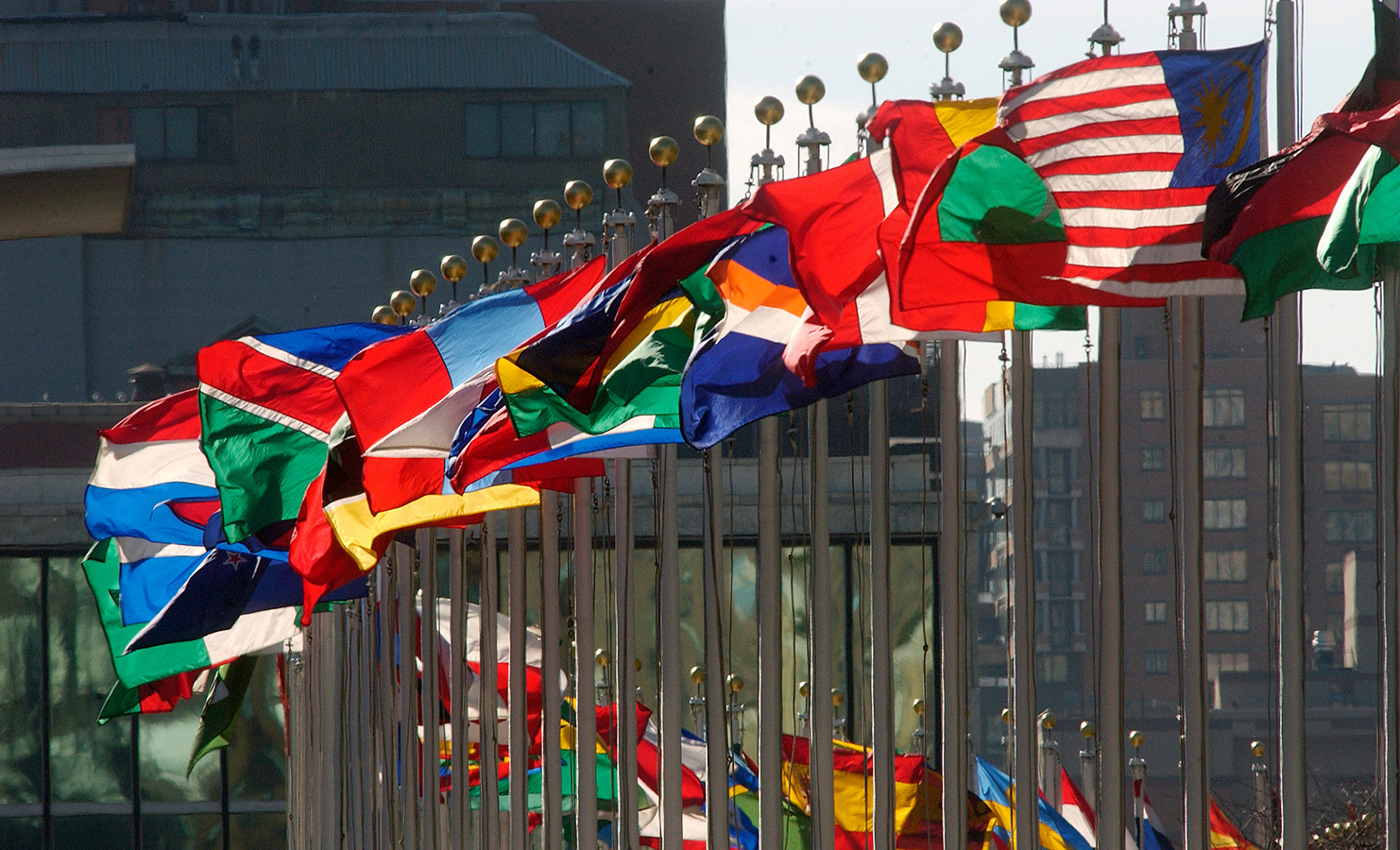
Flags of member nations flying at United Nations Headquarters.

Terrorism is one of the most serious threats to global peace and security. It causes immense human suffering, undermines development, and fuels instability and violence. The Global Terrorism Index (GTI) is a comprehensive measure of the impact of terrorism on 163 countries, covering 99.7% of the world’s population. The GTI ranks countries based on four indicators: the number of terrorist incidents, the number of deaths, the number of injuries, and the level of property damage.

According to the latest GTI report, released in November 2023, the global terrorism index has decreased by 12% compared to the previous year. This is the sixth consecutive year of decline, indicating a significant improvement in the security situation of many countries affected by terrorism. The report analyzes the impact of terrorism on 163 countries, covering 99.7% of the world’s population. It also examines the trends and drivers of terrorism, as well as the policies and strategies to counter it. The main findings of the report are:

  • The total number of deaths from terrorism fell by 17% to 13,826 in 2023, the lowest level since 2010.

  • The largest reductions in deaths occurred in Afghanistan, Nigeria, Syria, and Iraq, which collectively accounted for 65% of all deaths from terrorism in 2023.

  • The most impacted region by terrorism in 2023 was South Asia, followed by Sub-Saharan Africa and the Middle East and North Africa.

  • The country with the highest impact of terrorism in 2023 was Afghanistan, followed by Iraq, Nigeria, Syria, and Somalia.

  • The most active terrorist group in 2023 was the Taliban, which was responsible for 29% of all deaths from terrorism. The second most active group was ISIL, which caused 18% of all deaths from terrorism.

  • The main drivers of terrorism in 2023 were political instability, civil unrest, state-sponsored violence, and foreign military intervention.

  • The most effective strategies to counter terrorism in 2023 were dialogue and negotiations, social and economic development, human rights protection, and counter-radicalization programs.

The report identified Afghanistan as the country most affected by terrorism in 2020, with a GTI score of 8.82 out of 10. Afghanistan recorded 4,472 deaths from terrorism, accounting for 32% of the global total. The Taliban was responsible for 72% of these deaths, making it the deadliest terrorist group in the world. The withdrawal of foreign troops from Afghanistan in 2021 has created a power vacuum that has been filled by the Taliban, which now controls most of the country and poses a serious threat to human rights and democracy.

The second most affected country by terrorism in 2020 was Burkina Faso, with a GTI score of 8.56. Burkina Faso experienced a dramatic increase in terrorism in recent years, as Islamist militants expanded their operations from neighboring Mali and Niger. Burkina Faso recorded 1,138 deaths from terrorism in 2020, a 77% increase from 2019 and a staggering 7,028% increase from 2011. The main perpetrators of these attacks were the Islamic State in the Greater Sahara (ISGS) and Jama’at Nasr al-Islam wal Muslimin (JNIM), both affiliated with Al-Qaeda.

The third most affected country by terrorism in 2020 was Somalia, with a GTI score of 8.07. Somalia has been plagued by terrorism for decades, as the central government struggles to assert its authority over the territory and provide basic services to its population.

The main terrorist group operating in Somalia is Al-Shabaab, which is aligned with Al-Qaeda and seeks to establish an Islamic state based on Sharia law. Al-Shabaab carried out 495 attacks in 2020, killing 1,013 people and injuring 1,226.

The fourth most affected country by terrorism in 2020 was Mali, with a GTI score of 7.98. Mali has been facing a complex security crisis since 2012, when a Tuareg rebellion triggered a military coup and allowed Islamist militants to seize control of the northern regions.

Despite the intervention of French and African forces and the signing of a peace agreement in 2015, Mali remains unstable and vulnerable to terrorist attacks. The main groups responsible for these attacks are JNIM and ISGS, which often target security forces, civilians, and international peacekeepers.

The fifth most affected country by terrorism in 2020 was Syria, with a GTI score of 7.81. Syria has been engulfed by a brutal civil war since 2011, which has resulted in over 400,000 deaths and millions of displaced people. The conflict has also attracted various terrorist groups, such as the Islamic State (IS), which at its peak controlled large swathes of territory in Syria and Iraq. Although IS has lost most of its territory and leadership, it still maintains a presence in Syria and continues to carry out attacks against government forces, rival rebels, and civilians.

The other five countries that complete the top ten list of countries most affected by terrorism in 2020 are Iraq (GTI score: 7.35), Nigeria (GTI score: 7.07), Yemen (GTI score: 6.66), Pakistan (GTI score: 6.59), and India (GTI score: 6.03). These countries have also suffered from prolonged conflicts, political instability, sectarian violence, and social grievances that have fueled terrorism.

The report concludes that while the global trend of terrorism is declining, there are still significant challenges and risks that need to be addressed. It recommends that governments and international organizations adopt a holistic and inclusive approach to prevent and reduce terrorism, while respecting human rights and the rule of law.

Terrorism is not only a challenge for individual countries but also for the international community as a whole. It requires collective action and cooperation to address its root causes and prevent its spread.

EU Lawmakers Reach Political Deal, to Mark The World’s First Comprehensive Regulation on AI

0

The European Union has recently reached a political deal, to roll out a comprehensive regulation on Artificial Intelligence, marking the world’s first comprehensive AI law.

The regulation proposed by the lawmakers is to ensure that AI systems used in the EU are transparent, environmentally friendly, safe, traceable, and non-discriminatory, to prevent harmful outcomes.

Speaking on the unveiling of the historic EU law on AI, the current commissioner for the internal market of the European Union Thierry Breton wrote on X,

“Historic! The EU becomes the very first continent to set clear rules for the use of AI. The AI act is much more than a rule book, it’s a launchpad for EU startups and researchers to lead the global AI race. The best is yet to come”.

Also speaking on the recent AI Law, MEP Brando Benefei, who co-led the parliament’s negotiating team with Dragos Tudorache, said the commission had one objective to deliver legislation that would ensure that the ecosystem of Al in Europe will develop with a human-centric, approach respecting fundamental rights, human values, building trust, and building consciousness of how the union can get the best out of the current Al revolution.

He added that the EU was determined not to repeat the mistakes of the past, where giant tech companies like Facebook, were allowed to grow into multi-billion dollar corporations with no obligation to regulate content on their platforms.

The new rule establishes obligations for providers and users depending on the level of risk from Artificial intelligence. According to the New York Times, European policymakers focused on A.I riskiest uses by companies and governments, including those for law enforcement and the operation of crucial services like water and energy.

The deal reached with lawmakers includes a total prohibition of the Use of AI for:

•Biometric categorization systems that use sensitive characteristics (e.g. political, religious, philosophical beliefs, sexual orientation, race);

•Untargeted scraping of facial images from the internet or CCTV footage to create facial, recognition databases,

•Emotion recognition in the workplace and educational institutions:

•Social scoring based on social behavior or personal characteristics;

•Al systems that manipulate human behavior to circumvent their free will;

•Al used to exploit the vulnerabilities of people (due to their age, disability, social or economic situation).

Also, generative Al, like ChatGPT, would have to comply with transparency requirements such as; Disclosing that the content was generated by Al, Designing the model to prevent it from generating illegal content, and Publishing summaries of copyrighted data used for training.

For Al systems classified as high-risk, due to their significant potential harm to health, safety, fundamental rights, environment, democracy, and the rule of law, and clear obligations were agreed upon.

MEPs successfully managed to include a mandatory fundamental rights impact assessment, among other requirements, applicable also to the insurance and banking sectors. All systems used to influence the outcome of elections and voter behavior are also classified as high-risk.

Notably, citizens will have a right to launch complaints about Al systems and receive explanations about decisions based on high-risk Al systems that impact their rights.

Non-compliance with the AI rule can lead to fines ranging from 35 million Euro or 7% of global turnover to 7.5 million or 1.5% of turnover, depending on the level of infringement and size of the firm.

With the latest comprehensive regulation on AI, the EU is the first in the world to launch such a law on the technology, to guide its development and evolution in a human-centric direction.