DD
MM
YYYY

PAGES

DD
MM
YYYY

spot_img

PAGES

Home Blog Page 3588

Namibia calls for an end to Economic Sanctions on Zimbabwe

0

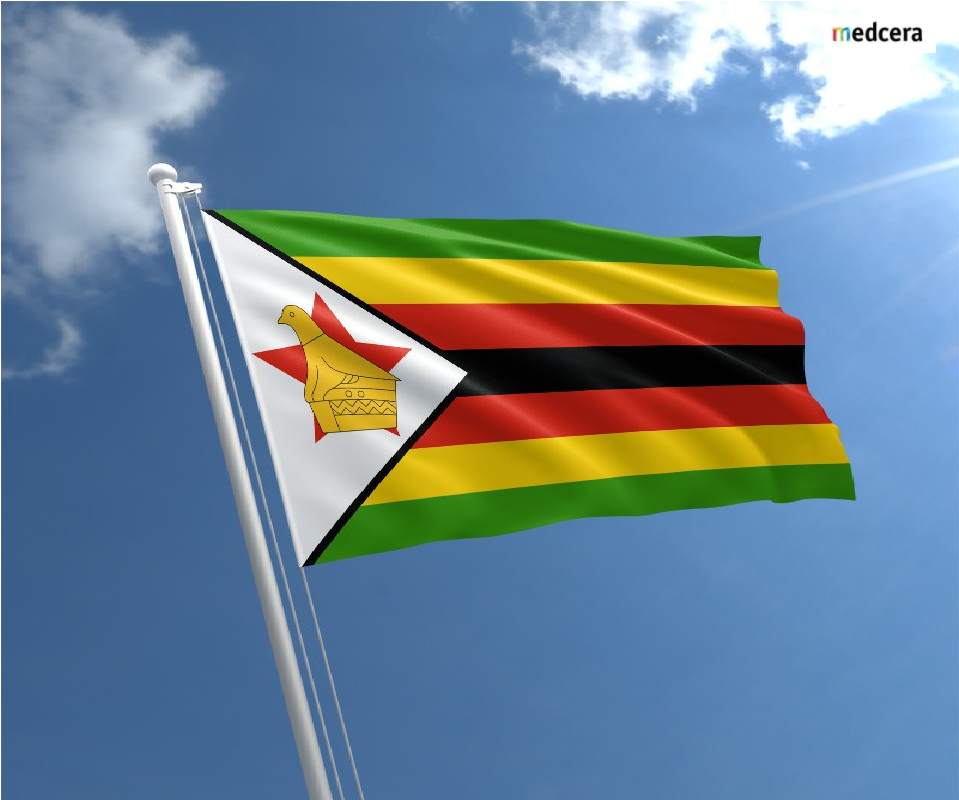
Namibia, a southern African nation that shares a border with Zimbabwe, has expressed its opposition to the new economic sanctions imposed on its neighbor by the European Union and the United States. The sanctions, which target individuals and entities linked to human rights violations and corruption in Zimbabwe, were announced last week as a response to the ongoing political and economic crisis in the country.

The United States has announced new economic sanctions on Zimbabwe, targeting the country’s mining and agricultural sectors. The sanctions are aimed at pressuring the government of President Emmerson Mnangagwa to respect human rights and implement political reforms.

According to the US Treasury Department, the sanctions will freeze the assets of 10 individuals and 10 entities linked to the Zimbabwean government and prohibit US citizens from doing business with them. The sanctioned individuals include senior officials, military officers, businessmen and state-owned enterprises.

The US said the sanctions were a response to the “violent repression” of peaceful protesters, journalists and civil society activists in Zimbabwe, as well as the “corruption and mismanagement” of the economy. The US also accused the Zimbabwean government of using the COVID-19 pandemic as an excuse to crack down on dissent and restrict freedoms.

The Zimbabwean government has condemned the sanctions as “illegal and unjustified” and accused the US of interfering in its internal affairs. It said the sanctions were hurting ordinary Zimbabweans, who are already suffering from high inflation, food shortages and a collapsing health system. It also claimed that the sanctions were undermining its efforts to engage with the international community and attract foreign investment.

Nandi-Ndaitwah said that Namibia and Zimbabwe have a long history of friendship and solidarity, dating back to the liberation struggle against colonialism and apartheid. She said that Namibia stands ready to assist Zimbabwe in addressing its challenges and achieving its development goals. She called on the EU and the US to lift the sanctions and engage constructively with Zimbabwe.

The new sanctions come amid growing tensions between Zimbabwe and the US, which have been strained since the 2002 presidential election, when former President Robert Mugabe was accused of rigging the vote. The US has imposed several rounds of sanctions on Zimbabwe since then, citing human rights violations and democratic backsliding. The US has also supported the opposition Movement for Democratic Change (MDC), which has challenged Mnangagwa’s legitimacy and called for a national dialogue.

Namibia’s foreign minister, Netumbo Nandi-Ndaitwah, said that the sanctions were counterproductive and would only worsen the situation in Zimbabwe. She said that Namibia supports the efforts of the African Union and the Southern African Development Community (SADC) to facilitate dialogue and cooperation among Zimbabwe’s political actors. She also urged the international community to respect Zimbabwe’s sovereignty and territorial integrity.

The new sanctions have also been condemned by other African countries, such as South Africa, Zambia, Mozambique, and Tanzania, as well as by regional organizations such as SADC and the African Union. They have argued that the sanctions violate the principles of international law and interfere with Zimbabwe’s internal affairs. They have also warned that the sanctions could undermine the prospects of peace and stability in the region.

The impact of the new sanctions on Zimbabwe’s economy is likely to be significant, as the mining and agricultural sectors are the main sources of export revenue and employment. The sanctions could also affect Zimbabwe’s relations with other countries, especially China and Russia, which have been supportive of Mnangagwa’s government and have invested heavily in its infrastructure and energy projects.

The sanctions could also increase the pressure on Mnangagwa to engage with the opposition and civil society, and to implement political and economic reforms that could pave the way for a more inclusive and prosperous future for Zimbabwe.

Overseas Remittances surged to $1.3bn in February – Central Bank of Nigeria

0

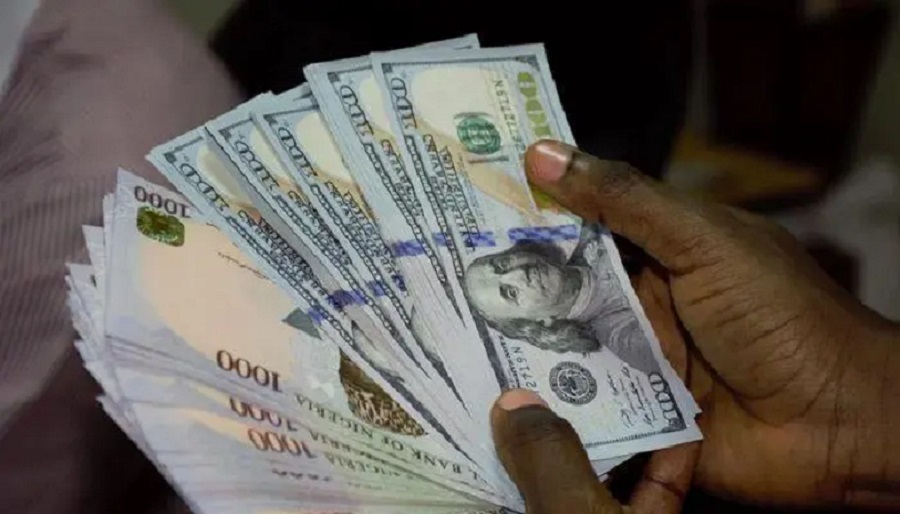
The Central Bank of Nigeria (CBN) has revealed a substantial increase in overseas remittances, indicating a rise to $1.3 billion in February compared to a mere $300 million in the previous month.

Mrs. Hakama Sidi Ali, the acting Director of the Corporate Communications Department at the CBN, shared this information with journalists, highlighting a significant uptick in foreign investor activity in Nigerian assets.

According to Mrs. Ali, foreign investors injected over $1 billion into Nigerian assets last month alone, contributing to a total portfolio flow of approximately $2.3 billion since the beginning of the year. While this figure represents a decline from the $3.9 billion recorded in 2023, it underscores a notable resurgence in investor confidence amidst ongoing economic reforms.

The CBN also reported a notable surge in foreign exchange inflows into the economy during February, attributed primarily to heightened remittance payments by Nigerians abroad and increased purchases of naira-denominated assets by foreign portfolio investors. This trend continued into March, driven by amplified investor interest in short-term sovereign debt following recent adjustments to benchmark interest rates.

Notably, government securities issuances witnessed significant oversubscription, with foreign investors accounting for over 75% of bids received at auctions conducted on March 1 and 6, 2024. This influx of foreign capital underscores growing confidence in Nigeria’s economic prospects and the efficacy of recent policy interventions.

CBN Governor, Mr. Olayemi Cardoso, outlined a comprehensive strategy aimed at curbing inflation, stabilizing the exchange rate, and bolstering confidence in the banking system and the broader economy. Speaking after the Monetary Policy Committee (MPC) meeting, he emphasized the importance of sustained increases in Nigeria’s foreign currency reserves and enhanced liquidity in the FX market to achieve these objectives. Mr. Cardoso reiterated the effectiveness of recent measures implemented by the CBN, attributing the positive outcomes to a clear strategy and plan.

He said, “All the different measures we have taken to boost reserves and create more liquidity in the markets have started to pay off.

“When people understand the real issues and see a strategy and a plan, things tend to calm down. Our objective today is to ensure that the market has supply, that the market functions, and that investors can come in and go out.”

In a bold move to address soaring inflation, the CBN MPC raised the Monetary Policy Rate (MPR) by 400 basis points to 22.75%, alongside adjustments to the asymmetric corridor and banks’ Cash Reserve Requirement (CRR). These measures aim to curb inflationary pressures and restore macroeconomic stability, reflecting the committee’s commitment to reversing the upward trajectory of inflation.

While acknowledging the inherent trade-offs between output growth and inflation containment, Mr. Cardoso emphasized the need to maintain low and stable inflation for sustained economic expansion. The significant policy rate hike seeks to drive down inflation substantially, according to the CBN governor.

He said the MPC remains steadfast in its commitment to fostering an environment conducive to robust economic growth while safeguarding price stability and financial resilience.

The central bank has been actively addressing the FX issue in the country with some reforms, such as clearing the backlog of forex obligations which it said would be fully cleared in days.

Also, the apex bank plans to establish a singular foreign currency (FCY) gateway bank that will centralize all correspondent banking activities and provide incentives to individuals who hold foreign currencies outside the formal banking system.

Other measures include investigating and resolving FX backlogs, restricting forex allocation for overseas education and medical trips, augmenting the minimum share capital for BDCs, and targeting FX market speculators.

Nigerian Government Launches Indigenous Satellite Pay Television, SLTV

0

In a bid to offer Nigerians alternatives and enhance competition in the satellite pay television sector, the Federal Government has unveiled Silver Lake Television (SLTV), an indigenous satellite pay television.

The launch event, held at the Shehu Yar’Adua Centre, Abuja, saw the Secretary to the Government of the Federation, George Akume, affirming that SLTV would provide Nigerians with real value for their money.

Represented by his Senior Special Assistant (Technical), Prof. Babatunde Bernard, Akume highlighted the need for the SLTV’s establishment to meet the aspirations of Nigerians to benefit from the opportunities inherent in the Nigerian economy. He commended Metrodigital Limited, the operators of SLTV, for their patriotic initiative and expressed the Federal Government’s full support for the venture.

“In recent times, Nigerians have been yearning for alternatives to Satellite PayTV that can serve as an alternative to the existing ones,” he said.

“SLTV has responded very loudly and clearly, and from the information made available to me, they are willing to give their fellow compatriots real value for their money in terms of service quality and affordability.

“Nigeria is an opportunity that is impossible to replicate or find elsewhere in any part of the world. The Federal Government wishes to assure the management of SLTV of her full backing as they continue to do legitimate business in Nigeria’s broadcast industry.”

Dr. Ifeanyi Nwafor, the Managing Director of Metrodigital Limited, lamented the impediments faced by the pay-TV industry in Nigeria due to policies and legal frameworks promoting monopoly. However, he expressed optimism, noting that recent positive steps taken by the government had encouraged investment in the sector.

Nwafor emphasized SLTV’s commitment to affordability and quality of service, offering packages for as low as N2,500 hosting over 55 stations.

Speaking at the launch, Dr. Charles Ebuebu, the Director General and Chief Executive Officer of the National Broadcasting Commission (NBC), addressed calls for the introduction of pay-per-view options for Nigerian pay satellite television subscribers.

While acknowledging the validity of such requests, Ebuebu highlighted the need for renegotiating existing contracts with content providers to accommodate the new model.

He assured Nigerians of NBC’s commitment to addressing issues of overpricing and exploitation in the broadcasting sector. He emphasized the commission’s efforts to create a competitive ecosystem where market forces determine prices, ensuring that consumers have choices and are not subjected to exploitative practices.

“The NBC is reviewing policies and regulations to create a viable competitive ecosystem in broadcasting where consumers will be the ones to choose, and therefore, market forces determine prices, and it’s not exploitative,” affirmed Ebuebu.

He however acknowledged potential obstacles to achieving a successful pay-per-view system. He said, “There are two sides to that coin; the first part to it is that with the current economic situation of the country, inflation and all of that, it’s not just broadcasting that is affected, all businesses are affected, so when you have prices being reviewed upwards, it’s not located only within the broadcast sector.

“However, we do acknowledge the fact that in some cases, there has been exploitation in certain areas and as NBC, we’re looking at it.

“As I said, we’re reviewing our policies and regulations so as to create a viable competitive ecosystem in broadcasting where the consumers will be the ones who’ll have to choose and therefore, market forces determined prices and it’s not exploitative.”

The launch of SLTV marks a significant milestone in Nigeria’s broadcasting industry, heralding increased competition, choice, and affordability for consumers.

It comes against the backdrop of longstanding tensions between the Nigerian government and Multichoice, the parent company of DStv, the dominant player in the country’s pay TV market. Incessant squabbles over pricing and regulatory issues have characterized the relationship between the two parties, with accusations of monopolistic practices and exploitation leveled against DStv.

Critics argue that DStv’s dominance has stifled competition and limited consumer options, resulting in exorbitant subscription fees and subpar service quality. The government has been under pressure to address these concerns and create a more level playing field for emerging players like SLTV.

Nigerian lawmakers had repeatedly, moved to force Multichoice to reverse the price hike, citing exploitation of subscribers.

Well Done Team Nigeria, For the Clearance of Passport Backlogs

1

Good People, over the last three months, no person has sent me a note that he/she was having problems with getting a Nigerian passport. Simply, we can assume that the government has fixed this friction. I want to publicly commend the government for demonstrating that we can deliver services at a high level. 

To the minister of Interior, we #salute. He delivered as promised: “The Minister of Interior, Olubunmi Tunji-Ojo, has stated that the clearance of all passport backlogs should not exceed two weeks, emphasizing that there is no justification for passport delays in Nigeria.” He gets A on that.

You see, the nation can promise and deliver. If not  for the mindless floating of Naira and the removal of fuel subsidy before any substantive economic team was in place, the current paralysis would not be happening. I mean if the president just waited to have read and digested Nigeria’s economic status, from the predecessor, and built models via a standby economic team, before those two policies were pushed, the mess we’re today would have been avoided. 

But because he acted on an impulse without any strategic planning, the men and women who were later hired as ministers have been tasked to clean things up. That is a lesson for Nigeria and we must ensure such does not happen in the future.

That noted, we should commend the team for the efforts on the passports. It does mean we still have the capacity to deliver services.

The Minister of Interior, Olubunmi Tunji-Ojo, has stated that the clearance of all passport backlogs should not exceed two weeks, emphasizing that there is no justification for passport delays in Nigeria.

Tunji-Ojo, who made the statement during a live appearance on Channels Television’s Politics Today programme on Tuesday, added that the delay around fresh passport issuance and renewal fuels corruption in the sector.

The newly-appointed Minister of Interior inherited a backlog of issues, including scarcity of passport notes, from his predecessor Rauf Aregbesola. But he said clearing all backlogs shouldn’t take more than two weeks.

China to waive visas for more European countries

0

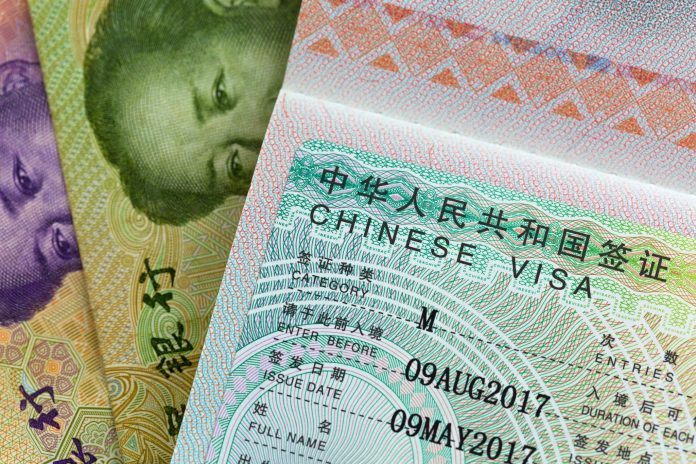
In a move to boost tourism and trade, China has announced that it will waive visas for more European countries starting from April 1, 2024. The new policy will allow citizens of 15 European countries to visit China for up to 30 days without a visa, as long as they have a valid passport and a return ticket.

The 15 countries that will benefit from the visa waiver are: Austria, Belgium, Czech Republic, Denmark, Estonia, Finland, France, Germany, Hungary, Latvia, Lithuania, Luxembourg, Netherlands, Poland and Sweden. These countries join the existing list of 10 European countries that already enjoy visa-free access to China: Albania, Bosnia and Herzegovina, Bulgaria, Croatia, Cyprus, Greece, Malta, Romania, Serbia and Slovenia.

According to the Chinese Ministry of Foreign Affairs, the visa waiver is aimed at promoting people-to-people exchanges and cooperation between China and Europe. It is also expected to increase the number of tourists and business travelers from Europe to China, which has been hit by the global pandemic and trade tensions in recent years.

The visa waiver is also seen as a gesture of goodwill from China to Europe amid the ongoing negotiations for a comprehensive agreement on investment (CAI), which has been stalled by human rights and labor issues. The CAI is intended to create a level playing field for European and Chinese investors and to open up new opportunities for market access and cooperation.

The visa waiver is welcomed by many European travelers and businesses who see China as an attractive destination for leisure and commerce. However, some critics have raised concerns about the security and privacy risks of traveling to China without a visa, especially in light of the recent crackdowns on dissent and the surveillance system in the country. They also question the sincerity of China’s outreach to Europe and its commitment to uphold the values and standards of the CAI.

Taiwan defense minister refuses to engage in arms race with China.

Taiwan’s defense minister, Chiu Kuo-Cheng, has reiterated his country’s commitment to peace and stability in the region, while rejecting the idea of engaging in an arms race with China. In a recent interview with the BBC, Chiu said that Taiwan does not seek confrontation or provocation, but rather seeks to maintain a sufficient and credible deterrence against any potential aggression from Beijing.

Chiu’s remarks come amid rising tensions across the Taiwan Strait, as China has increased its military activities and pressure on the island, which it considers a renegade province. China has repeatedly warned that it will not tolerate any attempts by Taiwan to declare formal independence and has not ruled out the use of force to achieve its goal of reunification.

Taiwan, on the other hand, has insisted on its sovereignty and democratic values, and has sought to strengthen its ties with like-minded countries, especially the United States.

According to Chiu, Taiwan’s defense strategy is based on three principles: first, to prevent war; second, to defend the homeland; and third, to counterattack if necessary. He said that Taiwan does not intend to match China’s military spending or capabilities, which would be unrealistic and unsustainable, but rather to focus on developing asymmetric and innovative ways to counter China’s advantages. He also said that Taiwan welcomes international support and cooperation, but ultimately relies on its own people and forces to defend itself.

Chiu also expressed his gratitude to the US for its continued arms sales and security assistance to Taiwan, which he said have helped enhance Taiwan’s defense capabilities and confidence. He said that Taiwan hopes to deepen its partnership with the US in various fields, including intelligence sharing, joint training, and research and development. He also said that Taiwan is willing to work with other countries in the region to uphold the rules-based international order and to safeguard the freedom and openness of the Indo-Pacific.