DD
MM
YYYY

PAGES

DD
MM
YYYY

spot_img

PAGES

Home Blog Page 3620

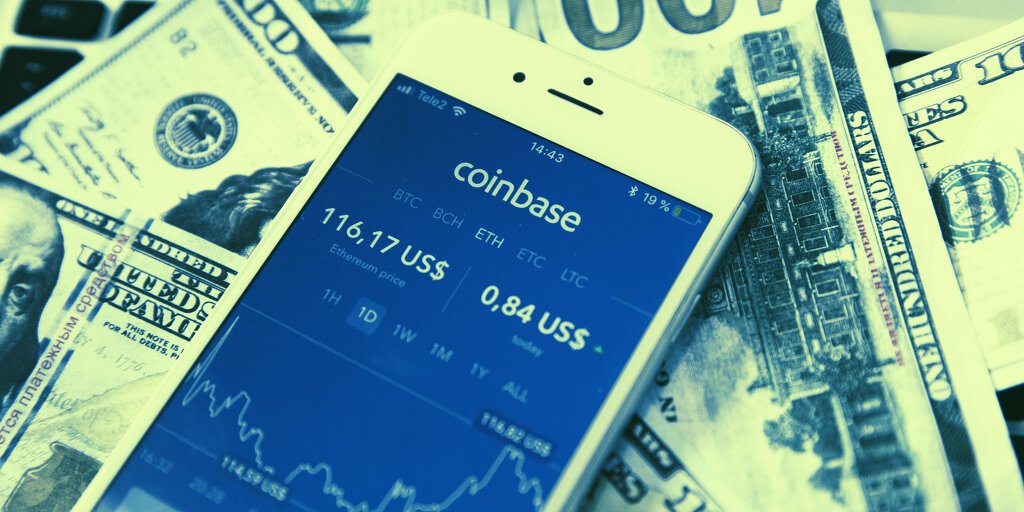
Crypto Has The Potential To Be As Big As The Internet Itself – Coinbase Brian Armstrong

0

Coinbase, the largest cryptocurrency exchange in the United States, went public on April 14, 2021, in a direct listing that valued the company at over $85 billion. The debut of Coinbase on the Nasdaq was seen as a milestone for the crypto industry, which has grown rapidly in the past decade despite regulatory hurdles and market volatility.

Coinbase’s IPO coincided with a surge in the price of Bitcoin, which reached a record high of nearly $65,000 on April 14. Bitcoin, the first and most popular cryptocurrency, has gained mainstream acceptance in recent years, as more institutional investors, corporations and celebrities have embraced it as a store of value and a hedge against inflation.

One of the most notable developments in the crypto space was the decision by El Salvador to adopt Bitcoin as legal tender, becoming the first country to do so on September 7, 2021. The move was spearheaded by President Nayib Bukele, a young and popular leader who claimed that Bitcoin would help boost financial inclusion, attract foreign investment and reduce remittance costs for Salvadorans living abroad.

However, El Salvador’s Bitcoin experiment has faced many challenges and criticisms, both internally and externally. The International Monetary Fund (IMF), which provided an emergency loan to El Salvador last year and is now negotiating another round of lending, has warned that using Bitcoin as legal tender raises a number of economic, financial and legal issues. The World Bank and the Inter-American Development Bank have also declined to assist El Salvador with the technical implementation of the Bitcoin law.

Many Salvadorans have also expressed skepticism and opposition to the Bitcoin law, citing concerns about the volatility of the cryptocurrency, the security of the digital wallets, and the lack of education and information about how to use it. According to a survey by the Central American University (UCA), 67.9% of Salvadorans disagreed with the decision to adopt Bitcoin as legal tender, and 80% had little or no confidence in using it.

The launch of the Bitcoin law was marred by technical glitches, protests and a sharp drop in the price of Bitcoin, which plunged nearly 10% on September 7. The government had to temporarily shut down its official digital wallet app, called Chivo, which was supposed to allow users to receive $30 worth of Bitcoin for free. Many users reported difficulties in downloading, registering and transferring money through the app.

Despite these setbacks, President Bukele has remained defiant and optimistic about his Bitcoin plan. He has used his social media presence to announce several purchases of Bitcoin by his government, totaling 1,120 coins as of December 20, 2021. He has also claimed that more than 2.1 million Salvadorans are using the Chivo app, and that Bitcoin transactions have saved millions of dollars in remittance fees.

The impact of El Salvador’s Bitcoin experiment on its economy and society is still unclear and uncertain. Some analysts have argued that it could pave the way for more innovation and inclusion in the crypto sector, while others have warned that it could expose the country to more instability and risk. The experiment is also being closely watched by other countries that are considering adopting or regulating cryptocurrencies, such as Panama, Ukraine and Nigeria.

Coinbase’s IPO and El Salvador’s adoption of Bitcoin as legal tender are two significant events that reflect the growing influence and potential of cryptocurrencies in the global financial system. They also illustrate the opportunities and challenges that come with embracing such a disruptive and evolving technology. As Coinbase CEO Brian Armstrong said in his letter to shareholders on April 14: “Crypto has the potential to be as big as the internet itself.”
Three non-EU countries use the euro: Kosovo, Montenegro, and San Marino

0

The euro is the official currency of the European Union, but not all EU members have adopted it. Some countries, such as Denmark, Sweden, and Poland, have opted to keep their own national currencies. However, there are also some non-EU countries that use the euro as their legal tender, even though they are not part of the eurozone. In this blog post, we will explore who these countries are and why they have chosen to use the euro.

The three non-EU countries that use the euro are Kosovo, Montenegro, and San Marino. These countries do not have a formal agreement with the EU to use the euro, but they have unilaterally adopted it as their currency. This means that they do not have any representation or influence in the European Central Bank (ECB), which sets the monetary policy for the eurozone. They also do not have access to the emergency funds or financial assistance that the EU provides to its members in case of economic crises.

So why do these countries use the euro? There are different reasons for each case, but they generally involve historical, political, and economic factors. Let’s take a closer look at each country.

Kosovo is a disputed territory in the Balkans that declared its independence from Serbia in 2008. However, Serbia and some other countries do not recognize Kosovo as a sovereign state. Kosovo used to use the Yugoslav dinar and then the Serbian dinar as its currency, but after the Kosovo War in 1999, it switched to the German mark and then to the euro in 2002. Kosovo adopted the euro to avoid using the currency of its former oppressor and to align itself with the EU, which supports its independence and integration.

Montenegro is a small country in Southeast Europe that was part of Yugoslavia and then Serbia and Montenegro until 2006, when it became independent. Montenegro also used to use the Yugoslav dinar and then the Serbian dinar as its currency, but it replaced them with the German mark in 1999 and then with the euro in 2002. Montenegro adopted the euro to stabilize its economy, attract foreign investment, and facilitate trade with its main partners in Europe. Montenegro also aspires to join the EU and hopes that using the euro will help its accession process.

San Marino is a microstate surrounded by Italy that has a long history of close ties with its larger neighbor. San Marino used to use the Italian lira as its currency, but it switched to the euro in 1999 when Italy joined the eurozone. San Marino adopted the euro as part of a monetary agreement with the EU that allows it to mint a limited amount of euro coins with its own national symbols. San Marino uses the euro to maintain its economic and political relations with Italy and the EU, as well as to benefit from a stable and widely accepted currency.

These are the three non-EU countries that use the euro as their currency. They have different reasons for doing so, but they all share a common interest in being closer to Europe and its economic opportunities. However, using the euro also comes with some challenges and risks for these countries, such as losing control over their monetary policy, being exposed to external shocks, and having limited fiscal space. Therefore, these countries need to balance the benefits and costs of using the euro and ensure that they have sound economic policies and institutions to support their development.

Blackrock and Vanguard together own 10% of Coinbase

0

The recent listing of Coinbase, the largest cryptocurrency exchange in the US, on the Nasdaq stock market has attracted a lot of attention from investors and the public. Coinbase is valued at over $100 billion, making it one of the most valuable companies in the world. But who are the major shareholders of Coinbase, and what does this mean for the future of crypto?

One of the surprising facts about Coinbase is that two of its biggest owners are not crypto enthusiasts, but rather traditional asset managers: Blackrock and Vanguard. Together, these two firms own about 10% of Coinbase’s shares, according to data from Nasdaq.

Blackrock is the world’s largest asset manager, with over $9 trillion in assets under management. Vanguard is the second largest, with over $7 trillion. Both firms are known for their low-cost index funds and ETFs, which track the performance of various market segments.

Why would these giants of the financial industry invest in Coinbase, a company that represents a new and disruptive technology? There are several possible reasons. First, Blackrock and Vanguard may see Coinbase as a way to diversify their portfolios and gain exposure to the fast-growing crypto sector.

Coinbase is not only an exchange, but also a platform that offers various services and products related to crypto, such as custody, staking, lending, and education. Coinbase also has a loyal and engaged customer base, with over 56 million verified users and 6.1 million monthly transacting users.

Second, Blackrock and Vanguard may recognize the potential of Coinbase to become a leader in the digital economy. Coinbase has a vision to create an open financial system for the world, where anyone can participate and benefit from crypto.

Coinbase is also actively involved in shaping the regulatory environment for crypto, by engaging with policymakers and regulators around the world. Coinbase has a reputation for being compliant and transparent, which may appeal to institutional investors who value trust and security.

Third, Blackrock and Vanguard may simply be following the market demand for Coinbase’s shares. As index fund providers, they have to buy and sell stocks according to their weight in the indexes they track.

For example, Coinbase is included in the Nasdaq Composite Index, which means that any fund that follows this index has to buy some amount of Coinbase’s shares. This creates a passive inflow of capital into Coinbase, regardless of its fundamentals or prospects.

Whatever the reasons behind their investments, Blackrock and Vanguard’s ownership of Coinbase is significant for several reasons. First, it shows that crypto is becoming more mainstream and accepted by traditional investors. Second, it gives Coinbase more credibility and legitimacy in the eyes of regulators and the public. Third, it creates a potential alignment of interests between Coinbase and its major shareholders, who may support its long-term vision and growth.

However, there are also some challenges and risks involved. For one thing, Blackrock and Vanguard’s ownership of Coinbase may create some conflicts of interest or tensions with other crypto stakeholders. For example, some crypto enthusiasts may see Blackrock and Vanguard as part of the old and centralized financial system that crypto aims to disrupt or replace. Some crypto innovators may also fear that Blackrock and Vanguard may exert undue influence or pressure on Coinbase’s decisions or policies, especially if they conflict with their own interests or views.

Another challenge is that Blackrock and Vanguard’s ownership of Coinbase may expose them to more volatility and uncertainty than they are used to. Crypto is a highly dynamic and unpredictable market, where prices can fluctuate dramatically in a short period of time. Crypto is also subject to various regulatory and legal risks, as different jurisdictions have different rules and attitudes towards crypto. Crypto is also prone to cyberattacks and hacks, which may compromise the security and integrity of the platforms and assets involved.

Blackrock and Vanguard’s ownership of Coinbase is a remarkable phenomenon that reflects the growing adoption and integration of crypto in the mainstream financial system. It also presents both opportunities and challenges for both parties, as well as for the wider crypto community and industry. It will be interesting to see how this relationship evolves over time, and what impact it will have on the future of crypto.

US Department of Justice to Announce Cryptocurrency Enforcement Actions

1

The U.S. Department of Justice (DOJ) is expected to announce a series of enforcement actions against individuals and entities involved in illicit activities related to cryptocurrency, according to a report by Reuters.

The actions, which could be announced as soon as this week, are part of a coordinated effort by the DOJ and other federal agencies to crack down on the use of cryptocurrency for money laundering, ransomware attacks, tax evasion, and other crimes.

The DOJ has been investigating various aspects of the cryptocurrency industry, including exchanges, platforms, wallets, and service providers, for potential violations of anti-money laundering, sanctions, tax, and securities laws.

Some examples of cryptocurrency-related crimes are:

Money laundering: This is the process of concealing the origin, ownership, or destination of illegally obtained funds by transferring them through various intermediaries or platforms that use cryptocurrency. For instance, in 2019, the DOJ charged two Chinese nationals for allegedly laundering over $100 million worth of cryptocurrency stolen by North Korean hackers from a cryptocurrency exchange.

Ransomware attacks: This is a type of cyberattack that encrypts the victim’s data or systems and demands payment in cryptocurrency to restore access. For example, in May 2021, the DOJ seized $2.3 million worth of bitcoin from the hackers who attacked Colonial Pipeline, a major U.S. fuel supplier, and disrupted its operations for several days.

Tax evasion: This is the illegal avoidance or reduction of tax liability by using cryptocurrency to hide income or assets from the tax authorities. For instance, in 2020, the DOJ indicted John McAfee, the founder of the antivirus software company McAfee, for allegedly evading taxes on millions of dollars earned from promoting various cryptocurrencies.

Securities fraud: This is the deception or manipulation of investors or markets by using cryptocurrency to offer or sell securities that are not registered or exempt from registration with the Securities and Exchange Commission (SEC). For example, in 2018, the DOJ charged two founders of Centra Tech, a cryptocurrency company that raised $32 million through an initial coin offering (ICO), for allegedly making false claims about their product and partnerships.

Some of the cases may involve civil or criminal charges, while others may result in settlements or forfeitures. The DOJ has not disclosed the names of the targets or the specific allegations.

The DOJ’s actions come amid growing regulatory scrutiny and enforcement activity around the world regarding cryptocurrency. In recent months, several countries have issued new rules or bans on cryptocurrency trading and mining, citing concerns over financial stability, consumer protection, environmental impact, and national security.

The DOJ’s actions also reflect the Biden administration’s priority to combat ransomware attacks, which have increased in frequency and severity this year. Many of the attacker’s demand payment in cryptocurrency, which they use to evade detection and prosecution.

The DOJ has previously announced several cases involving cryptocurrency-related crimes, such as the seizure of $2.3 million worth of bitcoin from the hackers who attacked Colonial Pipeline in May, and the indictment of four individuals for allegedly laundering $1.4 billion in cryptocurrency for darknet markets.

The DOJ has also established a Ransomware and Digital Extortion Task Force, which coordinates with other agencies and international partners to disrupt and deter ransomware operations and hold the perpetrators accountable.

The DOJ’s announcement is likely to have a significant impact on the cryptocurrency industry and market, as it may deter some investors and users from engaging in or facilitating illicit activities. It may also prompt more compliance and cooperation from the industry players with the law enforcement authorities.

South Africa joins Bangladesh, Bolivia, Comoros and Djibouti in calling ICC on Netanyahu, as Nigeria seeks to Join BRICS Soon

0
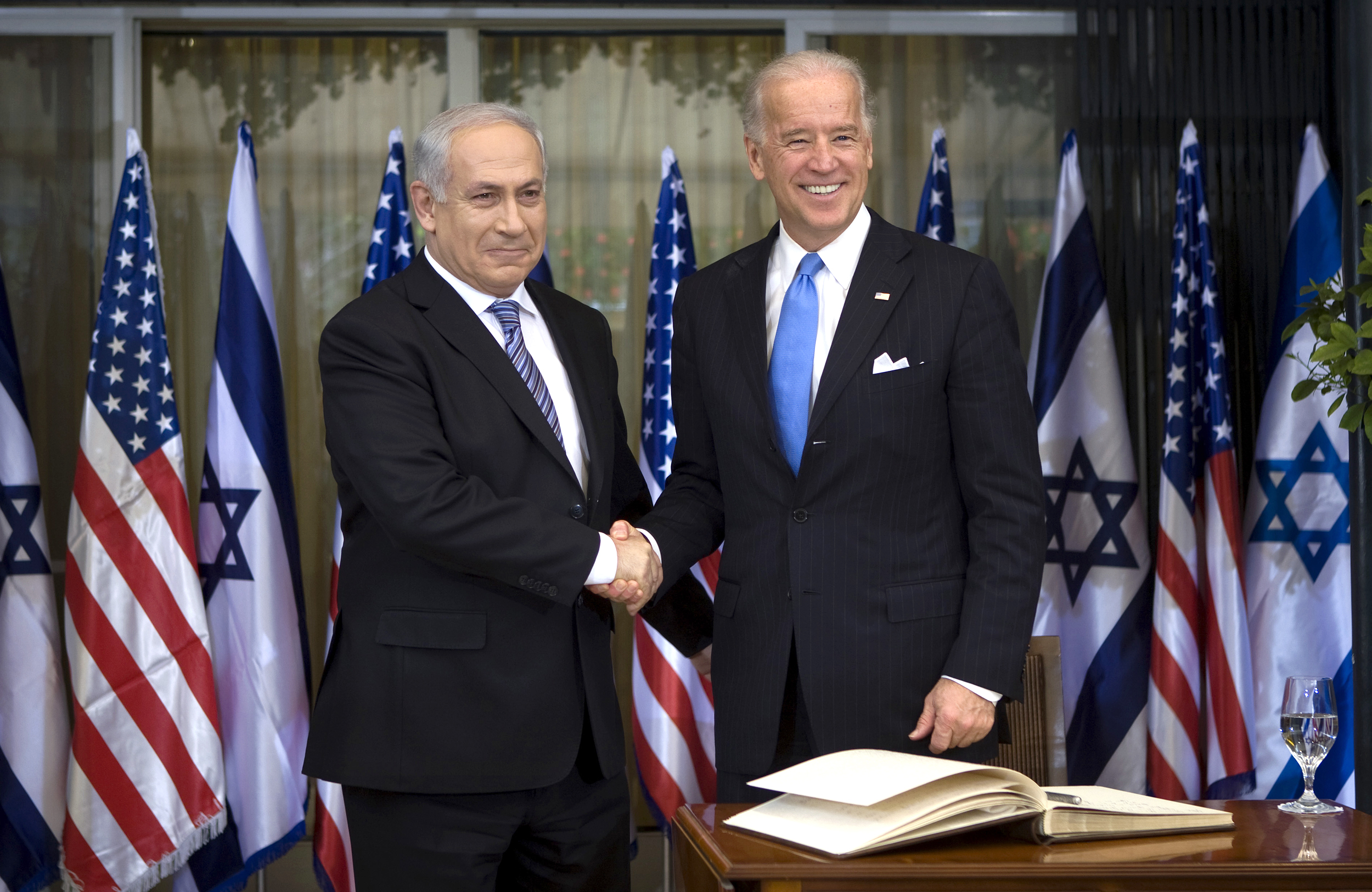
Benjamin Netanyahu and Joe Biden in Jerusalem, on March 9, 2010.

South Africa has joined a group of countries that have formally requested the International Criminal Court (ICC) to issue an arrest warrant for Israeli Prime Minister Benjamin Netanyahu, accusing him of war crimes and crimes against humanity. The move comes amid growing international pressure on Israel to end its occupation of Palestinian territories and its violations of human rights.

The South African government announced on Tuesday that it had submitted a letter to the ICC prosecutor, Fatou Bensouda, expressing its support for the initiative launched by Bangladesh, Bolivia, Comoros and Djibouti in September. The letter stated that South Africa “shares the view that there is sufficient evidence to warrant the issuance of an arrest warrant for Mr. Netanyahu for his role in the commission of serious crimes under international law in the occupied Palestinian territory, including East Jerusalem.”

The letter also urged the ICC to expedite its investigation into the situation in Palestine, which was opened in March this year, and to hold Israel accountable for its actions. “South Africa believes that the pursuit of justice and accountability is essential to achieve a lasting and peaceful resolution of the Israeli-Palestinian conflict, based on the two-state solution and in accordance with international law,” the letter said.

The initiative by the five countries is based on Article 58 of the Rome Statute, which allows any state party to the ICC to request the issuance of an arrest warrant for a person suspected of committing crimes within the court’s jurisdiction. The ICC has the authority to prosecute individuals for genocide, crimes against humanity, war crimes and the crime of aggression.

Netanyahu has repeatedly dismissed the ICC’s investigation as a “political witch-hunt” and a “baseless and outrageous” attack on Israel’s right to self-defense. He has also vowed to fight any attempt to bring him or any Israeli official before the court. Israel is not a member of the ICC and does not recognize its jurisdiction.

However, the ICC has asserted that it has jurisdiction over the occupied Palestinian territory, since Palestine acceded to the Rome Statute in 2015 and referred the situation to the court. The ICC has also said that it will impartially and independently investigate all alleged crimes by both Israelis and Palestinians.

The request by the five countries is likely to increase the diplomatic isolation of Israel, which has already faced widespread condemnation for its recent actions in Gaza, Jerusalem and the West Bank. The United Nations Human Rights Council has also launched an inquiry into Israel’s possible violations of international law during its 11-day offensive on Gaza in May, which killed more than 250 Palestinians, including 66 children.

Nigeria seeks to become a member of the BRICS group of nations within the next two years

Nigeria is a country with a population of over 200 million people, the largest economy in Africa, and a strategic location in the continent. It has been playing an active role in regional and international affairs, contributing to peacekeeping missions, mediating conflicts, and promoting economic integration.

However, Nigeria also faces many challenges, such as insecurity, corruption, poverty, and underdevelopment. To address these issues and enhance its global influence, Nigeria has set a new foreign policy goal: to join the BRICS group of nations within the next two years.

The BRICS is an acronym for Brazil, Russia, India, China, and South Africa, five emerging economies that have formed a political and economic alliance since 2009. The BRICS countries account for about 40% of the world’s population, 30% of the world’s GDP, and 17% of the world’s trade. They also cooperate on various issues such as security, development, health, education, science, and technology. The BRICS has been seen as a counterweight to the dominance of the Western powers in global affairs.

Nigeria believes that joining the BRICS would bring many benefits to its national interests. First, it would boost its economic growth and development by increasing trade and investment opportunities with the other BRICS countries. Nigeria has already established strong bilateral relations with each of the BRICS members, especially China, which is its largest trading partner and a major source of loans and infrastructure projects.

Second, it would enhance its political influence and voice in the international arena by being part of a powerful bloc that can shape global governance and decision-making. Nigeria has been advocating for a reform of the United Nations Security Council to reflect the realities of the 21st century and to grant Africa a permanent seat.

Third, it would strengthen its security and stability by cooperating with the other BRICS countries on combating terrorism, extremism, piracy, cybercrime, and other transnational threats. Nigeria has been facing a violent insurgency from the Islamist group Boko Haram in its northeastern region since 2009.

To achieve its ambition of joining the BRICS, Nigeria will have to overcome some obstacles and challenges. First, it will have to convince the existing BRICS members that it is a suitable candidate for membership. The BRICS countries have not officially stated any criteria or conditions for admitting new members, but they have indicated that they are not keen on expanding the group in the near future. They may also have some reservations about Nigeria’s political stability, economic performance, human rights record, and regional role.

Second, it will have to balance its relations with other important partners such as the United States, the European Union, and other African countries. Nigeria will have to assure them that joining the BRICS does not mean abandoning or undermining its existing commitments and alliances. Third, it will have to address its own domestic challenges such as improving governance, fighting corruption, reducing poverty, enhancing security, and diversifying its economy.

Nigeria’s aspiration to join the BRICS is a bold and ambitious one that reflects its confidence and vision as a rising power in Africa and the world. It also shows its recognition of the changing dynamics of global politics and economics that require new partnerships and strategies. However, Nigeria will have to work hard to realize this aspiration and to prove itself as a worthy member of the BRICS.