DD
MM
YYYY

PAGES

DD
MM
YYYY

spot_img

PAGES

Home Blog Page 3630

As Dangote Group and BUA Group Fight, One Thing Is Clear: Nigeria’s Industrial Sector Is Outside Free Market

2

Good People, I have read Dangote Group’s accusations against BUA Group and the high-voltage response from the BUA Group. In summary, Nigeria has a long way to go. From these public crusades, we can get one thing: it is not the best idea that wins in Nigeria in these traditional industries, but the idea with the best “connections”.

In other words, there is no way you can operate in these industries without selling your soul to politicians since they hold the powers to advance or cut you off. As these two men fight, they are sending the wrong messages to the world on some of these critical sectors: how fast a president or a minister could pick your call is what really matters, and not the ideas you are bringing to the market.

That must change, and necessarily must change. Yes, Adam Smith’s invisible hands where the free market drives business systems must work in Nigeria. From these accusations and counter-responses, it is evident that the state is still running the shows despite actors like Dangote and BUA founder.

Read Dangote’s position here (PDF) and follow up with BUA’s response here (PDF); a good business student has some nice documents for a final year seminar on business strategy in Nigeria!

“We Have Nothing To Do With Your Self-inflicted Issues” – BUA Replies Dangote (full text)

1

Read Dangote’s position here (PDF) and follow up with BUA’s response here (PDF)

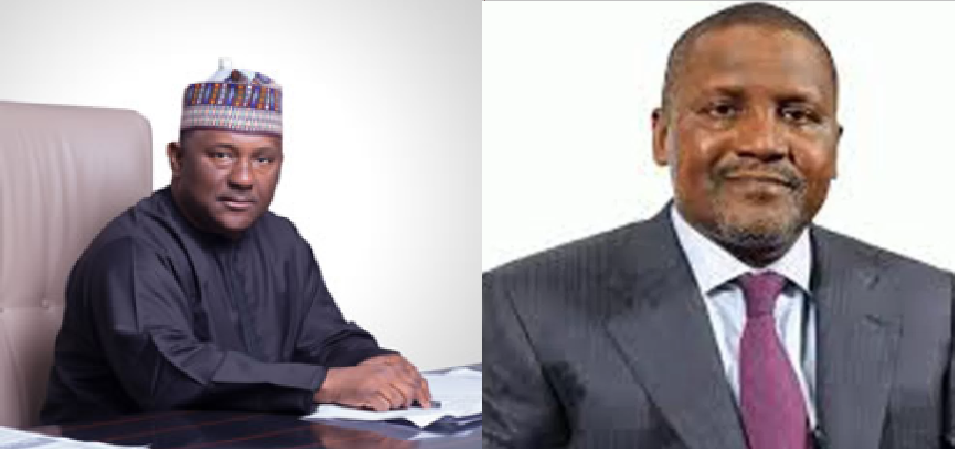
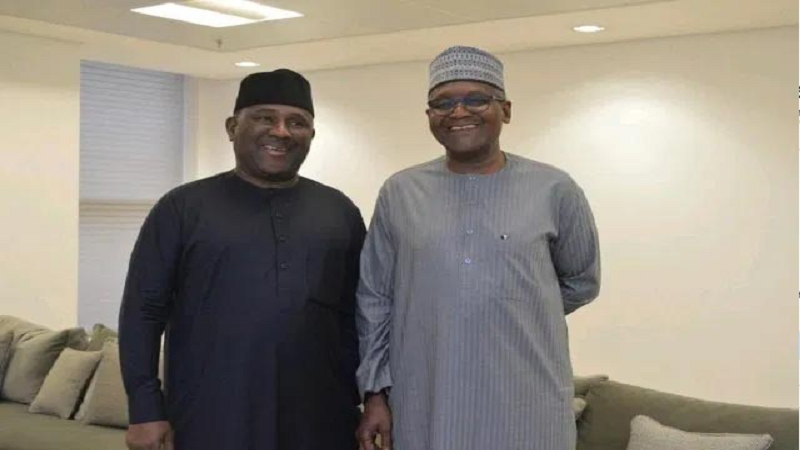
For several years, Aliko Dangote and Abdulsamad Rabiu, the founders of Dangote Group and BUA Group, have been involved in a highly publicized feud. The conflict primarily centered around their cement and sugar businesses, where Dangote Group and BUA Group were vying for market dominance in Nigeria.

The dispute began in 2017 when Dangote Group accused BUA of operating an unauthorized cement plant in Edo State, while BUA countered that Dangote was attempting to eliminate competition. Tensions escalated in 2020 when both companies planned to expand their cement plants in Sokoto State, with allegations of trade secrets theft and patent infringement.

The feud was characterized by mutual accusations and counter-accusations as they competed for a larger market share. It is 2023, and not much has changed.

On Friday, BUA released a letter in response to “a recent 7-page editorial” by Dangote, which leveled “blackmail” against BUA.

Read the full letter below:

“It’s with a profound sense of responsibility and a heavy heart that we address the claims and very cheap attempts at blackmail leveled against BUA by Aliko Dangote in a recent 7-page editorial following months of sponsored campaigns of calumny against us using third-party platforms. To put things in perspective, it’s imperative to revisit history—a history not of rivalry but of resilience; not of enmity, but of endurance.”

“In August 1991, a young BUA was doing its commodities trading business just as Nigeria faced a scarcity of sugar. As sugar was scarce, BUA was lucky to be one of the few with any stock for sale, and we stood prepared to supply the nation’s needs as best as our stock could. It was during this period Aliko Dangote approached us to purchase sugar. If only we knew he was setting the first of many traps in our business history. He gave us a Societe Generale Bank of Nigeria Cheque, which bounced upon presentation to the bank. Unbeknown to us, this was a ruse that would lead to a court-sanctioned freeze of our assets orchestrated by Dangote.”

“For three agonizing months, our accounts were garnisheed, warehouses shuttered, and our spirit tested. Yet, from the ashes of deceit, BUA survived. (see attached court order)”
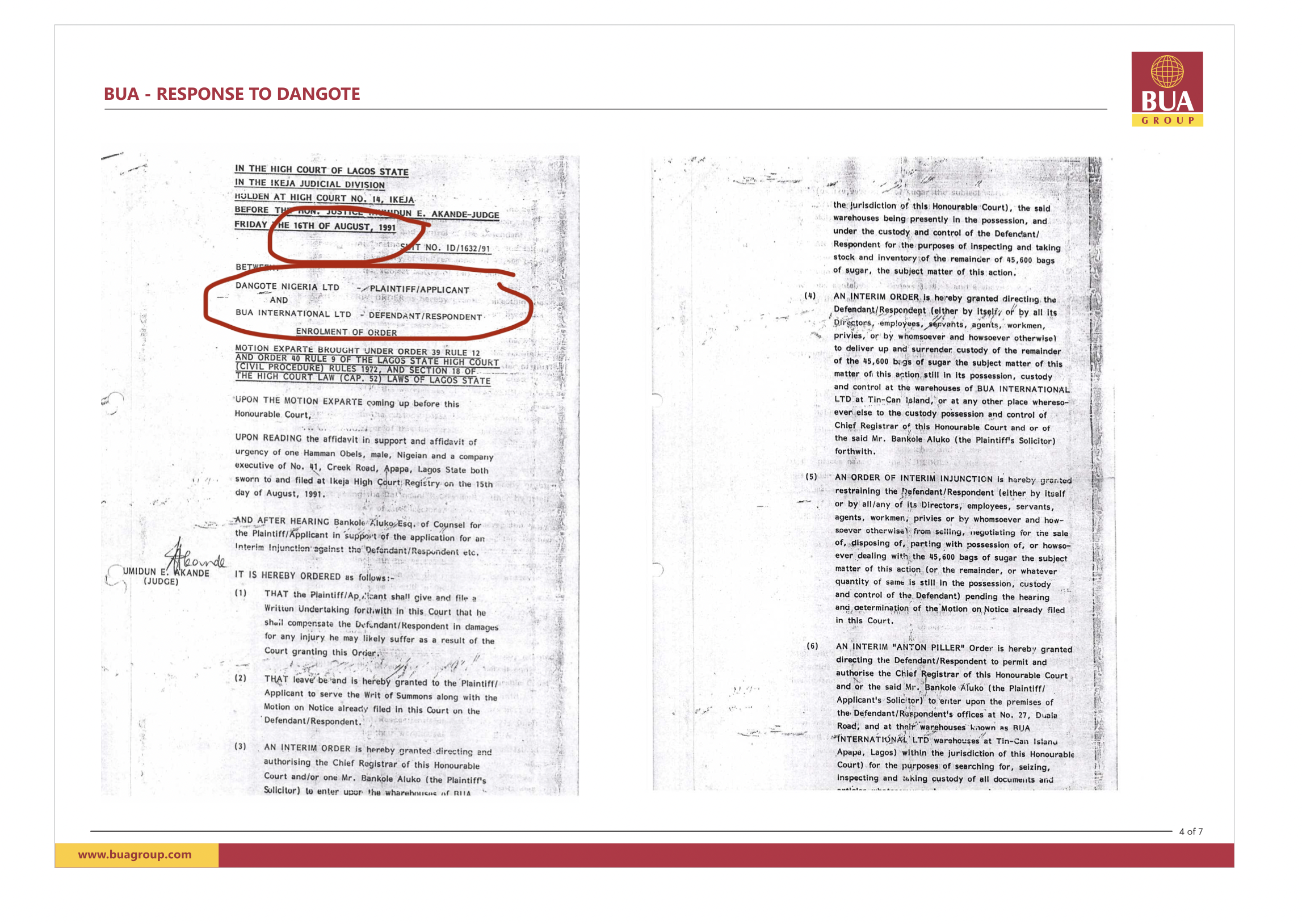
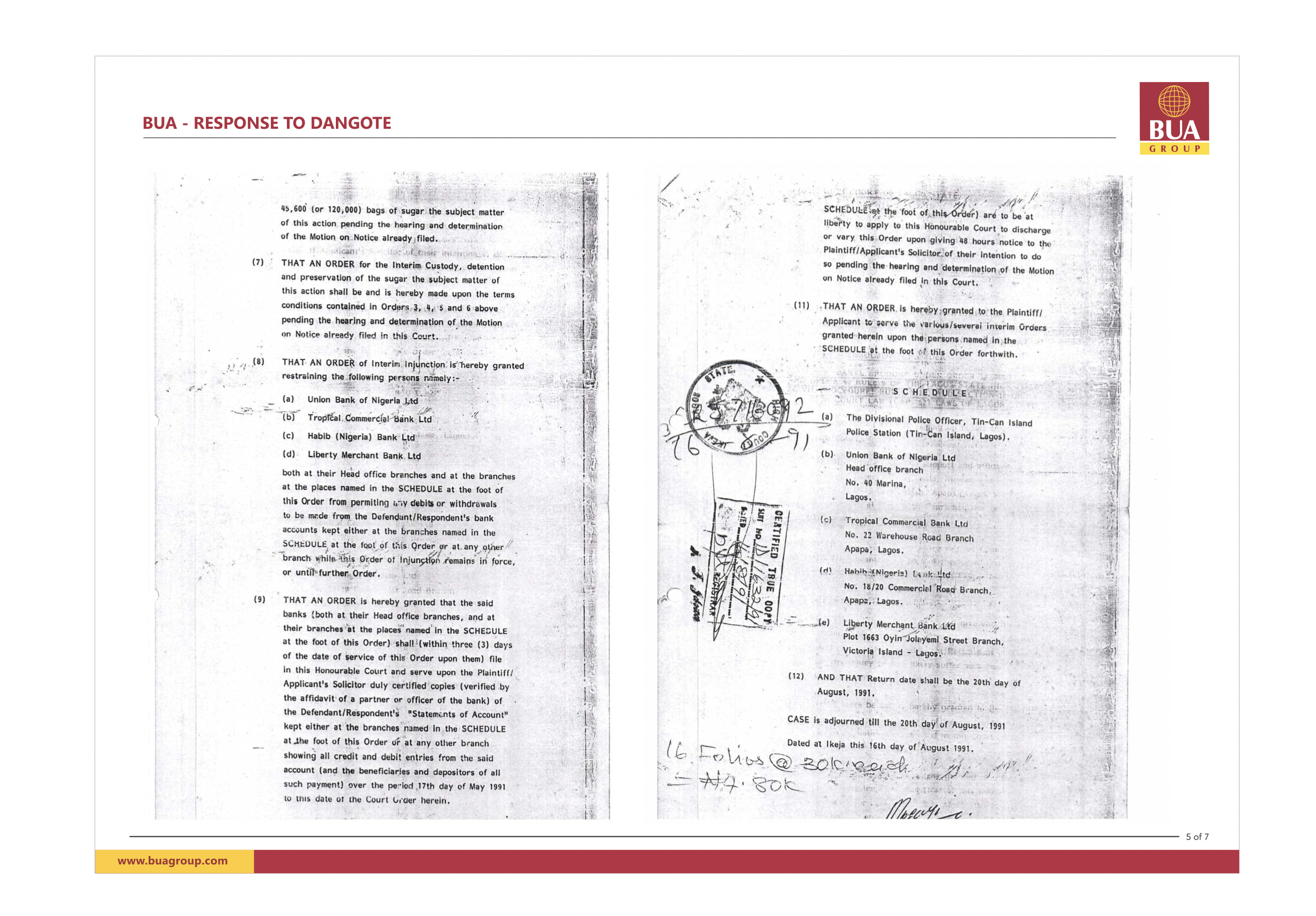
“Fast forward a few years later, we decided that since we were making good progress in our various businesses, we should open a sugar refinery. We approached one Usman Dantata (now late), Aliko Dangote’s uncle, and leased his NPA waterfront land (4.5 hectares) at the Tincan Island port, ‘Polo House’. We took the land, signed an agreement with the consent of NPA, and paid all applicable dues. Dangote waited until our contractors and equipment had been mobilized to the site, then he went to former President Obasanjo. President Obasanjo had the land revoked entirely and gave the lease to Dangote. As a result, even his uncle lost the land. BUA was only given 24 hours to vacate the land.”

“It took us over a year to get another land. How?”

“Our survival as a business especially our Lagos sugar refinery is a legacy handed to us by a loving father who, seeing his son’s distress, did what only the noblest and kindest of hearts could do. With unwavering faith, our Chairman’s late father—may his soul rest in eternal peace—handed him the land on which our Lagos Sugar Refinery stands today. This land was the location of one of his thriving businesses with a warehouse, which he shut down and handed to us without asking for compensation. He just saw the pain of our chairman, Abdul Samad Rabiu, called him one day and handed him the papers to the land. His gesture was a beacon of hope in one of our darkest hours. And so, BUA survived again another Dangote trap. Today, we are now the largest Sugar refining concern in West Africa.”

“Our businesses continued to surge forward amid several other attempts, too many to mention now. In 2007, under President Yar’Adua’s visionary mandate to broaden Nigeria’s cement industry and break the monopoly in the sector, BUA was among the six companies selected and granted licenses. Our approach was unconventional but effective: we introduced a floating terminal – ‘BUA CEMENT I’, which is a cement factory built into a large ship, as a stopgap while we were working on securing our land-based cement plant.”

“What followed, however, was another act intended to drive us out of business. Our application to dock the floating terminal in Lagos met with resistance. We then decided to berth the ship at the terminal we owned in Port Harcourt. Despite this, we faced considerable pushback and it took the decisive intervention of late President Yar Adua, who directed that the Minister of Transport and the Chairman of NPA honor our right to contribute to the nation’s growth.”

“But the hurdles didn’t end there. The drama intensified when Orwell Brown, a Deputy Comptroller General who was also an older brother to a Dangote Staff, launched a sudden strike, attempting to deport our vessel’s entire expatriate crew. It was a Friday that is forever seared into our memory—the shock of our expatriates rounded up, their confusion as they were shepherded onto a Dangote-funded one-way local flight from Port Harcourt to Lagos en-route Asia via Emirates.”

“Upon hearing of what had happened, we reached out to Tanimu Yakubu, the then Chief Economic Adviser, who acted with the urgency that the situation demanded. His call to the CG of Immigration was a lifeline, and our expatriate team was brought back from the Emirates aircraft and not deported. The aftermath was swift action by the President, who ensured that such a misuse of power would not go unchecked. DCG Brown, caught in a tangle of undue influence, admitted what he did to the Minister, and he was later dismissed.”

“Through all these tribulations, BUA’s resolve has only strengthened. These events narrate not just the trials of a company but the resolve of its people, bound together by a shared vision and an unwavering belief in justice and fairness.”

“We also know what transpired whilst we were building our Edo Cement Plant. Everyone knows the issues we faced. The plant we are operating in Edo would not have been operating and contributing immensely to the economy, if not for the former President Buhari who had to intervene by calling Governor Obaseki that no staff must lose their jobs and the plant must not be shut down, no matter what happens.”

“We cannot say more as the matter is currently sub-judice – and is at the Supreme Court. During that time, Edwin Devakumar and Sunday Esan (two long-time and current staff of Dangote) were caught in leaked emails, whose content were not limited to sending thugs to foment trouble, close our factory as well as pushing bad press against us (See emails attached).”
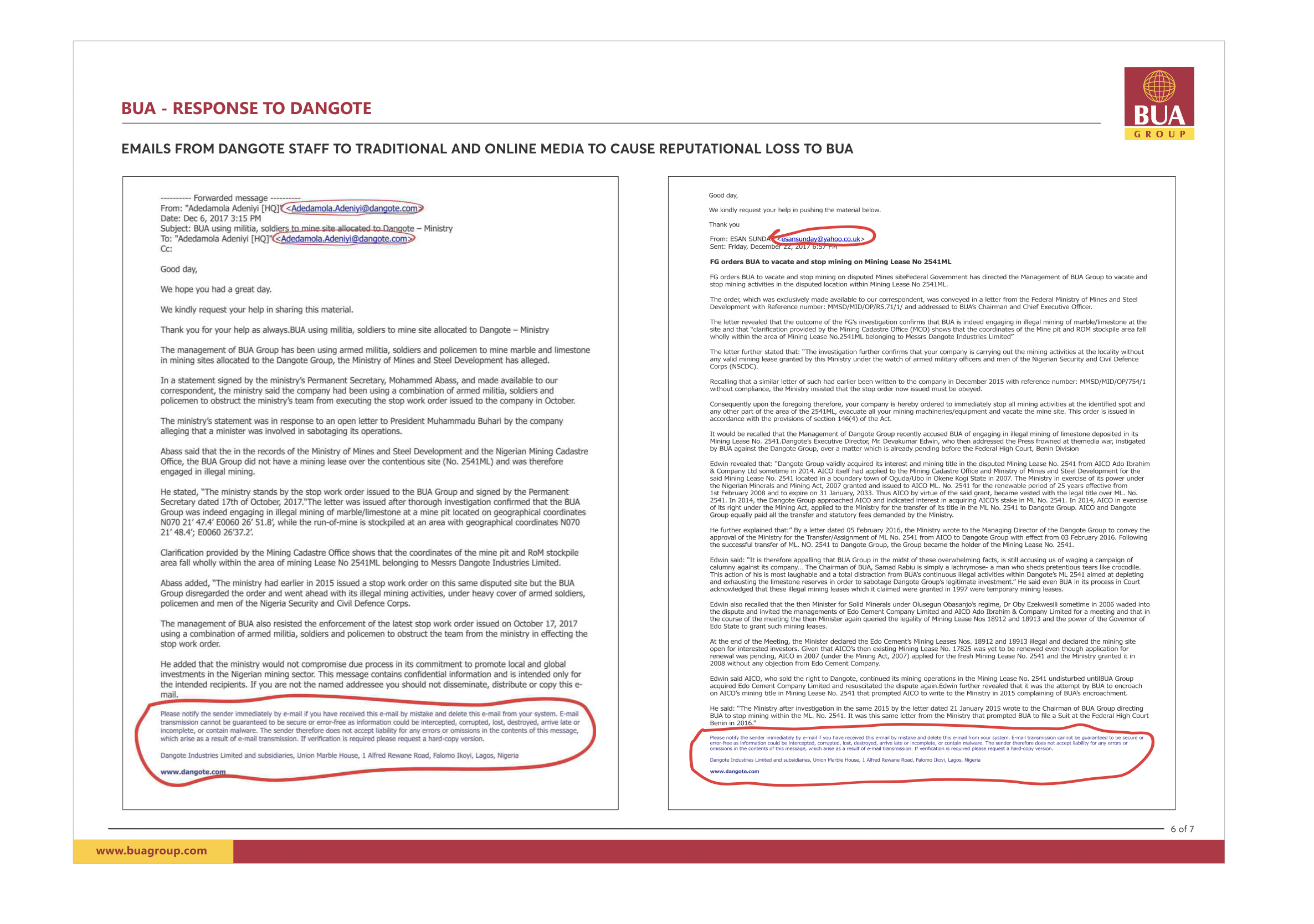
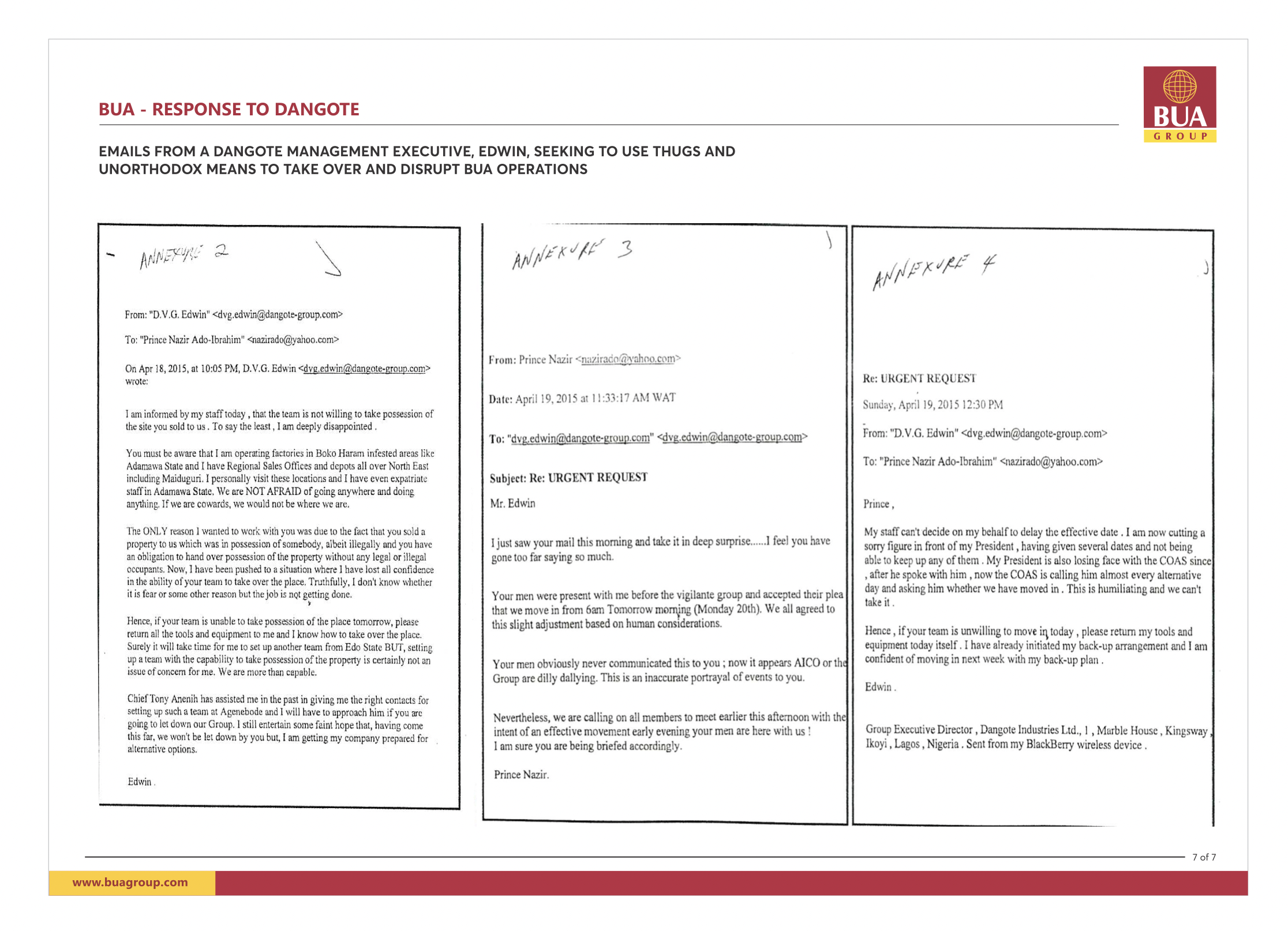
“Same thing happened again with our Port Harcourt sugar refinery – the only sugar refinery in Nigeria that is outside Lagos. Dangote utilized every means possible to ensure the refinery did not take off and we raised the alarm. At some point, the terminal was taken away from us and was to have been given to someone else at the behest of Dangote. There had to be a presidential intervention again for NPA to do the right thing. Yet, we survived.”

“For over 32 years, we have been cast as the antagonists in a narrative woven with malice. We have not just survived; we have thrived, expanding our operations and contributing to Nigeria’s economy without resorting to subterfuge.”

“To Mr. Dangote and the Dangote Group, we say: Let us build, not belittle. Let us cultivate, not conquer. While we may share the marketplace, we need not share malice. We have nothing to do with your self-inflicted issues. Blame no one but yourself.”

“In closing, we at BUA remain committed to our ethos of innovation, integrity, and inclusiveness. Our history is not one of being handed anything on a silver platter. We will continue to serve our beloved country and its people with the diligence and honor they deserve. Our past, present, and future activities are rooted in the prosperity of Nigeria, undeterred by the winds of unfounded criticism. We remain focused on building and developing Nigeria.”

China’s Tesla Rival Nio Slashes Workforce by 10% Amidst Strong Competition

0

Chinese multinational automobile manufacturer and Tesla’s strong rival Nio, has announced plans to slash its workforce by 10% as it moves to improve efficiency and reduce cost amidst fierce competition in the EV industry.

In an internal letter written to employees, Nio CEO William Li announced that the reduction exercise would be completed in November.

The decision was made based on its newly defined priorities to continue its long-term investment in core technologies, to ensure it has the sales and service capabilities to compete.

Also, the restructuring seeks to ensure its products and brands are released as scheduled, consolidate duplicate departments, and remove inefficient positions, thereby improving efficiency and cutting project investment that doesn’t contribute to the company’s financial performance in the coming years.

The letter reads,

“I’m sorry to colleagues who may be impacted by the adjustments. This is a tough but necessary decision against the fierce competition. Our journey is a marathon on a muddy track. Please stay focused on efficient execution and improvement of system capabilities. We still have a gap between our overall performance and expectations”.

Despite the challenges, Nio’s restructuring plan is a crucial step toward financial recovery and long-term success in the competitive Chinese EV market.

The restructuring comes amid a price war started by U.S. automaker Tesla, at the beginning of the year which is dragging down the profitability of EV makers, which have stepped up efforts to prune costs and build partnerships to survive the consolidating competition.

Starting this year, Tesla slashed the prices of its models quite a few times in China and elsewhere, registering a record number of quarterly deliveries. The price cut by Tesla propelled local automakers in China to undercut prices to retain their market share.

Amid a deepening EV price war in China, in June 2023, NIO lowered prices across all its models, including its revamped ES8 and ES6 SUVs (sports utility vehicles).

Notably, NIO delivered 43,854 vehicles in the first five months of 2023, dwarfed by Tesla’s TSLA China sales, which were more than five times that of NIO.

The company is currently encountering growing difficulties attributed to widening financial losses and lackluster sales.

Additionally, Nio has also announced to end of its free battery-swapping services for new buyers. According to an article published by Reuters, it had been offering the swapping services for free at least four times each month to existing owners.

As Nio currently battles with difficult circumstances, investors will closely monitor whether these strategic changes have the potential to increase its sales and strengthen its position in the market.

Nigeria’s NNPC Agrees to Supply Dangote Refinery With Six Million Barrels of Crude in Dec.

0

The Nigerian National Petroleum Company Limited (NNPC) is set to provide the new 650,000 barrel-per-day Dangote oil refinery with up to six million barrels of crude oil in December for test runs, according to three reliable industry sources who spoke with Reuters.

This development comes as a significant relief to concerns about the refinery’s capacity to receive the necessary feedstock.

The Dangote oil refinery, funded by Africa’s richest man, Aliko Dangote, is poised to revolutionize the oil trading landscape in the Atlantic Basin. Once fully operational, it is expected to make Nigeria a net exporter of fuels, a long-cherished goal for the oil powerhouse. Currently, Nigeria heavily relies on fuel imports.

An NNPC official, who wished to remain anonymous, confirmed that six cargoes, equivalent to 200,000 barrels per day, would be supplied in December as part of a one-year deal. He added that future volumes would be supplied “based on mutual agreement and availability.”

The other sources indicated plans to supply about 4-5 cargoes, totaling at least 130,000 barrels per day. A Dangote Group official, also preferring anonymity, mentioned that “some of the agreements have confidentiality clauses” when asked about the NNPC supply deal. The NNPC holds a 20 percent stake in the refinery.

The Dangote refinery commenced the commissioning process in May this year after significant delays and cost overruns, with an estimated project cost of $19 billion, surpassing initial estimates of $12-14 billion. The commissioning phase includes testing various units responsible for producing a range of petroleum products, from gasoline to diesel.

The integrated refinery and petrochemical project is expected to create thousands of direct and indirect jobs while meeting Nigeria’s fuel demands, transforming Africa’s largest crude producer into an exporter of refined crude.

A Sales and Purchase Agreement (SPA) is currently in the final stages of preparation between the national oil company and the Dangote refinery, with formalization expected in the coming weeks. The deal is set to be on a purely commercial basis, without any discounts or rock-bottom prices.

The Petroleum Industry Act (PIA) of 2021, specifically Section 109, outlines domestic crude oil supply obligations to refineries, including the Dangote Refinery, as well as NNPC refineries in Port Harcourt, Warri, Kaduna, and the various modular refineries across the country. It stipulates that the supply of crude oil to the domestic market will be conducted on a willing buyer and willing seller basis.

Notably, shortly before the refinery’s inauguration, the NNPC had pledged to supply 300,000 barrels of crude oil to the facility. However, in September, Devakumar Edwin, the Executive Director of Dangote Group, disclosed that the national oil company would not be able to supply the refinery until November, causing concerns and raising eyebrows throughout the country.

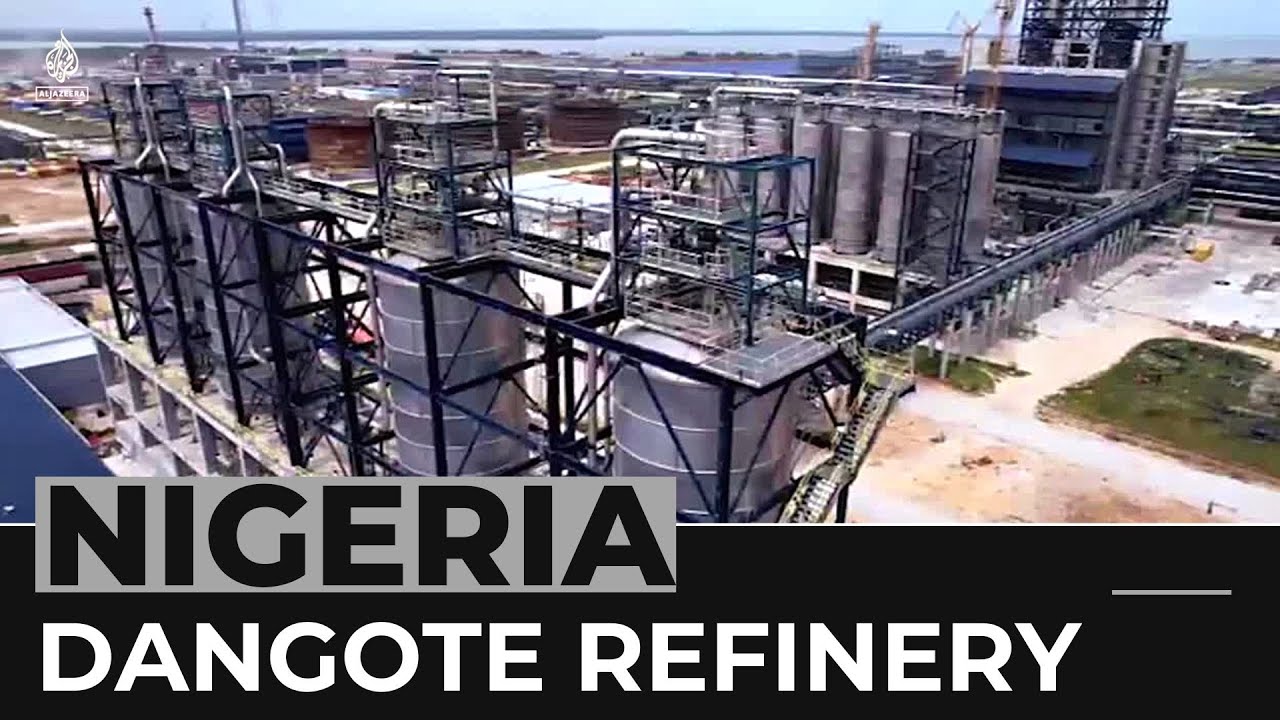
The Dangote refinery, with a processing capacity of 650,000 barrels per day, is situated in the Free Zone in Ibeju-Lekki, Lagos, covering an expansive 2,635 hectares of land. The complex is reputed to boast one of the largest pipeline infrastructures globally, with a 1,100-kilometer gas pipeline capable of handling 3 billion standard cubic feet of gas per day and a 400MW power plant meeting the power requirements of Ibadan Distribution Company (Disco). It is also said to be more than six times the size of Victoria Island.

The Nigerian Upstream Petroleum Regulatory Commission (NUPRC), led by Gbenga Komolafe, recently emphasized the urgency of meeting domestic crude obligations to enhance refining capacity. Komolafe said “It is going to be a matter of national shame if we cannot meet our domestic crude obligations to step up our refining capacity,” and stressed the readiness of the Dangote refinery to receive crude oil.

The successful collaboration between the NNPC and the Dangote refinery not only represents a significant step forward for Nigeria’s energy sector but also aligns with the country’s ambitions of becoming a major exporter of refined crude products.

Nigeria Needs To Inject Productivity To Sustain Appreciating Naira Position

0

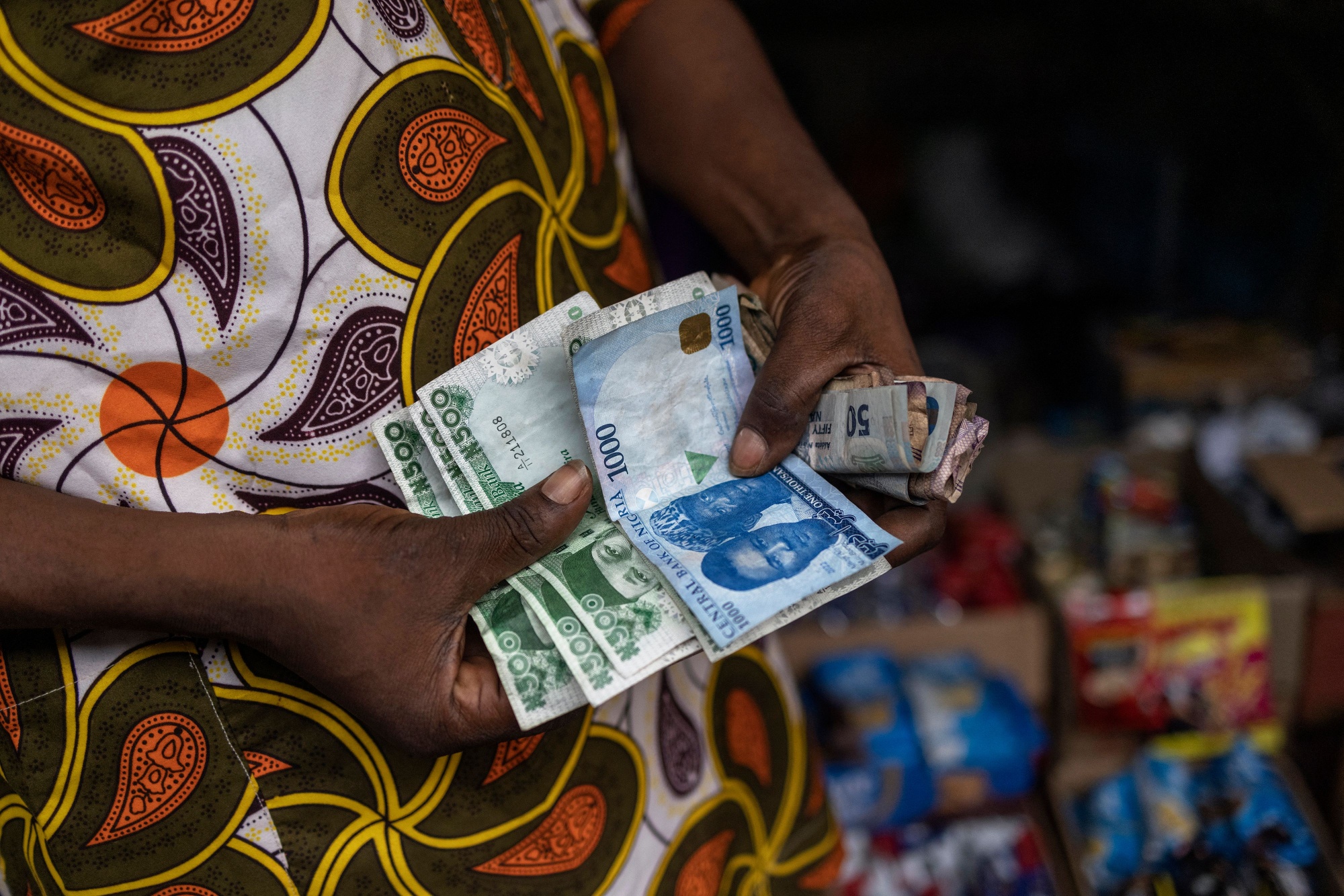
Good News for Naira: “The news that the Central Bank of Nigeria (CBN) has begun to clear some of its FX backlogs has spurred an appreciation of the naira in both the official and parallel exchange markets. The naira rose to N1,004/$1 in the parallel market and around N793.28/$1 in the official window, underscoring a notable performance compared to Wednesday, when it traded at N1,142/$1 and N799.32/$1 respectively, according to FMDQ OTC Securities Exchange.”

Nigerian banks received dollars from investors and importers some years ago, which they then invested with the CBN in a market known as the Forward Dollar Market. When contracts in that Forward market reached maturity, the CBN was unable to make the payment due to a lack of liquidity in foreign exchange.

Now, the CBN is gradually settling that dollar obligation. This development enables Nigerian banks to reimburse their investors and secure additional funds, which in turn helps stimulate trade and improve FX liquidity.

This is a welcome development. Nigeria is working on the Supply side and if that happens, the pricing equilibrium will shift, ECON 101. That said, we need to think today, tomorrow and the long-term.

Why? If you live in Lagos and borrow from loan app A to pay app B, to avoid wahala, remember that one day app B will come for its money. So, to deal with the root cause and avoid wahala, you need to find that money fast to pay B.

Nigeria, as I have noted, has tools to bring Naira down, in the short-term, as we are a resource-rich nation (gas, crude oil, lithium, etc); the challenge is maintaining the stability over the long-term. Fascinatingly, that requires productivity which goes beyond pre-selling crude oil and gas. I wish the team good luck on this. Help us make things in Nigeria and become more productive. If not, loan app B will come knocking and Naira will bleed again.

Comment on Feed

Comment 1: enator Jimoh Ibrahim Oxford economics. He recommended on Channels TV that we should borrow $100billion to clear existing debt and structure the new debt for repayment to start in 10 years. By then you would have developed infrastructure enough to drive productivity in the economy. This is not me, it’s our Senator from Ondo West.

My Response: “He recommended on Channels TV that we should borrow $100billion to clear existing debt and structure the new debt for repayment to start in 10 years.” – nothing new there. We have been doing that since 2015. The problem is that around 2019, they stopped lending us money without big collateral. That was when Emefiele pre-sold crude oil to get some cash. Maybe, we can give Goldman Sachs Ondo West (just joking) for $100b because they will not do it without something these days.